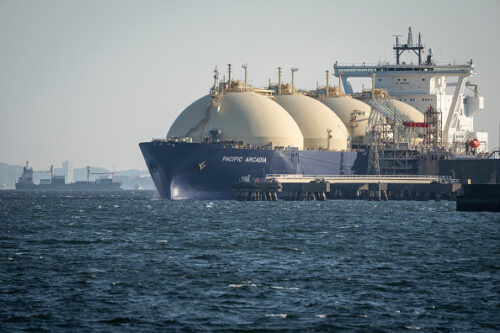
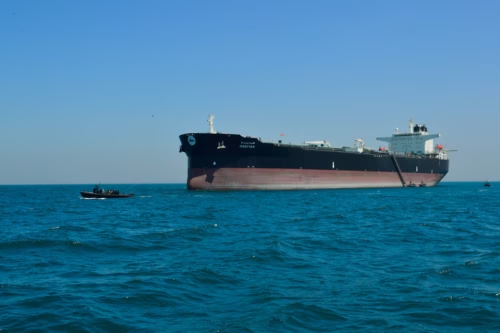
Despite sustained efforts to prioritize energy security across successive policy cycles, China remains exposed to external supply chains it does not control. The core problem is not simply import dependence, but reliance on maritime transit routes – particularly through the Strait of Hormuz – whose security ultimately lies beyond Beijing’s authority. The escalation of the Israel-U.S. war with Iran and the resulting disruption of traffic through Hormuz has transformed a long-recognized strategic risk into an immediate constraint, revealing the limits of China’s ability to ensure stable energy access under conditions of geopolitical contestation.
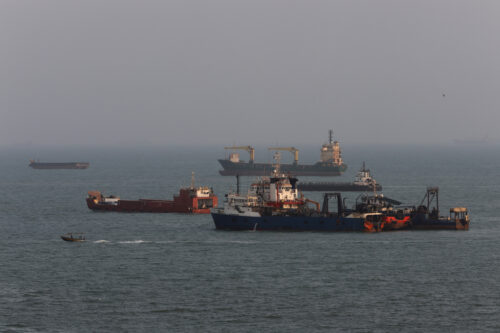
Photo by CENTCOM
معهد الشرق الأوسط (MEI) هو منظمة تعليمية مستقلة وغير حزبية وغير ربحية. لا يشارك المعهد في أي أنشطة دعوية، وآراء الباحثين فيه تعبر عن آرائهم الشخصية. يرحب المعهد بالتبرعات المالية، لكنه يحتفظ بالسيطرة التحريرية الكاملة على أعماله، ولا تعكس منشوراته سوى آراء المؤلفين. للاطلاع على قائمة المتبرعين للمعهد، يرجى النقر هنا.
Gulf Political Economy: The Cost of Accommodating Iran
Gulf Energy Markets: The Region’s Edge Will Survive — At a Price