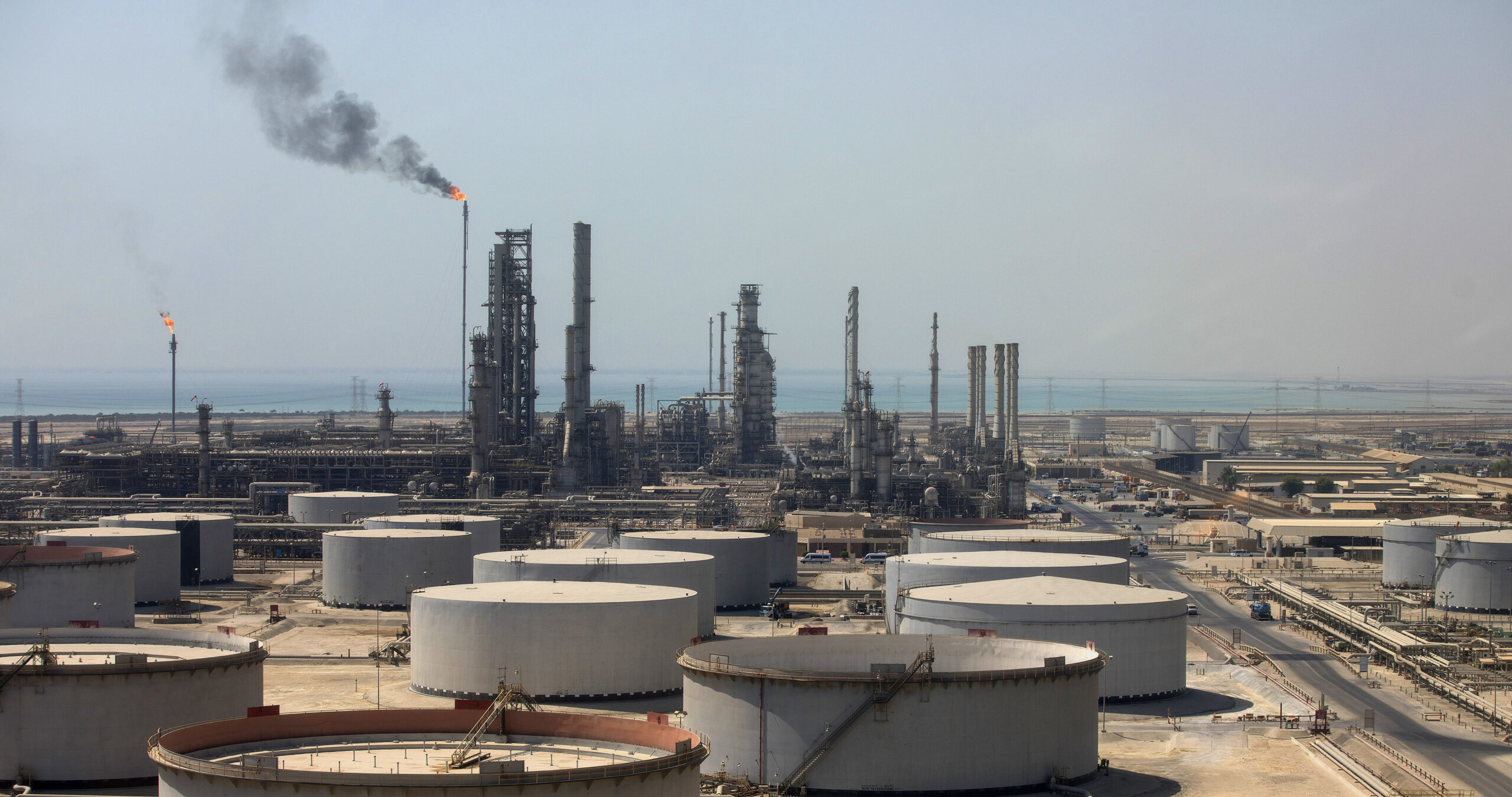
For oil producers in the Middle East, mounting external pressure from trade tensions, tariffs, and oil sanctions presents headwinds to government revenue and regional stability. Oil production is becoming a battle for market share rather than a collective effort to increase prices. We can identify three key effects for oil producers in the Middle East entering a period of heightened trade tensions and a potential global economic slowdown: (1) the Middle East-Asia interdependency will make both sides suffer a downturn, (2) competition over market share will disadvantage weaker regional producers, (3) access to capital and borrowing will define how countries can weather a longer downturn in oil prices. For policymakers in the Gulf, maintaining a close eye on key export markets in Asia may present further opportunities for trade and investment agreements with a longer-term perspective.
Read more in the Georgetown Journal of International Affairs
The Middle East Institute (MEI) is an independent, non-partisan, not-for-profit, educational organization. It does not engage in advocacy and its scholars’ opinions are their own. MEI welcomes financial donations, but retains sole editorial control over its work and its publications reflect only the authors’ views. For a listing of MEI donors, please click here.