President Donald Trump threatens Iranian Supreme Leader Ali Khamenei. But measured language and disciplined policy can help prevent escalation and protect American interests.
The Israel-Iran war: Scenarios for the days — and years — ahead
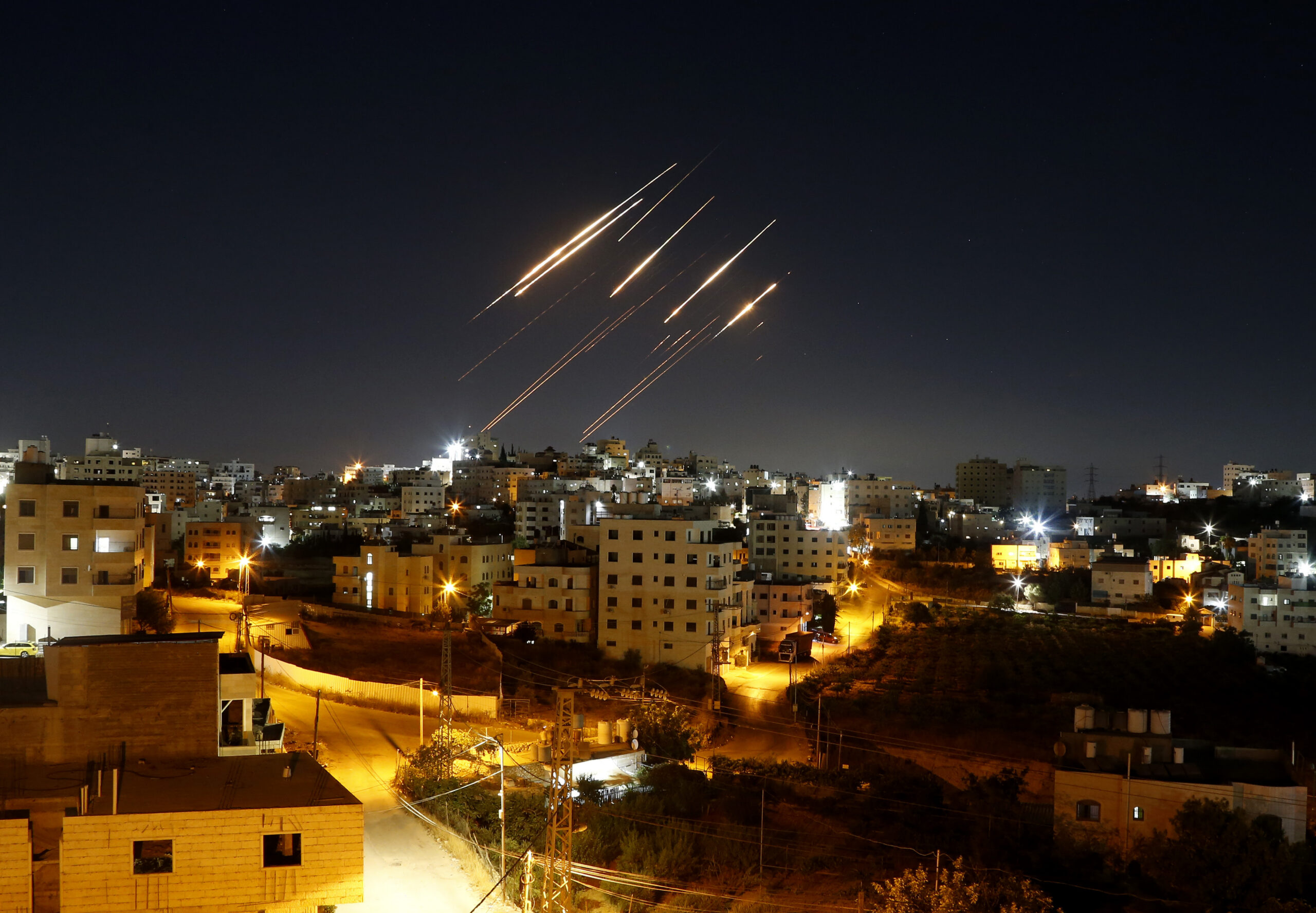
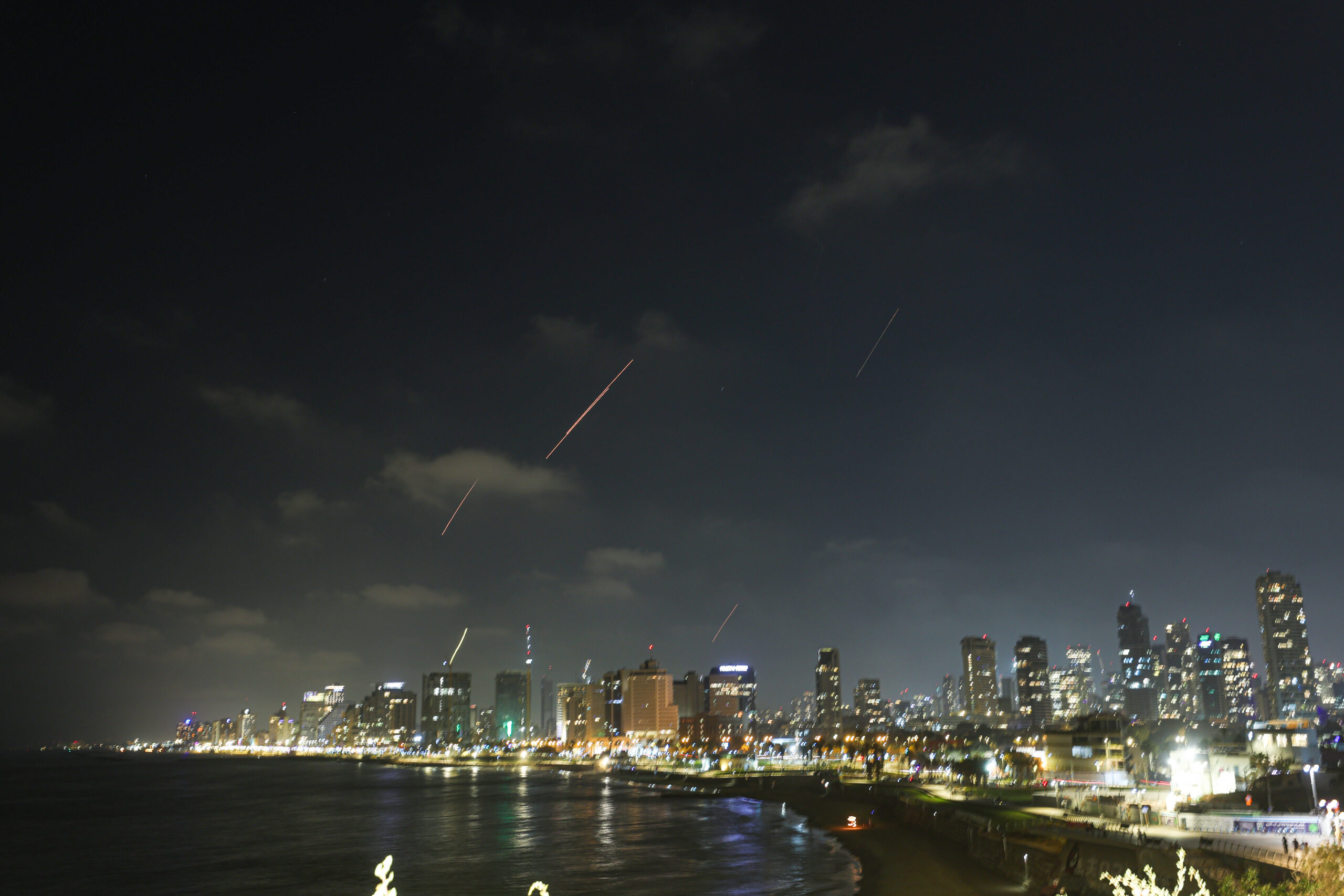
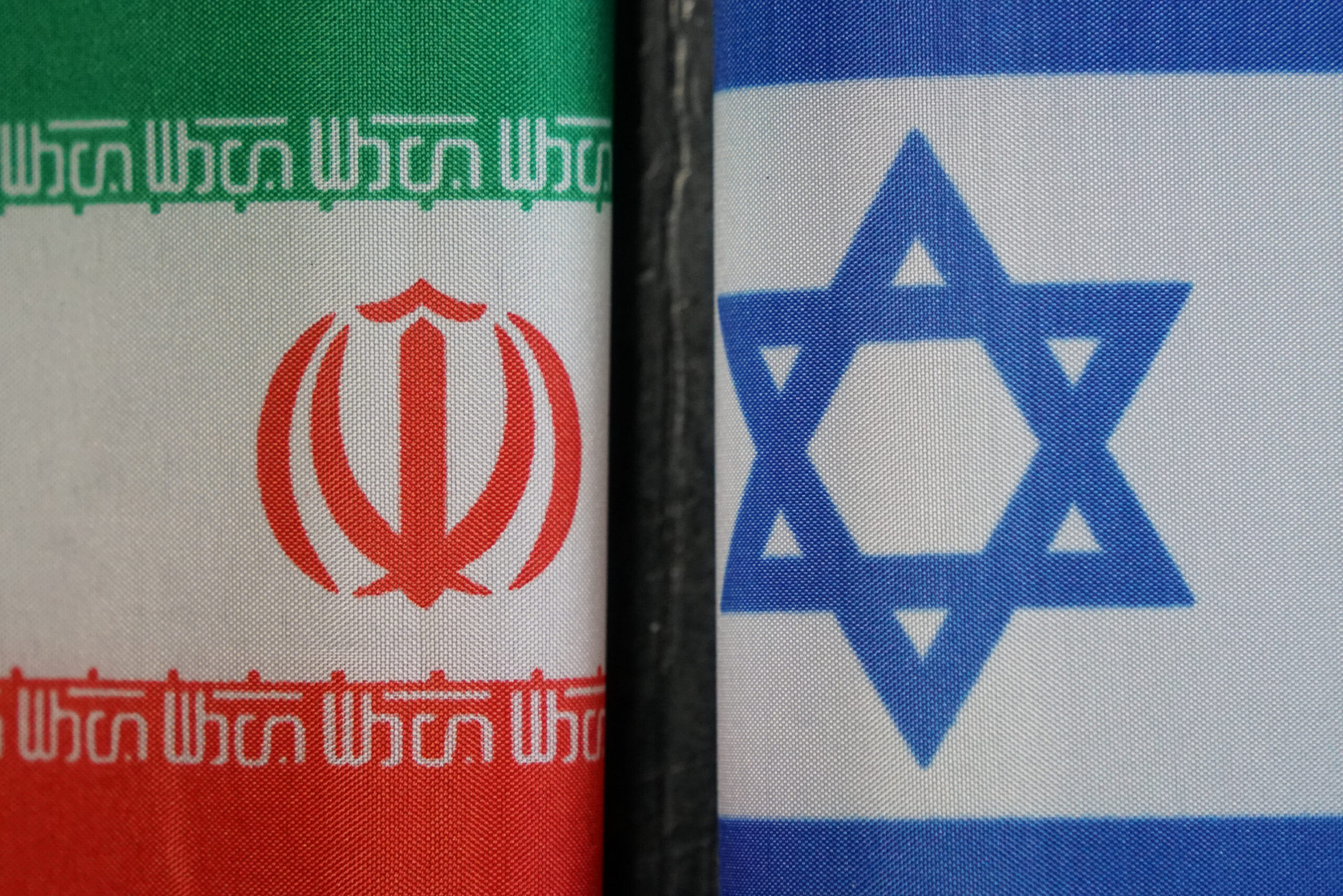
The evolving confrontation with Israel and the United States places the Islamic Republic of Iran at a critical inflection point. Tehran faces choices that range from limited negotiation and strategic restraint to escalation and eventual collapse. The following analysis explores the key scenarios that could unfold in the coming days, weeks, and years.
The Iran-Israel Conflict and the Future of the Iranian Regime
Senior Fellow Alex Vatanka joins hosts Alistair Taylor and Matthew Czekaj to examine the dramatic escalation between Israel and Iran following Israel’s targeted strikes on Iranian nuclear sites, infrastructure, and senior IRGC officials. Vatanka discusses how the Iranian regime is responding, the risk of wider regional conflict, and whether the current campaign could mark the beginning of the end for the Islamic Republic.
Where do we go from here? Day 5 of the Israel-Iran war
The past four days have clarified much about what Israel wants from this conflict, what Iran can and cannot do to fight back, and what decisions confront the American president over the next few days.
America moves closer to the brink of maximum uncertainty at home and abroad
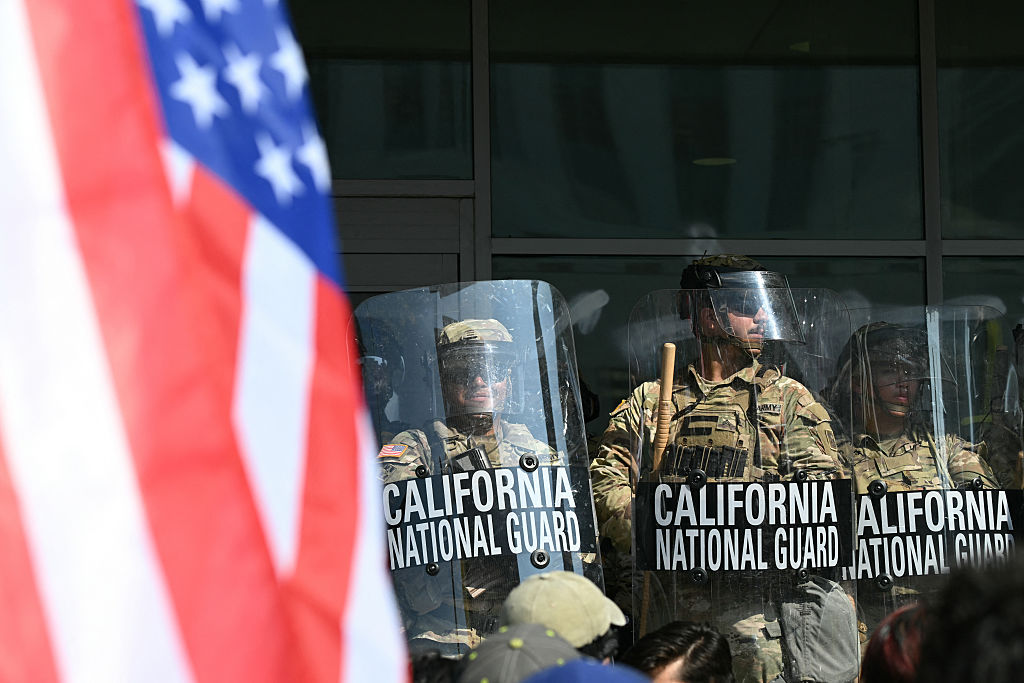
The spotlight in America this week is trained on the home front, with growing tensions inside the country over President Donald Trump’s immigration crackdown and a showdown unfolding on the streets of Los Angeles. At times like these, the rest of the world has a way of intruding, sometimes unexpectedly, and Trump 2.0’s foreign policy is still struggling to produce a major positive outcome from its frenetic activity trying to end kinetic wars while prosecuting an unprecedented economic war with much of the rest of the world.
Near-term progress in a renewed nuclear agreement between the United States and Iran could add further downward pressure to a delicate oil market, potentially heralding more fiscal pain for Gulf oil producers and complicating US energy strategy.
العودة إلى الواقع: الجاذبية لا تزال قائمة بعد رحلة ترامب
الواقع القاسي للتهديدات والتحديات التي تواجهها المنطقة، مثل إيران وحرب غزة، لا يزال قائماً بثبات بعد ضجة جولة ترامب "الربيعية" التي تميزت بأرقام مذهلة بالدولار وعرض طائرة جامبو فاخرة من قطر.
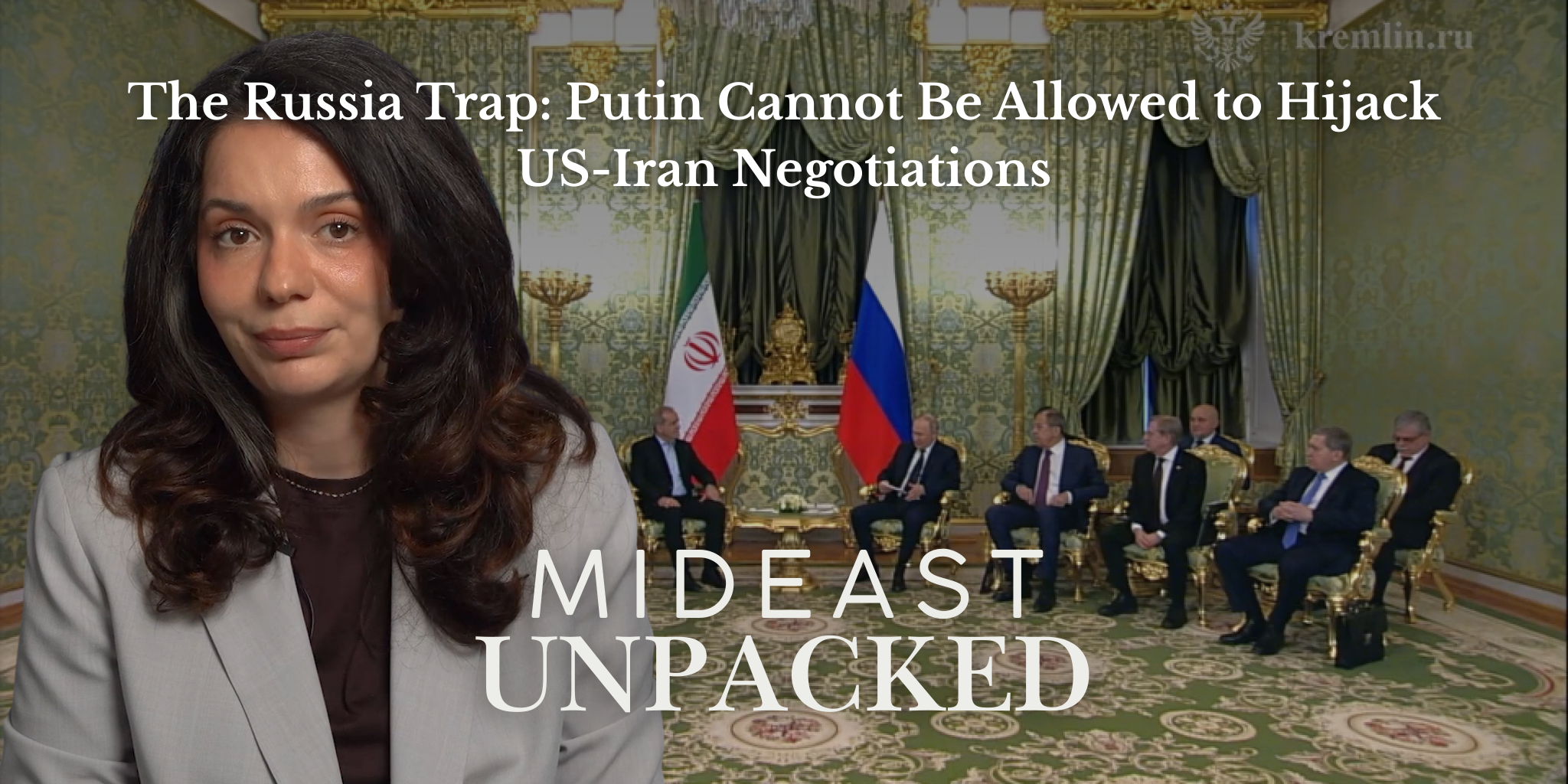
فخ روسيا: لا يمكن السماح لبوتين باختطاف المفاوضات بين الولايات المتحدة وإيران
توجه يوليا جوجا، زميلة أولى في معهد الشرق الأوسط (MEI)، تحذيراً حاداً ومناسباً من منح روسيا دوراً مباشراً في المفاوضات بين الولايات المتحدة وإيران. فبدلاً من أن تلعب موسكو دور الوسيط المحايد، فإنها تريد الاستفادة من هذه اللحظة لإعادة تشكيل ميزان القوى في الشرق الأوسط. من الاجتماعات في مسقط إلى توثيق التحالفات مع طهران وبكين، تكشف جوجا كيف أن دبلوماسية بوتين لا تهدف إلى تحقيق السلام بقدر ما تهدف إلى تعزيز نفوذ روسيا في مواجهة الولايات المتحدة. وينبغي على واشنطن أن تولي اهتمامًا وثيقًا لهذا الأمر.
هيمنة غير ليبرالية؟ سياسة ترامب الخارجية وأزمة هوية الحزب الجمهوري – مع بيل كريستول
يتصارع المحافظون الجدد وأنصار سياسة العزلة من أنصار حركة "اجعل أمريكا عظيمة مرة أخرى" على استراتيجية الحزب الجمهوري. ولا يظهر هذا الانقسام بشكل أكثر وضوحاً من انقسامهم حول الشرق الأوسط: فالصقور يرونه ساحة لإثبات قوة أمريكا وولائها لإسرائيل، بينما لا يرى أنصار سياسة العزلة فيه سوى حروب لا نهاية لها استنزفت أمريكا. فأين يقف ترامب في هذا الصراع؟
Top photo:
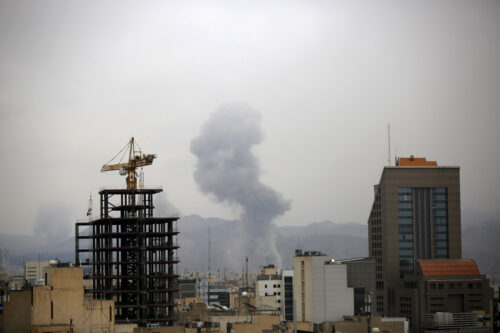
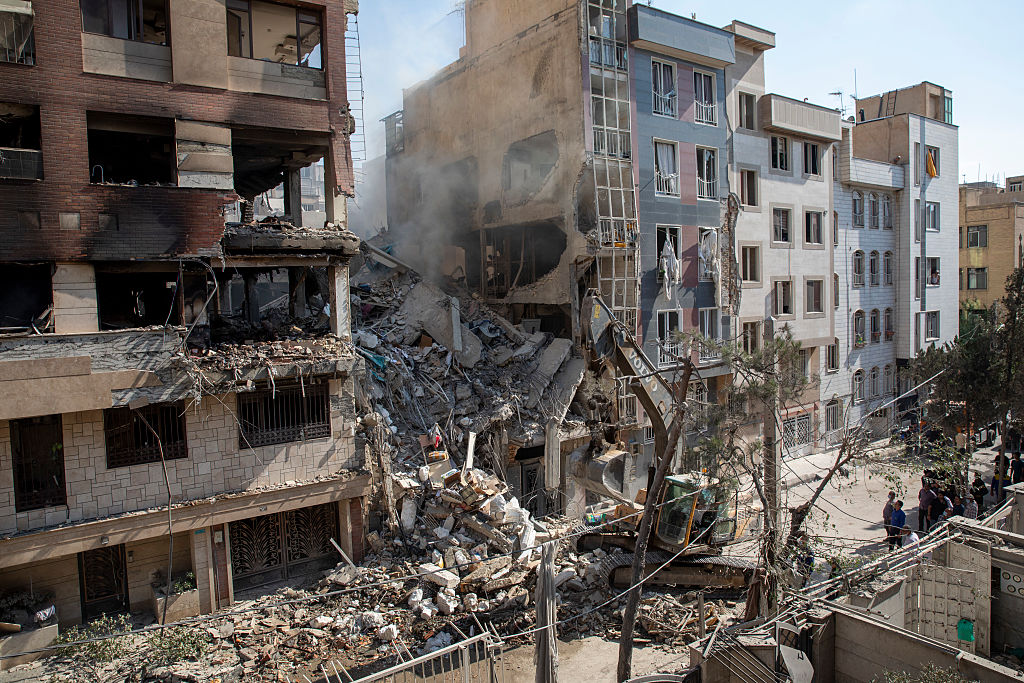
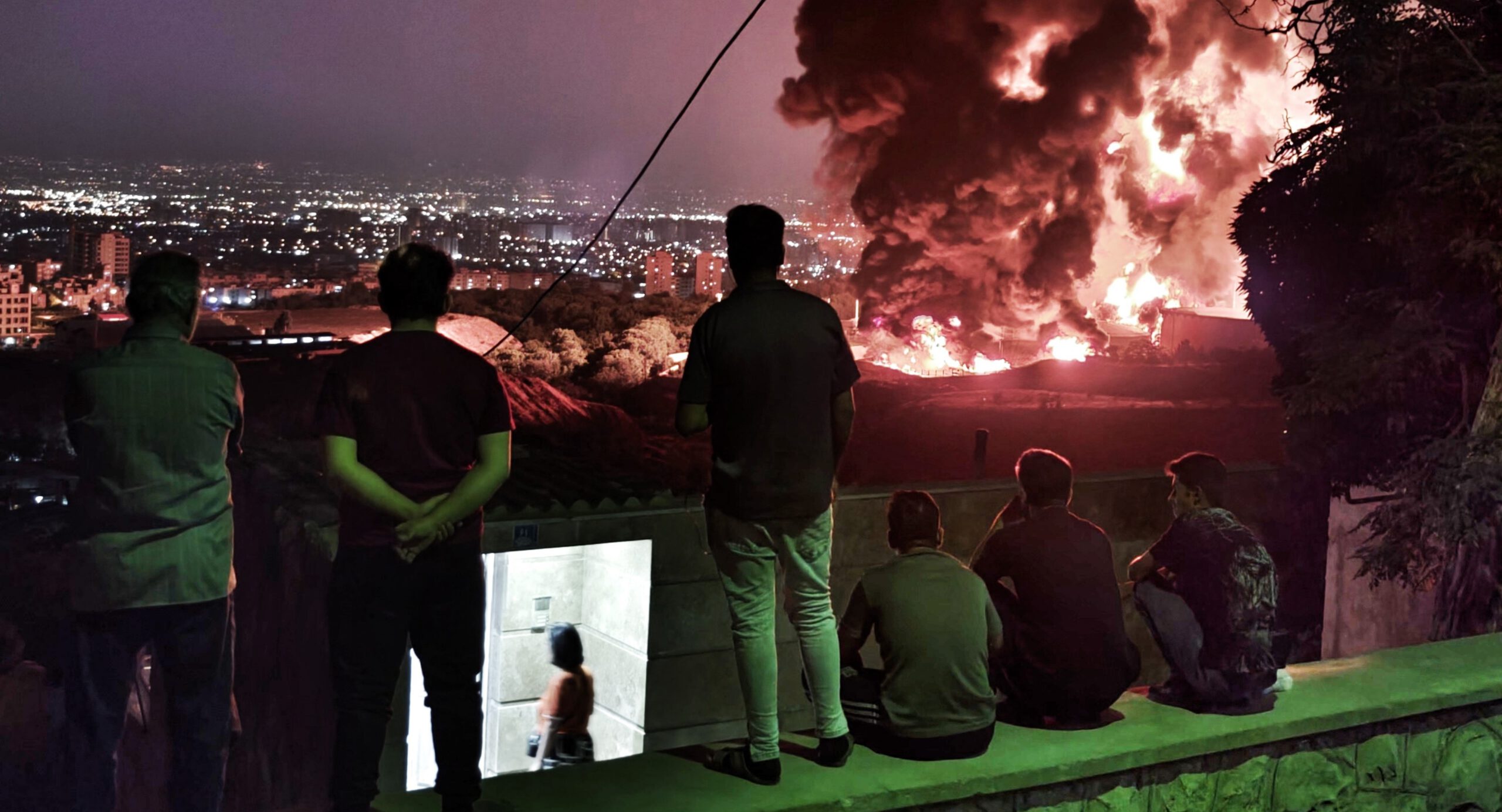
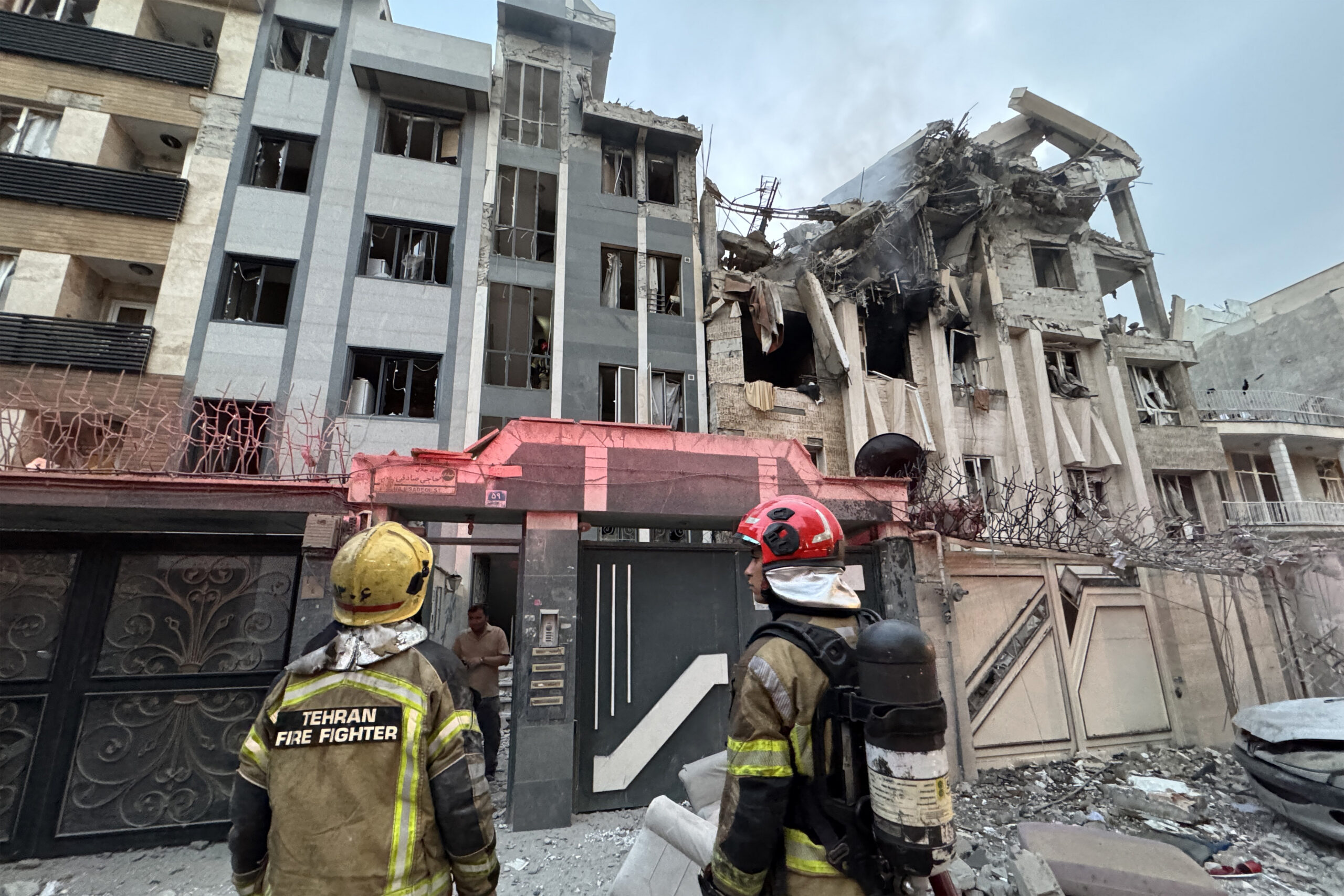
TEHRAN, IRAN – MARCH 10: Smoke rises among the residential buildings following an Israeli attack on Tehran, Iran on March 10, 2026. (Photo by Fatemeh Bahrami/Anadolu via Getty Images)