This individual is a guest contributor. MEI is not able to assist with contact requests.
Ahmed Morsy is an Egyptian researcher and a Ph.D. candidate at the School of International Relations, University of St. Andrews. His research interests include the study of the regional order in the Middle East, Egypt, Iran, and the United States. He can be reached at [email protected] or on Twitter @ASMorsy.
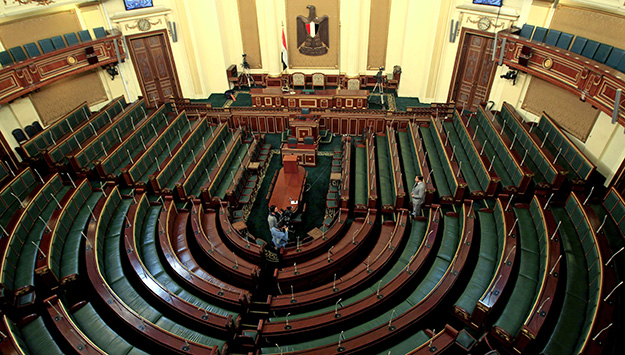
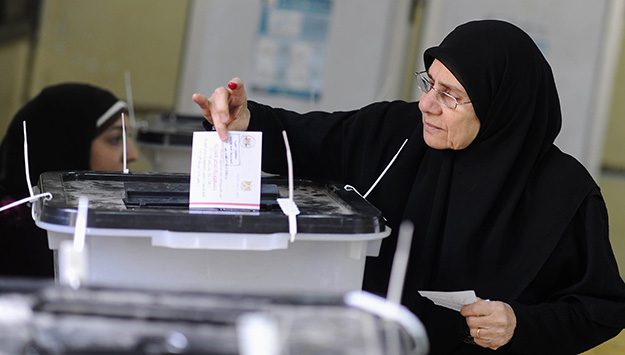
In March, Egypt’s Supreme Administrative Court suspended the country’s long-awaited parliamentary elections,[1] originally scheduled to begin March 21.
Long-awaited elections for Egypt’s parliament, which has been dissolved since 2012 as the result of a court order, have been scheduled in a two-phase process beginning this March. What will the process involve? Why are these elections important? Ahmed Morsy answers essential questions.
Earlier this month, Interim President Adli Mansour appointed Judge Mohamed Amin el-Mahdi as Egypt’s first-ever Minister of Transitional Justice and National Reconciliation. It’s an encouraging move for a country that has, for decades, endured an oppressive environment of fear due to successive regimes’ use of power and the security apparatus to suppress and torture dissidents. After Hosni Mubarak’s ouster in 2011, many Egyptians hoped that their long list of abused rights could find justice, but until now very little has been accomplished.
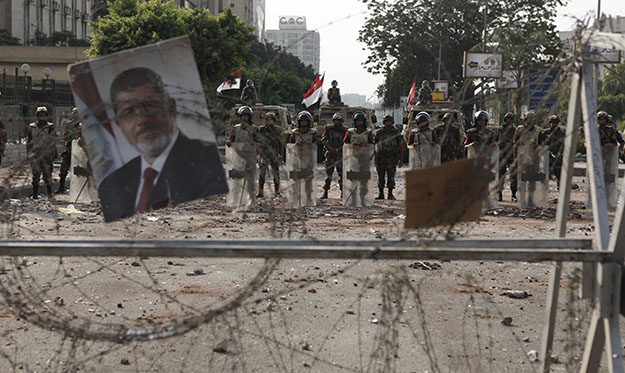
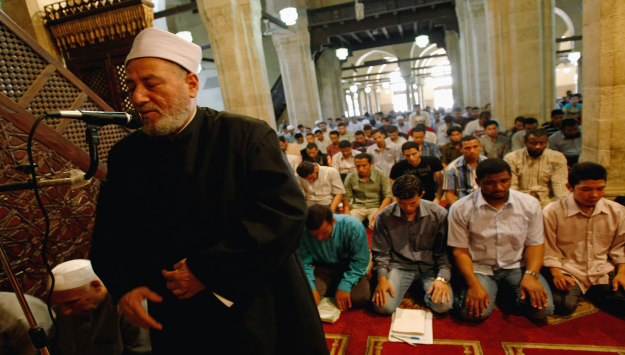
From Muhammad Ali to Mohamed Morsi, modern Egyptian leaders have understood that any attempt to control the state without the endorsement, if not blatant co-option, of key institutions such as al-Azhar is an ill-fated pursuit. The headache for President Morsi is that these institutions are trying to assert their independence and are presenting a range of direct and indirect challenges to his authority and, more broadly, to the Muslim Brotherhood and its political arm, the Freedom and Justice Party (FJP).
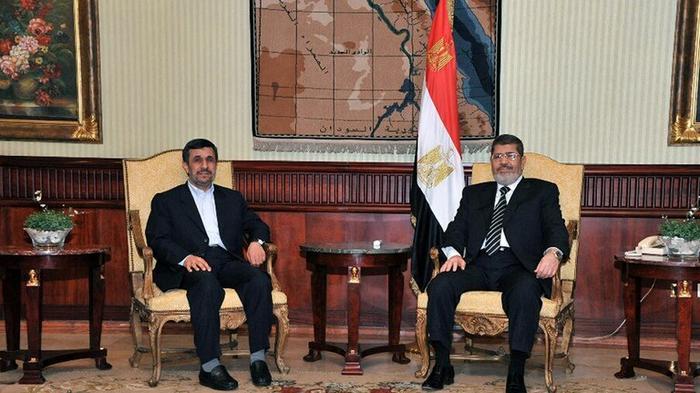
For over 30 years Egypt’s foreign policy has stood on three key pillars: building strategic relations with the United States, maintaining the peace treaty with Israel, and promoting the security of Arab states in the Gulf. The presidency and the security apparatus, moreover, have often overshadowed and minimized the influence of the Ministry of Foreign Affairs in the policymaking process. These pillars solidified under the rule of Hosni Mubarak, and as a result President Mohamed Morsi will not be able to uproot them anytime soon.