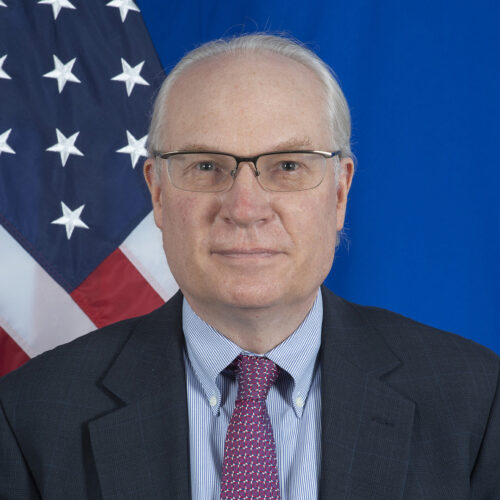
This individual is a guest contributor. MEI is not able to assist with contact requests.
Anthony Elghossain is a lawyer and writer based in Beirut. He advises non-governmental organizations on strategy, planning, organizational development, and substantive issues. Anthony is writing his first book, They Came in Peace: American Adventures in the Levant. Anthony focuses on the Levant, the rule of law, U.S. cooperation with states in the area, and American foreign policy toward the Middle East more generally. He was previously a Non-Resident Scholar at MEI, a program advisor at the United States Institute of Peace, and a non-resident fellow at the Atlantic Council. Before that, Anthony worked with non-governmental organizations to promote the rule of law in the Middle East and Africa and was a project finance lawyer at a global law firm. Anthony enjoys writing about American foreign policy and the states and societies of the Middle East. He has written for The New Republic, the Carnegie Endowment, the Atlantic Council, Roads & Kingdoms, HuffPo, The National, The Daily Star, and NOW.
Monday Briefing: In Afghanistan a major player plans to jump ship
This week’s briefing on recent news and upcoming events in the region featuring Marvin G. Weinbaum, Charles Lister, Hafsa Halawa, Bilal Y. Saab, Anthony Elghossain, and Michael Sexton.
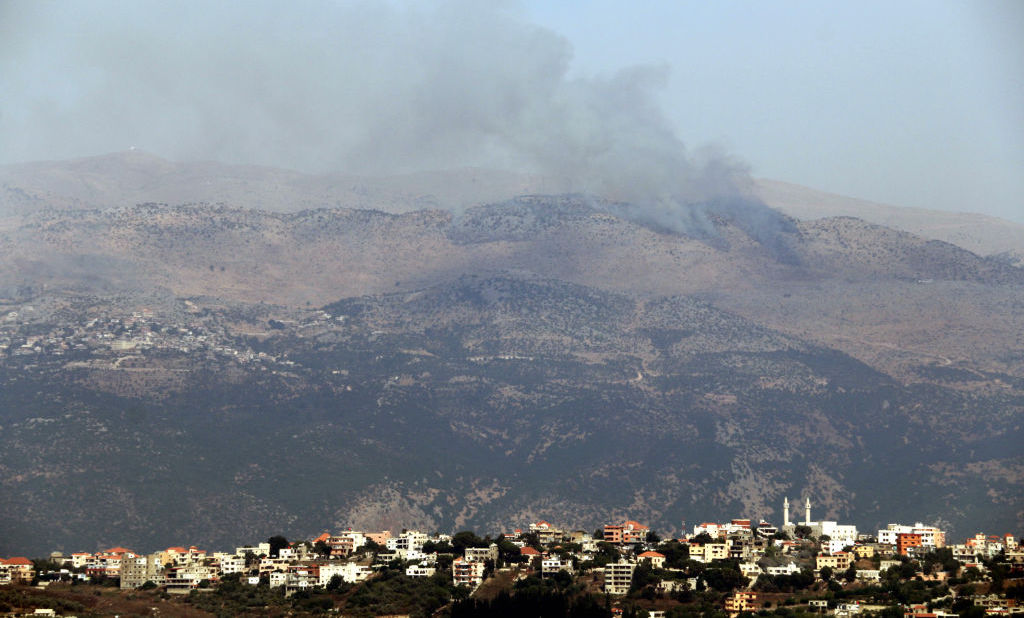
The Israelis and Hezbollah are at it again. Earlier this week, they seem to have skirmished in the Shebaa Farms area. In their latest exchange of fire, or fiery statements, Israel and Hezbollah are continuing a new tradition of contained conflicts — one stretching back five years, when the Israelis stepped up efforts to interdict weapons shipments, destroy infrastructure, and kill Iranian or Iranian-supported officials and fighters in Syria (and indeed Iraq).
Finding Lebanon: Hope, dignity, and the right to know
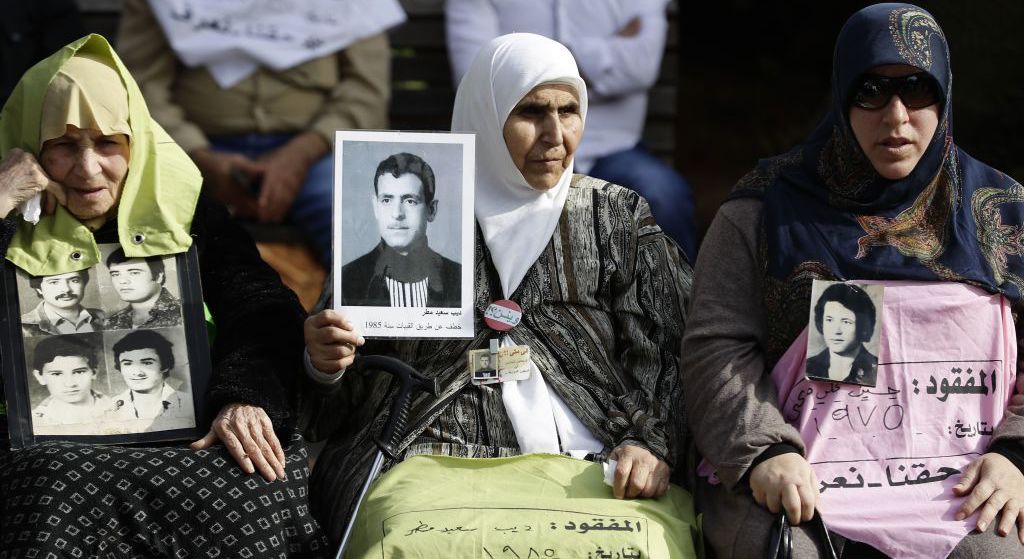
As many as 17,000 people “disappeared” during the Lebanese civil war. From 1975 to 1990, Lebanese factions, Palestinian militias, and the Syrian and Israeli militaries waged war in Lebanon. In that time, they and associated actors — be they Syrian security services, or armed Lebanese gangs using the war to turn a profit — “disappeared” people. Now, 30 years after the war ended, Lebanon has finally created a national commission for the disappeared, and in doing so, has taken a small step toward helping families grapple with the consequences of a conflict that has never, really, ended — certainly not for them.
The best of a bad situation? Considering next steps for Lebanese leaders
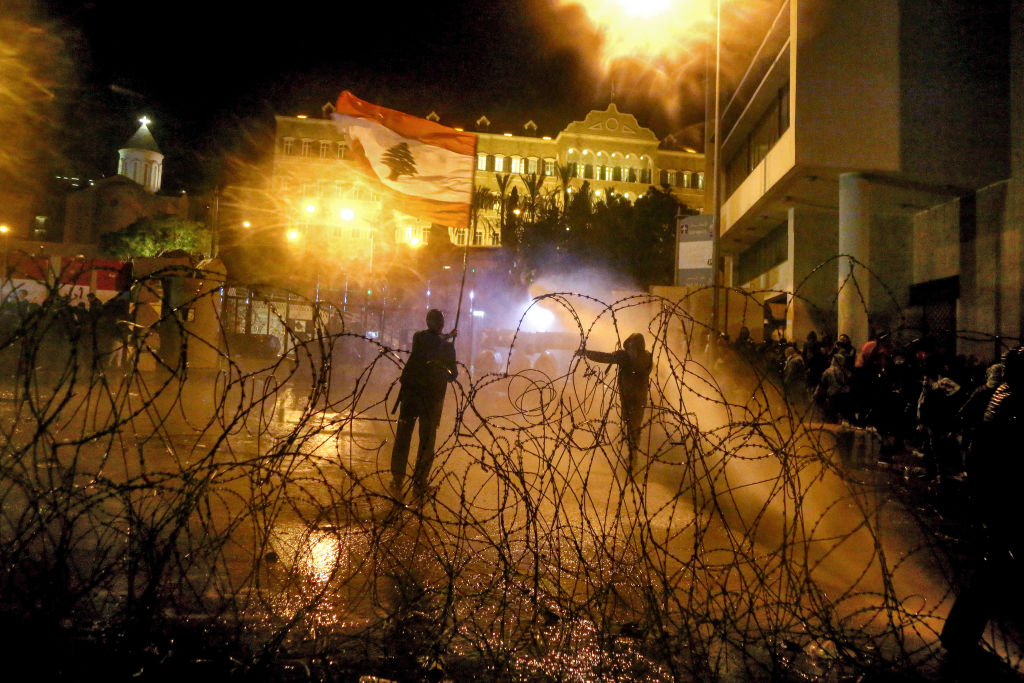
The Lebanese are in trouble. Lebanese leaders have borrowed and spent money for decades without addressing fundamental flaws in their state, economy, and society — operating in an order that, while not the cause of every problem under the sun, aggravates their poor politics, policy, planning, and governance.
The sky is sliding: Why and how the Lebanese avoided catastrophe and aggravated challenges over time
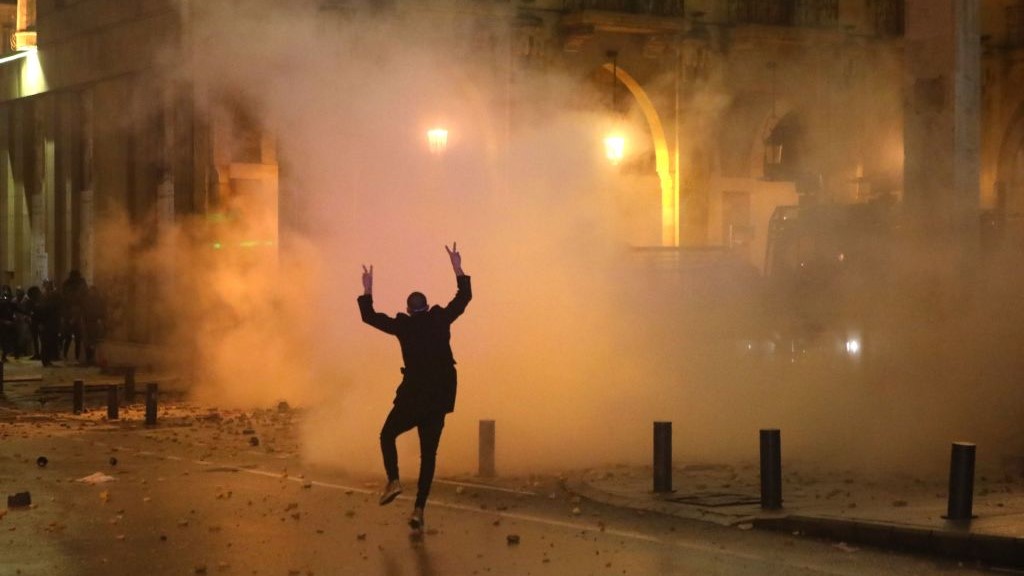
Lebanon’s in trouble and the Lebanese may soon face the real reckoning that they’ve thus far avoided. Having bought time they’ve increasingly needed with money they’ve increasingly lacked, but somehow conjured, they’re running out of both. Its leaders must act, soon, to avoid a complete catastrophe. And, whether avoiding or coping with collapse, the Lebanese must well and truly consider how to shape a better future.