تمت ترجمة هذا النص بواسطة الذكاء الاصطناعي وقد يحتوي على أخطاء.
تخطي إلى المحتوى

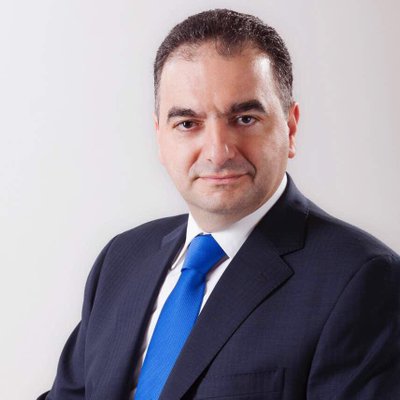
Antoine Z. Sfeir

This individual is a guest contributor. MEI is not able to assist with contact requests.

Antoine Z. Sfeir

Antoine Sfeir earned a PhD in international law from the Université Paris Descartes and practices as an attorney at law at the Paris and Beirut Bar associations. He is an arbitrator as well as an affiliated partner in Montréal. He lectures at the Université Saint Joseph in Beirut, lectured at the American University of Beirut, and served as a member of the UNESCO National Commission. He is a counsel before the International Criminal Court and regularly offers analyses on legal and political issues in local and international media outlets.

The Latest from Antoine Z. Sfeir

تصفية حسب
1 نتيجة
The consequences of Lebanon’s constitutional crisis
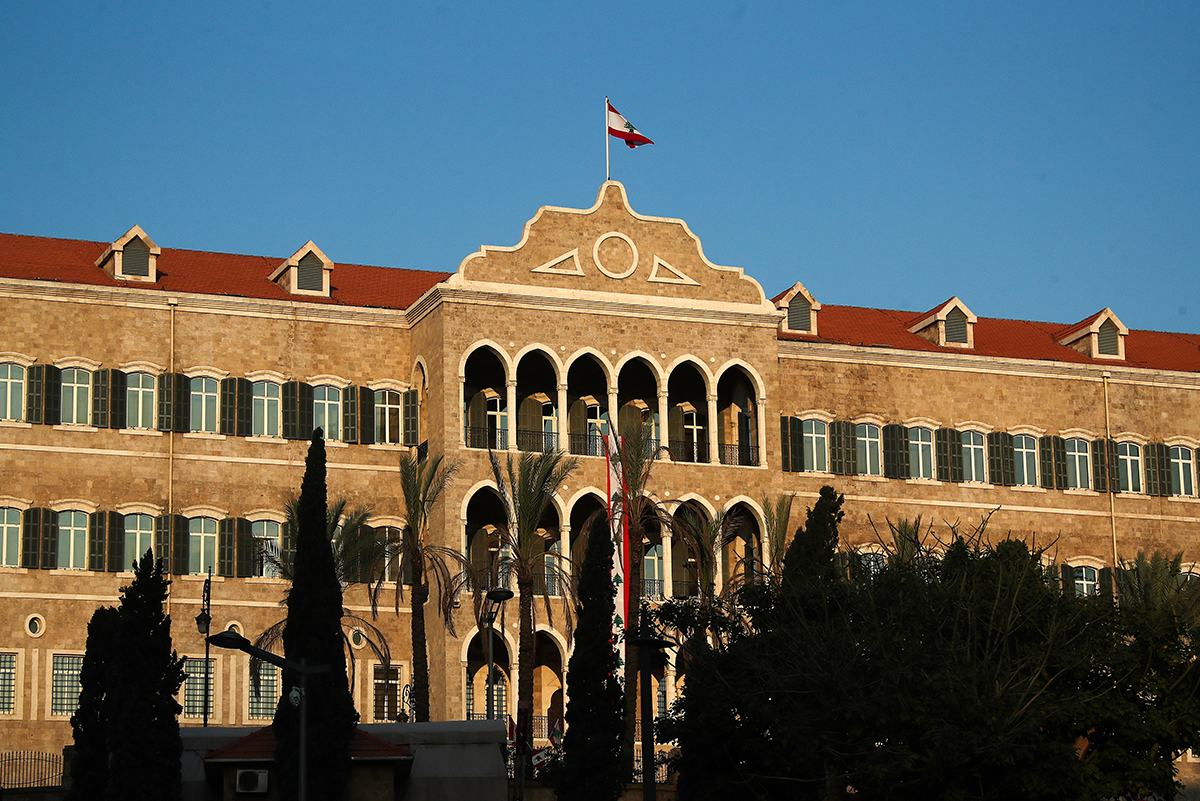
Photo by Valery SharifulinTASS via Getty Images
  • التحليل
  • The consequences of Lebanon’s constitutional crisis

    Lebanon is currently facing an unprecedented constitutional crisis that, if left to simmer, will further worsen the country’s numerous predicaments. Three decades after the Ta’if Agreement that ended the 1975-90 war, officials and warlords failed to implement a real reconciliation that could usher in civil order in a country known for its intrinsic vulnerabilities. Although a diverse society, Lebanon has always suffered from inherent political contradictions and currently agonizes over — among other calamities — major constitutional and political crises that, even though they are engulfed by crumbling socio-economic conditions, remain far more threatening than most imagine. How can the Lebanese put an end to such ongoing deterioration? And can Lebanon’s “business-political” class resolve some of the many crises confronting the country?


    September 20, 2021

