This individual is a guest contributor. MEI is not able to assist with contact requests.
Attiya Ahmad is Georgetown University’s 2009-10 Center for International and Regional Studies Post-Doctoral Fellow. She recently completed her PhD in Cultural Anthropology at Duke University. Dr. Ahmad’s work brings together scholarship on Islamic studies, globalization, diaspora and migration studies, economic anthropology, and political economy.
Is There a Way Forward for Political Resolution in Yemen?
Director of MEI’s Arabian Peninsula Program Gerald Feierstein speaks to MEI Non-Resident Scholars Fatima Abo Alasrar & Ibrahim Jalal on a host of current events in Yemen. What have been the takeaways from U.S. Special Envoy Timothy Lenderking’s recent visit to the country – and what are the current trends in the Saudi-Houthi dialogue?
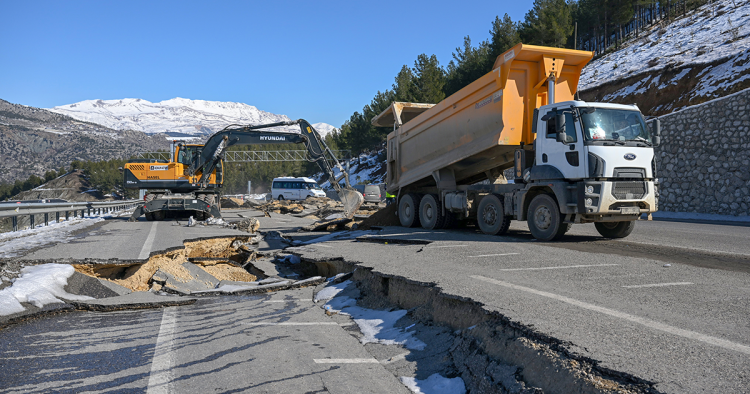
Turkey’s government is prioritizing politics over policy in its earthquake response
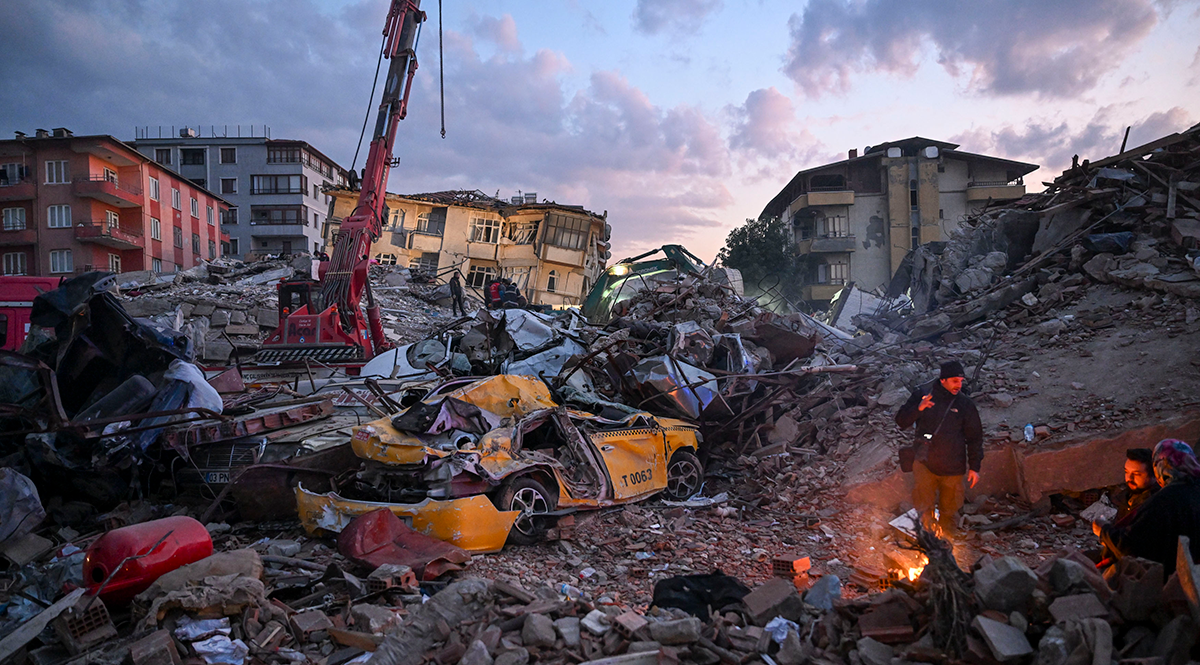
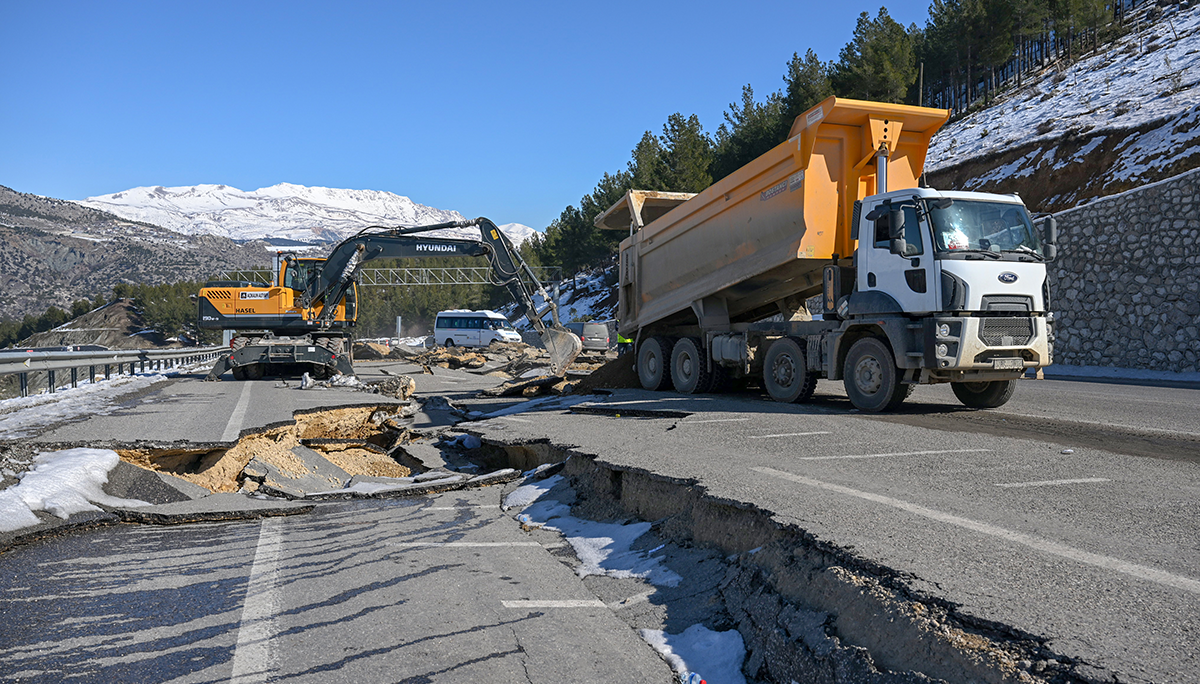
As researcher Dilek Türközü noted, “Geography is destiny, but negligence is a choice.” There was no avoiding tragedy; earthquakes are common in Turkey and the next “big one” is always somewhere on the horizon. The earthquake that shook Turkey and Syria this past week was shocking in its scale; but it was a danger that everyone knew was coming. Unfortunately, Ankara’s response continues to be undermined by its own focus on political loyalty and its lack of tolerance for criticism.
Already vulnerable, Turkey’s economy now faces massive earthquake recovery costs
After a difficult year, things finally seemed to be looking up for Turkey’s beleaguered economy in early 2023. But then on Feb. 6 the worst happened: Turkey and Syria were hit by a pair of massive earthquakes, resulting in tens of thousands of deaths and untold damage. How did Turkey’s economy stabilize in second-half 2022, what do we know about the economic impact of the earthquakes, and where might things be headed going forward?
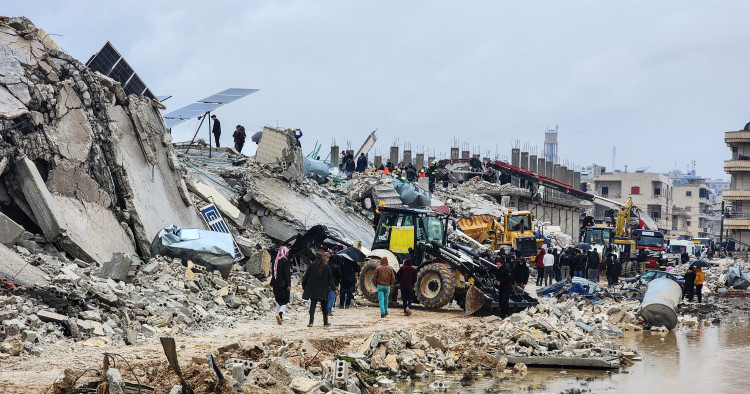
“Please send tents and blankets”: A desperate plea from Syria’s survivors
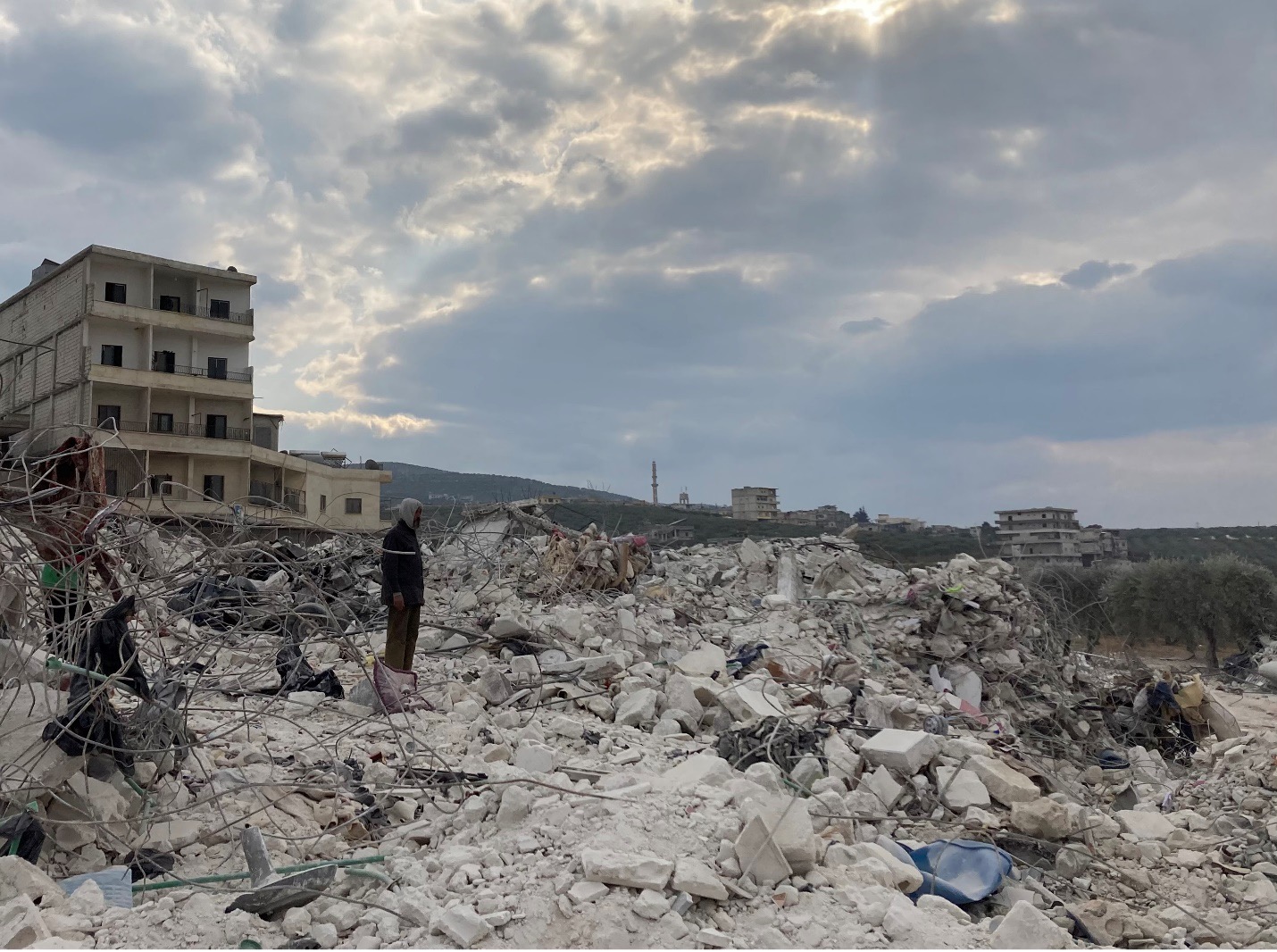
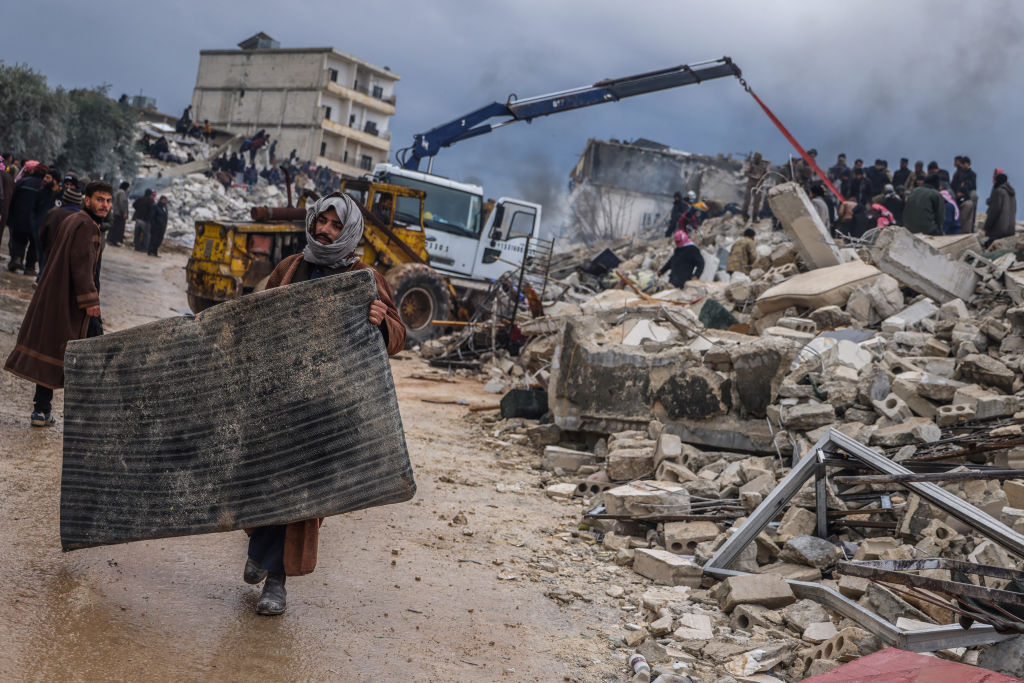
In the center of Harem, Idlib, hundreds of Syrian families huddle around stoves and in tents as they look on at the row of collapsed apartments they used to call home. “This disaster hasn’t happened to Syria in a thousand years,” says Abu Ahmed, the director of the new camp. “The international community must witness what is happening to us and help.”
How corruption and misrule made Turkey’s earthquake deadlier
Turkish President Recep Tayyip Erdoğan hollowed out state institutions, placed loyalists in key positions, and enriched his cronies — paving the way for this tragedy.
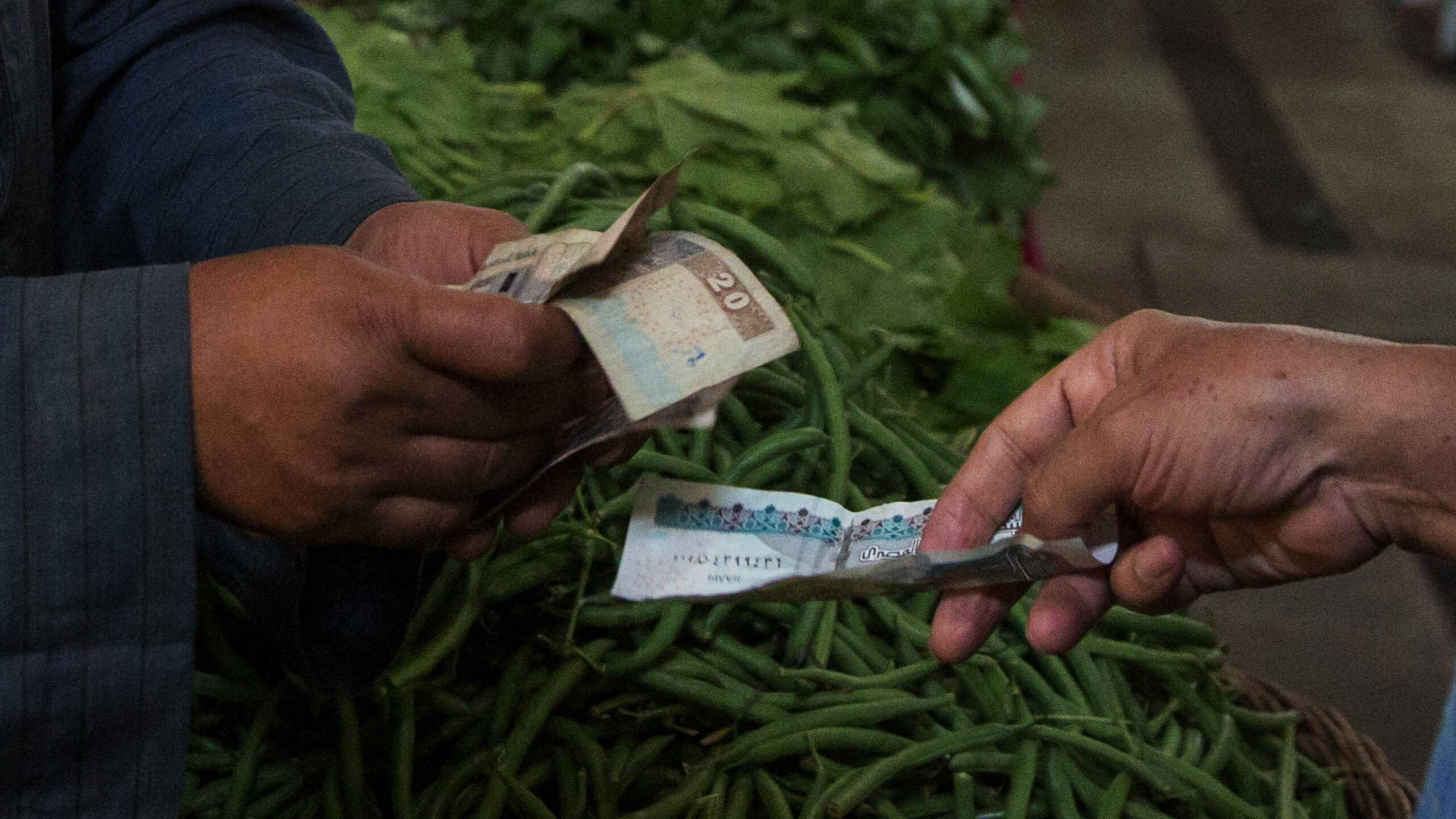
Egyptian government walks risky economic tightrope to fulfill its loan conditions to IMF
As a condition of its $3 billion loan from the IMF, the Egyptian Central Bank confirmed its pledge to maintain a durably flexible exchange rate. The Egyptian pound quickly and sharply dropped, but economists are cautiously optimistic that Egypt can sustain the current crisis and repay its debts. The government is walking a tight rope, attempting to raise revenues and attract investments without exacerbating the tough living conditions at home.
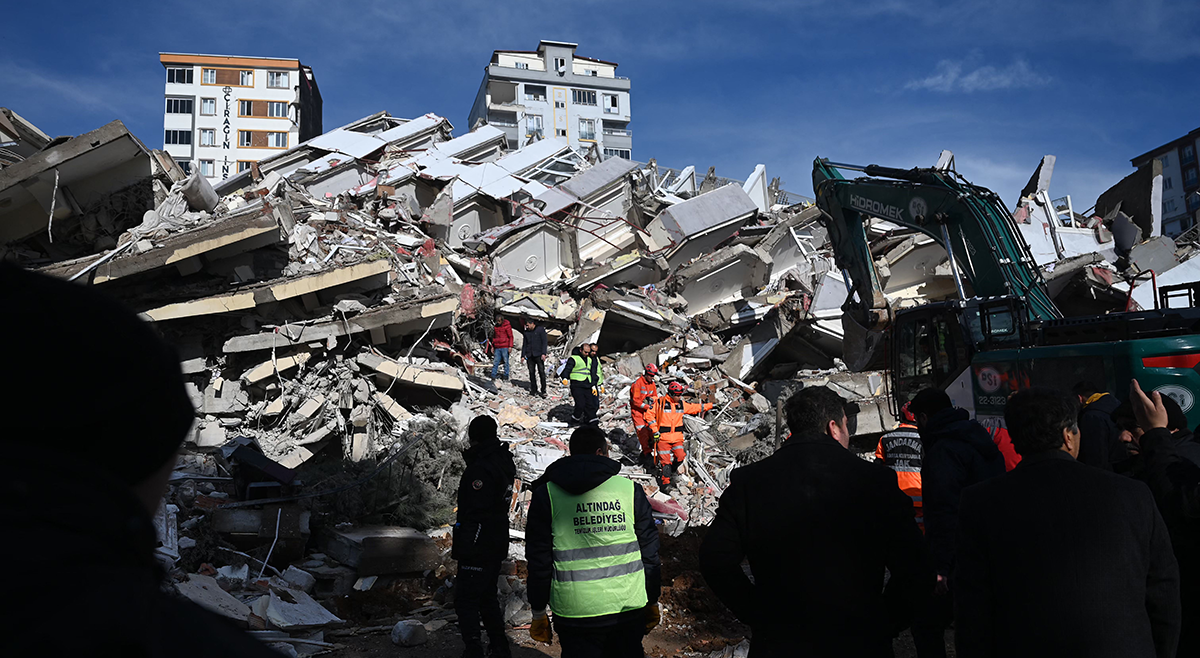
Turkey’s earthquakes: A monumental crisis and a political test for Erdoğan
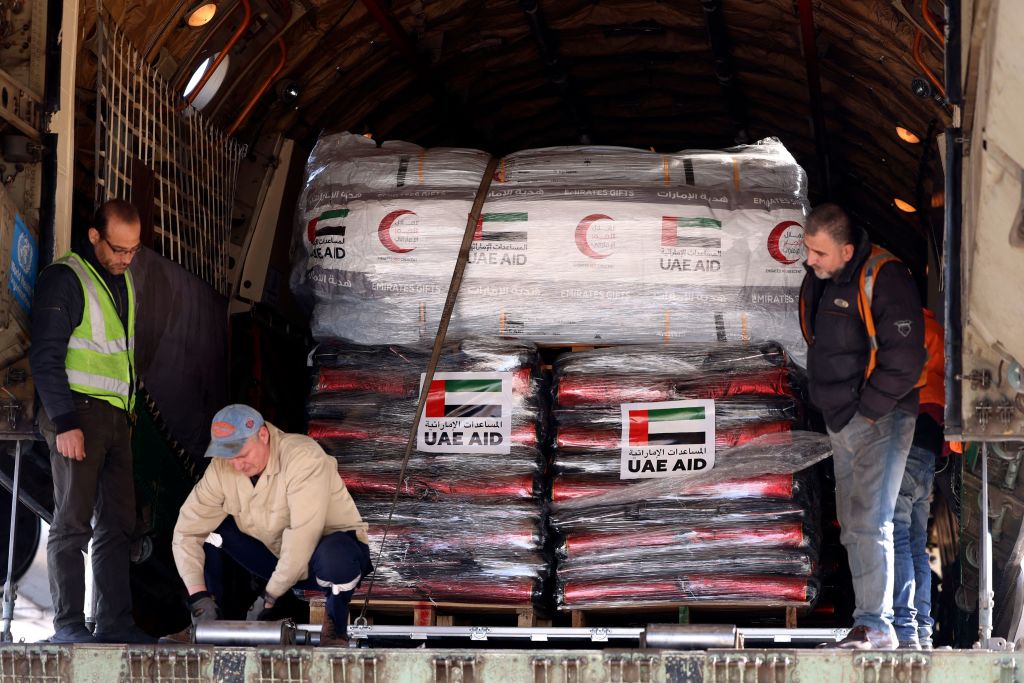
The earthquakes that shook Turkey and Syria in the early hours of Feb. 6 represent a shocking human tragedy, with casualties already in the thousands. Hundreds of thousands, if not millions, have been rendered homeless in the cold and wet of winter. There is no overstating the human suffering. This natural disaster is, at the same time, a clear political test for the current AKP-MHP government, one that will gauge its efficacy and legitimacy only months before critical elections, set to be held on May 14.
The Middle East in an era of great tech competition
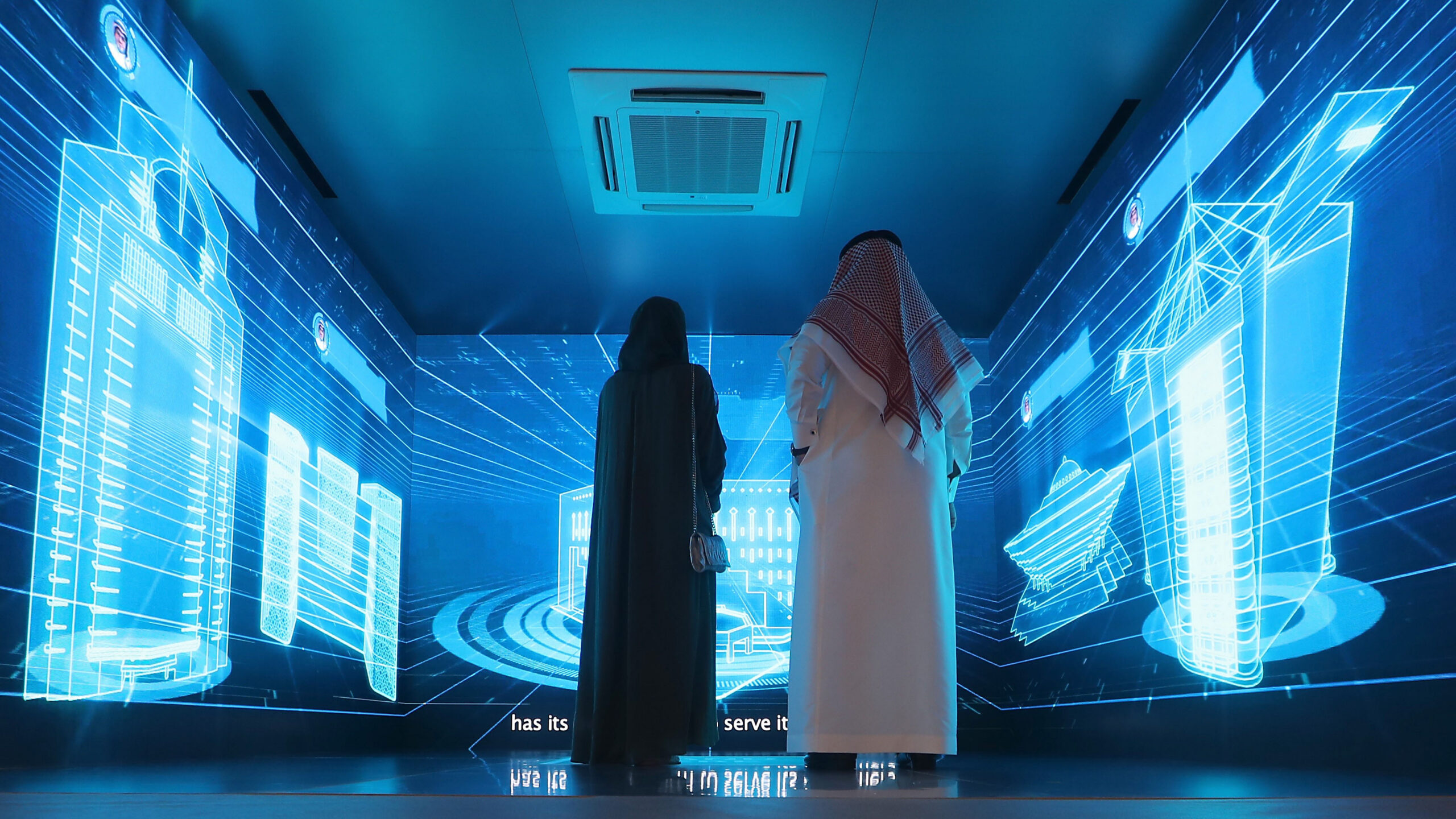
With the acute impacts of US-Chinese global tech decoupling becoming clearer, MENA is slowly emerging as an important region to watch. Economic and geopolitical ties with the West have long dictated the shape of the region’s digital environment, but more recent great power competition and Middle Eastern countries’ pursuit of economic and technological sovereignty have slowly deconstructed these dynamics.
Gender gaps in MENA remain stubbornly entrenched, despite positive trends
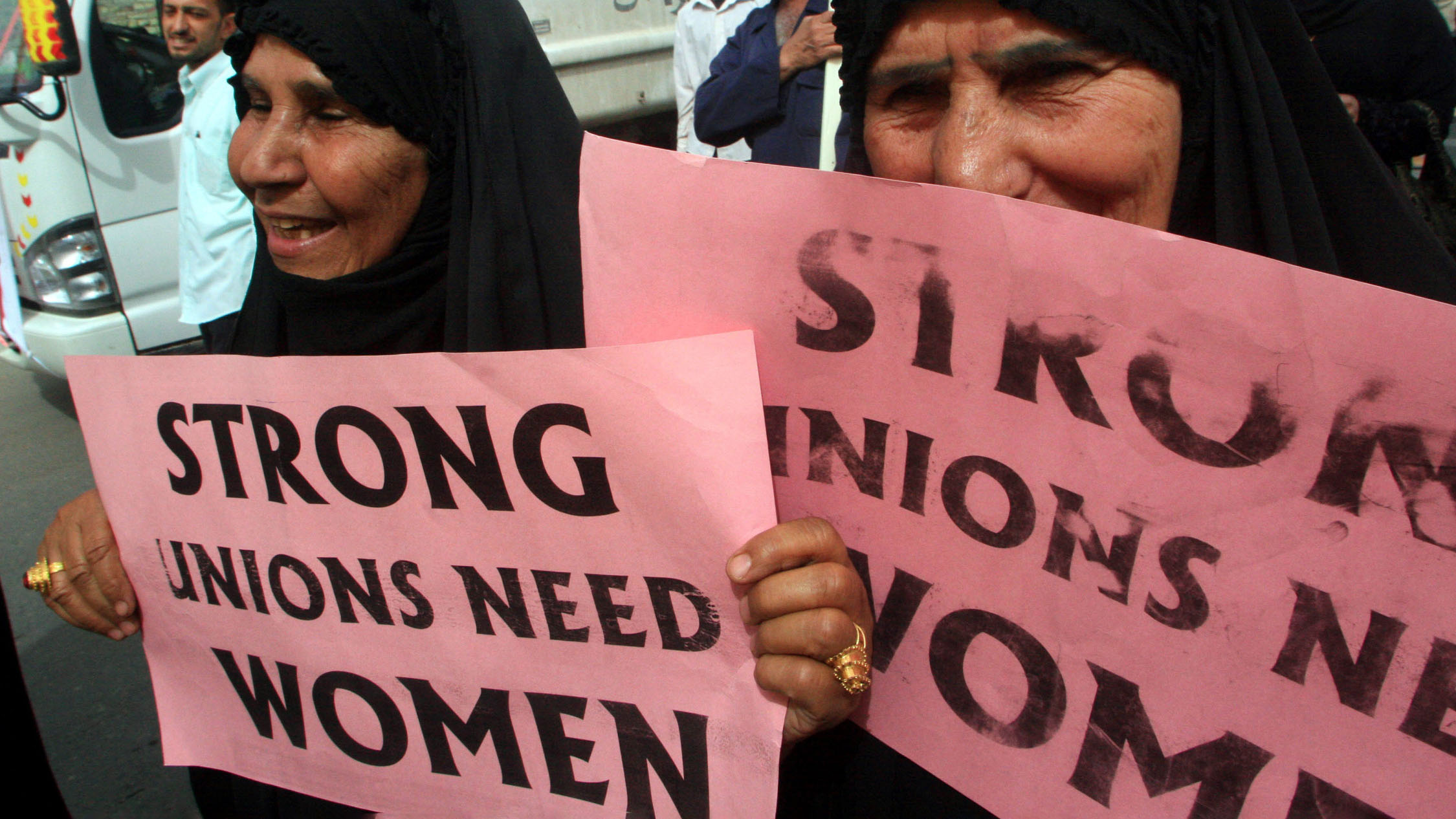
Key findings from the latest Arab Barometer survey, its seventh wave, reveal that, despite some political gains in several Arab states, clear majorities in the 12 countries in which the survey was conducted still hold traditional views on gender norms.