This individual is a guest contributor. MEI is not able to assist with contact requests.
Attiya Ahmad is Georgetown University’s 2009-10 Center for International and Regional Studies Post-Doctoral Fellow. She recently completed her PhD in Cultural Anthropology at Duke University. Dr. Ahmad’s work brings together scholarship on Islamic studies, globalization, diaspora and migration studies, economic anthropology, and political economy.
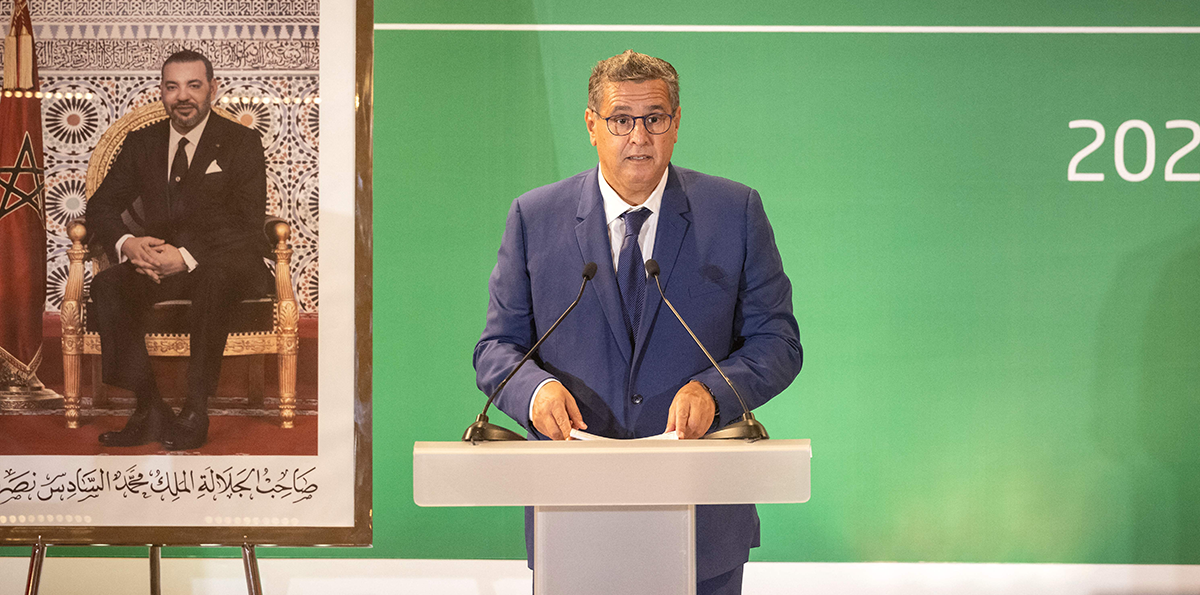
Morocco’s new government lays out budget priorities, but can it pay for them?
After two months in power, Morocco’s new government has indicated that it wants to prioritize social development and post-pandemic recovery as the country reels from the prolonged impact of COVID-19. However, macro-economic stabilization, constrained financial resources, and increasing defense spending are limiting the extent to which the state can effectively pursue and finance much-needed social development plans.
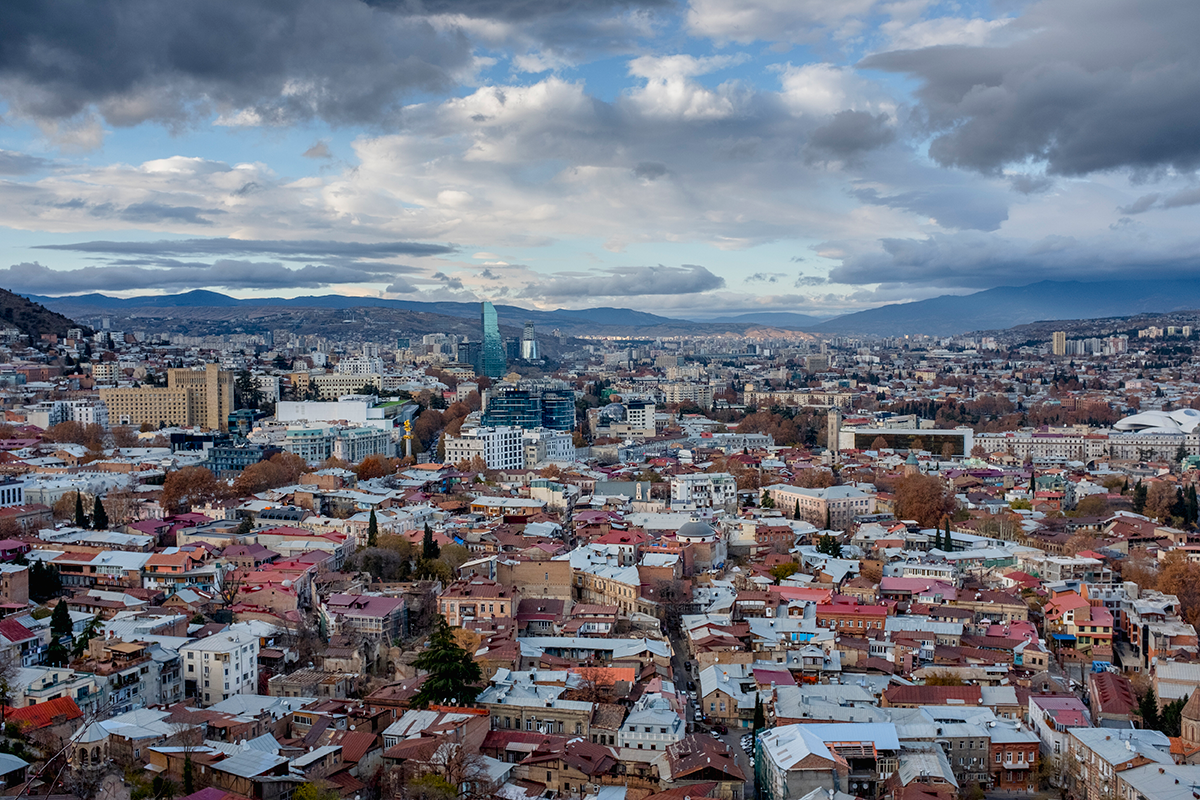
In the aftermath of the fragmentation of the USSR, the South Caucasus region went through a period of transformational change, during which it had to redesign and rebuild its energy systems and energy security routes. The latest U.N. Intergovernmental Panel on Climate Change (IPCC) report demonstrates that anthropogenic warming has caused extreme temperatures, precipitation levels, and drought in the region. While Georgia has significant potential for additional clean energy generation and other climate change measures, the current pace of transformation needs to increase.
مخاوف خامنئي على مستقبل رجال الدين الإيرانيين (الجزء الثاني)
هذا هو الجزء الثاني من سلسلة مكونة من ثلاثة أجزاء
في السنوات الأخيرة، نُشِرت العديد من التحليلات حول النفوذ المتزايد للحرس الثوري الإسلامي داخل النظام الإيراني. لا شك أنه في العقدين الماضيين، ازدادت قوة الحرس الثوري في المجالات السياسية والاقتصادية والأمنية بشكل كبير، ومع تزايد عدد الشخصيات العسكرية أو العسكرية السابقة في إدارة الرئيس الإيراني الجديد، إبراهيم رئيسي، لا يتوقع سوى أن يتجه نفوذ الحرس الثوري نحو مزيد من التوسع.
ميليشيات العراق تسعى لاستغلال وجود القوات الأمريكية
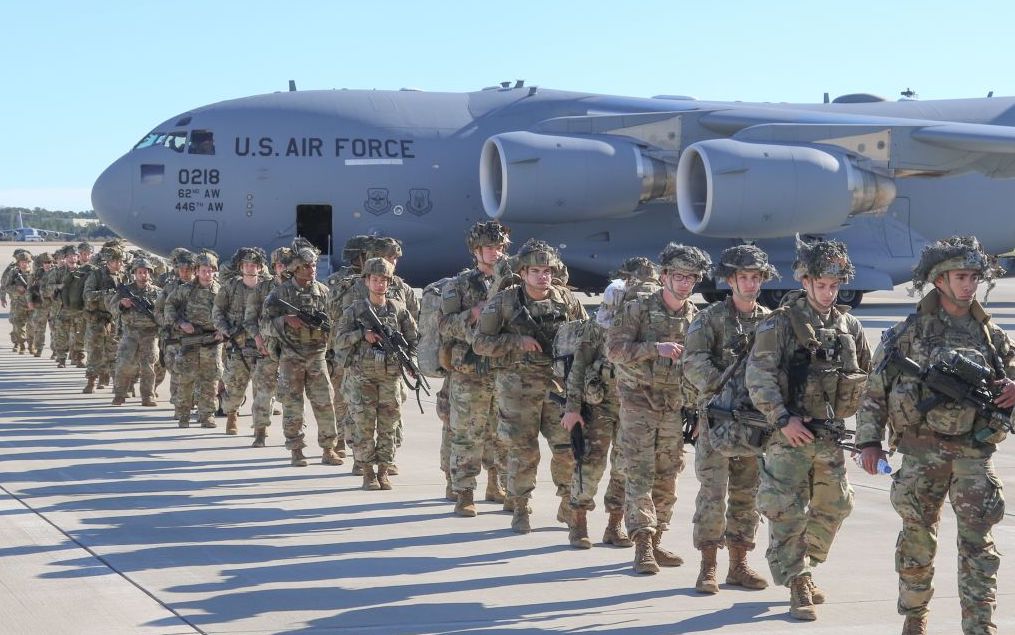
في 9 ديسمبر/كانون الأول، قال الجنرال الأمريكي المسؤول عن التحالف الدولي المناهض لتنظيم الدولة الإسلامية في العراق إن المهمة القتالية الأمريكية قد انتهت وأن القوات الأمريكية لن تقدم سوى المشورة والتدريب والمساعدة والاستخبارات لشركائها العراقيين. لن يغير التحول في الأدوار حجم القوة الأمريكية الصغيرة في العراق كثيرًا، لكن الجنرال فرانك ماكنزي، قائد القوات الأمريكية في الشرق الأوسط، قال في 9 ديسمبر/كانون الأول إن تواجد الناتو في مهمة المساعدة يجب أن يزيد.
Khamenei’s concerns over the future of the Iranian clergy (Part 3)
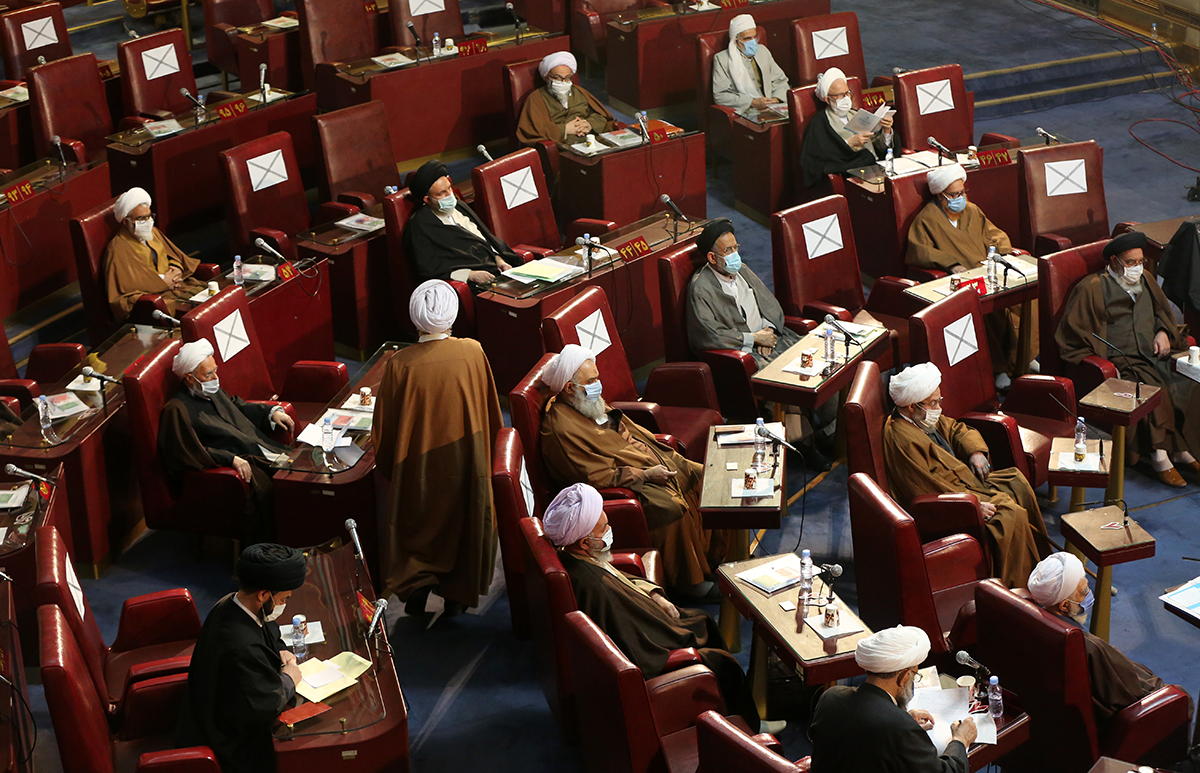
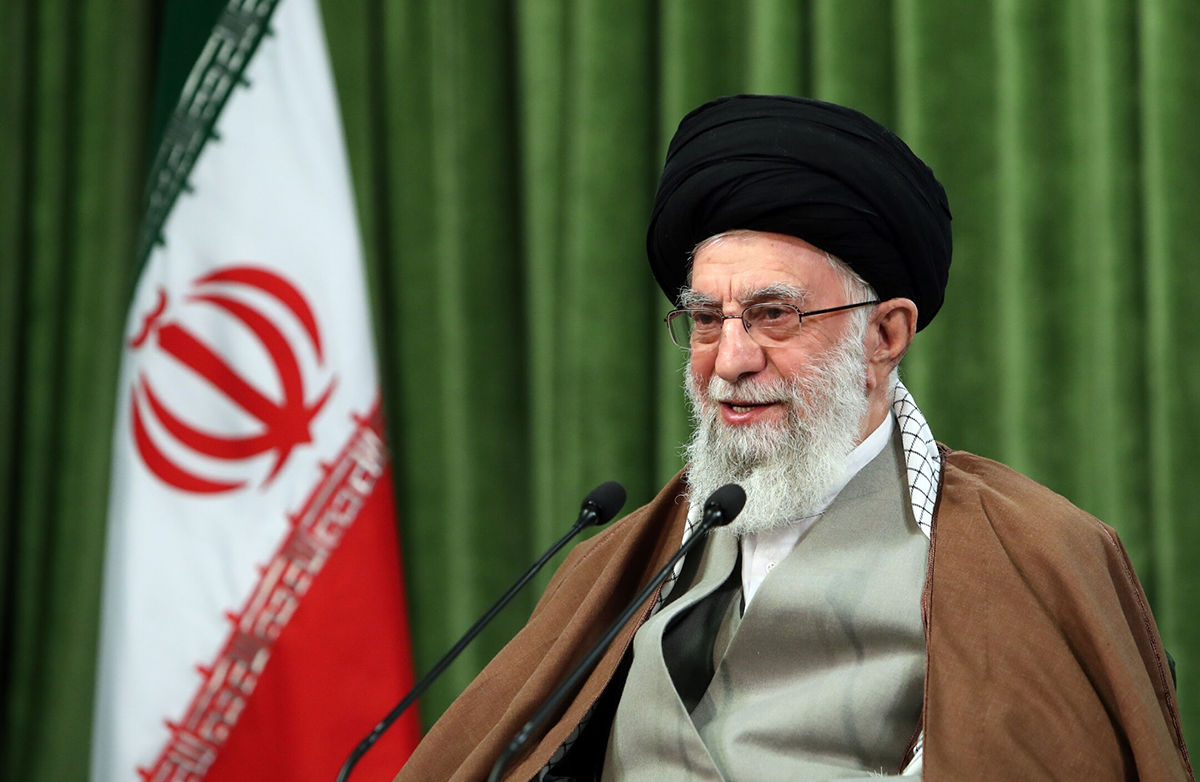
When Ayatollah Ruhollah Khomeini, the founder of the Islamic Republic of Iran, died at the age of 89, he and the regime he established enjoyed the support of most of the country’s high-ranking clerics. His successor, Supreme Leader Ayatollah Ali Khamenei, aged 82, faces a very different situation, however. Most senior clerics apparently do not support him, and the “deviation” of the new generation of clerics has caused growing concerns within the regime.
The post-Hirak presidency: Tebboune’s promises and achievements two years on
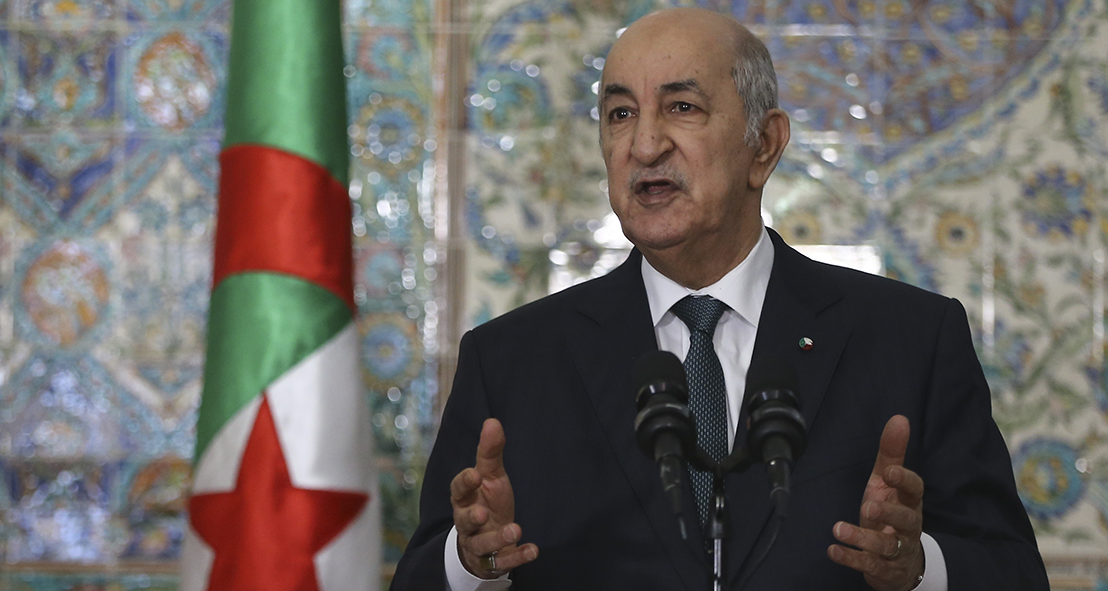
On Dec. 19, 2019, Abdelmadjid Tebboune was inaugurated as the eighth president of the Algerian Republic. He took office in the midst of a turbulent political climate following the 2019 popular uprising known as the Hirak. With the confidence of just 40% of the electorate, Tebboune faced steep hurdles in establishing his popular legitimacy. However, beyond his own support, his presidency was also the response of the Algerian political establishment, centered around the military leadership, to the country’s political crisis. As Tebboune reaches the two-year mark of his term as president, it is a natural time to review his administration’s progress so far and assess how its promises and achievements stack up.
Three signs of impending famine in Syria absent immediate action
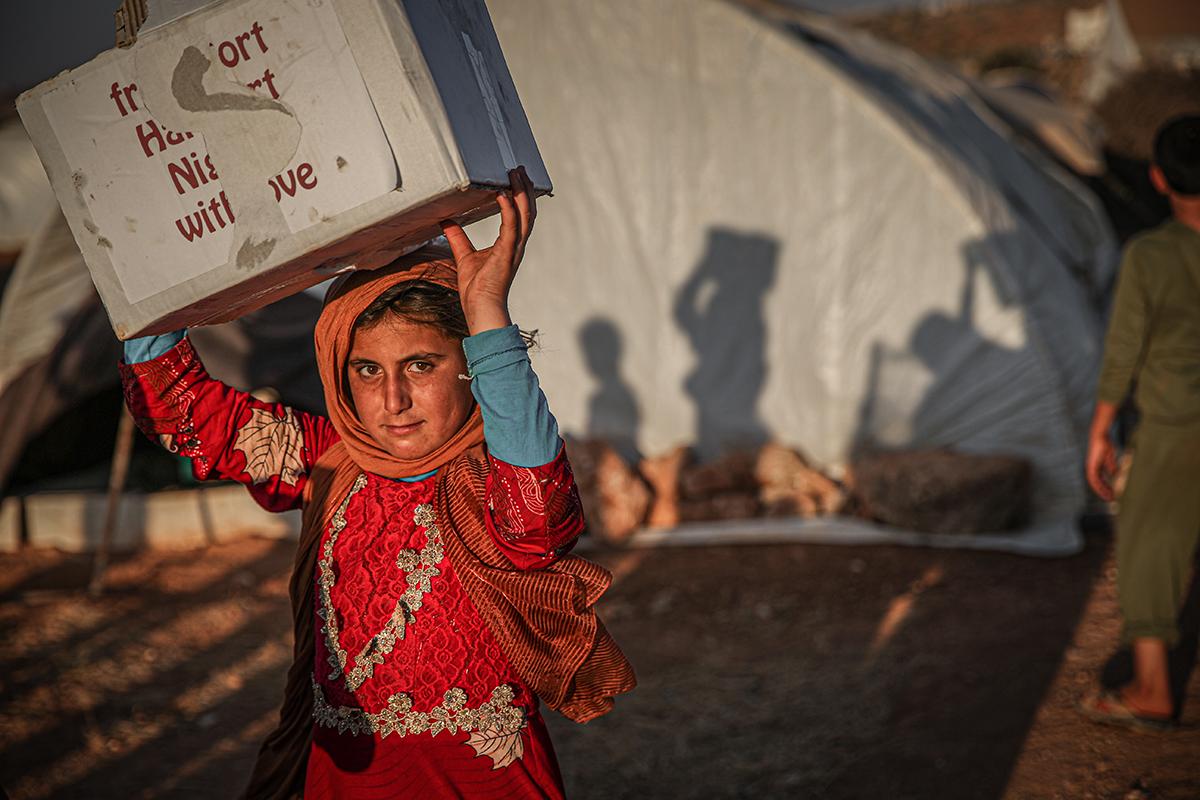
The pace of military action in Syria has plateaued. With the assumption of a frozen conflict comes the attendant assumption that humanitarian conditions are also likely to be stable. This could not be further from the truth. Humanitarian conditions continue to deteriorate, driven by three factors, and urgent action is now needed to avoid a famine.
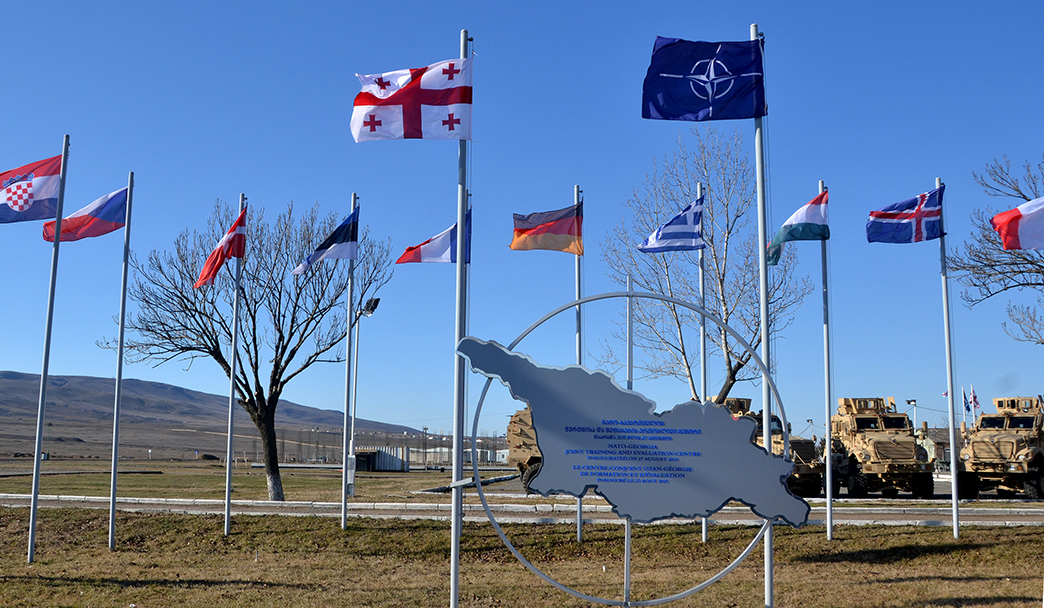
Amid heightened tensions between the U.S. and Russia over Ukraine, the issue of Georgia’s path to NATO membership is once again in the spotlight. While Tbilisi has made real progress in its military reform efforts, the major hurdle is political, not military, in nature and until the Alliance can achieve consensus, the future of Georgia’s relationship with NATO will remain uncertain.
The events of recent months, including a series of critical statements by international players about the reluctance of OPEC+ to raise output beyond its established quotas, have clearly demonstrated the changing realities in the oil market. In addition to global uncertainty, the dynamics between Saudi Arabia, Russia, and the U.S., as well as the actions of Asian oil consumers, have become other key factors shaping the cartel’s behavior.
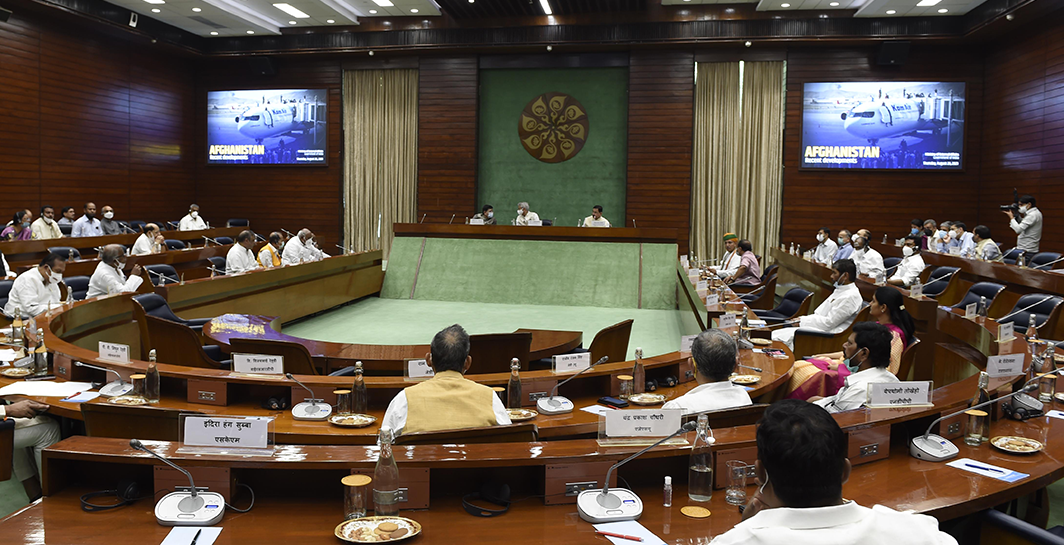
As the humanitarian situation in Afghanistan grows increasingly dire, Pakistan has informed India that it will allow the transportation of wheat and life-saving medicines from India to Afghanistan through its territory, on the condition that only Afghan trucks are used to carry it. The Taliban regime has praised Pakistan for the move, but will it arrest the decline in India’s fortunes in Afghanistan?
The case for COVID-19 public inquiries for the Arab world
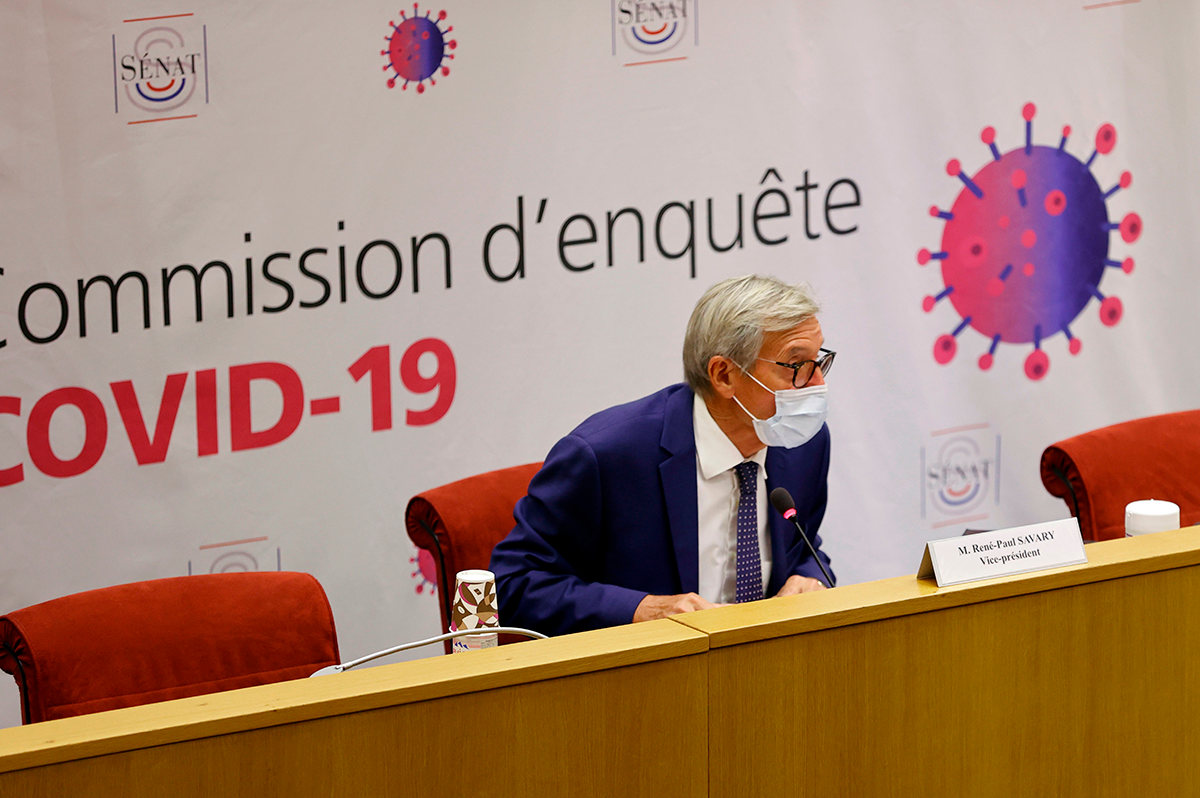
The COVID-19 pandemic has revealed a number of weaknesses in government response, including a fragmentation of the decision-making process, inadequate consultation with experts, opacity of epidemiological data, as well as a lack of health care capacity, collective action, and general preparedness. Perhaps above all though, the pandemic has highlighted the inadequacy of communication with the public and their lack of involvement in the decision-making process. While the novel coronavirus caught all governments by surprise, some governments, especially those that enjoy high levels of trust (and not necessarily the wealthiest ones), have fared better than others. This has prompted some countries to hold public hearings to gain more insight into decision-making during the pandemic and rebuild trust in institutions. Strikingly but unsurprisingly, no country in the Arab world has yet called for a public inquiry into COVID-19. While this is even more relevant for countries that have traditionally enjoyed democratic governance and for countries that have suffered disproportionately rom the pandemic, this exercise could be useful for all Arab countries in regaining the trust needed to better respond to future crises.