This individual is a guest contributor. MEI is not able to assist with contact requests.
Attiya Ahmad is Georgetown University’s 2009-10 Center for International and Regional Studies Post-Doctoral Fellow. She recently completed her PhD in Cultural Anthropology at Duke University. Dr. Ahmad’s work brings together scholarship on Islamic studies, globalization, diaspora and migration studies, economic anthropology, and political economy.
Breaking the Mold: Can the MENA Region Be a Leader in Inclusive Capital?
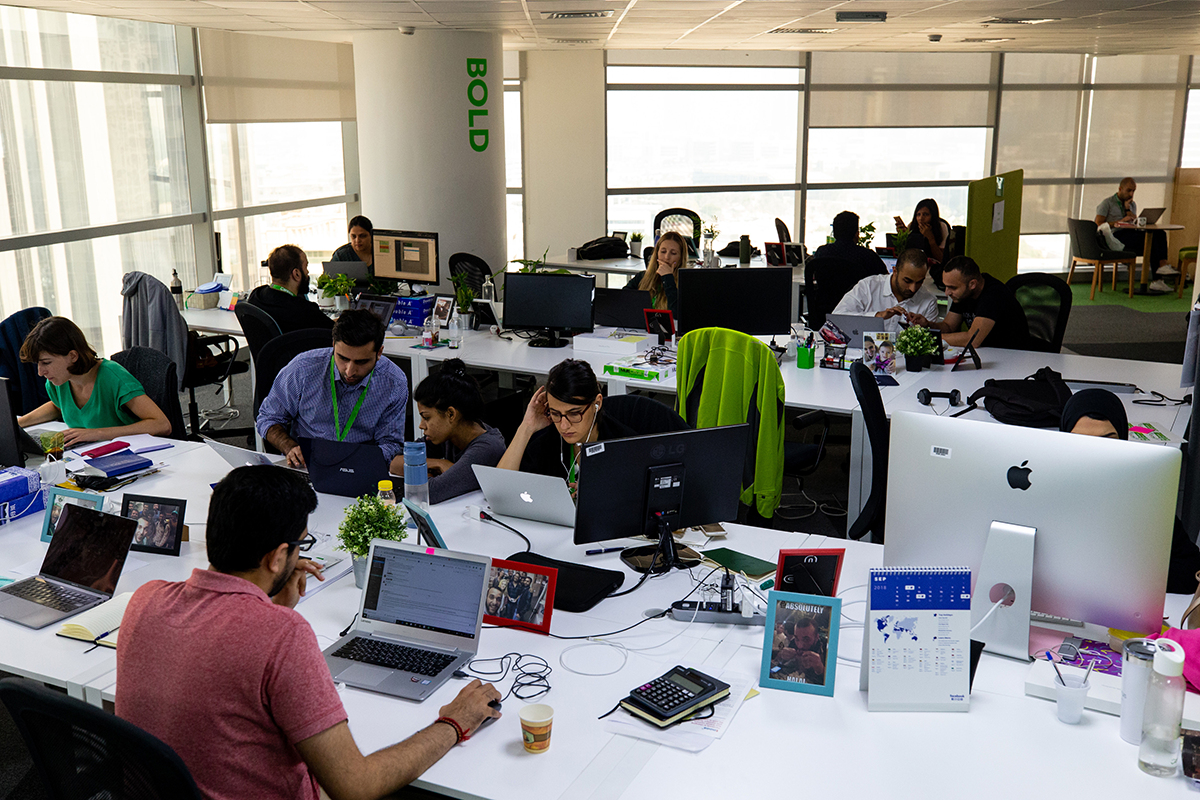
Maktoob’s exit, which took place more than a decade ago, sparked a “Cambrian moment” of entrepreneurship and innovation that has continued to create value for people across the region today. Ex-unicorn employees are also defining the startup ecosystem in MENA. The question for us in the region is: how can we make sure we move beyond a “mafia,” which lends itself to exclusivity, to something that is truly inclusive?
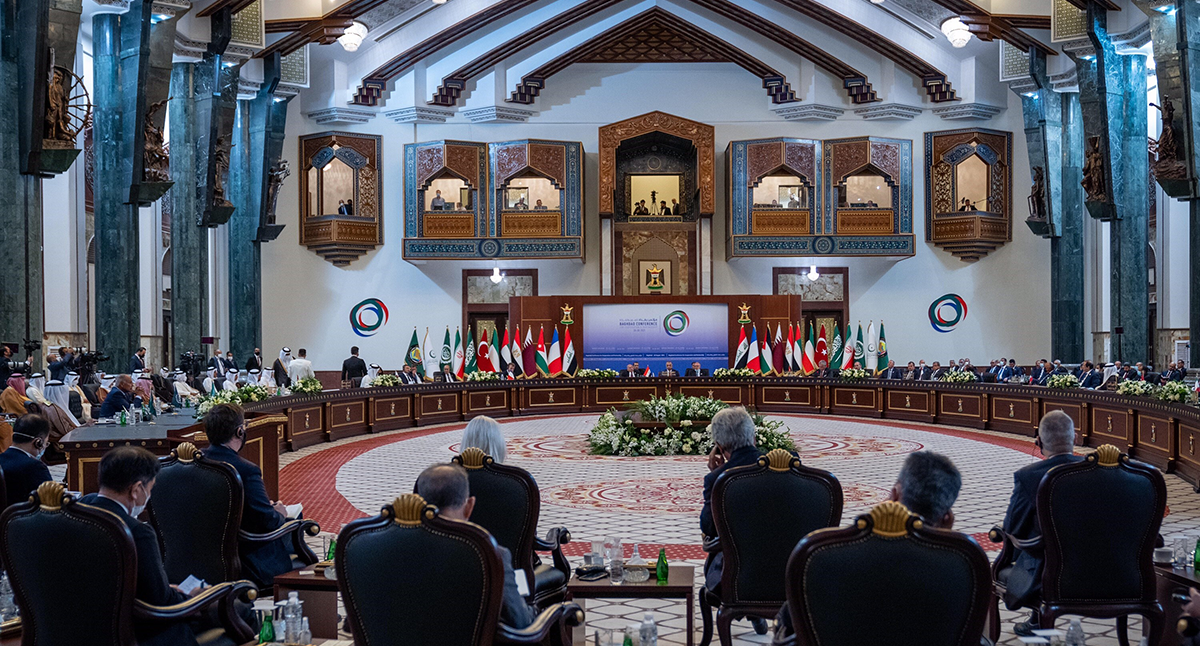
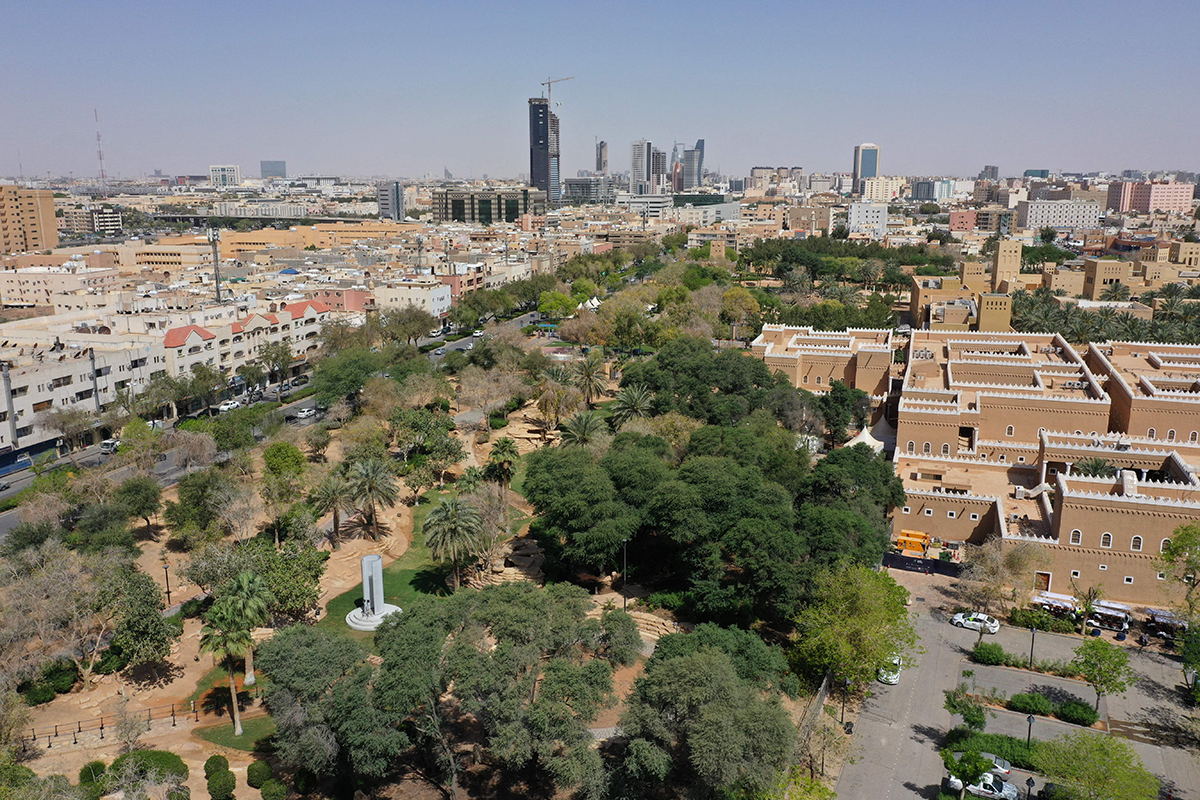
Iran is a neighboring country for Saudi Arabia and we from the Gulf states respect its people and culture, sharing many similarities as nations throughout different historical periods. However, there are, unfortunately, profound disagreements that have significantly increased since the 1979 revolution because of Tehran’s foreign policy approach based on ideological promotion and projection.
A Revolution in Education: What Lies Ahead for MENA
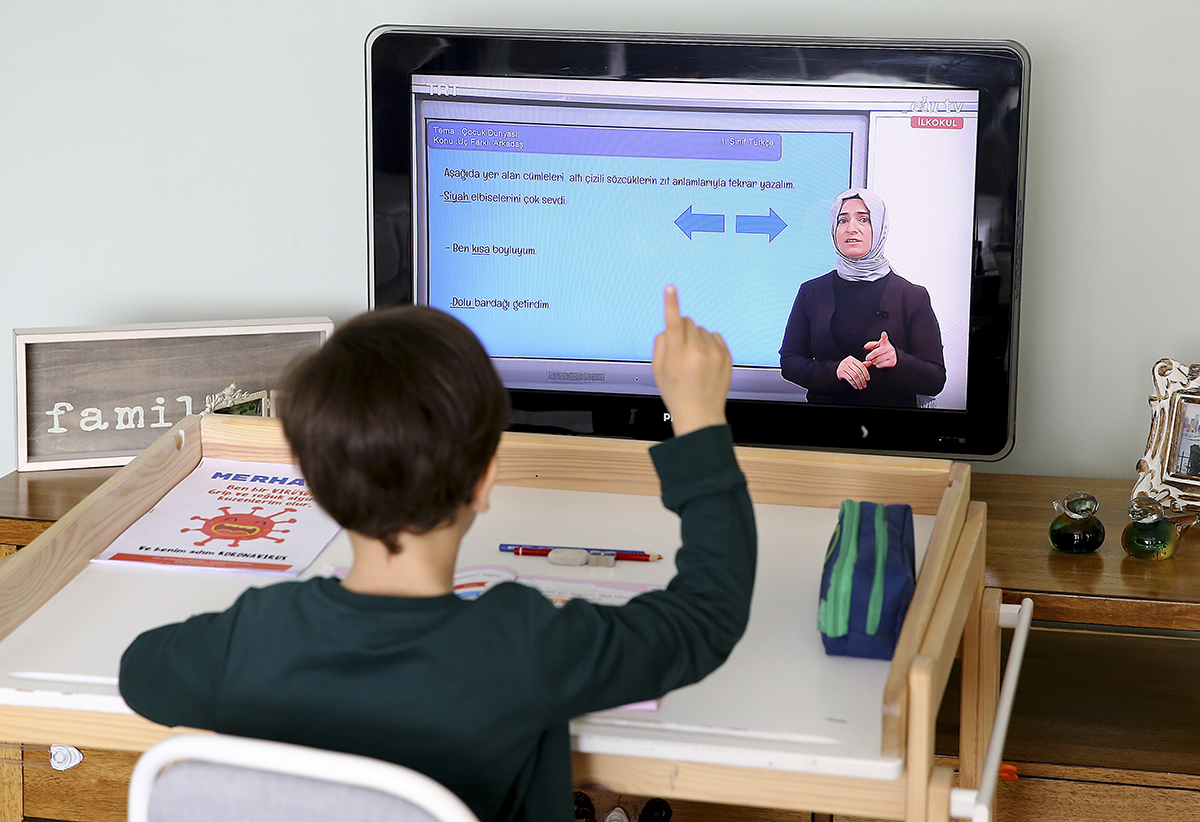
The internet is reshaping the way we learn. Before the COVID-19 crisis, the idea of online learning was already in the air and taking hold fast. The last decade has seen the rise of Massive Online Open Courses (MOOCs), the creation of online marketplaces for education, and new alternatives to college like coding bootcamps. But the pandemic rocked the foundations of the learning industry and the next 10 years promise to deliver a revolution in education.
Connecting the Dots: How the Middle East Can Make the Transformational Pivot to the New Reality
The pandemic has shaken up economic systems and brought forth unprecedented challenges, as we are all aware. However, I also believe that the “new reality” we are confronted with today is actually one that presents us with an opportunity: to prepare for a future we can own by connecting the dots between critical sectors.
How can the Middle East Better Prepare for the Pandemics of the Future?
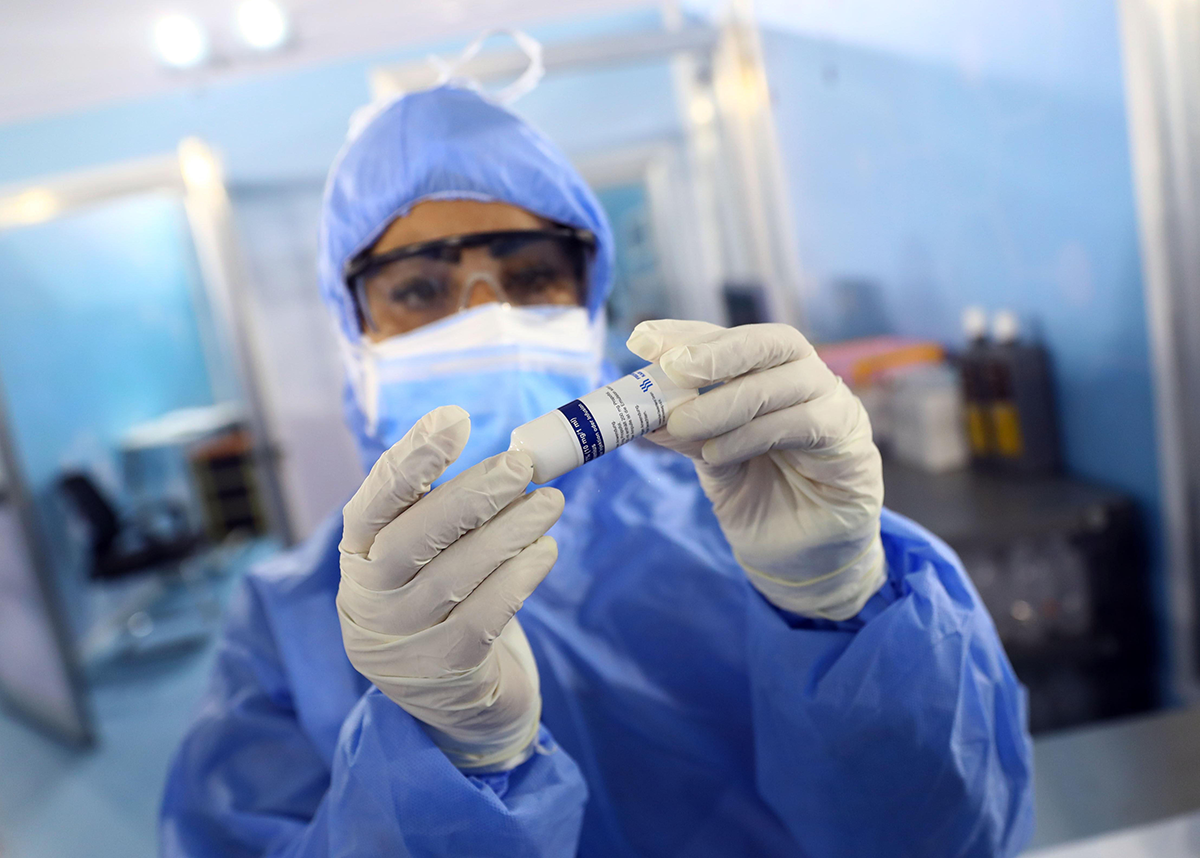
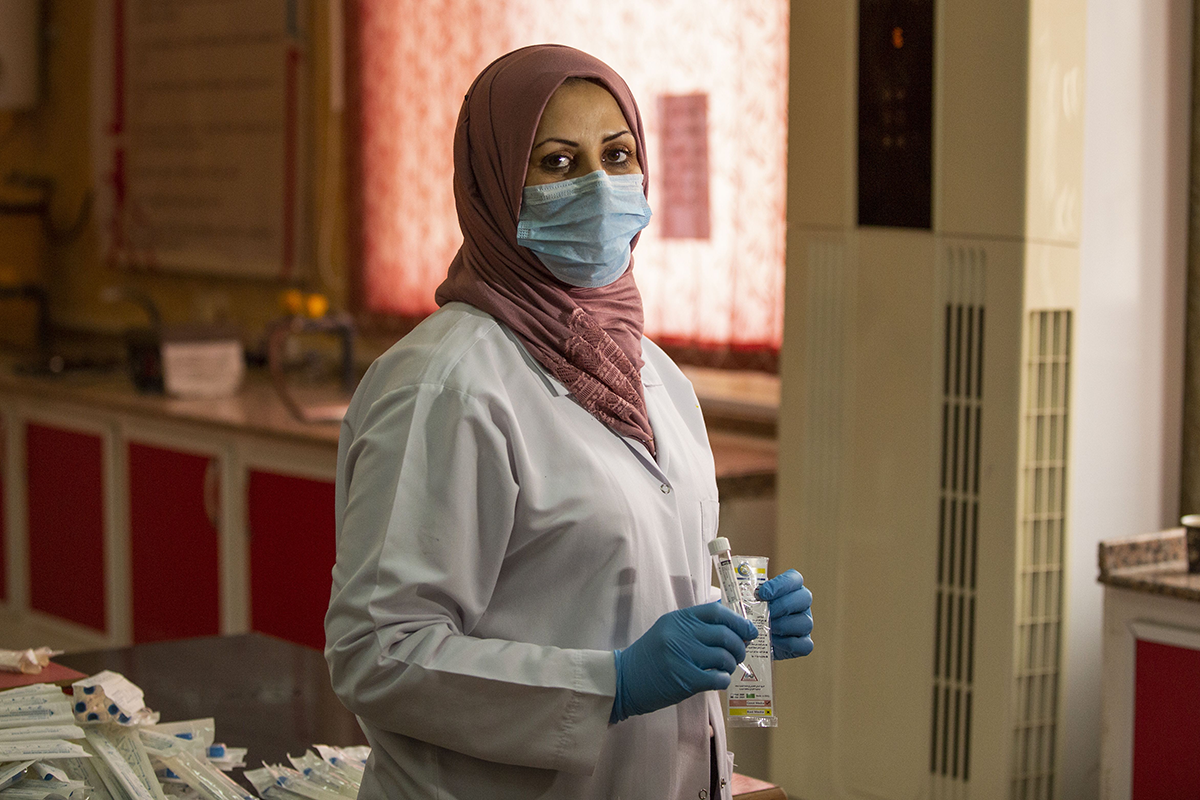
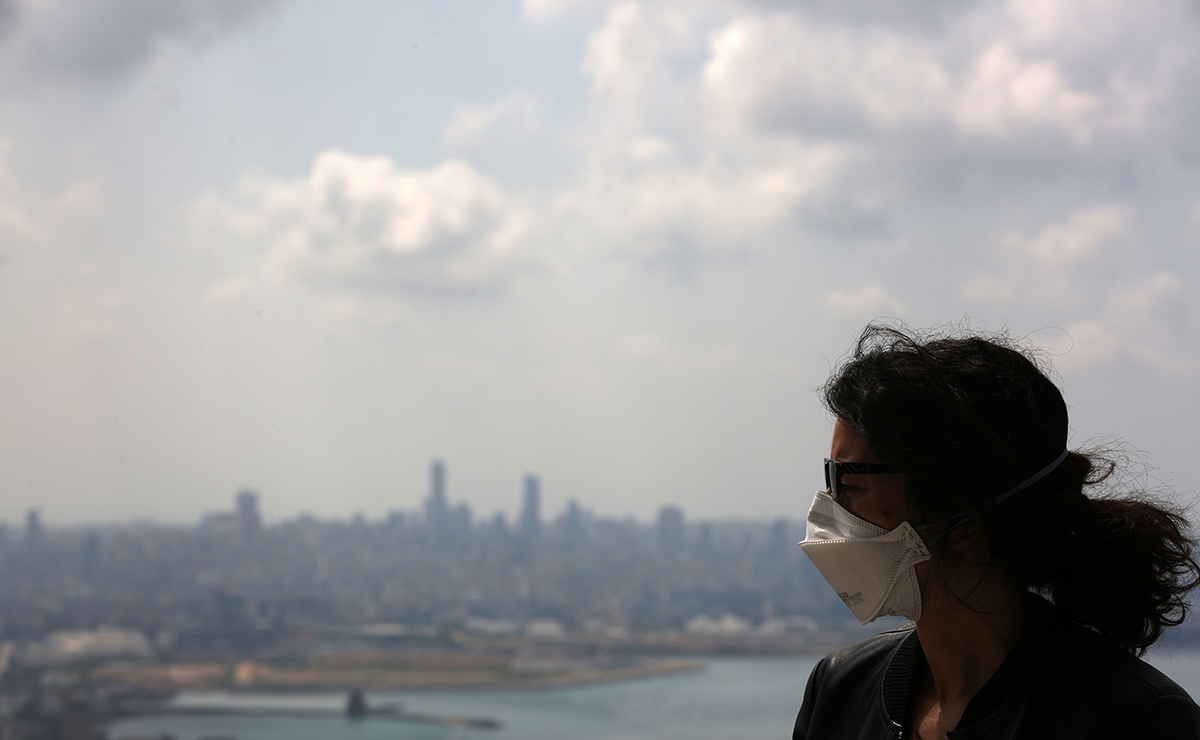
Several countries in the Middle East had devised preparedness plans in response to recent respiratory epidemics, and COVID-19 has tested them. For example, Egypt’s plan was greatly modified in response to the H1N1 epidemic, first recognized in 2009, and Saudi Arabia’s in response to the MERS coronavirus, first recognized in 2012.
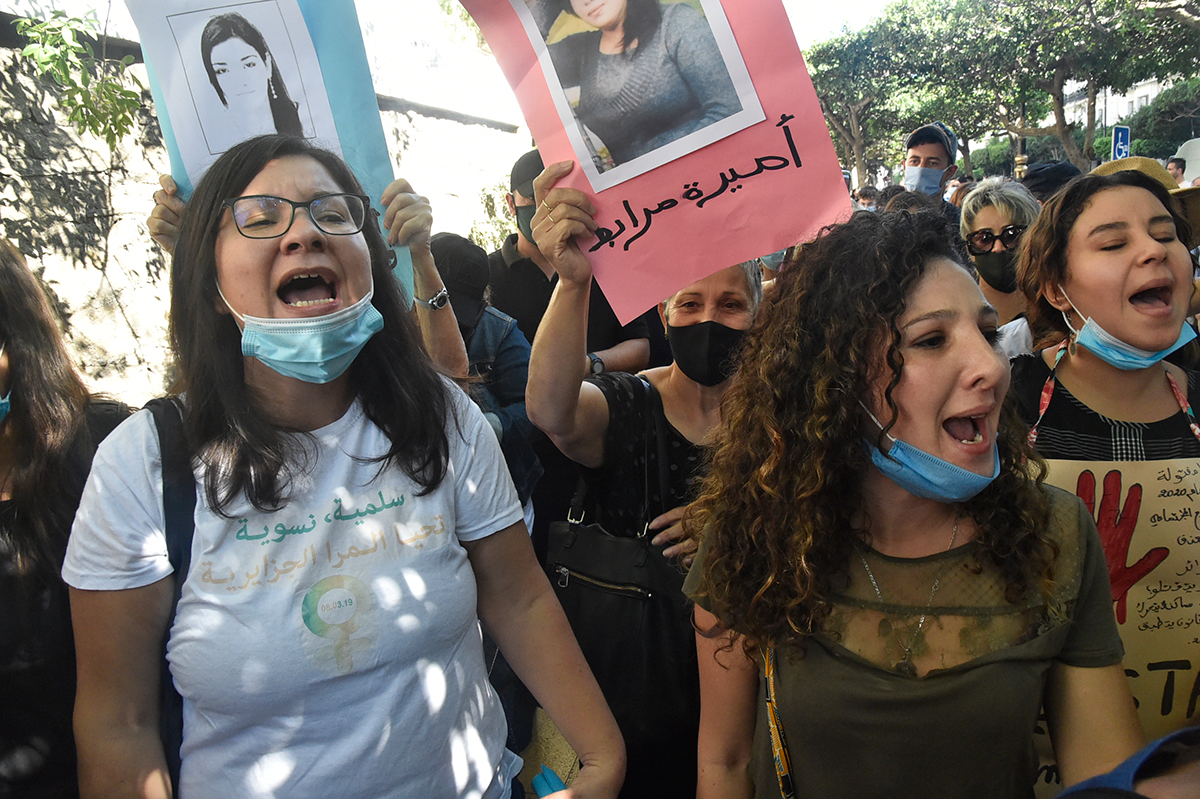
The Arab region’s diverse collection of 22 countries has one thing in common: Women continue to experience a backlash against their own long-overdue rights and fundamental freedoms. A combination of patriarchal structures, prolonged insecurities, and protracted crises means that this region ranks the lowest in the world in terms of women’s rights, with a gender gap that needs 153 years to close. No Arab country is even among the top 100 on this list.
The Primacy of the G Word: Governance, Not Only Growth
No one should deny the primacy of security concerns in the Middle East given the number of conflicts, of displaced people and refugees, and of implicated regional and international powers. What should inform future strategies and action plans, however, is the equal importance of maximization of well-being, liberty, and dignity for all.
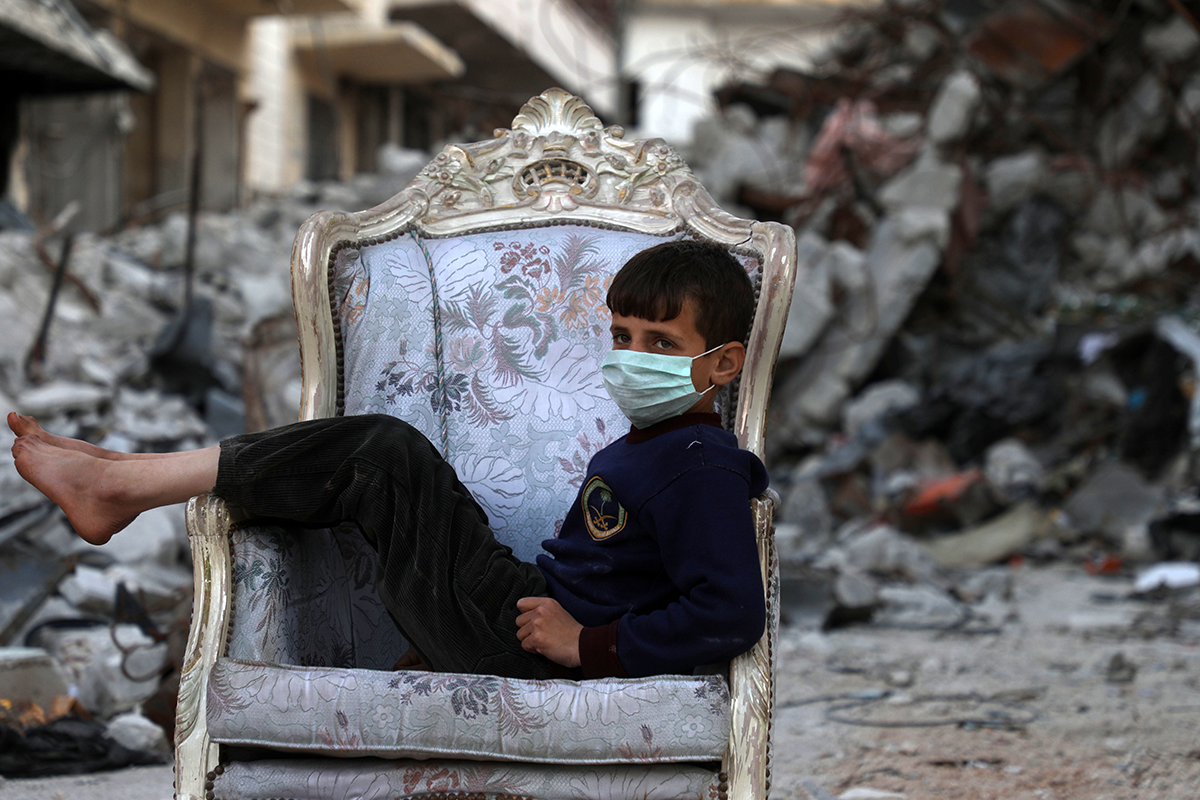
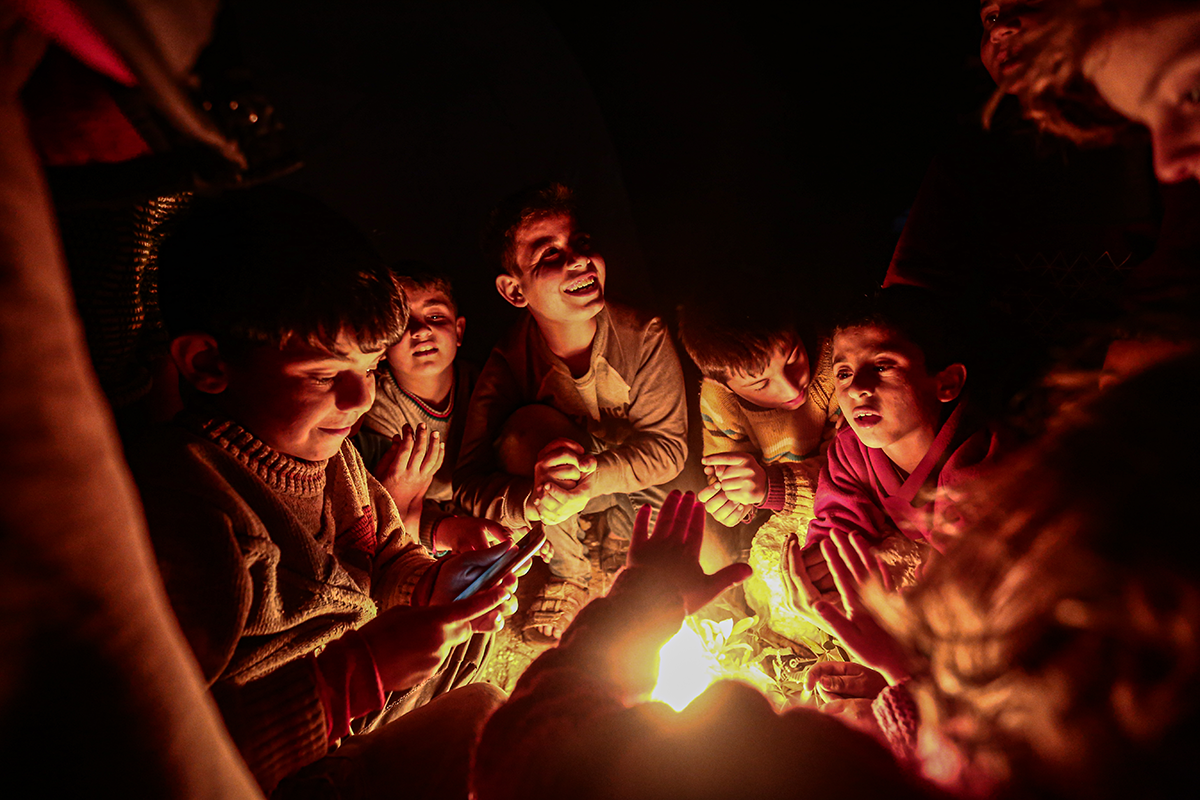
The last year and a half has been tough on the world. The COVID-19 pandemic affected all aspects of life. We have done what we can to keep the disease at bay, and respected each other by following hygiene and physical distancing rules. Yet for much of the world’s poor — including the 82.4 million displaced people globally — the lockdowns were catastrophic, plunging millions into poverty, risking eviction and forced into overcrowded shelters. If you are living hand-to-mouth, only able to buy food and pay rent based on what you have earned that day, staying at home is impossible. And for refugees and other forcibly displaced persons fleeing persecution and conflict, keeping safe at home is not even an option.
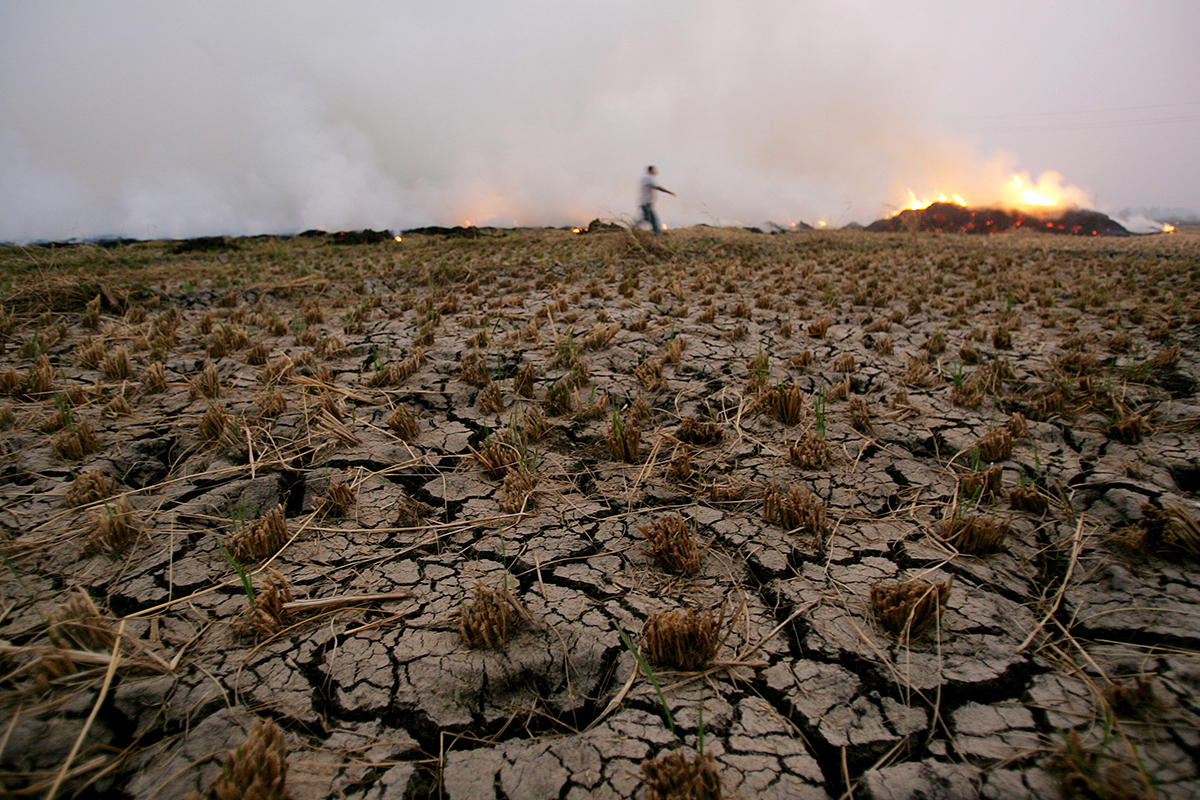
Projecting the Middle East into the future, climate change tops the challenges facing the region. With rising temperatures, higher sea levels, desertification, and the increasing frequency of extreme weather events, climate impacts are widely felt in everyday lives. To be sure, conditions vary given geographic diversity, but while heat stresses may be more extreme in the Arab Gulf, food and water security undermine long-term livability throughout the Middle East.
The most immediate threat posed by climate change to the Middle East, one that will be in the forefront of climate adaptation efforts within the next five years, is extreme heat. Average global temperatures have been projected to increase up to 1.5°C by 2030.
A Window of Opportunity to Avoid Devastating Climate Outcomes in MENA
The latest study released by the Intergovernmental Panel on Climate Change — a body of scientists assembled by the United Nations — delivered a sobering message: The devastating impacts of climate change are now unavoidable.
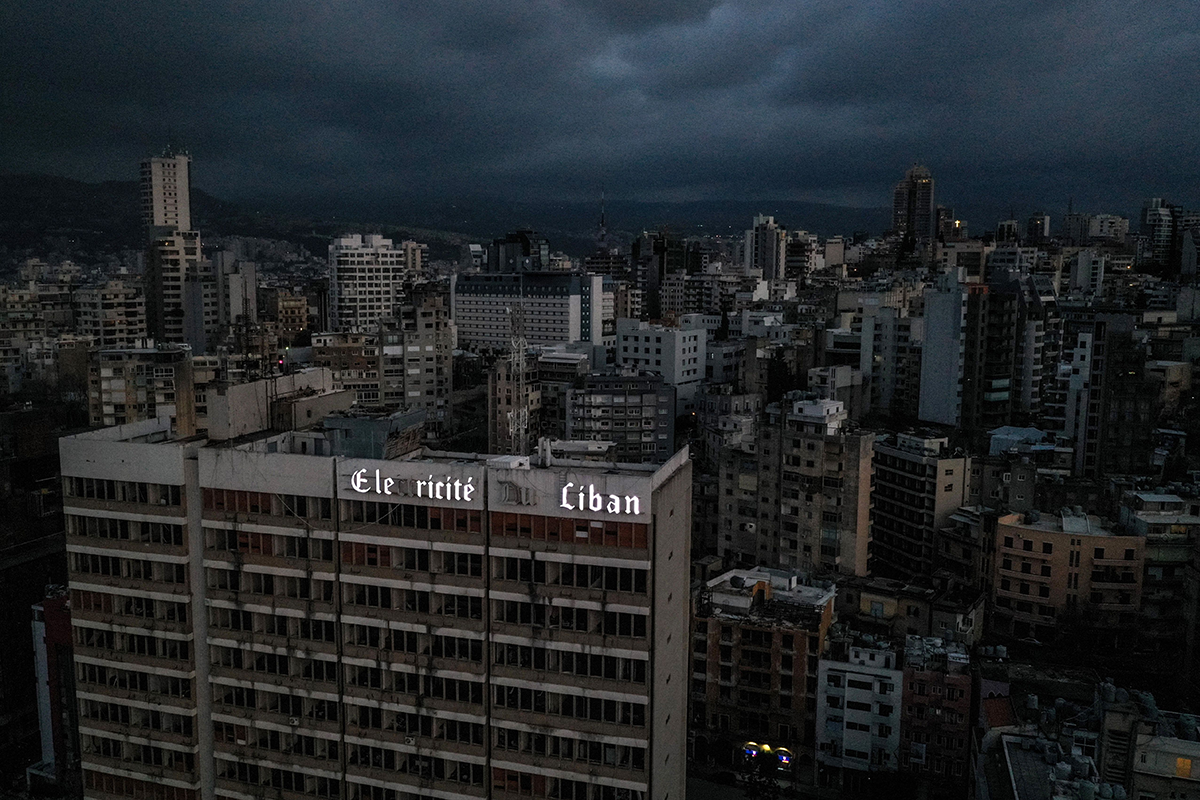
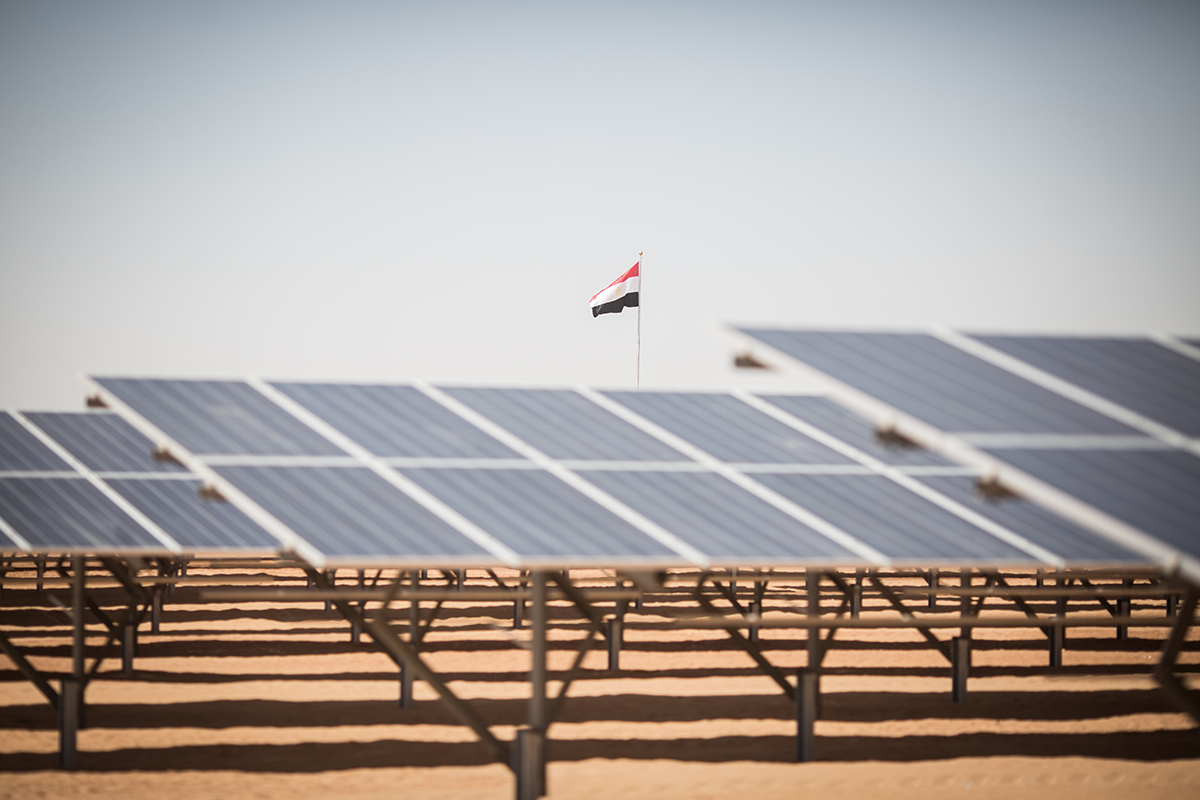
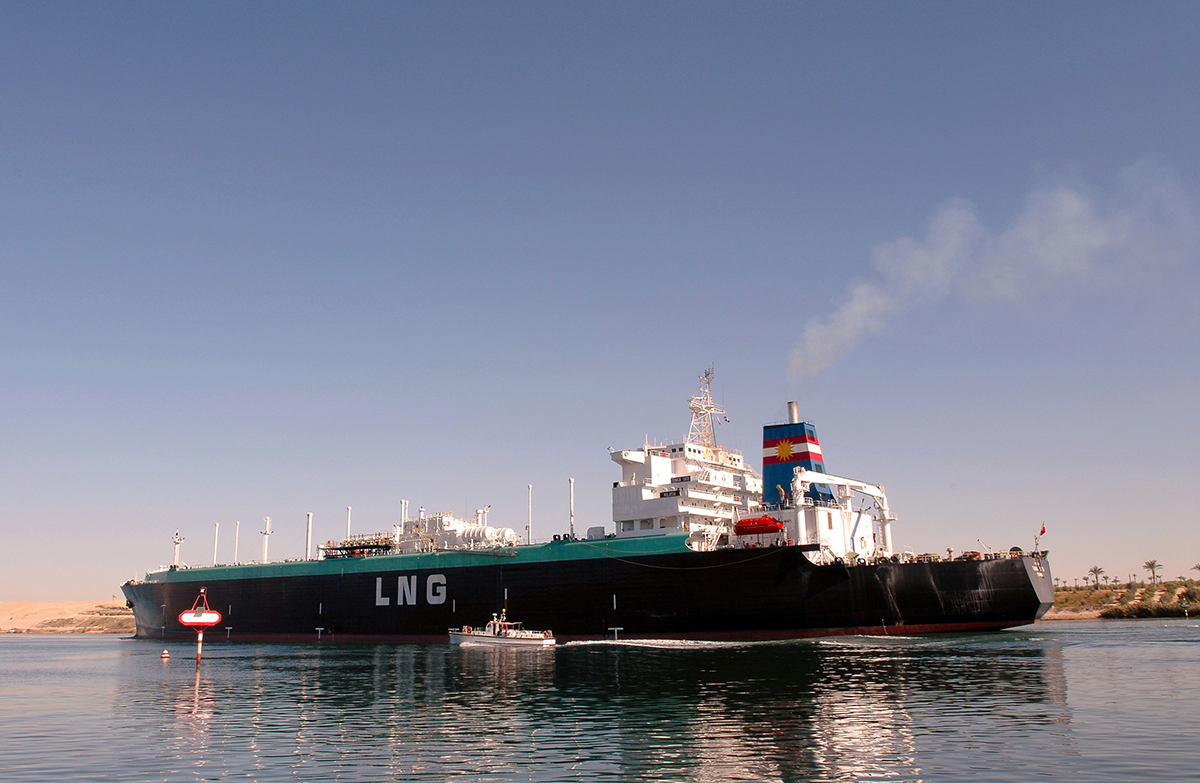
The Middle East is at the center of our global energy transition and we can expect the next five to ten years to be a period of difficult transformation, but also unique opportunity for oil and gas producers.
Building Forward Better in the Middle East and North Africa: A Medium-Term Perspective
The strong and coordinated policy actions to save lives and support the recovery in Middle East and North Africa (MENA) region will hopefully put the health crisis behind us in a few years. Meanwhile, this crisis has posed major challenges to the region’s economies that have embarked on a long and divergent path to recovery and highlighted the limitations of the current growth model. But it also provides a rare opportunity in the quest to move to a new development model to enhance growth and accelerate the transition toward a more sustainable and inclusive path.
America’s reputation and local actors in a trust vacuum
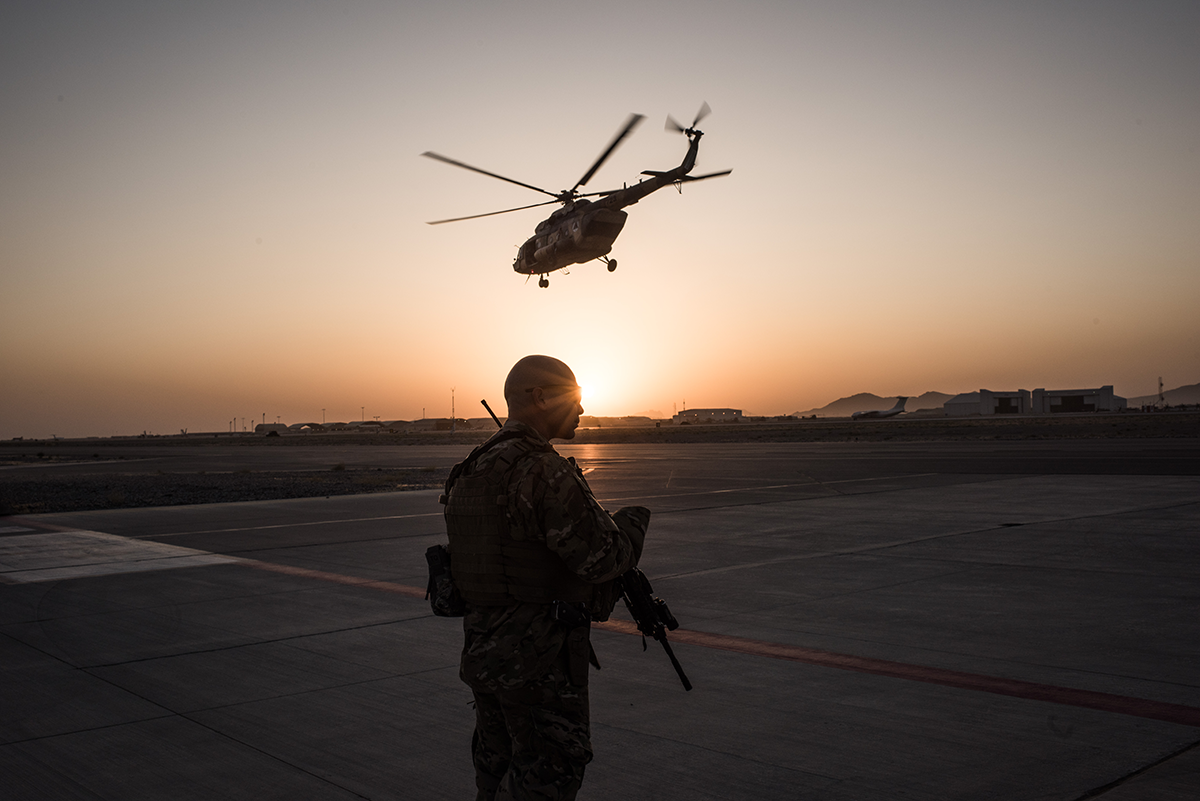
The rapid collapse of the U.S.-supported Afghan government after the withdrawal of U.S. troops raised a number of questions about America’s credibility and reputation in the eyes of its allies, especially those who had participated in and contributed to the 20-year war. Analysts and commentators have focused on how NATO member states or the European Union now perceive the U.S., but it is also important to consider the perspective of non-state groups or individuals who served or could serve as local partners for the U.S. government and military.