This individual is a guest contributor. MEI is not able to assist with contact requests.
Attiya Ahmad is Georgetown University’s 2009-10 Center for International and Regional Studies Post-Doctoral Fellow. She recently completed her PhD in Cultural Anthropology at Duke University. Dr. Ahmad’s work brings together scholarship on Islamic studies, globalization, diaspora and migration studies, economic anthropology, and political economy.
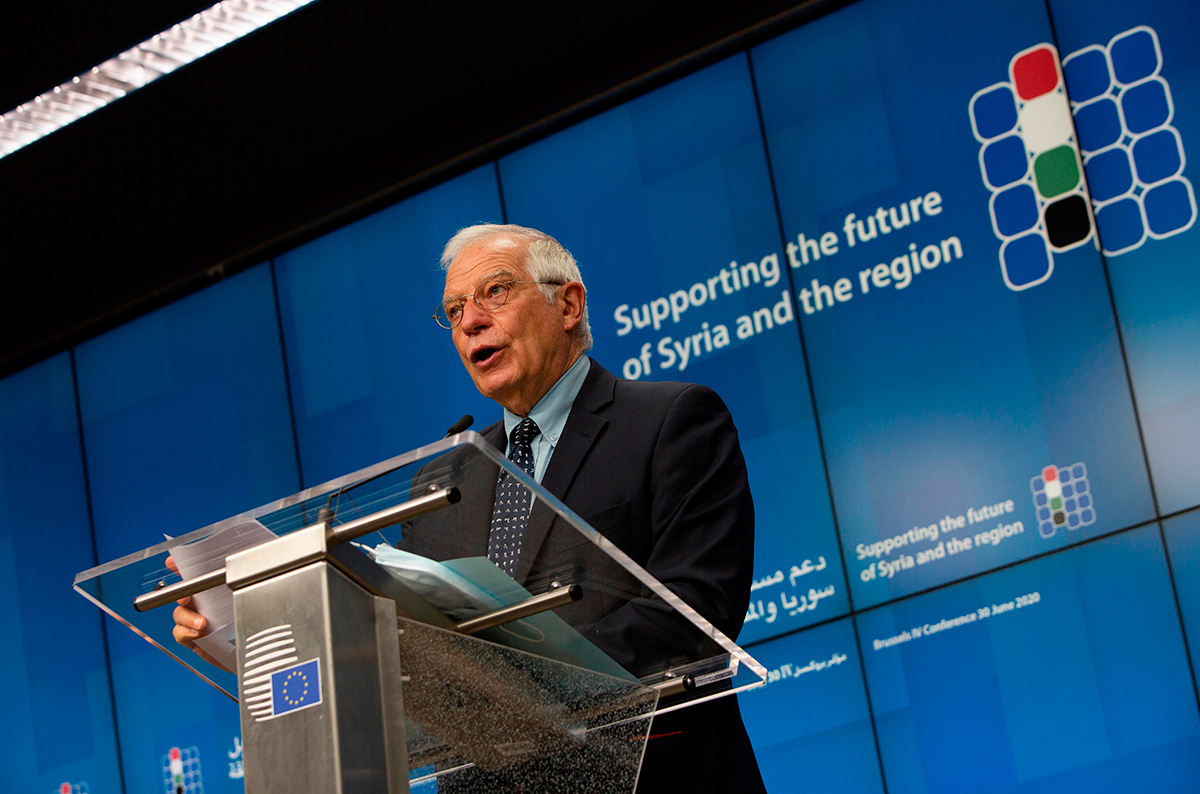
The EU and the Syrian conflict: A decade on, what comes next?
EU institutions and individual member states remain committed to the peaceful settlement of the Syrian conflict, but after 10 years the question of what to do next seems most pressing. Will the EU be a passive bystander, idly watching the actions of other international players like Russia, China, Iran, or Saudi Arabia, or will it take on a more active role? And what would such a role look like?
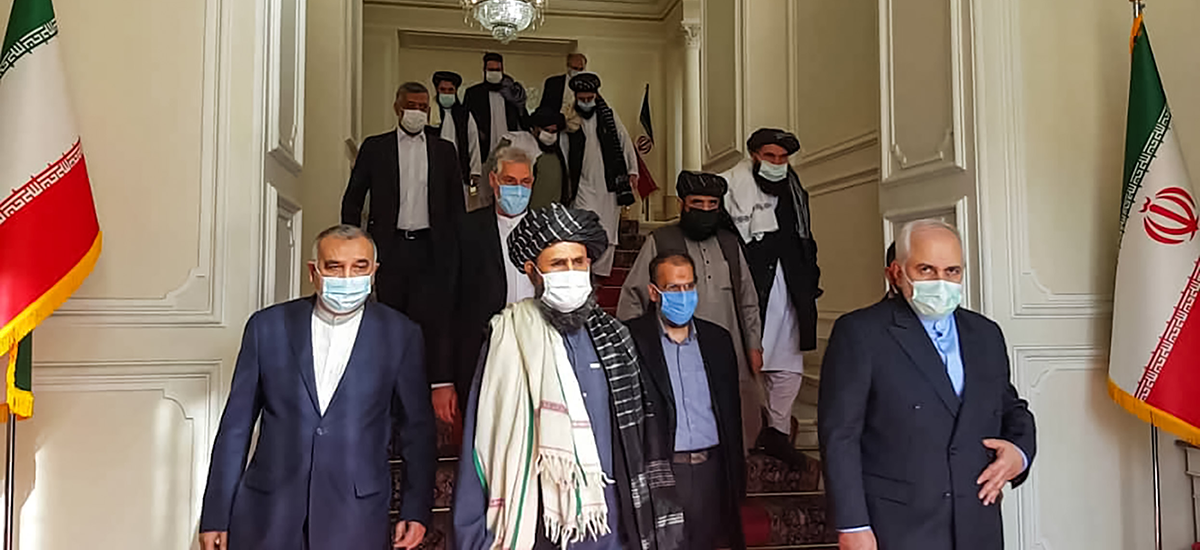
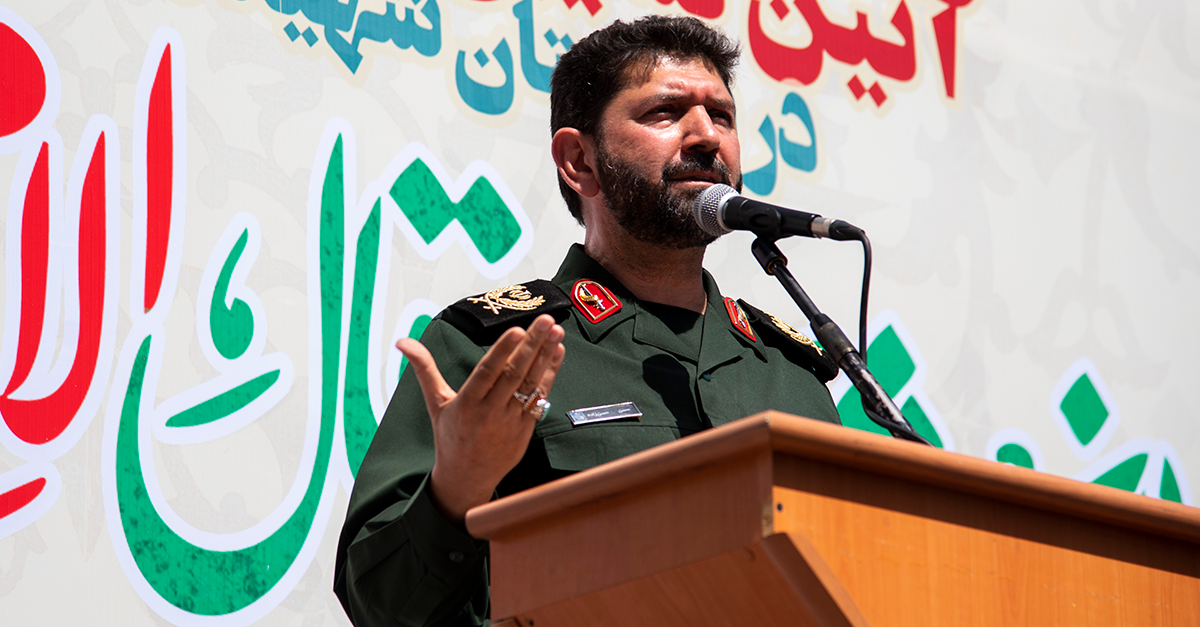
the years leading up to the U.S. invasion of Afghanistan, the Taliban had strained relations with Iran. Tensions between the two sides escalated to the point that the Iranian government and the Quds Force actually assisted American forces during the 2001 U.S.-led invasion.
Tehran’s policy toward the Afghan Taliban has created new clashes within Iranian government circles. These clashes recently escalated as influential hard-line media and associates of the Islamic Revolutionary Guard Corps (IRGC) made public efforts to portray the Taliban in a positive light.
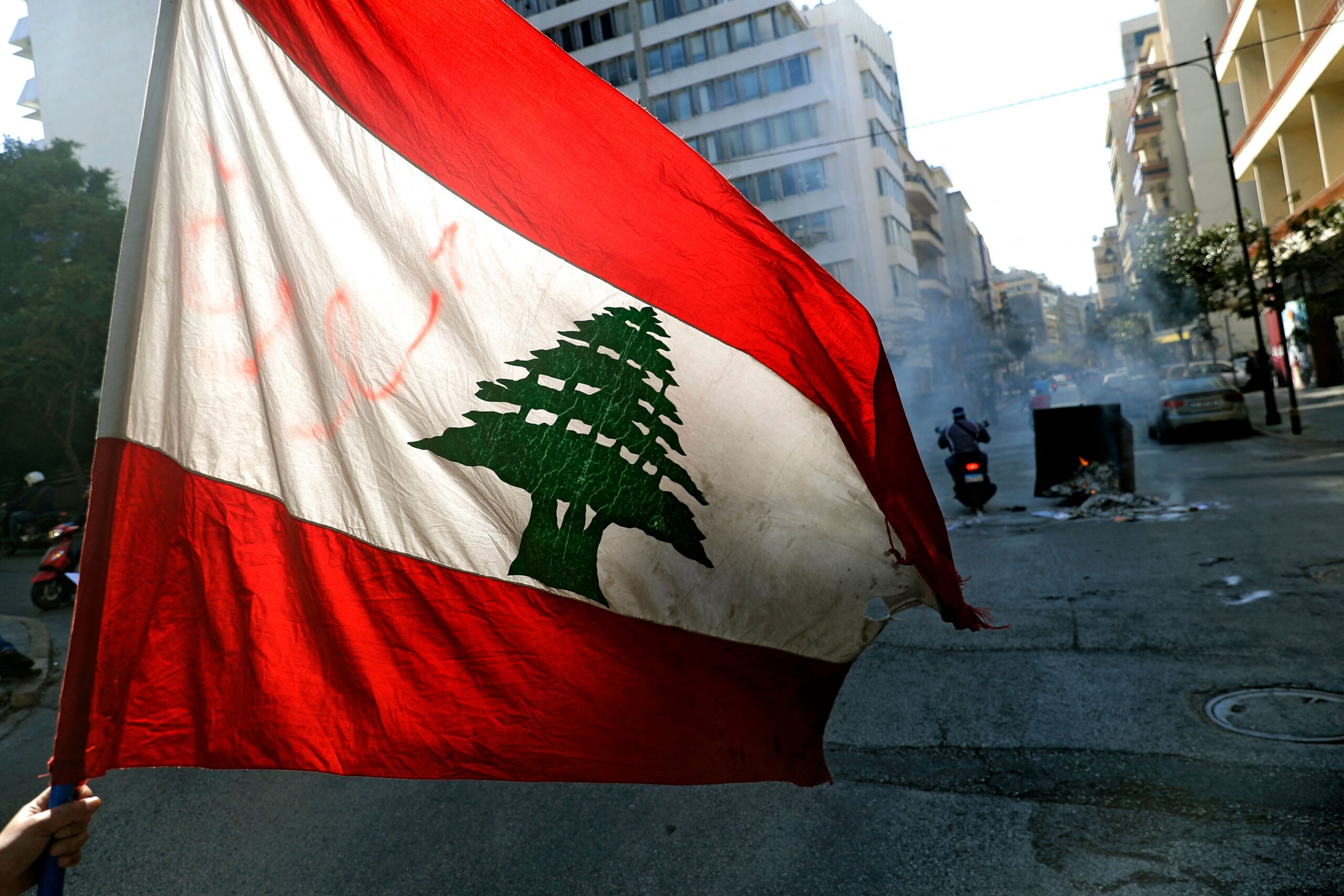
Testimony | “Lebanon: Assessing Political Paralysis, Economic Crisis, and Challenges for U.S. Policy”
The following testimony was presented to the House Foreign Affairs Subcommittee on the Middle East, North Africa, and Global Counterterrorism on July 29, 2021.
Chairman Deutsch, Ranking Member Wilson, distinguished Members of the Subcommittee, thank you for this opportunity to offer my thoughts on the unfolding economic and political crises in Lebanon, and their implications for U.S. policy.
حلقة 42: آفاق التشكيل الحكومي في لبنان — مع كريس أبي ناصيف
يستضيف إبراهيم الأصيل في هذه الحلقة مدير برنامج لبنان في معهد الشرق الأوسط، كريس أبي ناصيف، لمناقشة آفاق تشكيل الحكومة برئاسة نجيب ميقاتي والسيناريوهات المتوقعة.
On August 4, 2020, a cache of improperly stored ammonium nitrate caused a devastating blast in the port of Beirut. Chris Abi-Nassif, Mona Fawaz, and Aya Majzoub join host Alistair Taylor to discuss the investigation into the blast, the reconstruction process, and the political, economic, and social impact in Lebanon.
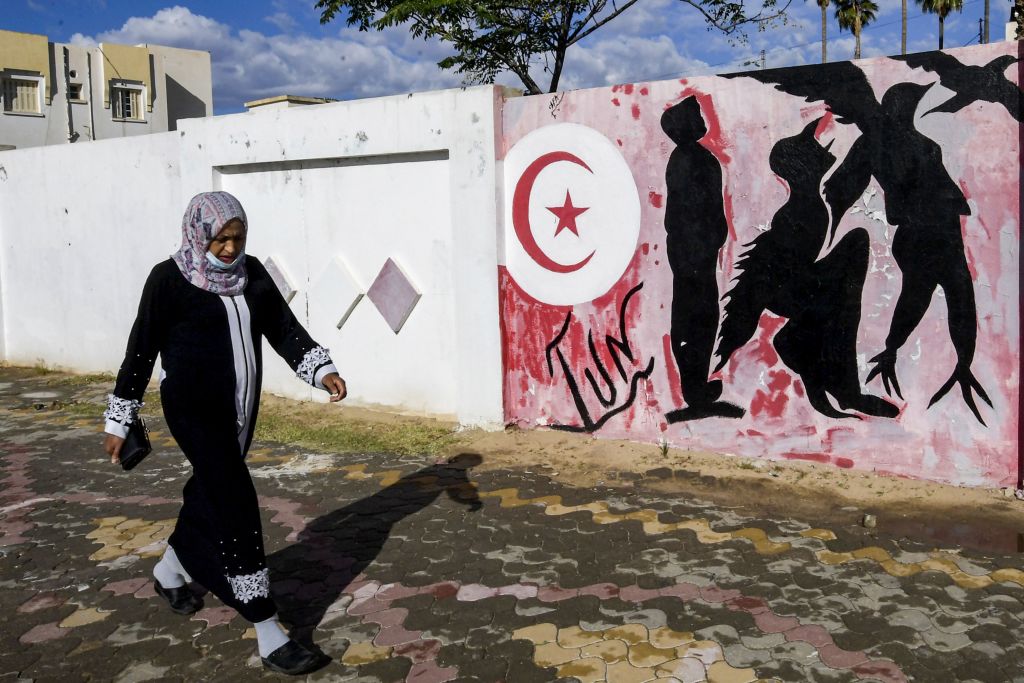
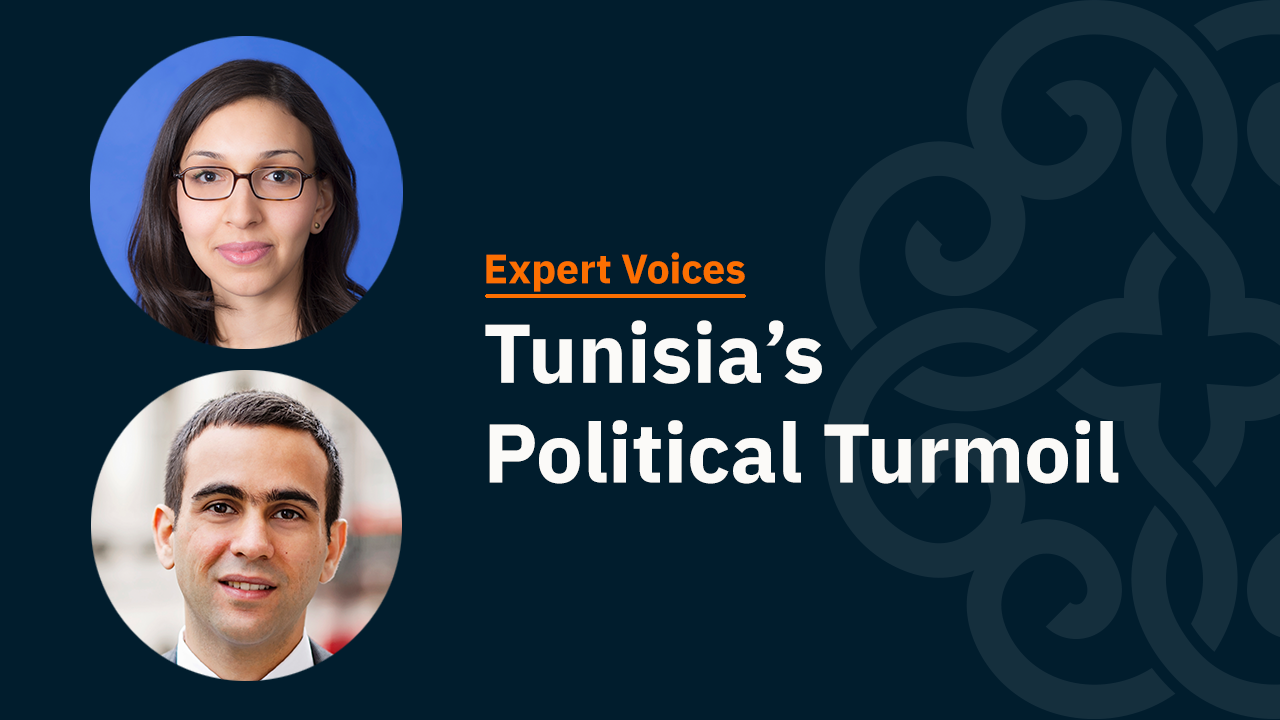
Intissar Fakir and Fadil Aliriza of MEI’s Program on North Africa and the Sahel discuss the context and consequences of Tunisian President Kais Saied’s political maneuvers earlier this week, which opponents were quick to label a “coup.”
Missing the bigger implications of US withdrawal from Afghanistan
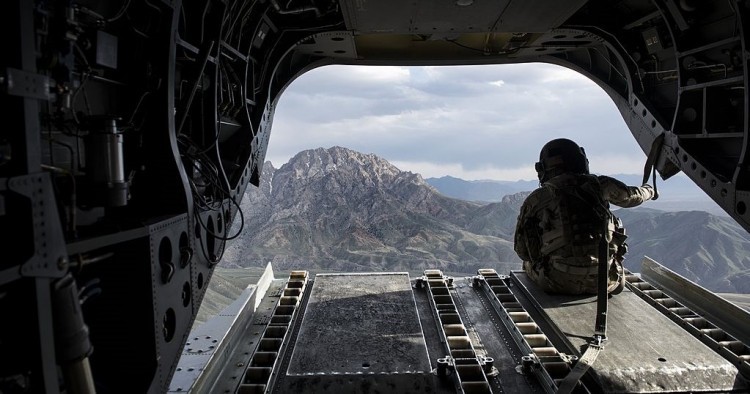
As the United States exits from Afghanistan, on the eve of the 20th anniversary of the 9/11 attacks, it is important to reflect on the broader and longer-term reverberations of that withdrawal. In examining the withdrawal, peace process, and the recent dynamic of militia building and Taliban control, it’s becoming clear that a different transnational threat to U.S. interests is emerging.
Afghanistan’s neighbors contend with Taliban at their borders
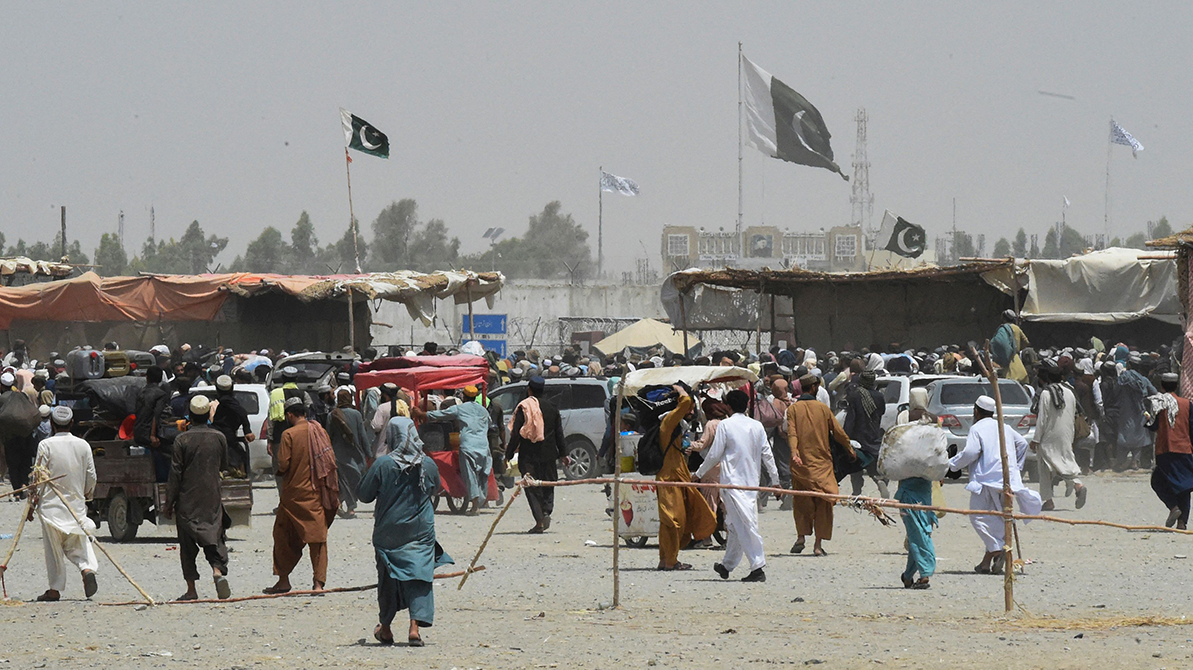
The U.S. withdrawal from Afghanistan is not yet complete, but Afghanistan’s neighbors are already contending with its fallout as they face the immediate spillover of the conflict into their respective territories. The insurgency has reached the borders of all of Afghanistan’s neighbors, who are choosing to both engage the Taliban while also bolstering defensive and deterrent measures to contain the insurgency. While the net loser in all this is the Afghan state, the Taliban may be overplaying their hand. Should they rule most of Afghanistan, they could end up governing an isolated country deprived of the foreign aid it needs to function.
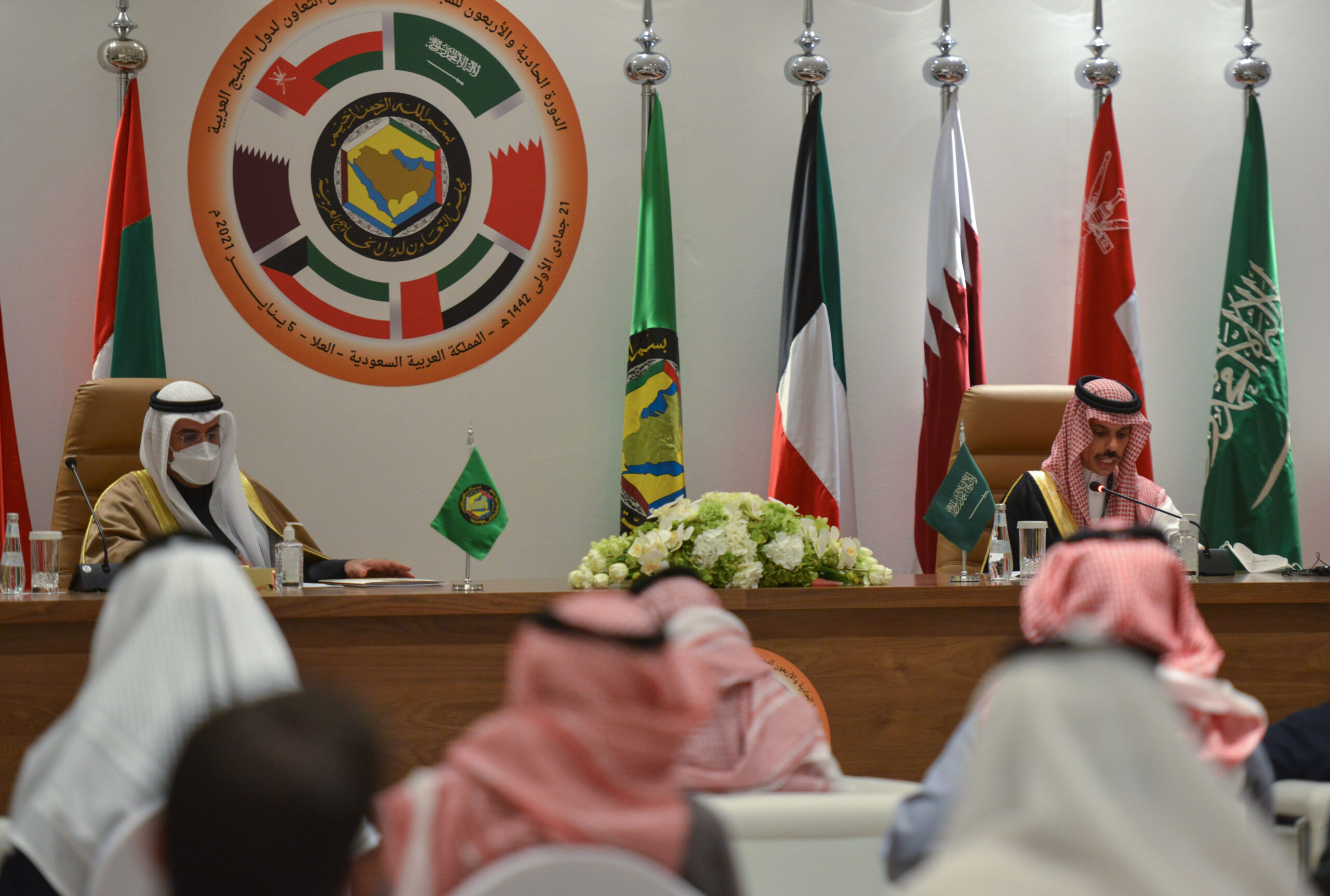
The Uphill Economic Recovery from Covid-19 in the Gulf Cooperation Council
The future of economic growth in the GCC is looking better than some analysts expected in the depths of the downturn in 2020. What may be different in this recovery compared to previous economic crises in the Gulf is a more limited fiscal policy space, and more variance among GCC countries in their ability to rebound with smart stimulus. As the global economic recovery now strengthens oil demand, taking advantage of this interim period of the global energy transition will mean accelerating government spending in areas where it can make a long-term impact on productivity growth and increased labor force participation among citizens in the private sector, especially women. Some governments will be able to accelerate productivity, including using highly skilled foreign labor and favorable long-term residency regimes, and others will be simply treading water to satisfy immediate demands of their populations.