This individual is a guest contributor. MEI is not able to assist with contact requests.
Attiya Ahmad is Georgetown University’s 2009-10 Center for International and Regional Studies Post-Doctoral Fellow. She recently completed her PhD in Cultural Anthropology at Duke University. Dr. Ahmad’s work brings together scholarship on Islamic studies, globalization, diaspora and migration studies, economic anthropology, and political economy.
US engagement in the Black Sea and Middle East. What more can be done?
US support for the Black Sea and the Middle East has been through several phases in recent years, with President Donald Trump’s generals having the biggest impact on policy change. While there has been increased engagement in the region, much more is needed from the US – as well as NATO and the EU – to ensure Black Sea security.
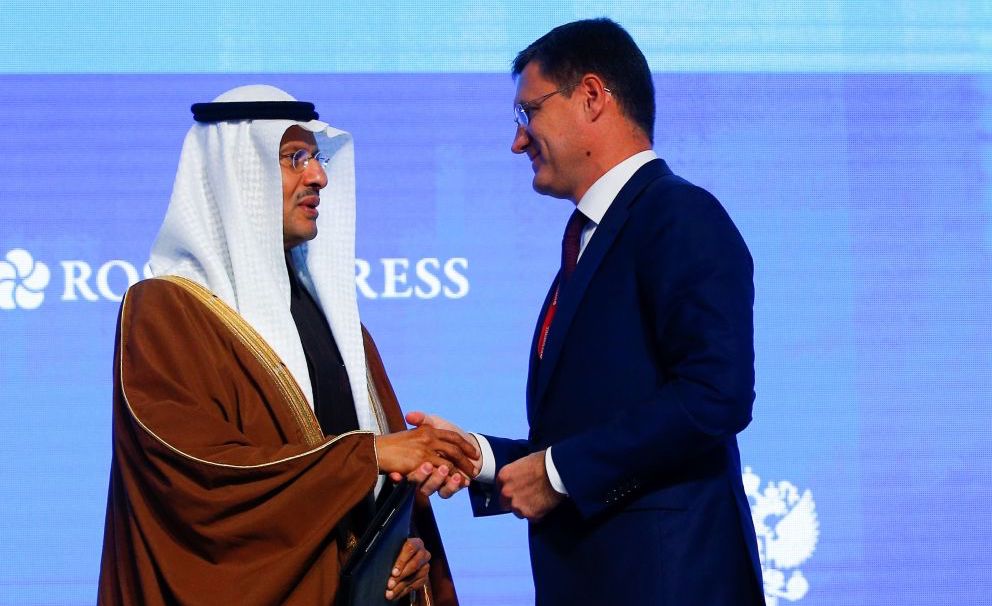
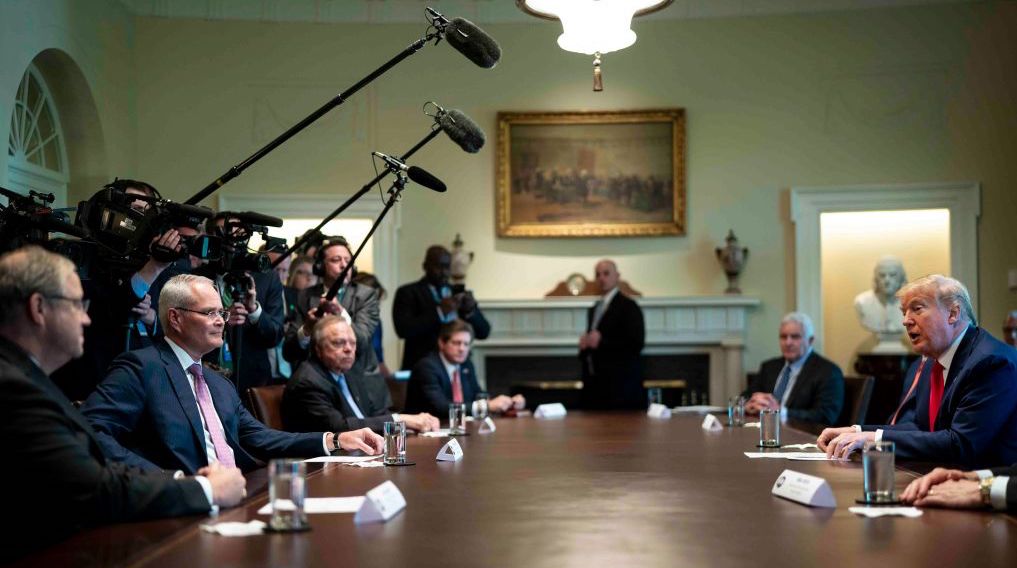
Saudi Arabia’s recent decision to call for an urgent OPEC+ meeting was driven by a simple logic. In spite of its obvious advantages over other oil producers, the kingdom is still taking serious risks as it pursues an oil price war.
Iran’s Unconventional Alliance Network in the Middle East and Beyond
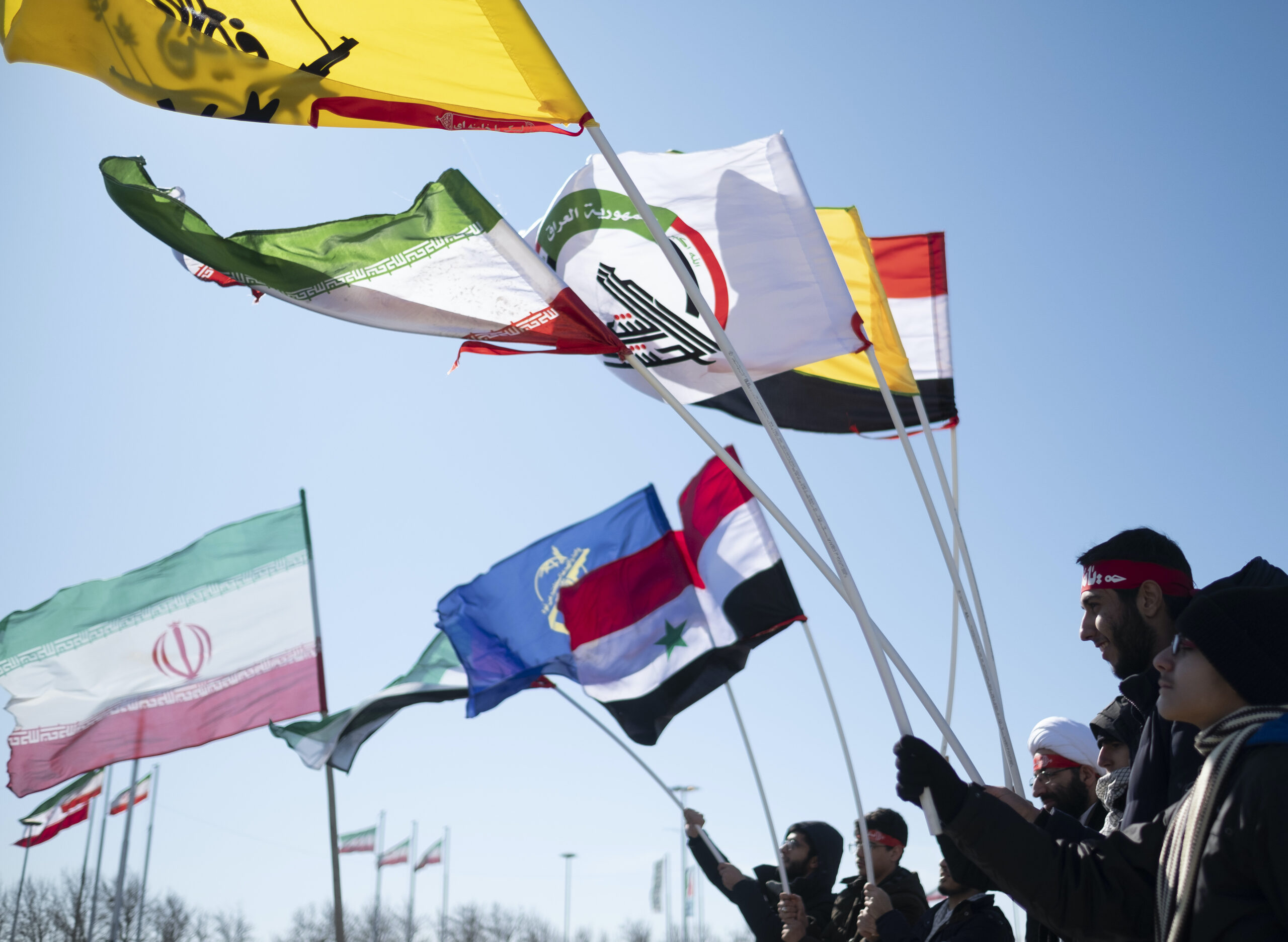
The Islamic Republic’s unconventional alliance network reaches far and wide, and its workings have only intensified since the killing of Gen. Qassem Soleimani in early January 2020. The systematic effort to consolidate these alliances, indicated by the swift appointment of Gen. Esmail Qaani and his new deputy Gen. Mohammad Hosseinzadeh Hejazi to lead the Quds Force, is about much more than just retaliation and revenge against the United States. It is also, and perhaps more importantly, a calibrated response to the Trump administration’s reckless and escalatory changes to the established “rules of engagement” between Washington and Tehran.
Blurring the lines: The case of the Nakhsa Warriors
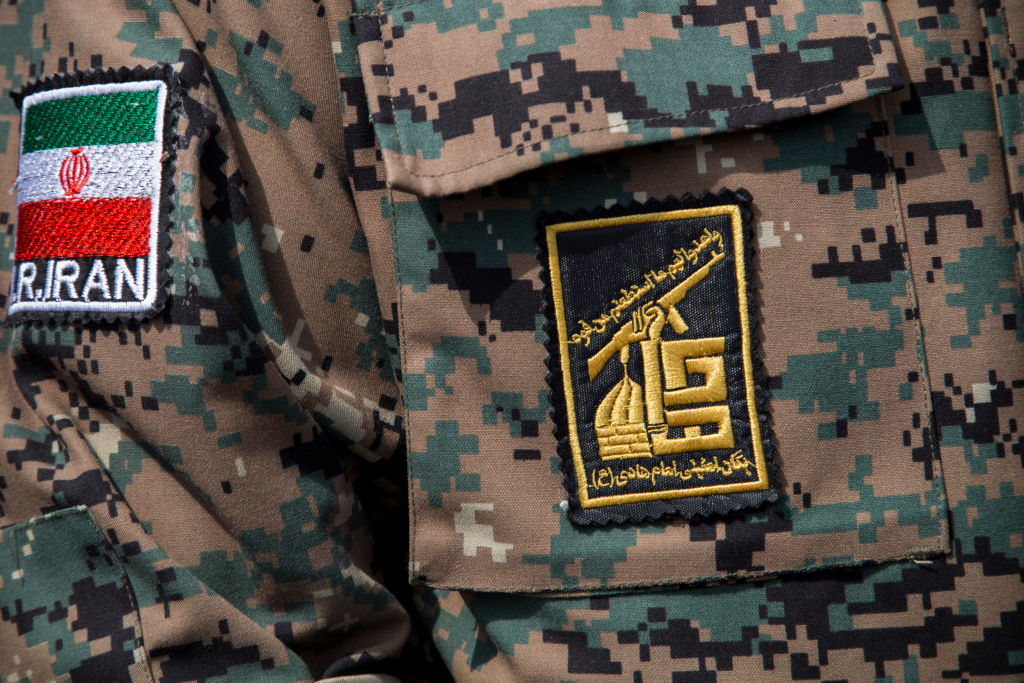
Blurring the lines between the physical world and the online one, the Iranian group known as the “Nakhsa Warriors” remains cloaked in mystery. Their identity and status are unclear. Are they a military force that carries out operations, an online group of like-minded individuals that share content, part of an Iranian disinformation campaign — or perhaps something else altogether?
Civil Society and COVID–19 in India: Unassuming Heroes
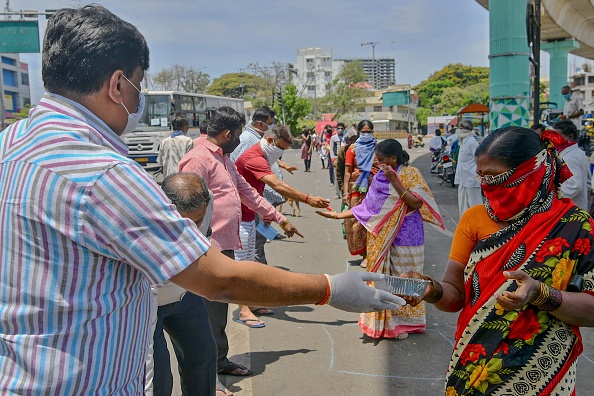
In battling public health crises and natural disasters, non-government organizations (NGOs) often step up to plug response capacity gaps. This article looks at the example of a coalition of NGOs in Bangalore, India that functioned as a force multiplier in the city’s underserved communities during the three-week lockdown induced by the COVID-19 pandemic. It argues that such organizations will become a necessary part of the eco-system working to sustain countries for the duration of this crisis and in others.
The COVID-19 crisis could be deadlier than all the wars and civil wars in the modern Middle East. This should spur regional leaders to act urgently and cooperatively.
Amid political jockeying, militia fragmentation, COVID-19, and an economic crisis, Iraq's outlook is bleak
The different scenes in Baghdad tell the tale of a future that will, at the very least, present serious challenges, and at the worst could become chronically violent.
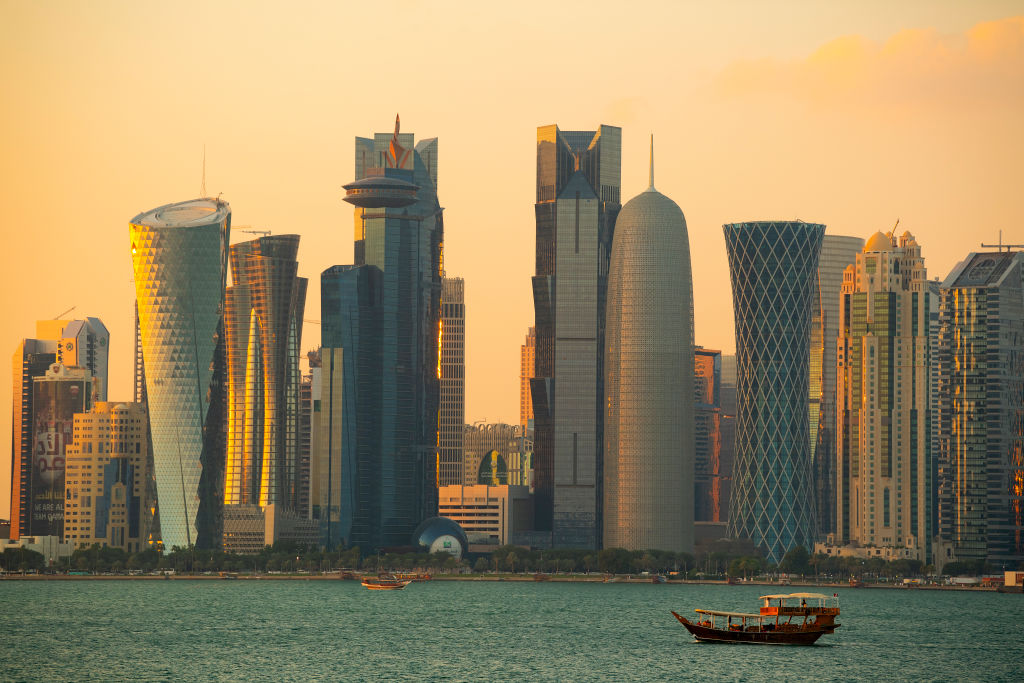
Cratering demand for Qatar’s main exports has reduced its income to a fraction of what it was last year, but its nest egg is held in very illiquid assets.
Gonul Tol and Alex Vatanka join host Alistair Taylor to discuss how the coronavirus pandemic is affecting Iran, one of the first countries hit by the outbreak, and Turkey, where it arrived later but has since spread rapidly.
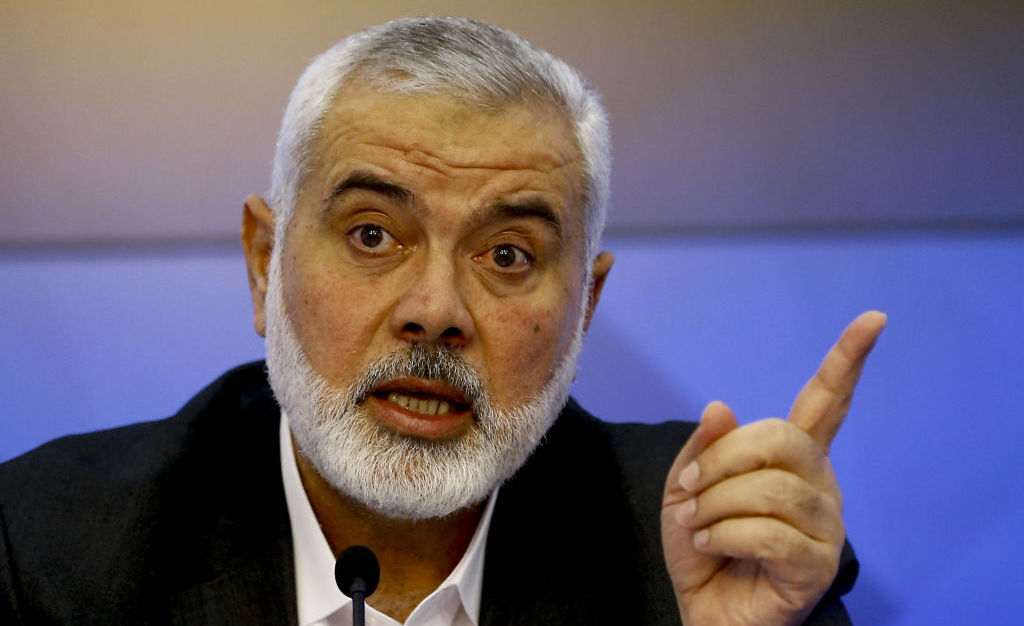
While much of the focus on Russia’s foreign policy toward the MENA region is on Syria and Libya, the dire situation in Gaza is another area where Moscow seeks to play a growing role. From Putin’s perspective, Moscow must involve itself in the Palestinian cause in order to further facilitate Russia’s “return” to the region. In practice, this has entailed Moscow and Hamas improving their relations, underscored by numerous visits and communications between high-ranking Russian government officials and Hamas representatives in recent years.
Continuity and Change in US Policies towards the Caspian Region
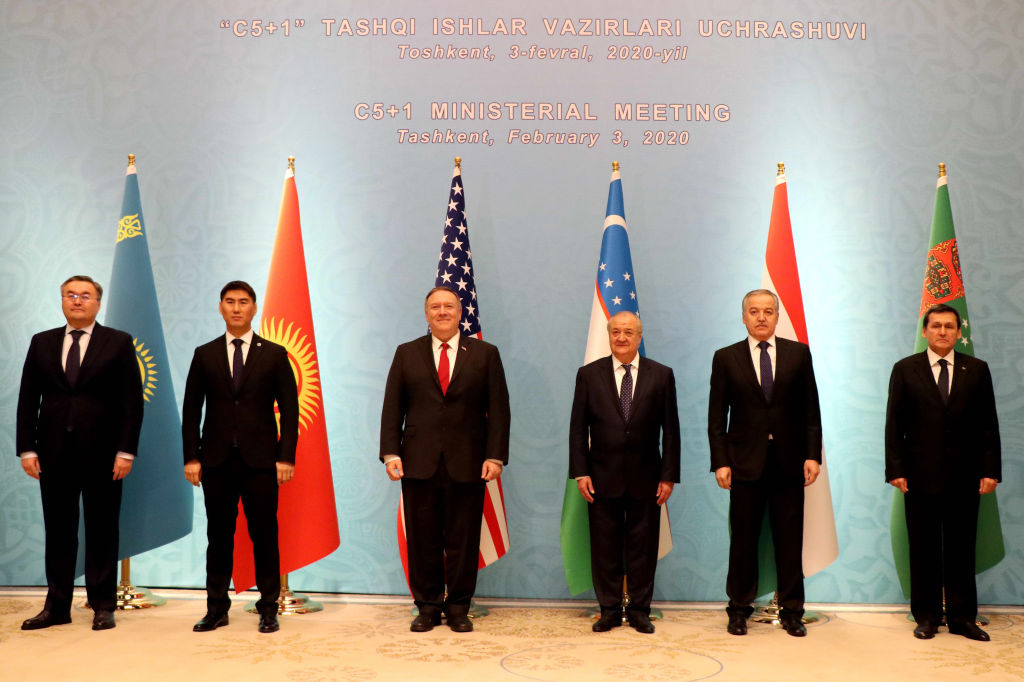
The U.S. government agenda for Central Asia and the South Caucasus has regularly included a multitude of goals. Whereas in the 1990s, U.S. policy focused on state building, economic development, WMD elimination, and democracy promotion, in the 2000s, counterterrorism rose to the forefront of the U.S. agenda.
Five years on, has the Arab coalition achieved its objectives in Yemen?
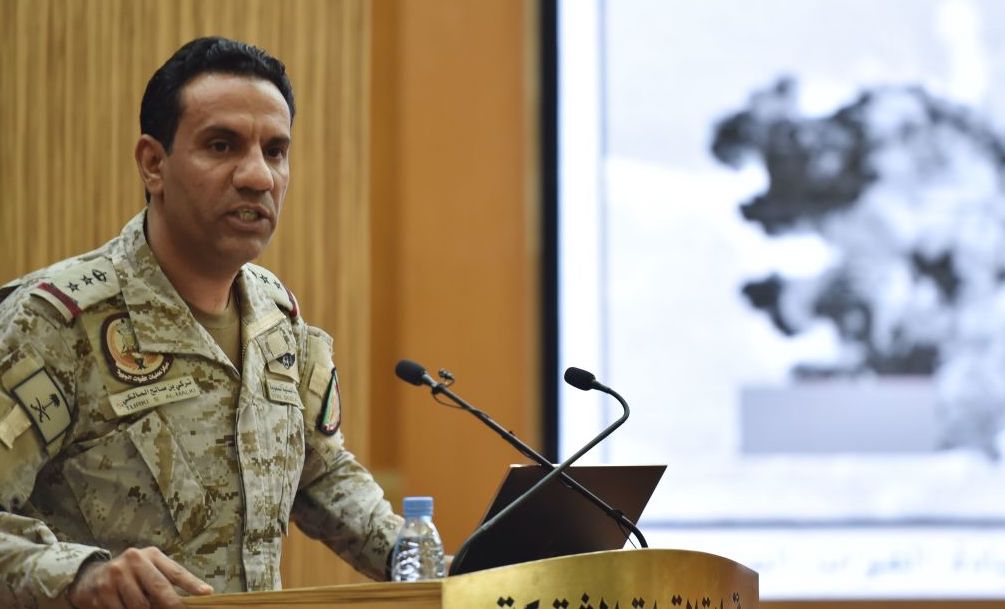
On March 26, 2015, the former Saudi ambassador to the U.S., Adel al-Jubeir, announced the beginning of a Saudi-led military campaign in Yemen to curtail Iran’s influence in the country, reinstate the regime of President Abed Rabbo Mansour Hadi in Sanaa, and deter the Iranian-backed Houthi threat. Five years on, however, the objectives of Operation Decisive Storm are far from realized, and the situation on the ground is as volatile as ever.