This individual is a guest contributor. MEI is not able to assist with contact requests.
Attiya Ahmad is Georgetown University’s 2009-10 Center for International and Regional Studies Post-Doctoral Fellow. She recently completed her PhD in Cultural Anthropology at Duke University. Dr. Ahmad’s work brings together scholarship on Islamic studies, globalization, diaspora and migration studies, economic anthropology, and political economy.
Iranian Student in Rare Video Blasts Regime for Repression at Home and Foreign Wars
A rare video circulating on Iranian social media shows a university student strongly denouncing the Iranian regime’s acts of oppression at home as well as costly military engagements abroad at the expense of domestic priorities. “Mr. Hassan Abbasi: Your theory is the theory of terror and horror and exporting arms and war.
I.R.G.C. Navy Receives New Anti-Ship Cruise Missiles
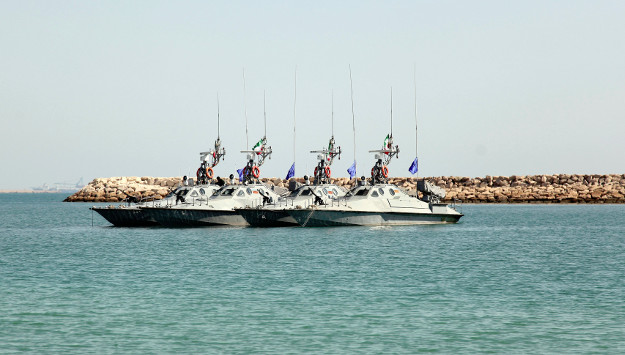
The Islamic Revolution Guards Corps (I.R.G.C.) Navy received the first consignment of the new Nasir anti-ship cruise missile on April 22, the Iranian media reports.
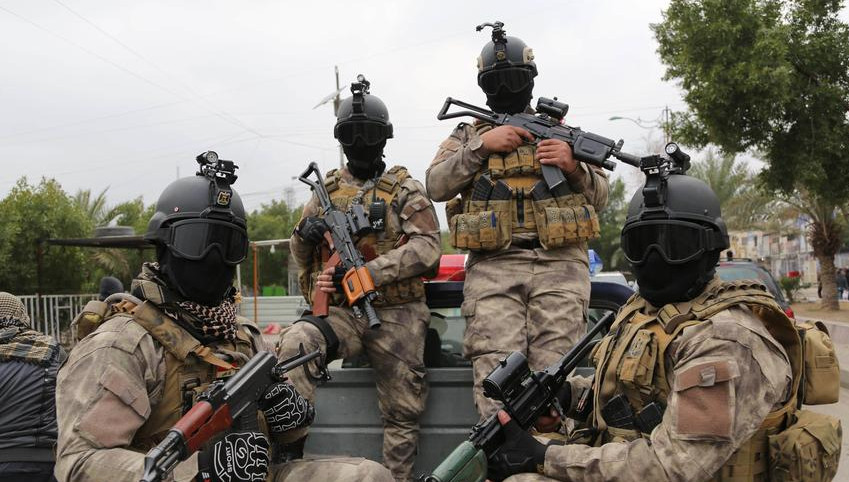
Iran-Backed Iraqi Mobilization Forces Urge Baghdad to Expel Turkish Ambassador
The Iraqi Popular Mobilization Forces (P.M.F.) – an alliance of largely Shiite militia groups dominated by Iran – has called on the Baghdad government to expel the Turkish ambassador from Iraq, Fars News Agency reported. The call came after President Recep Tayyip Erdogan called the P.M.F.
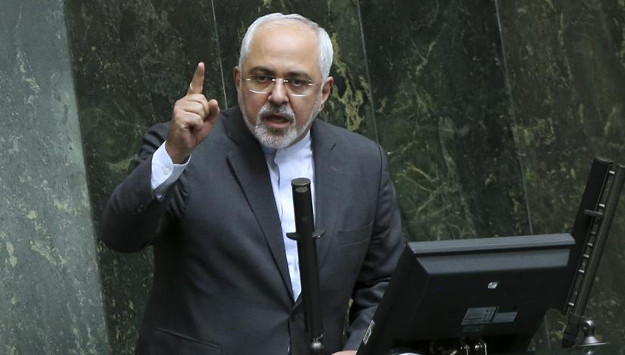
Tillerson’s Remarks Draw Angry Reaction from Iran’s Foreign Minister
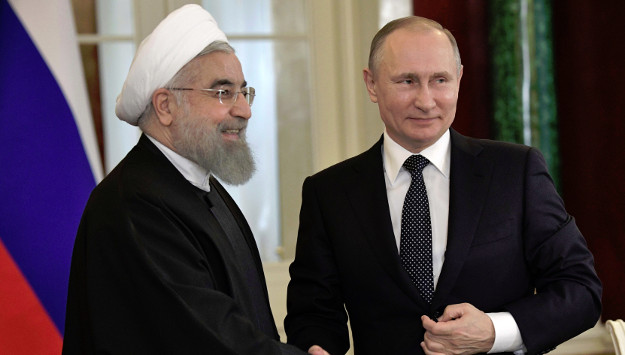
Iranian Foreign Minister Javad Zarif on Thursday issued a strongly-worded statement in reaction to the latest allegations by the Trump administration about Iran’s destabilizing role in the Middle East and the 2015 Iran nuclear deal. “The Islamic Republic of Iran entered the JCPOA (Jointed Comprehensive Plan of Action, or Iran nuclear deal) with the view that it would be prudent way to address shared concerns and achieve shared objectives specifically related to the nuclear issue, without entering into other contentious issues, including the nefarious activities of the U.S.
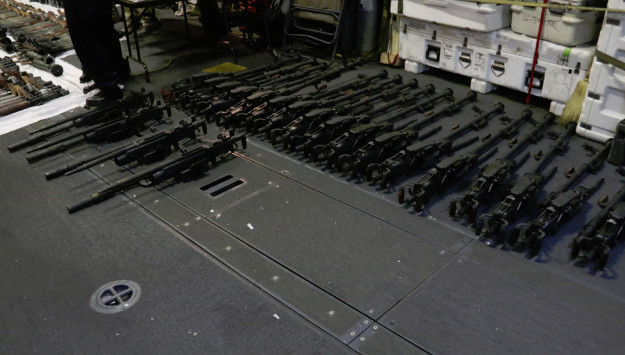
Iranian Cleric Admits I.R.G.C. Provides Weapons to Houthis in Yemen
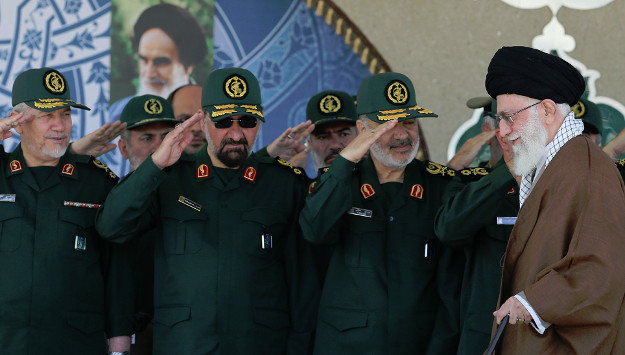
A senior Iranian cleric, who reportedly advises Supreme Leader Ali Khamenei, has in a rare video admitted that Iran provides weapons to the Houthi rebels in Yemen.
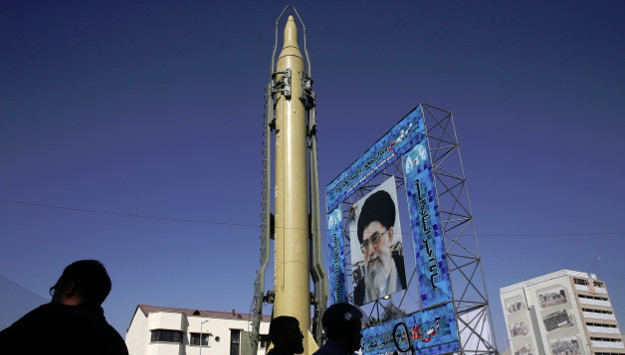
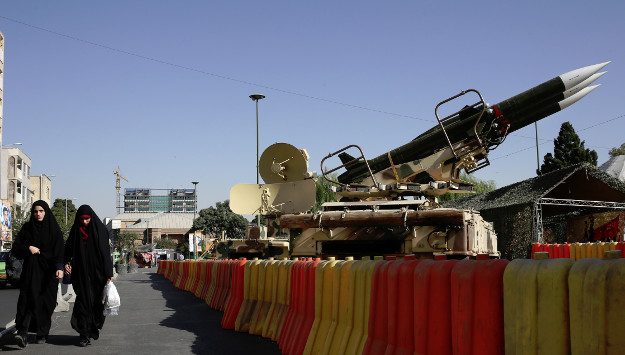
Iran Unveils New Domestically-Built Military Equipment
Iran unveiled a series of domestically-made military equipment on Thursday, during a ceremony on Thursday which was attended by President Hassan Rouhani and Defense Minister Brigadier General Hossein Dehqan.
An Evolution of Rohingya Persecution in Myanmar: From Strategic Embrace to Genocide
This essay discusses the persecution of, and violence committed against, Rohingya. The authors argue that recent waves of state-directed violence communal destruction, far from being a new phenomenon, have been occurring since 1978 and are part of a process of “slow-burning genocide.”
Since its inception in 1993, the Sharjah Biennial has become the biggest art event in the Arab world. It is an enormous cultural podium whose breadth, scope, and ambition is unrivaled in the region. Encompassing new commissioned pieces, film screenings, video and audio installations, and copious talks throughout its lengthy duration, the Sharjah Biennial has transcended its fine arts origins to evolve into a global endeavor.