This individual is a guest contributor. MEI is not able to assist with contact requests.
Attiya Ahmad is Georgetown University’s 2009-10 Center for International and Regional Studies Post-Doctoral Fellow. She recently completed her PhD in Cultural Anthropology at Duke University. Dr. Ahmad’s work brings together scholarship on Islamic studies, globalization, diaspora and migration studies, economic anthropology, and political economy.
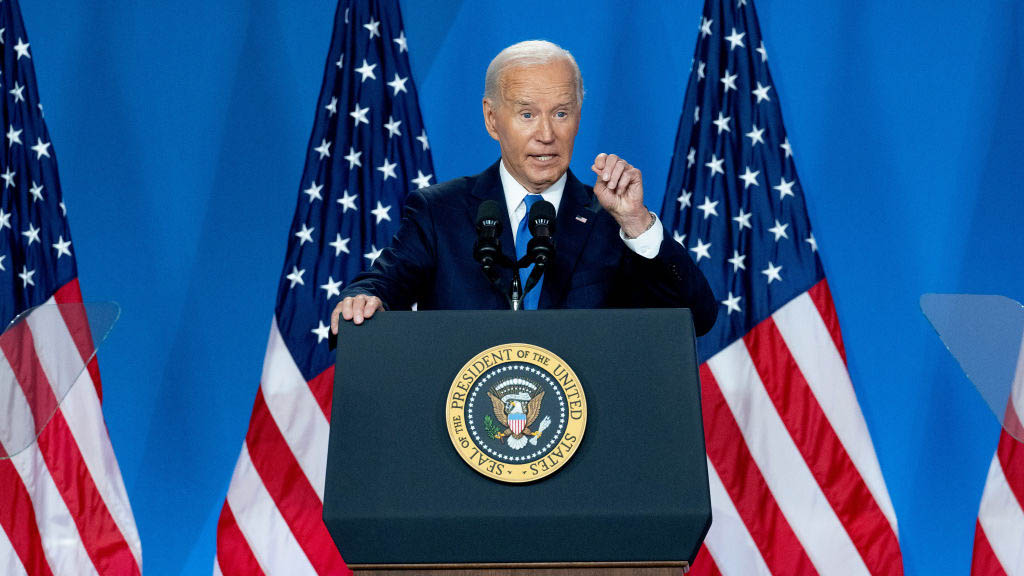
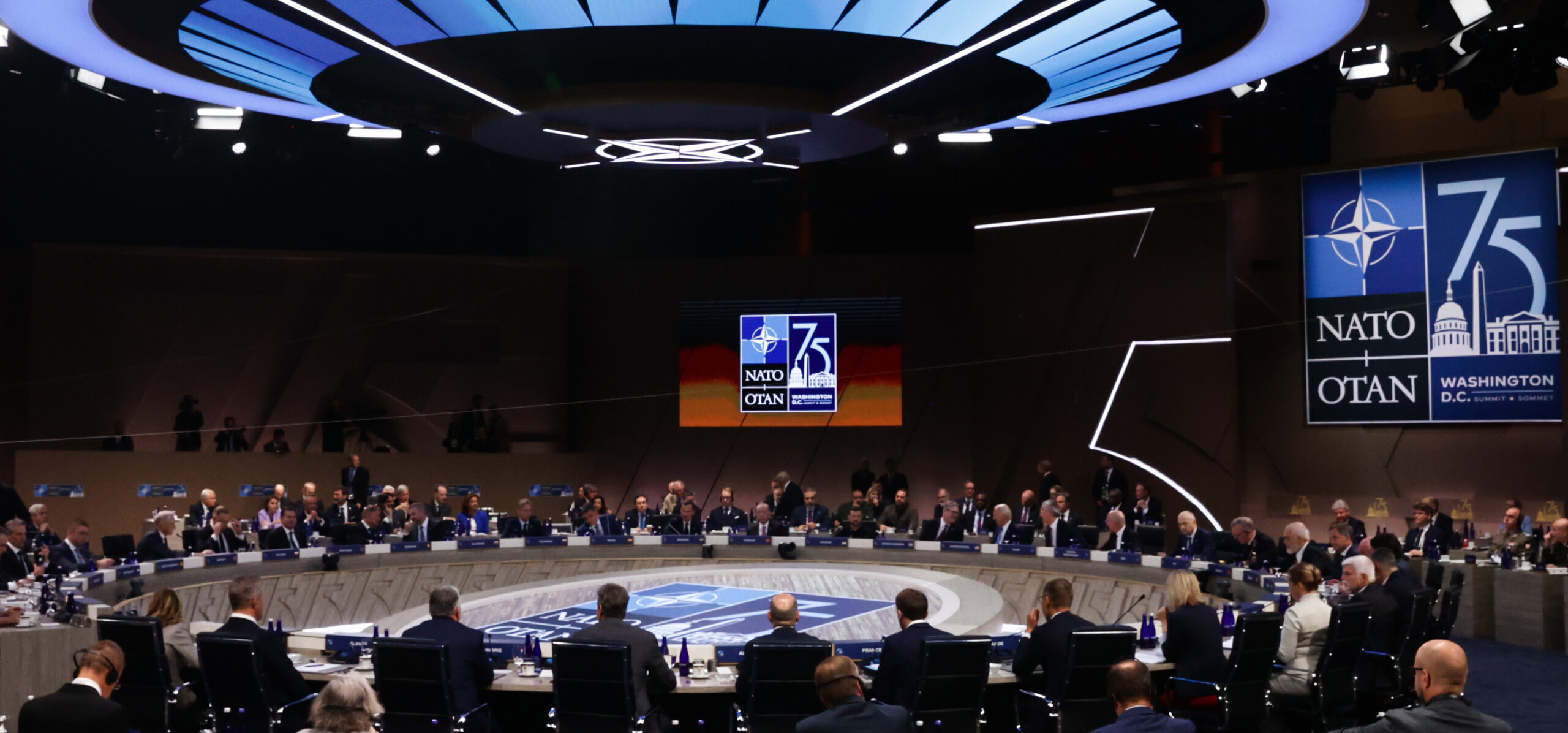
Key takeaways for NATO and the Middle East from the Washington Summit Declaration
At the Washington Summit, NATO member states mostly focused on efforts to counter Russia and to support Ukraine. However, the 2024 summit communiqué also addresses non-Euro-Atlantic risks and opportunities, based on the idea that “conflict, fragility and instability” elsewhere directly affects NATO security.
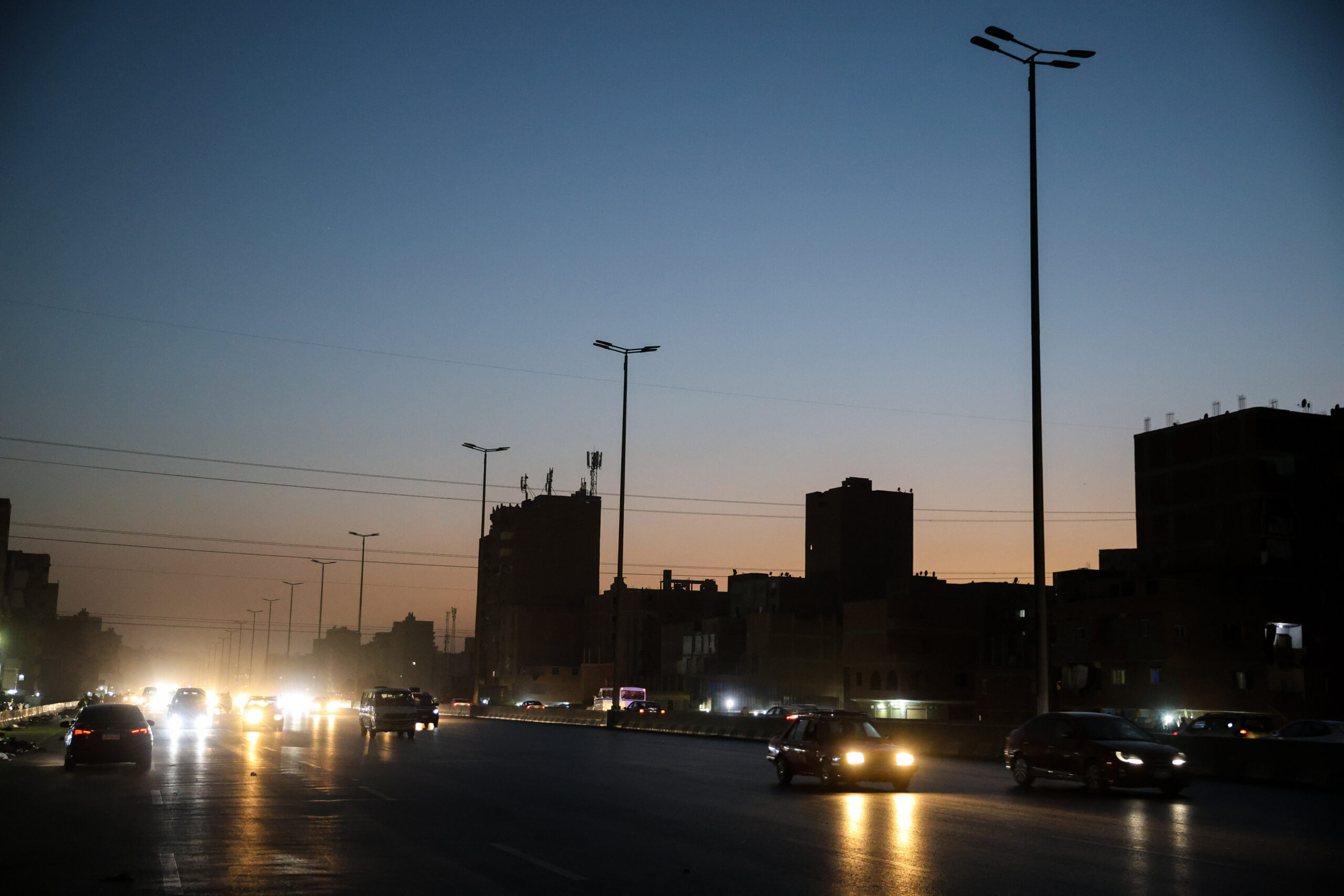
Wide gap between the Egyptian government’s rosy figures and the economic hardship suffered by millions
For Egyptian officials, June should have been a month to celebrate. And yet none of the seeming macroeconomic successes that the government recorded brought much reassurance to the average Egyptian, who has continued to experience currency shortages, an unreliable energy grid, and fears of a resurgent spike in inflation.
Syrian armed groups divided over Turkey-Syria normalization push
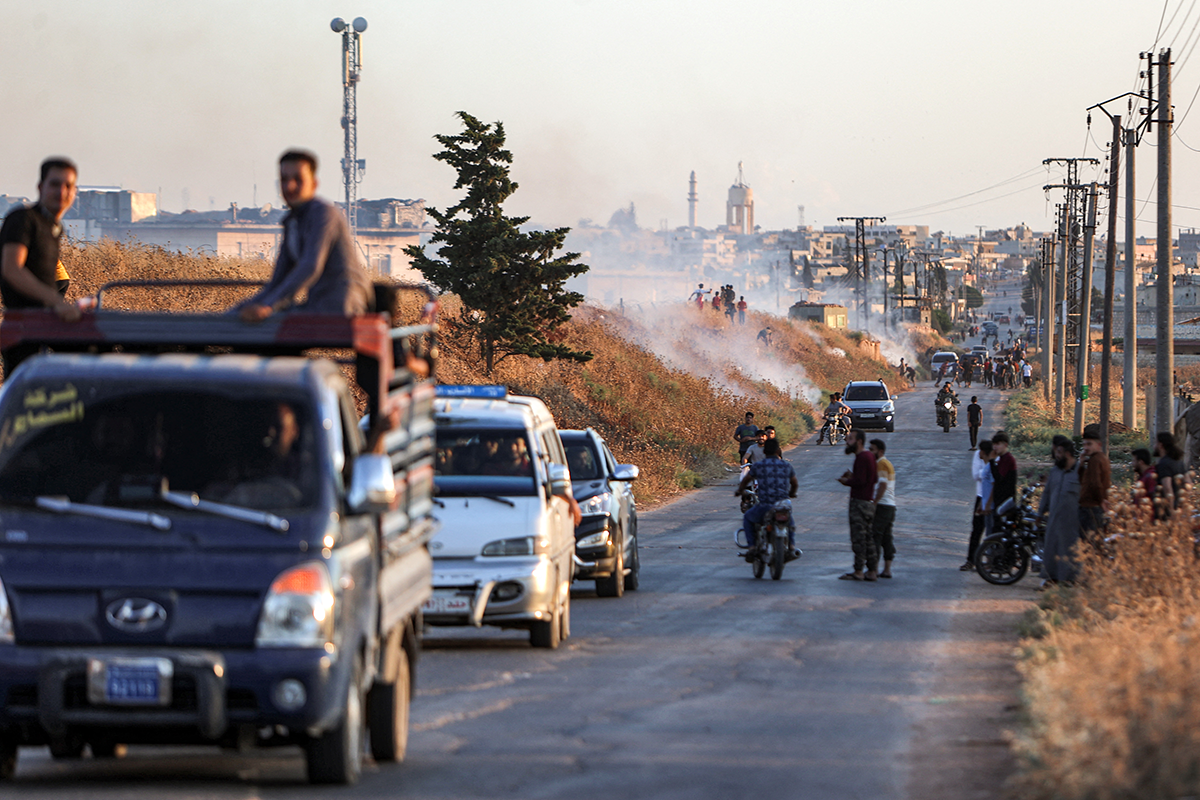
Despite their popular nature, the protests in northwestern Syria, sparked by racist attacks on Syrians over the border in Turkey, have exposed the rifts and divisions between various opposition factions. Bilal Samir explores the positions of the major military groups in Turkish-controlled areas and assesses how closely they align with Turkey’s policy.
Rethinking Democracy Ep. 3: Economic Conditions and Support for Democracy with Daron Acemoglu and Tamara Cofman Wittes
Authoritarian populism is on the rise around the world. Political scientists and policymakers are debating what’s driving this trend. Is it economic inequality, or a cultural backlash against social change that erodes trust in democratic institutions? Dr. Daron Acemoglu and Dr. Tamara Cofman Wittes join Gonul Tol to discuss the relationship between changing economic conditions and support for democracy.
Smoke and mirrors: The Syrian regime's dubious anti-drug campaigns
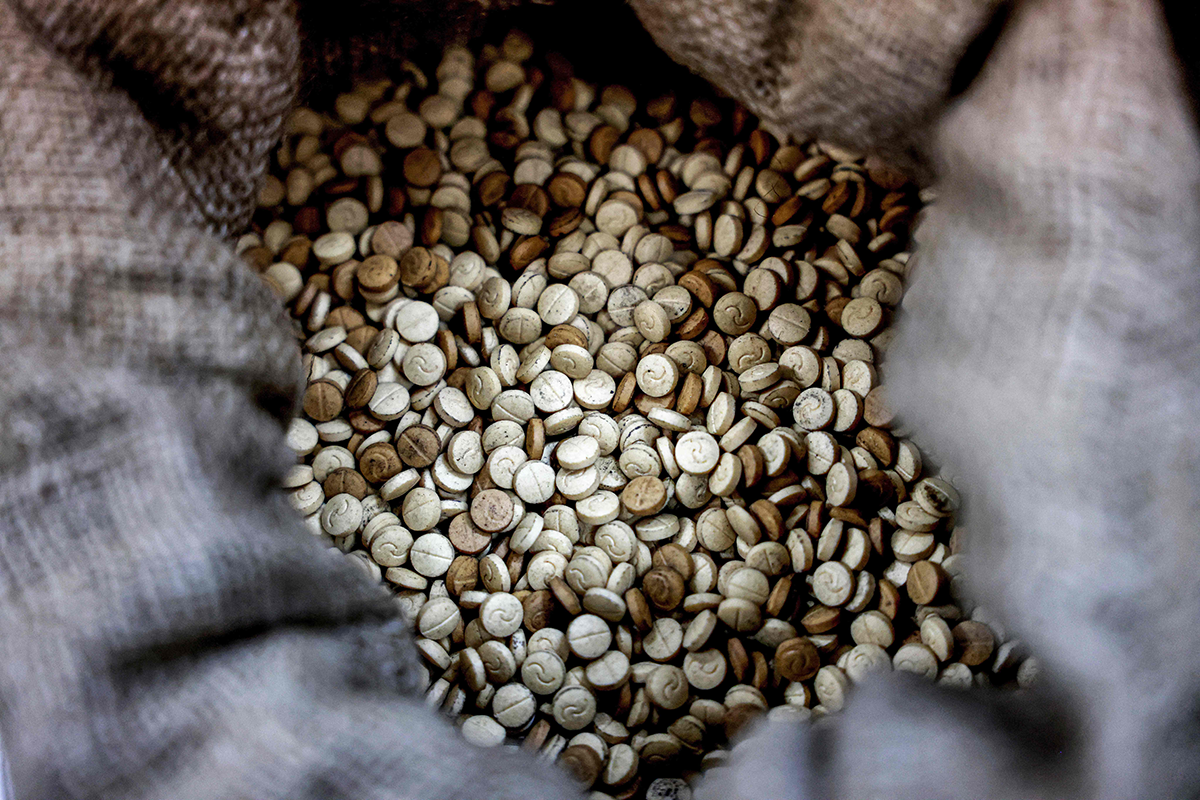
The Syrian regime recently announced that it had arrested over 2,000 people in Damascus on drug-related charges during the first half of 2024. However, the relatively small amount of drugs confiscated suggests the regime is focusing on arresting users and street-level pushers rather than going after the major producers and traffickers. This highlights how the Syrian regime manipulates drug crackdowns to serve multiple agendas while ensuring the flow of illicit drugs continues uninterrupted.
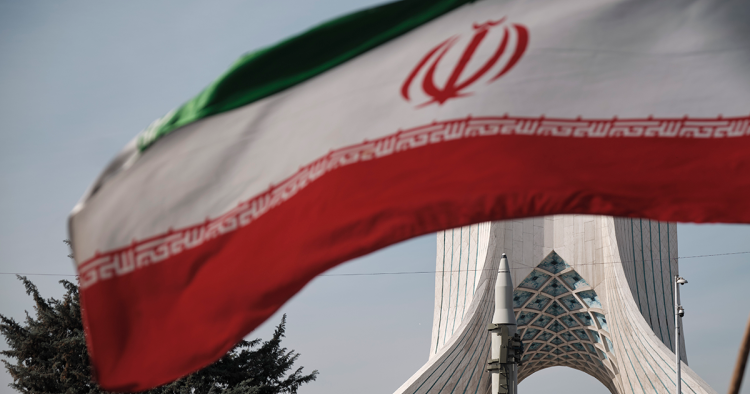
Iran’s foreign policy has generally been characterized by continuity in the postrevolutionary period, yet its motives have transformed over time. This research paper argues that Islamic fundamentalism goaded and motivated foreign policy in the first decade of the Islamic Republic of Iran. After the death of Ayatollah Ruhollah Khomeini, the country’s foreign policy maintained a fundamentalist posture, but was forcefully driven by policies to guarantee its political survival.
What Comes Next for Turkey? Prospects for Change on the Political, Economic, and Foreign Policy Fronts
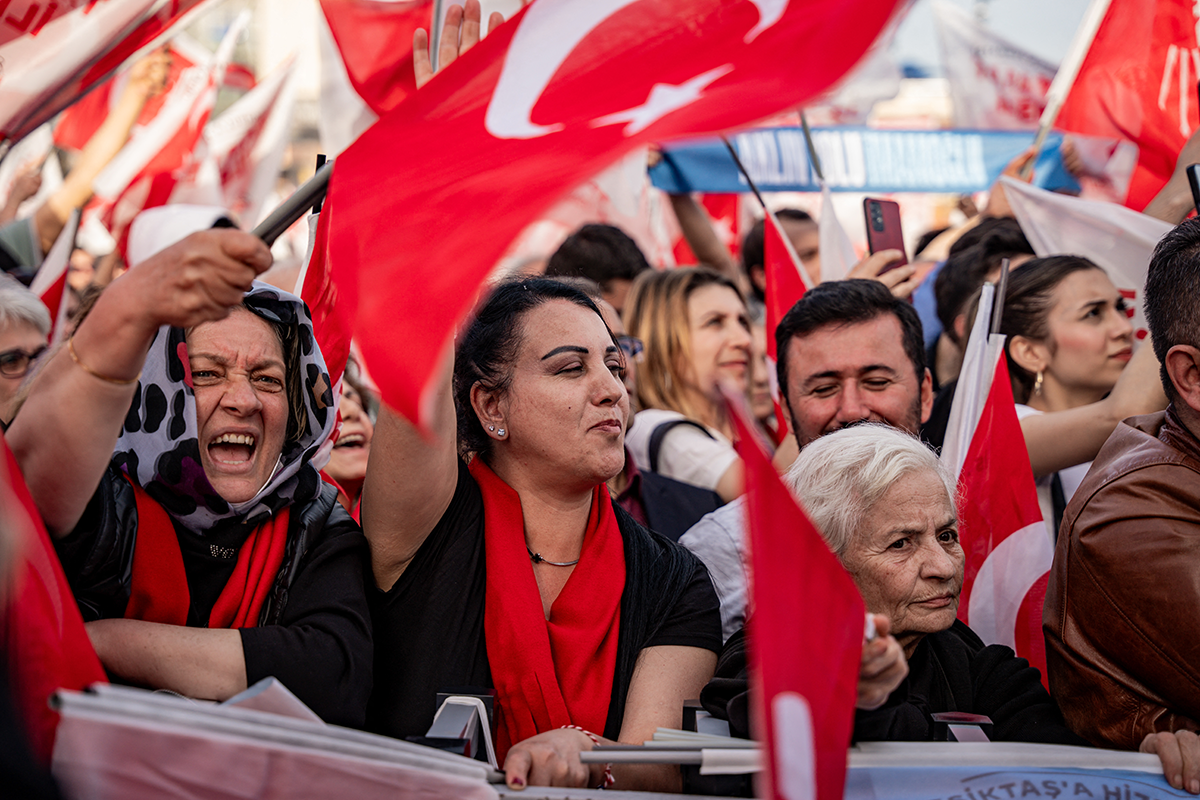
After two decades in power and following the Justice and Development Party’s historic defeat in the 2024 local elections, Turkish President Recep Tayyip Erdoğan is now at his most vulnerable. What comes next is not only important for the future prospects of Turkish democracy but also holds important lessons for autocrats across the world. Scholars Evren Balta, Seda Demiralp, Edgar Şar, and M. Murat Kubilay seek to answer key questions about the country’s political, economic, and foreign policy trajectory in a new report from the Middle East Institute.
The weight of past mistakes and the post-election push for economic normalization
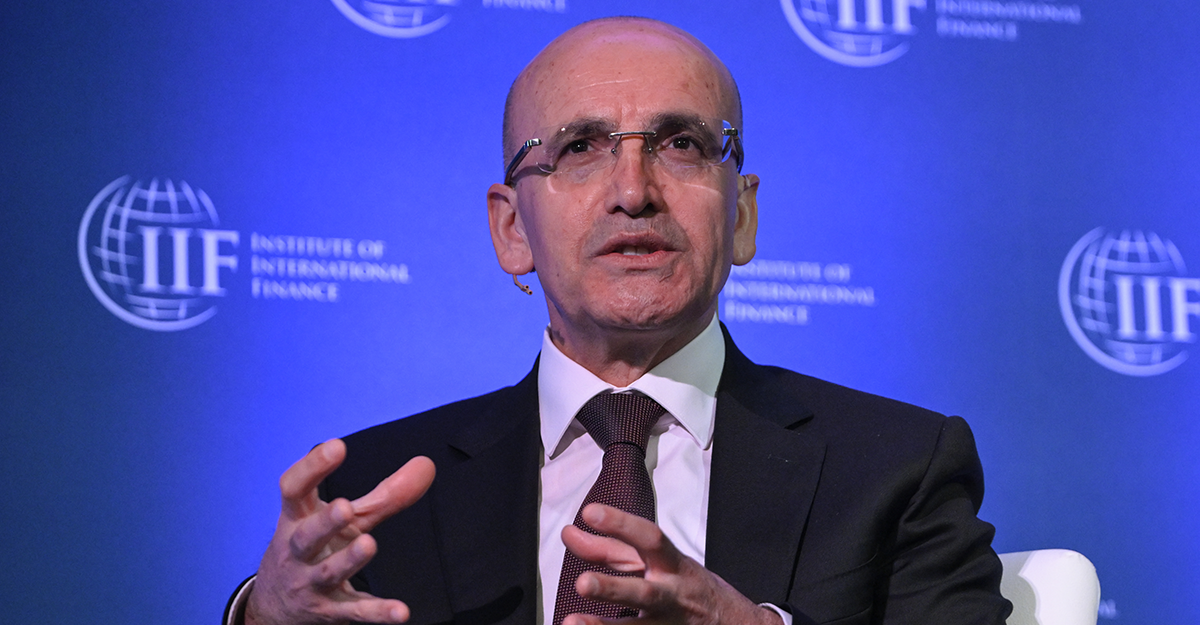
For years under President Recep Tayyip Erdoğan, Turkey pursued an unconventional monetary policy. The situation, long untenable, finally became unsustainable in the run-up to the presidential and parliamentary elections in May 2023. In the immediate aftermath of the vote, President Erdoğan announced a dramatic shift, returning to orthodox monetary policy. While there have been tangible improvements on a number of fronts as a result, the country faces both declining household purchasing power in the short term and a range of broader economic challenges in the longer run.
Normalizing transactionalism: Turkish foreign policy after the 2023 elections
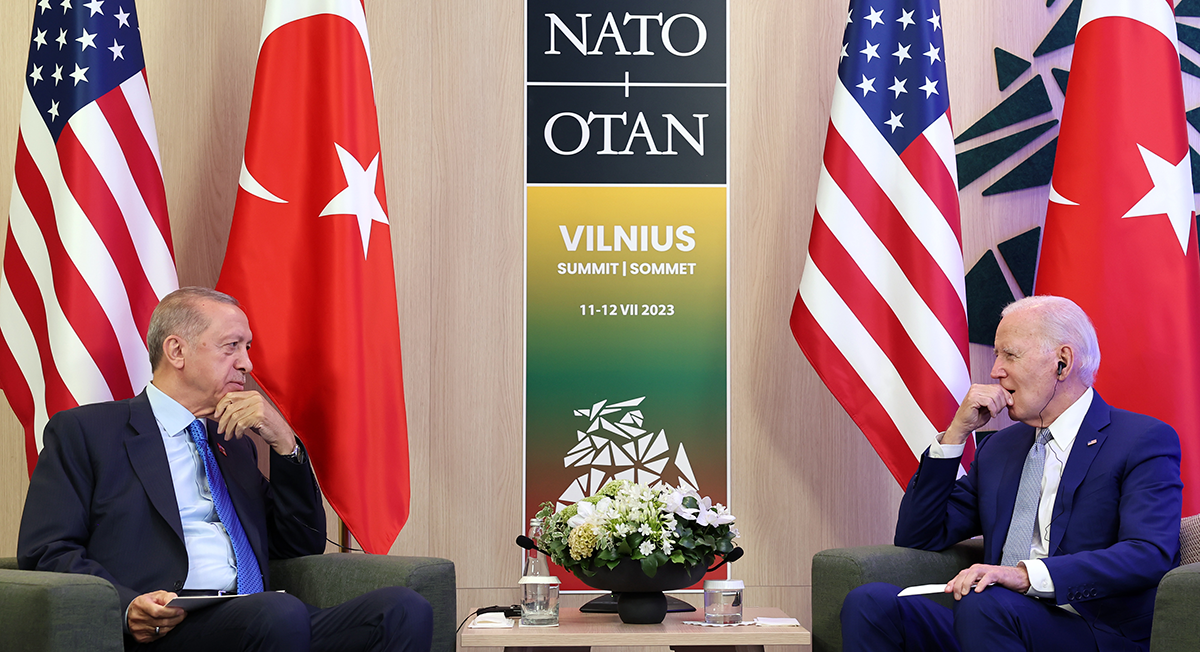
Similar to the normalization trends in domestic politics, the Justice and Development Party (AKP) government has bolstered normalization in foreign policy, aiming for integration into regional and international blocs. The domestic economic and political crises further underscored this trend, and the results of the March 2024 local elections demonstrated to the government that its polarizing discourse no longer resonates either inside or outside the country. This article analyzes the changing domestic political dynamics of foreign policy, Turkey’s role in the Western alliance with a specific emphasis on the Ukrainian War, and the Middle East normalization process in light of the Gaza conflict.
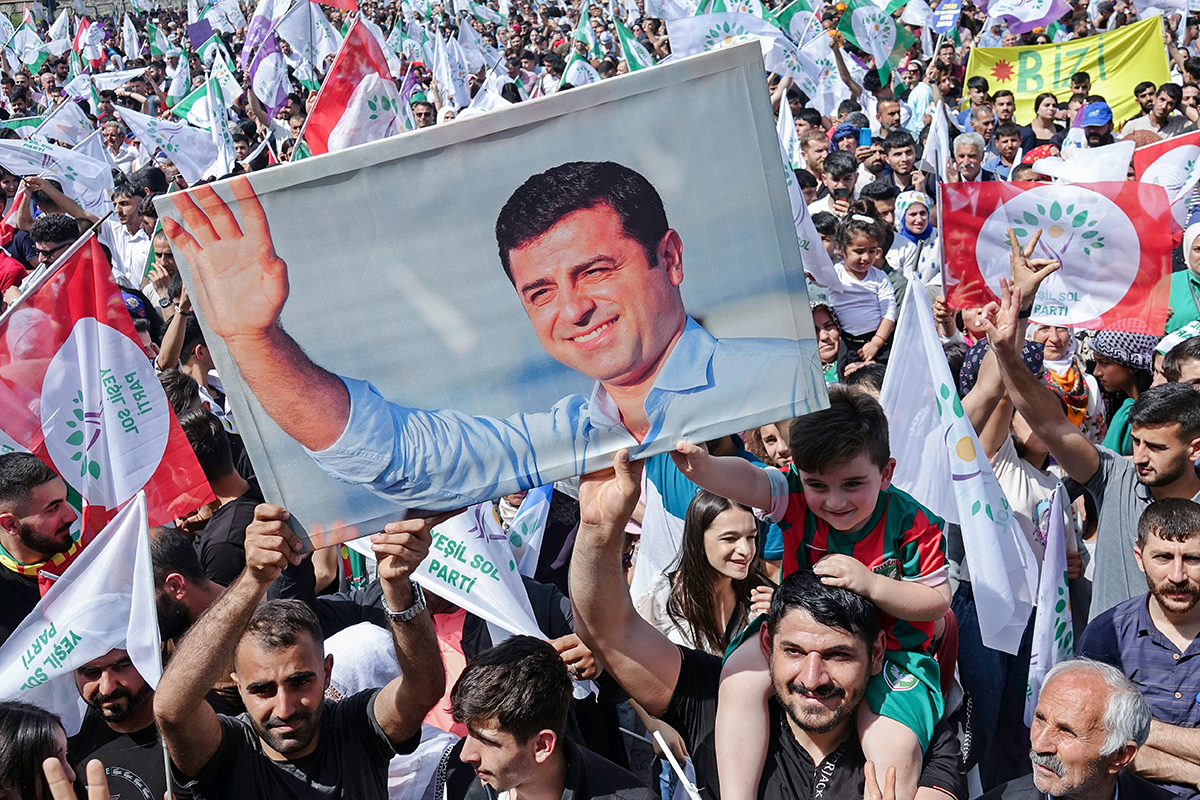
If the pro-Kurdish Peoples’ Equality and Democracy Party (DEM) were to take a more active role in efforts to peacefully resolve the Kurdish issue in Turkey, it could potentially help to break the current impasse. What this role might entail and whether the party is capable of playing it effectively are key questions. This piece will explore these issues by examining the experience of its predecessor, the Peoples’ Democratic Party (HDP), over the past decade, as well as the debates following the May 2023 general elections and March 2024 local elections.
Turkey after the 2024 elections: Transition to democracy or bumpy road to authoritarian consolidation?
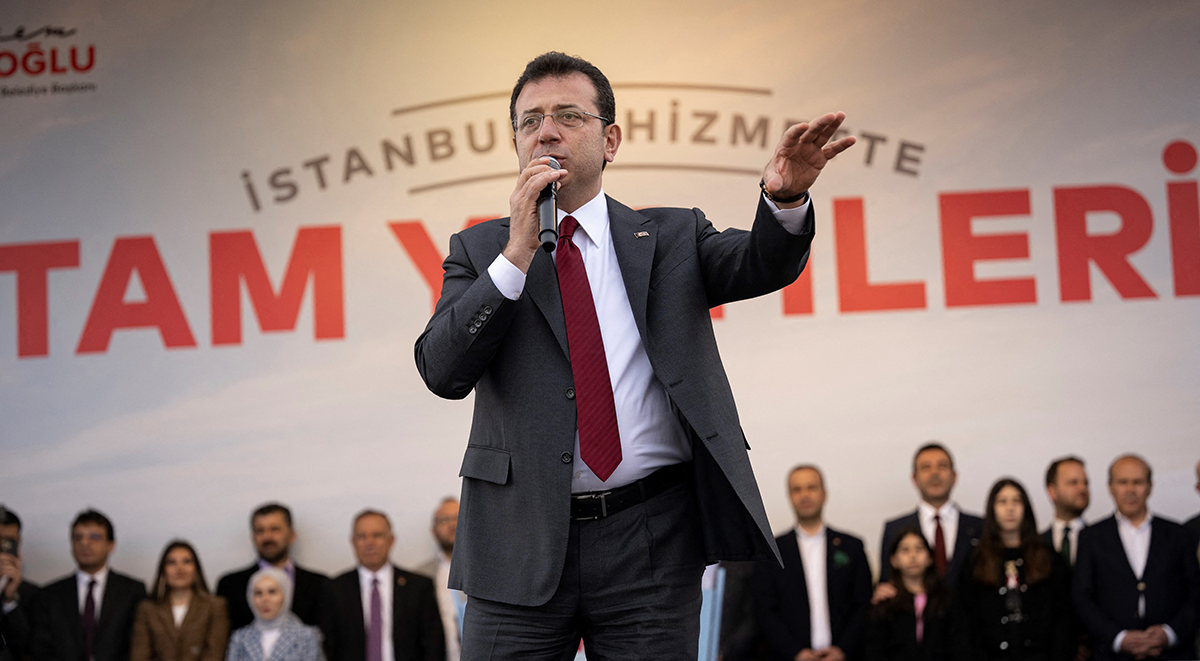
While the 2023 elections caused widespread disappointment among op-position voters and an acute rise in political apathy, the 2024 elections once again restored hopes for Turkish democratization. About a month after the local elections, President Erdoğan held a private meeting with CHP leader Özgür Özel at the AKP headquarters. The meeting ended with both leaders announcing the beginning of a new period in Turkish politics, which Erdoğan described as a “softening” and Özel as a “normalization.”
Central Asian states look to Iran as they seek to expand regional transit corridors
When Russia launched its full-scale invasion of Ukraine in late February 2022, it prompted the Central Asian states, and others, to reconsider Iran’s potential role as a transit country. In a little more than two years, Central Asia’s view of Iran has changed from international pariah to key link in lucrative trade routes.