Themes of COP28
MEI’s Climate and Water Program discusses the top issues within the themes of COP28’s agenda.
This individual is a guest contributor. MEI is not able to assist with contact requests.
Attiya Ahmad is Georgetown University’s 2009-10 Center for International and Regional Studies Post-Doctoral Fellow. She recently completed her PhD in Cultural Anthropology at Duke University. Dr. Ahmad’s work brings together scholarship on Islamic studies, globalization, diaspora and migration studies, economic anthropology, and political economy.
MEI’s Climate and Water Program discusses the top issues within the themes of COP28’s agenda.
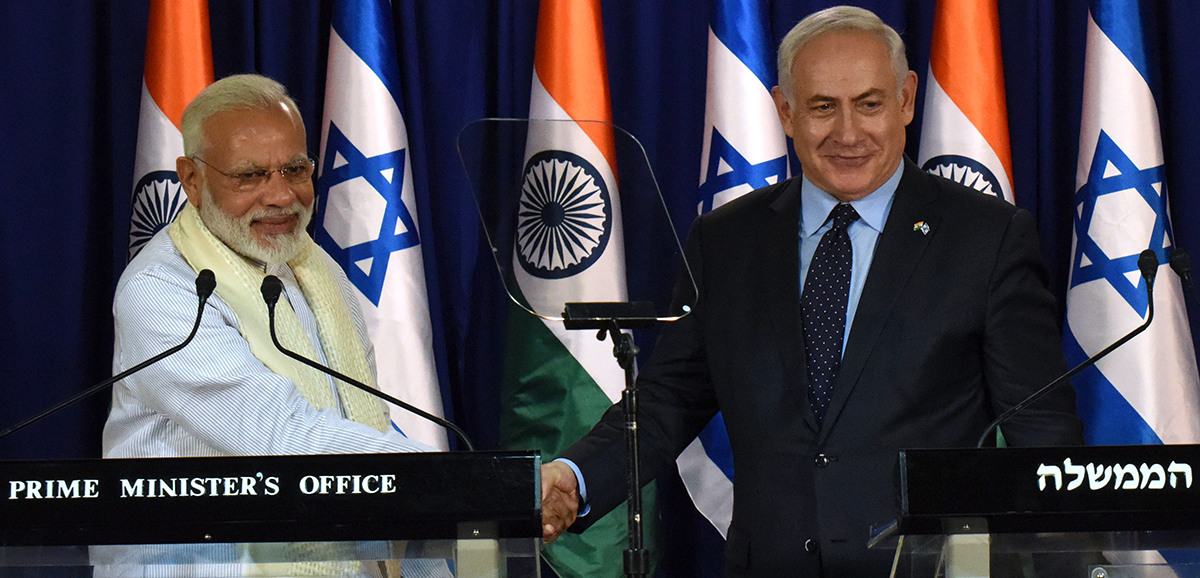
India’s response to the Oct. 7 terrorist attack on Israel and the ensuing Israel-Hamas war have underscored the notable shift in India-Israel bilateral relations that has taken place under the leadership of Prime Minister Narendra Modi.
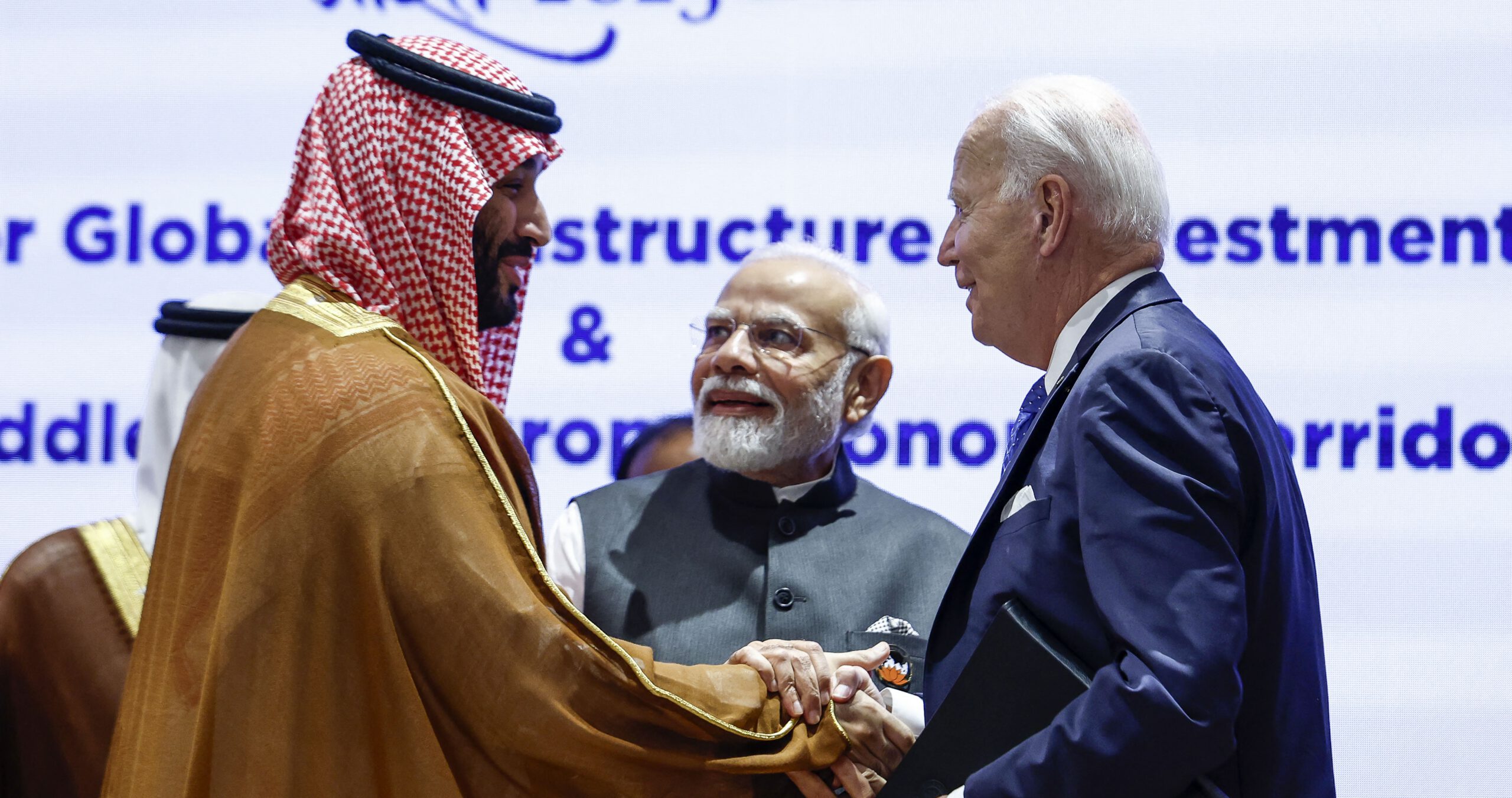
The Oct. 7 Hamas attack against Israel and the latter’s ongoing military operation in Gaza have stalled progress in the development of the India-Middle East-Europe Economic Corridor and raised questions about its prospects for eventual completion. The IMEC faces multiple viability challenges, but none of them are insurmountable; thus, its participants are unlikely to abandon it.
The year 2023 marks the 100th anniversary of the establishment of the Turkish Republic. MEI Editor-in-chief Alistair Taylor and Turkey Program Director Gonul Tol discuss where things stand today: the political landscape in the aftermath of the May 2023 elections, President Recep Tayyip Erdogan’s push for constitutional change, and how Turkey is dealing with key foreign policy issues like the Israel-Hamas war, Sweden’s NATO membership bid, and relations with the U.S.
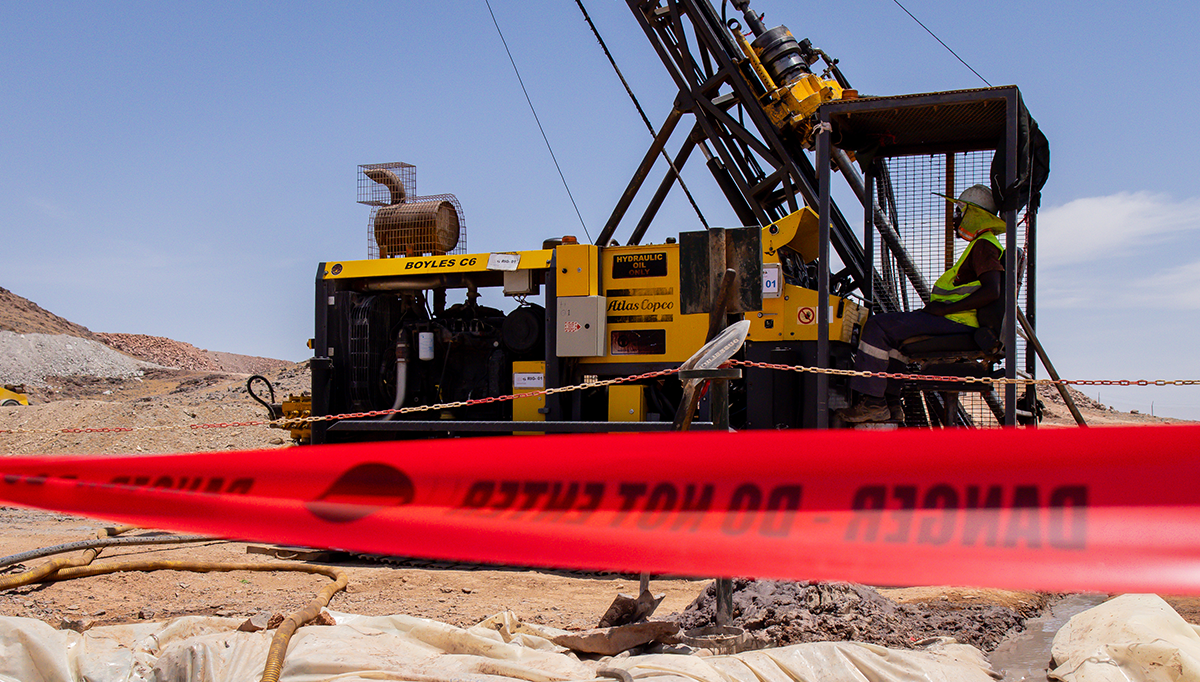
The transition toward renewable and clean energy sources, both in the Middle East and around the world, relies on the availability of critical minerals. Critical minerals are set to be the foundation upon which a sustainable, clean energy future is built, catalyzing innovation and progress on a global scale.
Read MEI’s weekly briefing featuring expert analysis of key regional developments for the week ahead.
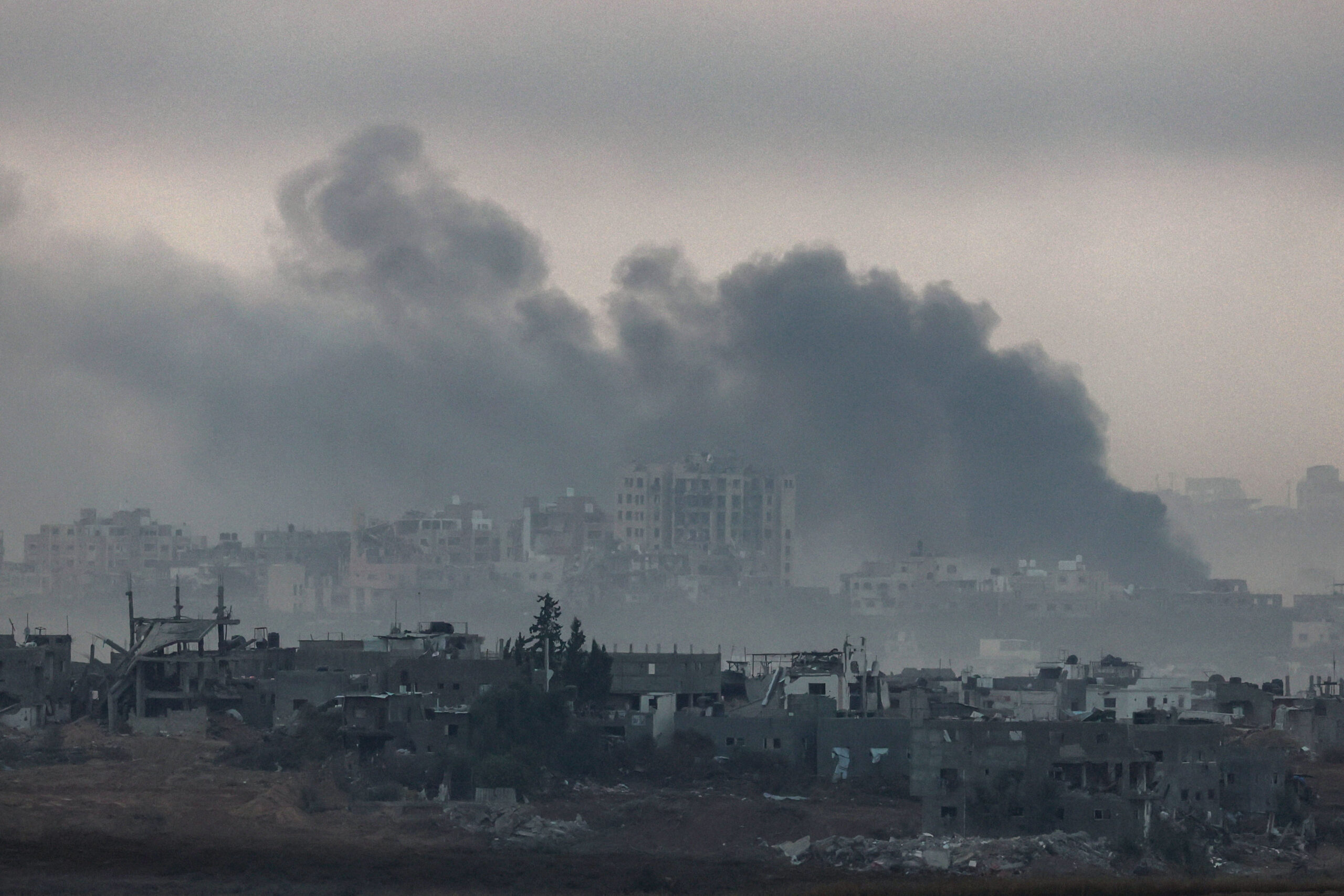
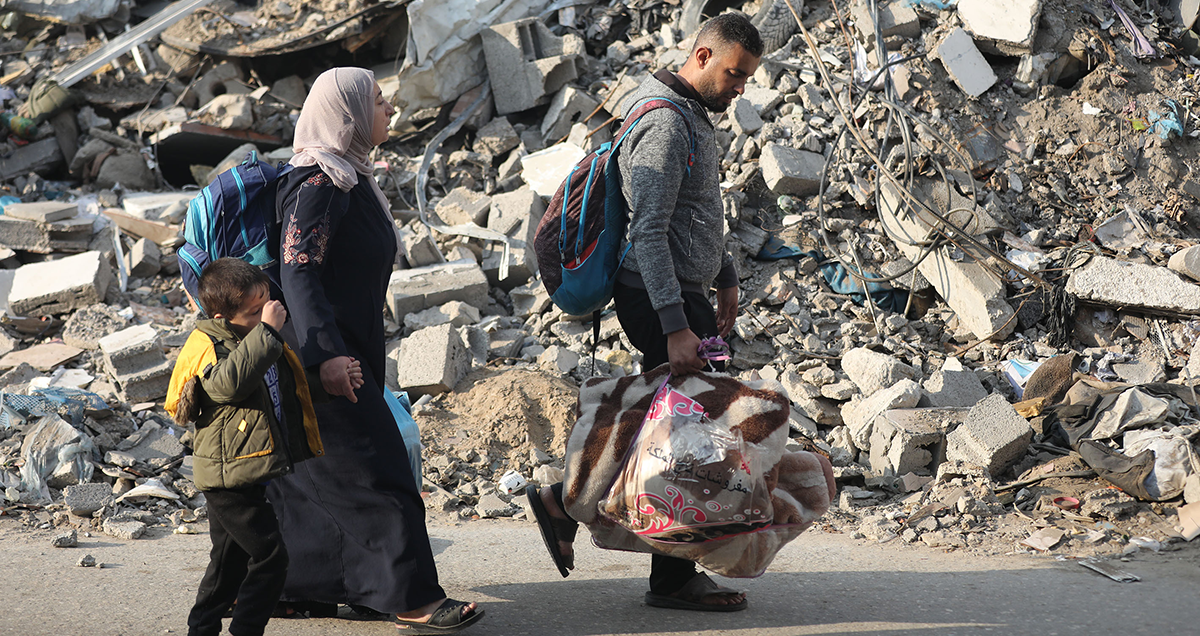
The international community is focused on “the day after” in Gaza, built on the comforting but illusory assumption that Oct. 7 never happened. In contrast, Israel and Hamas alike are engaged in a zero-sum contest to build a new system created out of blood and fire. When we consider the options for Gaza, the most instructive point of departure is the day before — that is, the evolution of Israeli occupation policies in the half century since the June 1967 war.
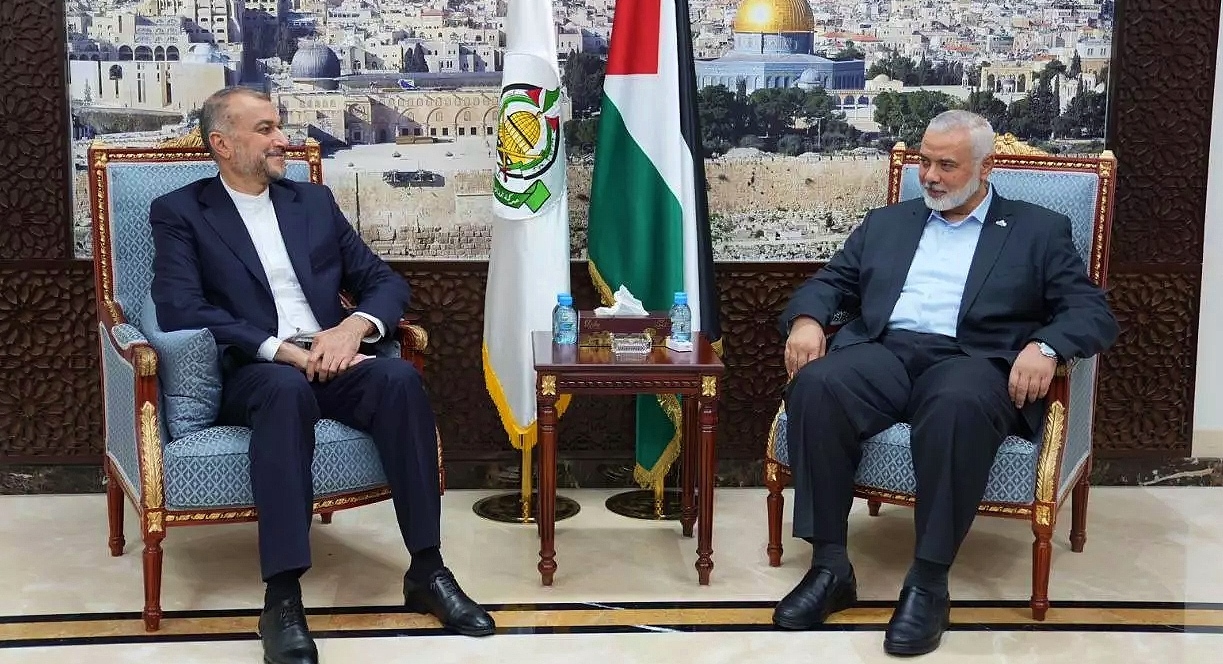
The Israel-Hamas war provides Tehran with a meaningful opportunity to fundamentally shift its position toward Israel. Should a peace process follow this latest war, Iran will have a hard choice to make – double-down on upholding its Axis of Resistance against Israel, or look for ways to work with the majority in the region that seek a feasible political settlement to the Israeli-Palestinian conflict.
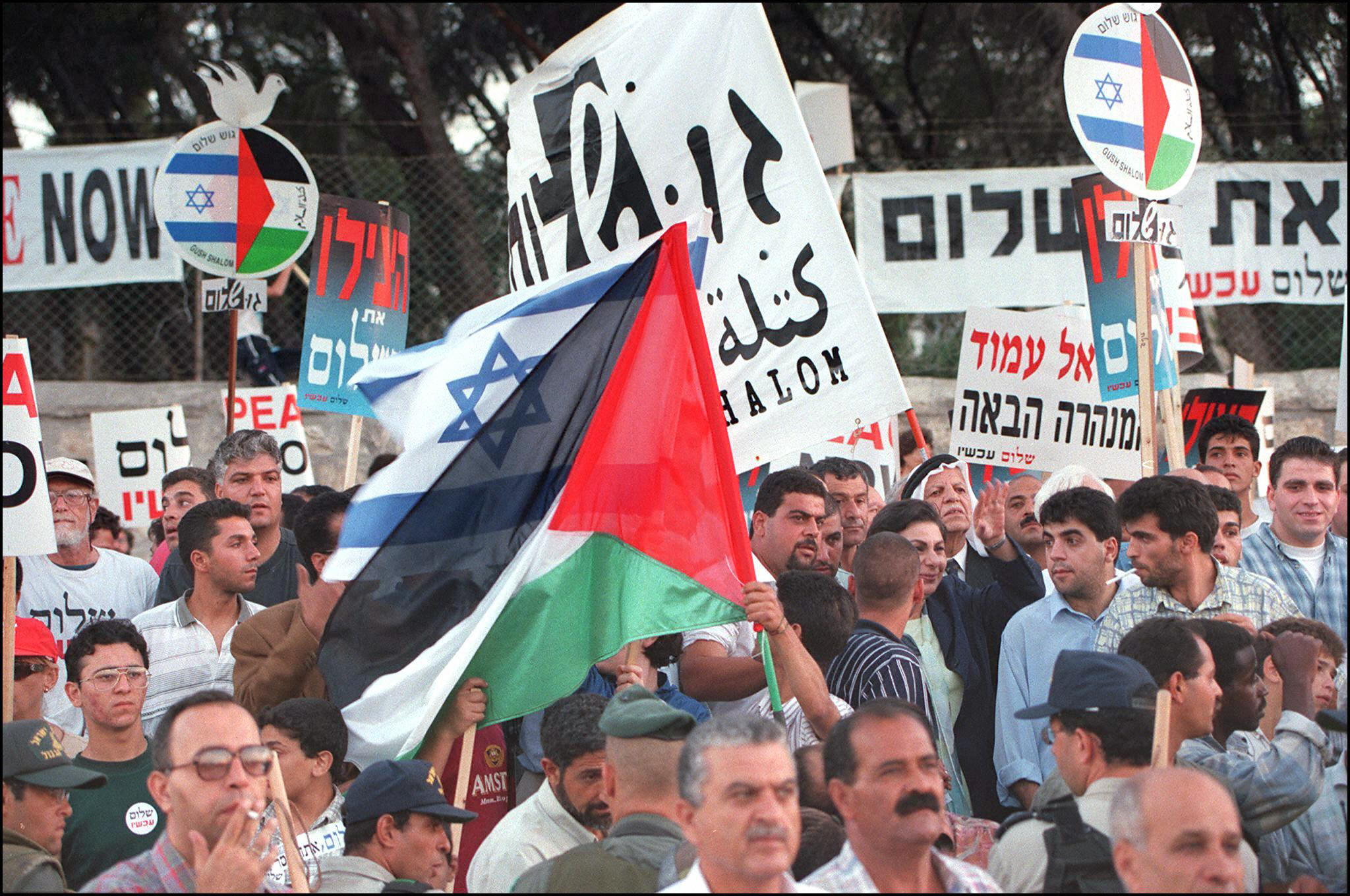
What would it take to start a new Israeli-Palestinian peace process that could actually have the prospect for enduring success? MEI has asked a group of regional and U.S. experts to weigh in.
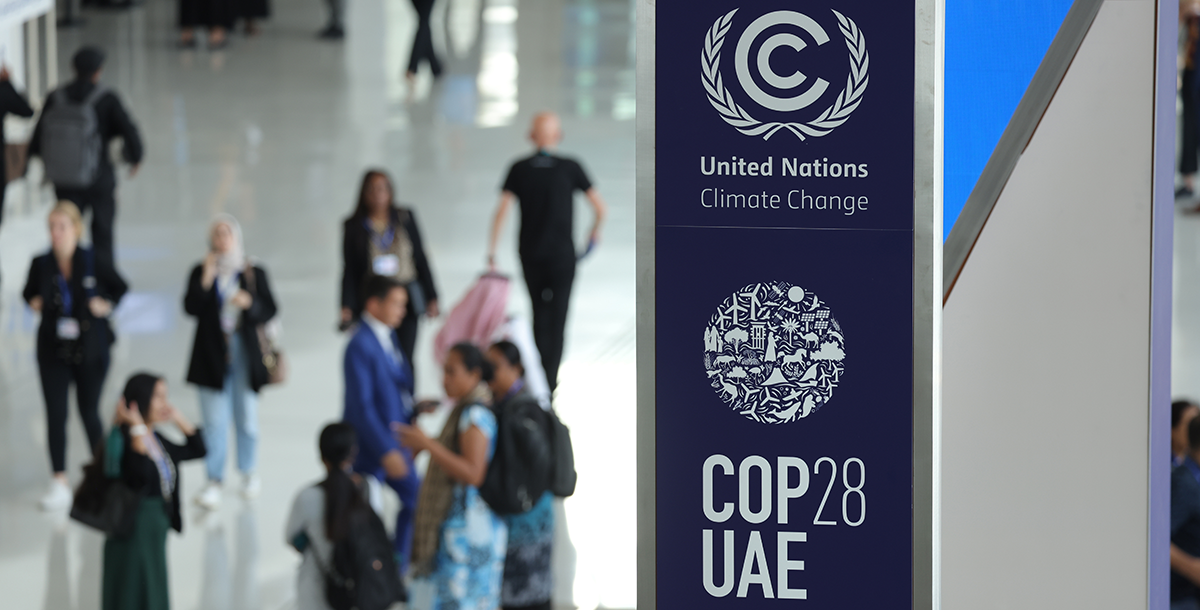
Future global warming scenarios indicate the 1.5°C target laid out under the 2015 Paris Agreement is at risk, with some projections suggest a median global warming of as much as 2.8°C by 2100. Bridging the gap between emissions and mitigation necessitates immediate, comprehensive, and far-reaching strategies in energy, cities, transportation, demand mitigation, and carbon removal. Urgent and coordinated global action is imperative to address the escalating climate crisis. The 2023 U.N. Climate Change Conference meeting in Dubai serves as a critical juncture to assess progress, address gaps in mitigation efforts, and translate net-zero goals into impactful climate action.
COP28 in Dubai carries a weighty set of expectations as the international community grapples with the urgent need to address the escalating climate crisis. It is anticipated to be a pivotal moment in the collective effort to mitigate climate change and adapt to its impacts.