This individual is a guest contributor. MEI is not able to assist with contact requests.
Attiya Ahmad is Georgetown University’s 2009-10 Center for International and Regional Studies Post-Doctoral Fellow. She recently completed her PhD in Cultural Anthropology at Duke University. Dr. Ahmad’s work brings together scholarship on Islamic studies, globalization, diaspora and migration studies, economic anthropology, and political economy.
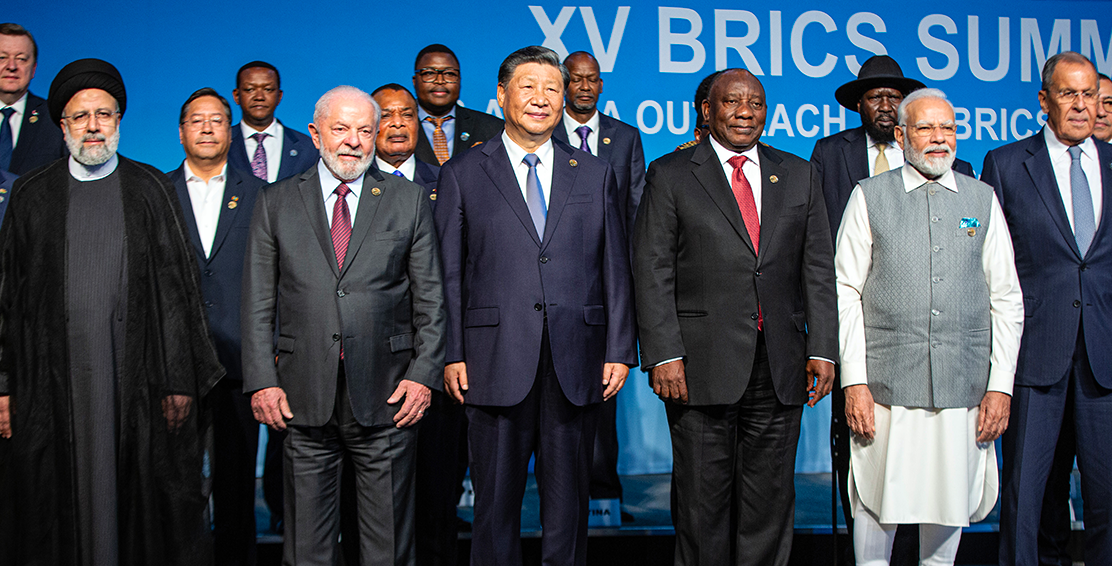
Will BRICS membership recast Iran’s foreign policy?
Iran has said that its membership in the BRICS grouping of major emerging economies, announced at the BRICS summit in South Africa in late August, is an “historic achievement,” but what’s really driving Tehran’s actions and how much is its membership likely to achieve?
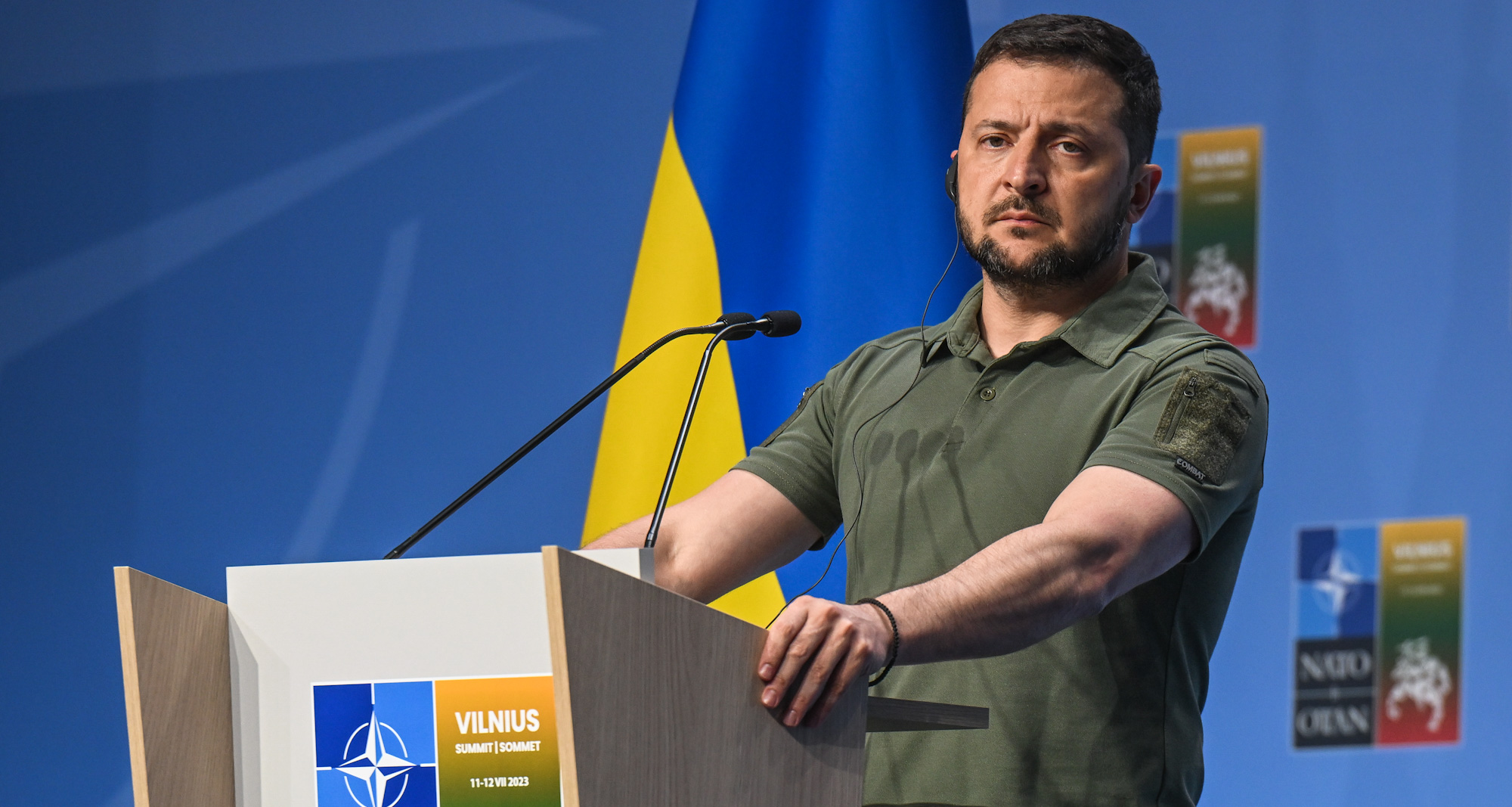
NATO membership for Ukraine: The only lasting deterrence against future Russian aggression
As important as it is for Ukraine to work with individual partners and receive their long-term support, the key security guarantor for Ukraine can only be NATO and its Article V umbrella. No arrangement other than full NATO membership will entirely remove the threat of a Russian re-invasion, at least so long as Putin remains in power.
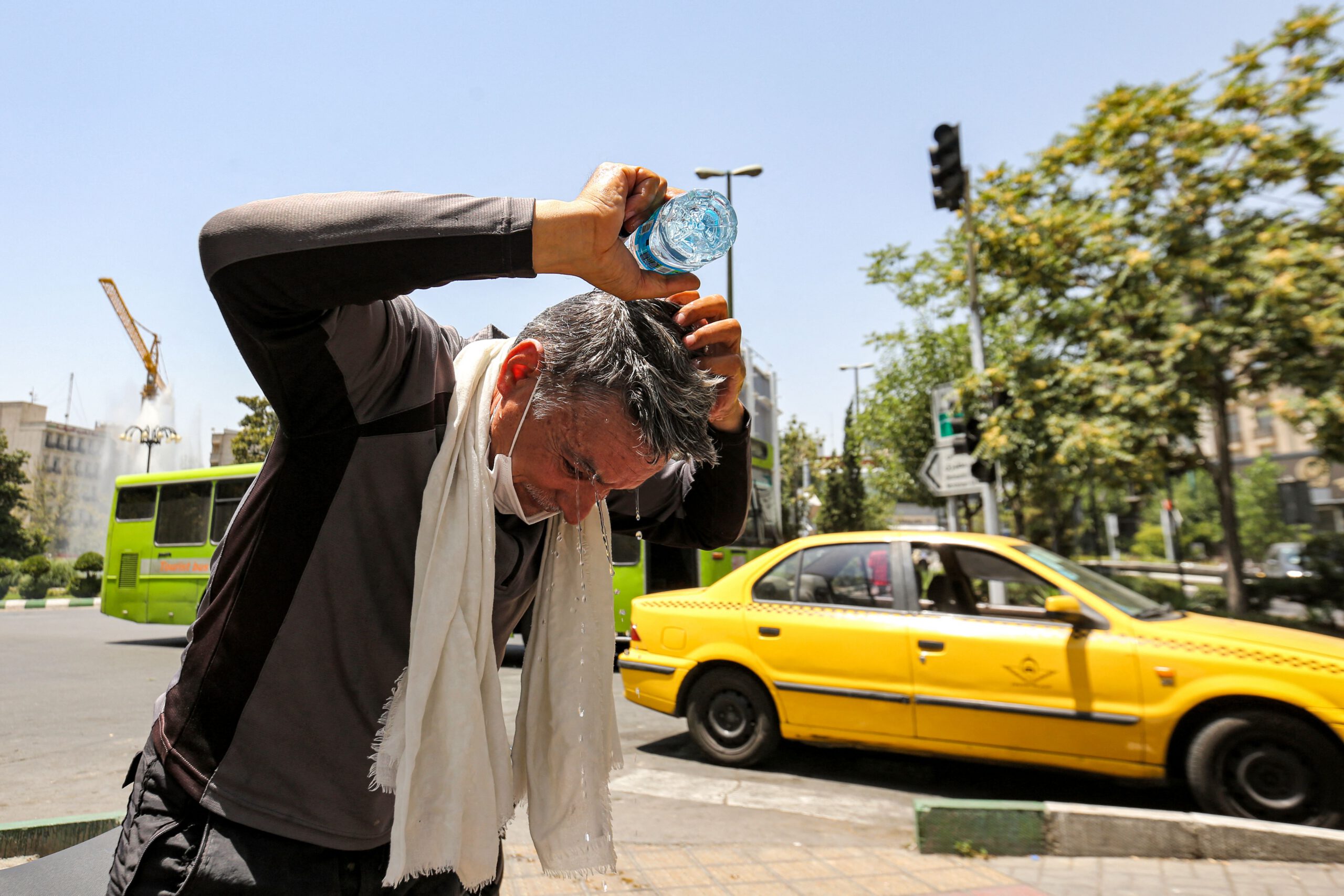
Iran has yet to ratify the 2015 Paris Agreement, but efforts to address the impact of climate change have great potential to create opportunities for mutually beneficial cooperation, building on the recent trend of regional de-escalation. Climate diplomacy represents an untapped opportunity for Iran to engage globally by incentivizing it to adopt the U.N. Sustainable Development Goals in exchange for sanctions or debt relief.
Key takeaways from Mohammed bin Salman’s Fox interview
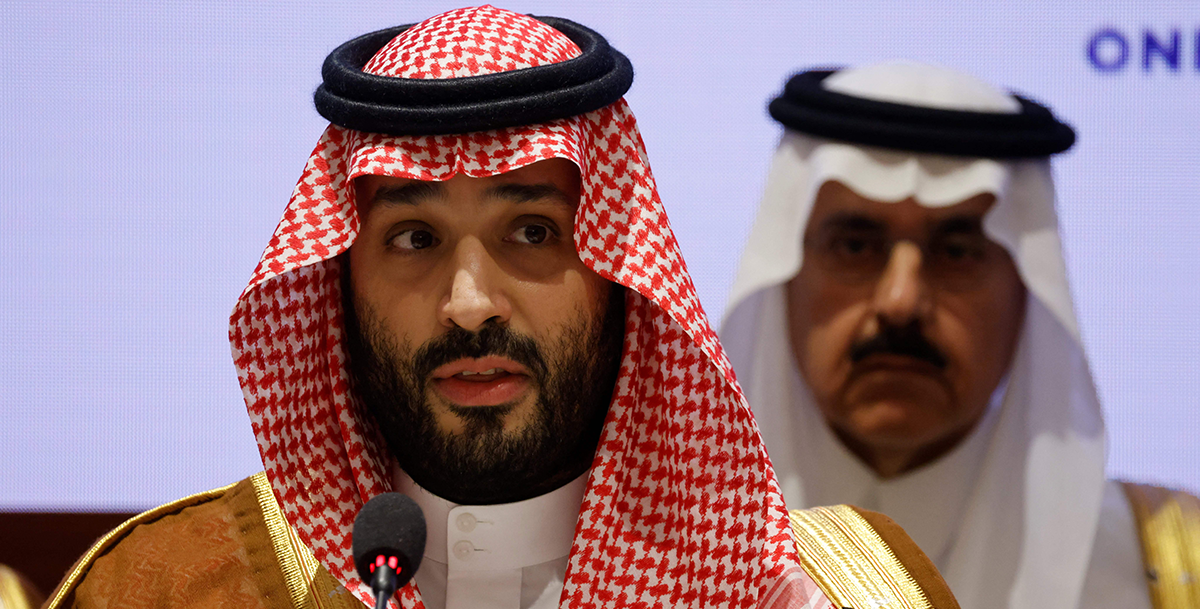
Saudi Crown Prince Mohamed bin Salman’s interview on Wednesday night with Bret Baier of Fox News didn’t break news or produce controversy. But that wasn’t the point of his appearance on one of America’s top networks.
The war next door: Omani foreign policy toward Yemen
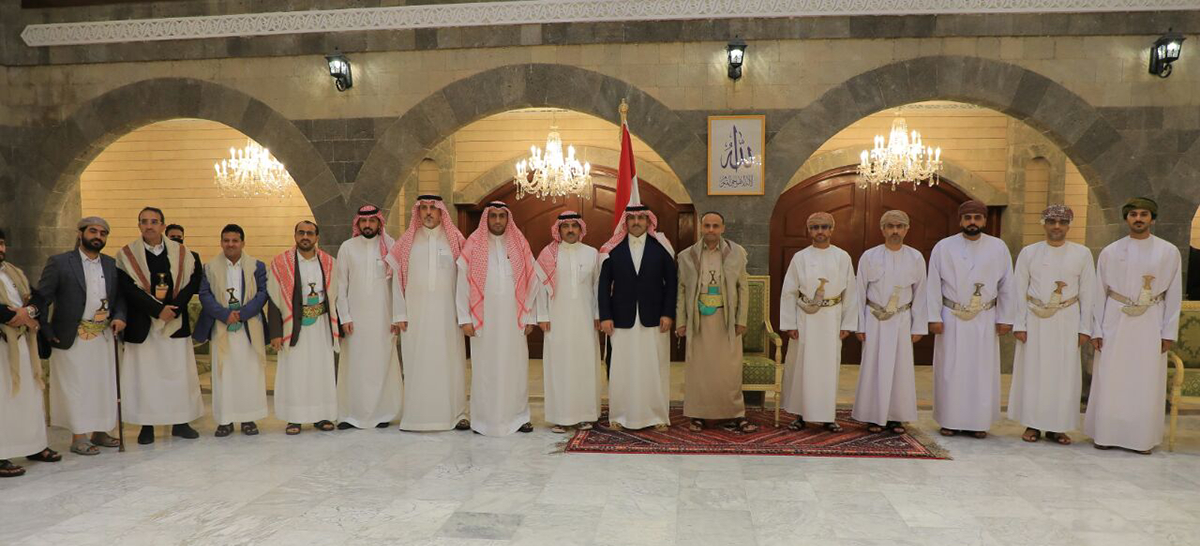
Over the past decade of turmoil, conflict, and external military intervention in Yemen, Oman’s foreign policy has emerged as the Gulf exception. Muscat has pursued a unique role, driven by both pragmatic concern and opportunity. It has harnessed its relations with most of the actors involved, including armed non-state actors, and sought to access new economic opportunities as part of its policies of strategic hedging, omni-balancing, and undeclared alignment.
When assessing the Netanyahu government's foreign policy, Israelis do not like what they see
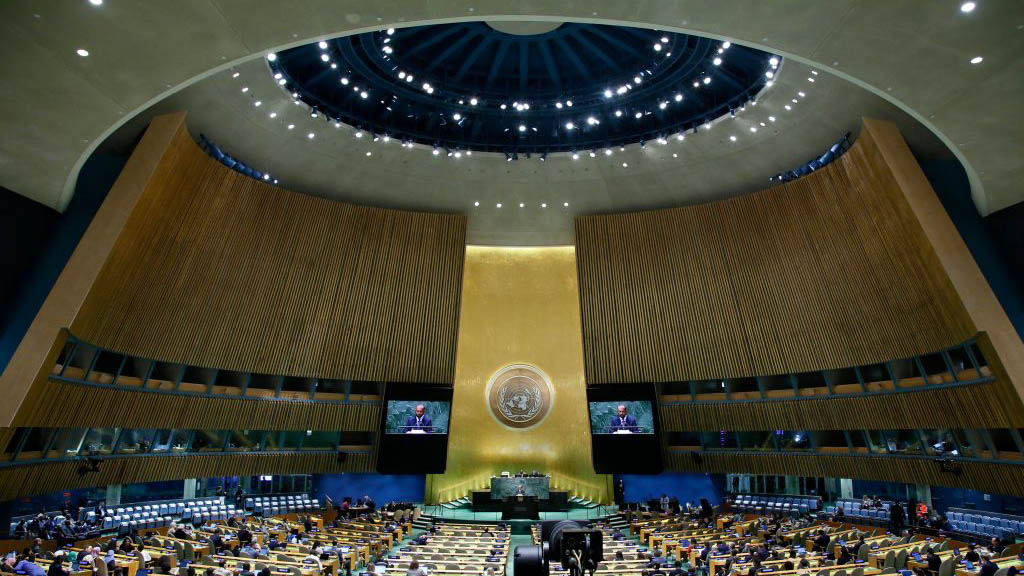
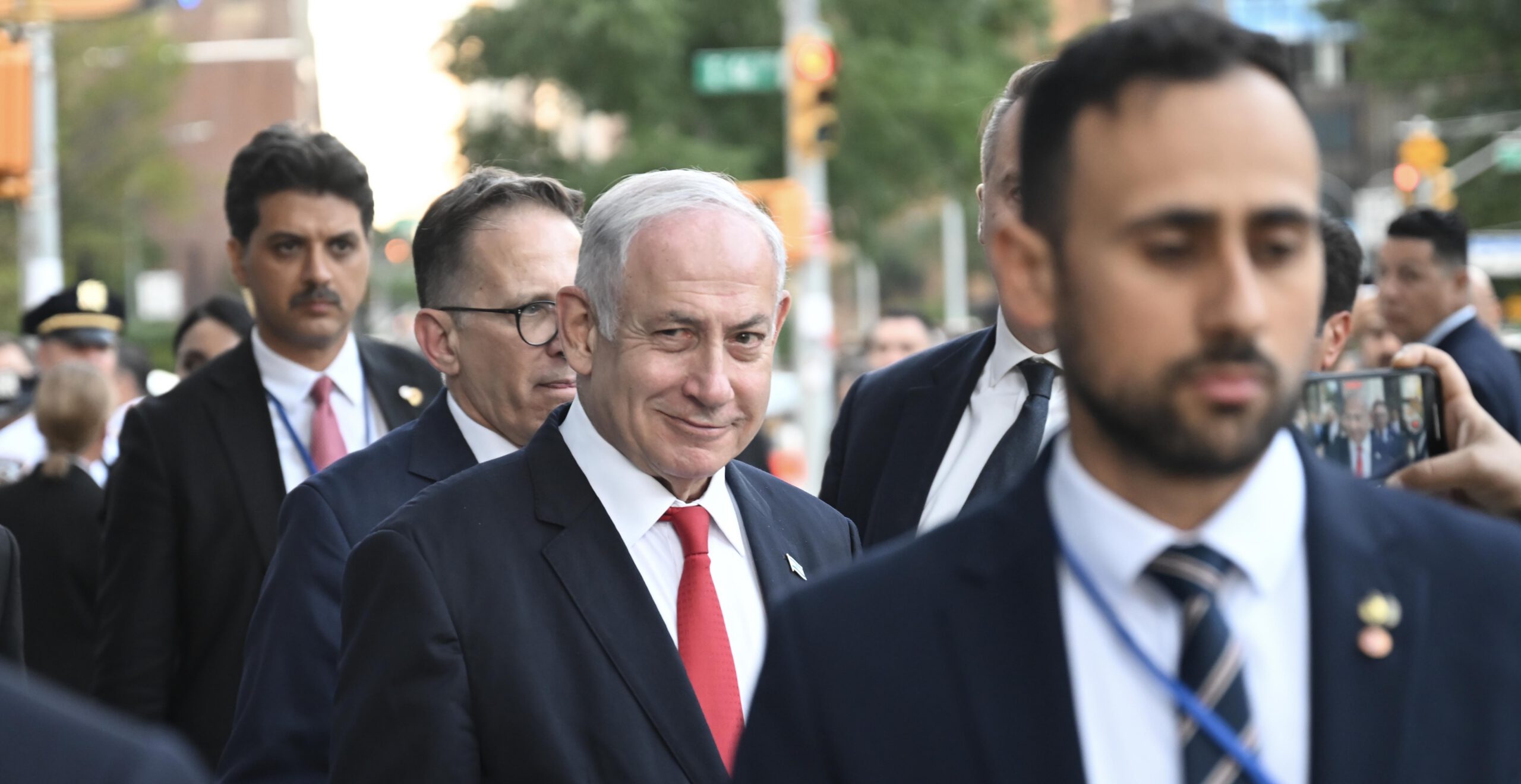
When Netanyahu takes the stage in this year’s UNGA, much fewer Israelis will see him as their country’s diplomatic savior. Rather, he will be met with unprecedented demonstrations in the streets of New York, showcasing once again the extent to which Israelis are concerned about the damage the current far-right government is causing to their country’s democracy and standing in the world.
How northern Syria’s triple water crisis is exacerbating its people’s woes
As the humanitarian, political, and economic challenges in Syria are occurring simultaneously with increasingly hot and dry summers, conflict- and climate-related factors have compounded, resulting in the emergence of a so-called “triple water crisis.”
Autocracy not reform remains Erdoğan’s recipe for Turkey
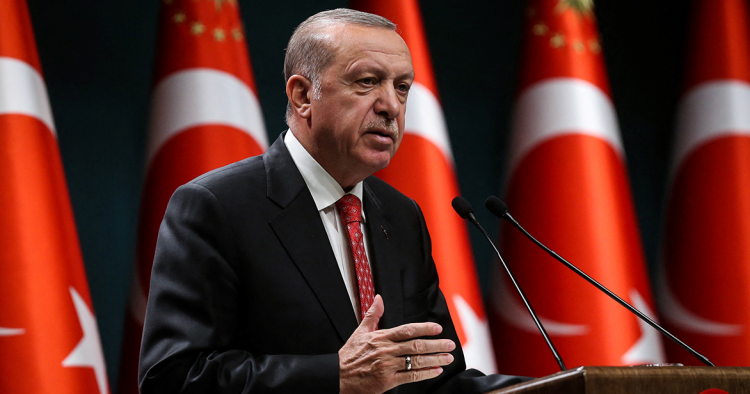
Since Turkey’s presidential election in May, western analysts have held out hope that Recep Tayyip Erdoğan will moderate his strongman style of rule. Feeding their optimism are several steps Erdoğan has taken, including appointing market-friendly technocrats to his economic team, replacing the hardline interior minister, dialling down anti-western rhetoric and voicing support for Sweden’s Nato membership. All these moves, however, are aimed at strengthening Erdoğan’s one-man rule, and the west is helping him.
Director of MEI’s Climate and Water Program Mohammed Mahmoud speaks to energy and sustainable infrastructure expert Lucia Fuselli on the role of climate financing – a critical component of initiatives aimed at reducing greenhouse gas emissions and bolstering climate resilience.
Deciphering Iran’s UNGA agenda: Lessons learned from past CICA summits
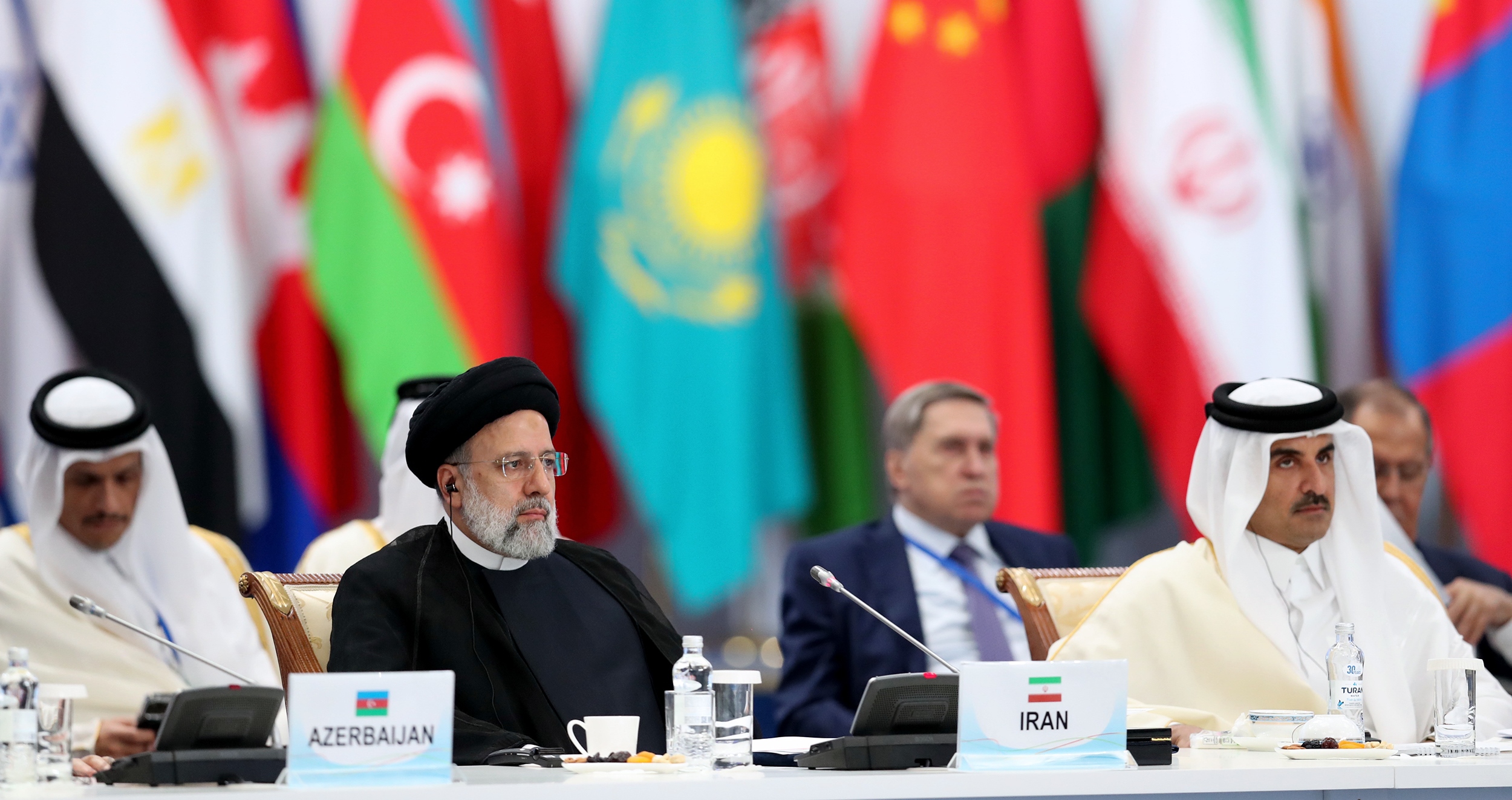
When the Iran’s President Ebrahim Raisi, visits New York for the opening of the UNGA this week, he will try to project a sense of confidence and argue that the Iranian regime is purportedly committed to building ties with its neighborhood by promoting and referring to its membership in various regional dialogue forums. Yet their existence has historically not moderated Iranian behavior.
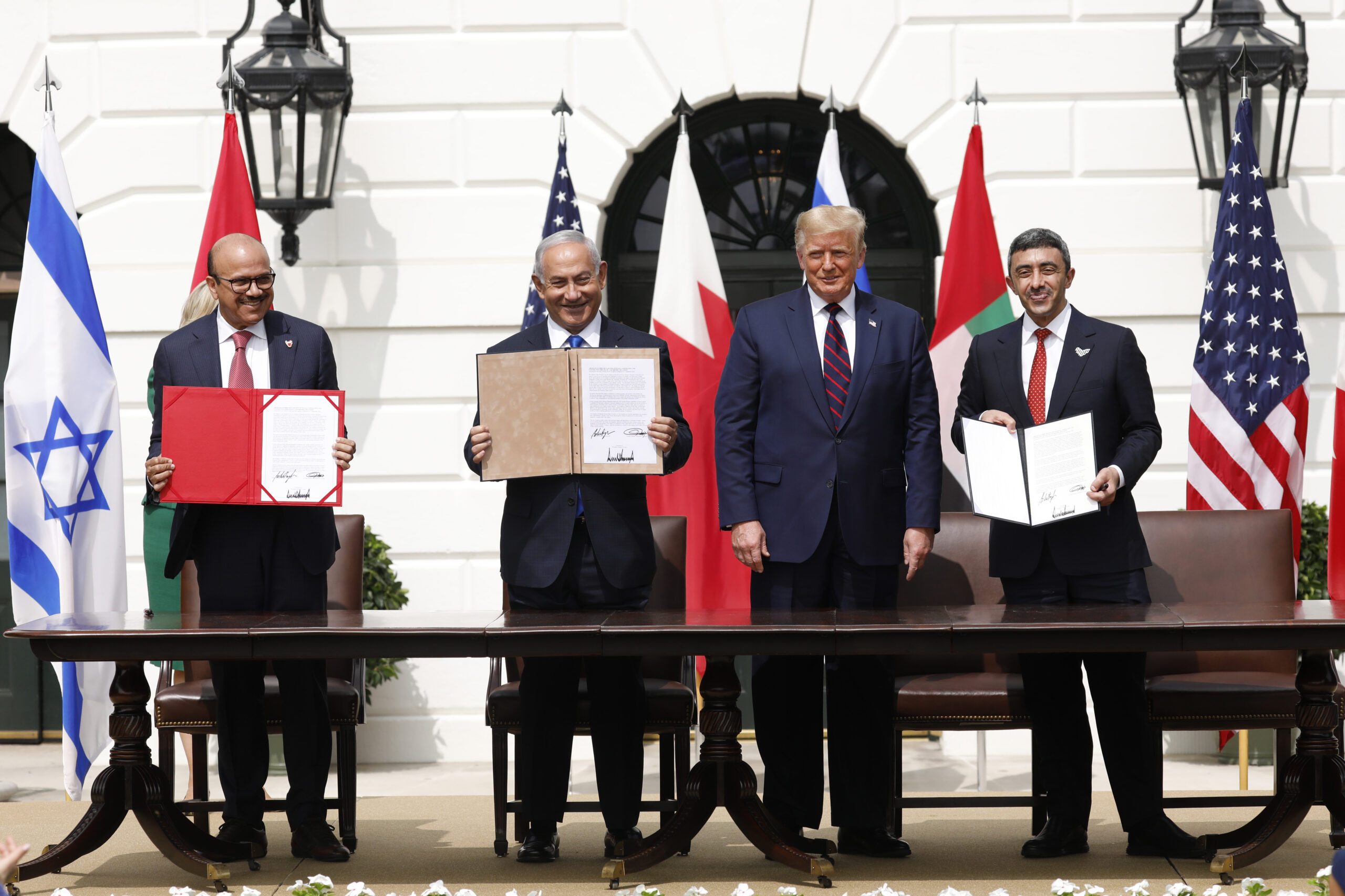
As the original Abraham Accords signatories — Israel, the United Arab Emirates, and Bahrain — observe the third anniversary of their September 2020 agreement, there is a sufficient basis to evaluate whether the Abraham Accords are real, hype, or something in-between. Much like the case a year ago, the results so far remain mixed.
At a deadlock: Spontaneous protests and the Iranian regime
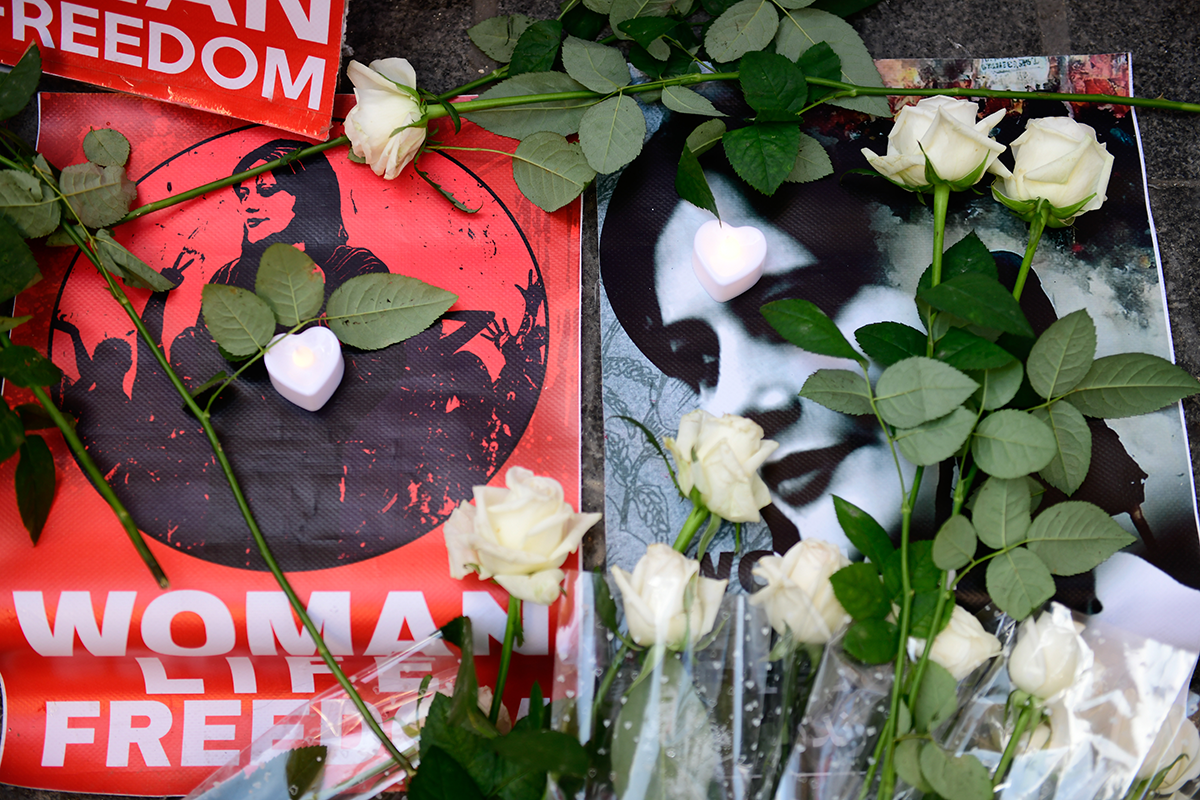
One year after the tragic death of Mahsa Jina Amini sparked nationwide protests, the Islamic Republic of Iran has been striving to suppress dissent while the spirit of resistance among the people has become an integral part of everyday life. Supreme Leader Ayatollah Ali Khamenei and his allies have failed to address underlying social grievances, and there are no indications that society will remain passive. With both sides actively resisting one another, the options for the Iranian regime and the protest movement have narrowed, potentially leading to a reignition of demonstrations and street confrontations.
From normalization to non-aggression: The next step in Iran-Saudi ties
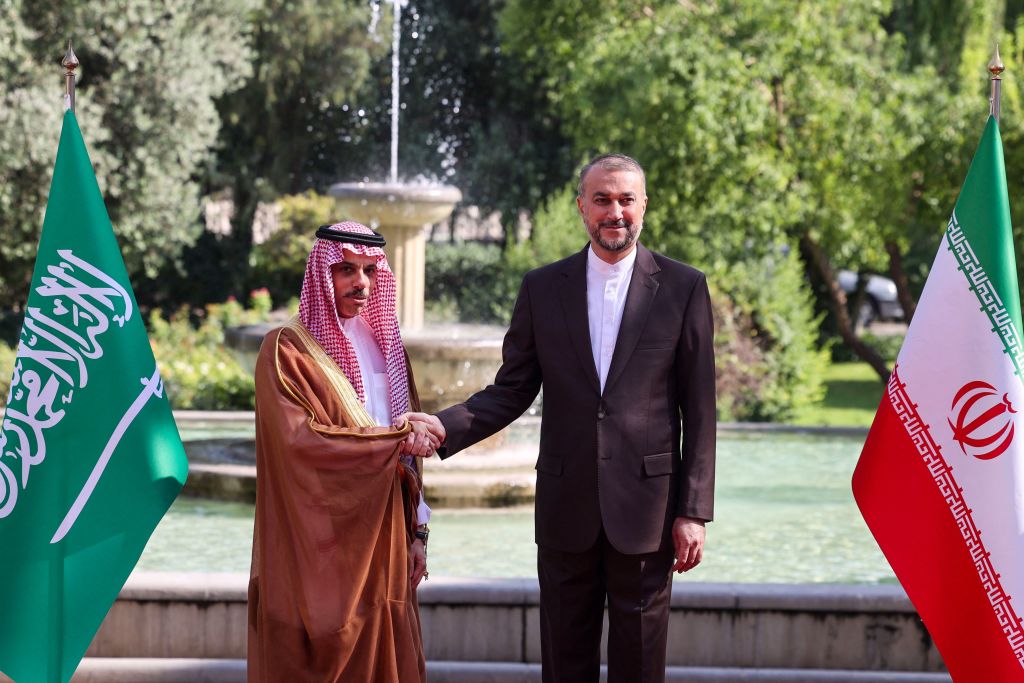
The groundbreaking March 2023 normalization deal between Saudi Arabia and Iran could potentially reshape the political landscape of the Middle East. It has already paved the way for de-securitization and the resumption of diplomatic relations. However, critical security issues remain unresolved, casting doubt on the long-term sustainability of the process. Capitalizing on this rare opportunity, Riyadh and Tehran should move forward to finalize a comprehensive non-aggression pact as the foundation for their future security relations.