This individual is a guest contributor. MEI is not able to assist with contact requests.
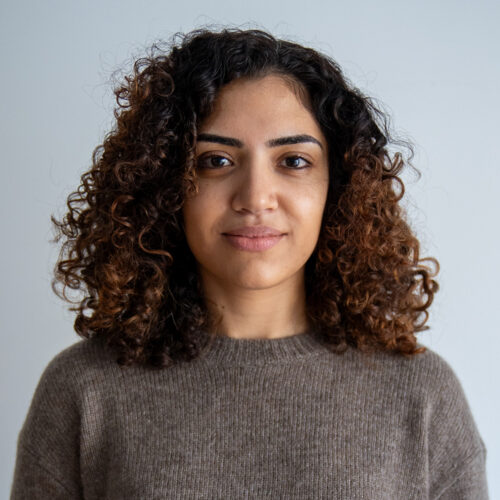
Dr. Carmen Geha is an activist, scholar, and consultant with more than 15 years’ experience working for international organizations across the MENA region with expertise in governance and institutional reform. She is currently a senior member at the Inter-disciplinary Research Group on Migration at Pompeu Fabra University in Spain, and has been awarded the prestigious Maria Zambrano fellowship by the Catalan government. She was also a tenured associate professor at American University in Beirut and co-founding member of the Center for Inclusive Business and Leadership for Women at the Olayan School of Business. She has been the recipient of multiple research grants from international organizations such as the European Union, U.S. Department of State, and Norwegian Research Council. She is the author of a book on civil society and political reform in Lebanon and Libya and has published multiple peer-reviewed articles on a broad range of topics in the MENA region. Carmen has been recipient of the Fulbright visiting scholar award at Harvard University and the Mellon grant fellowship at the Institute for Advanced Study.
Political Complexities of Return: Syrian Refugees in Lebanon
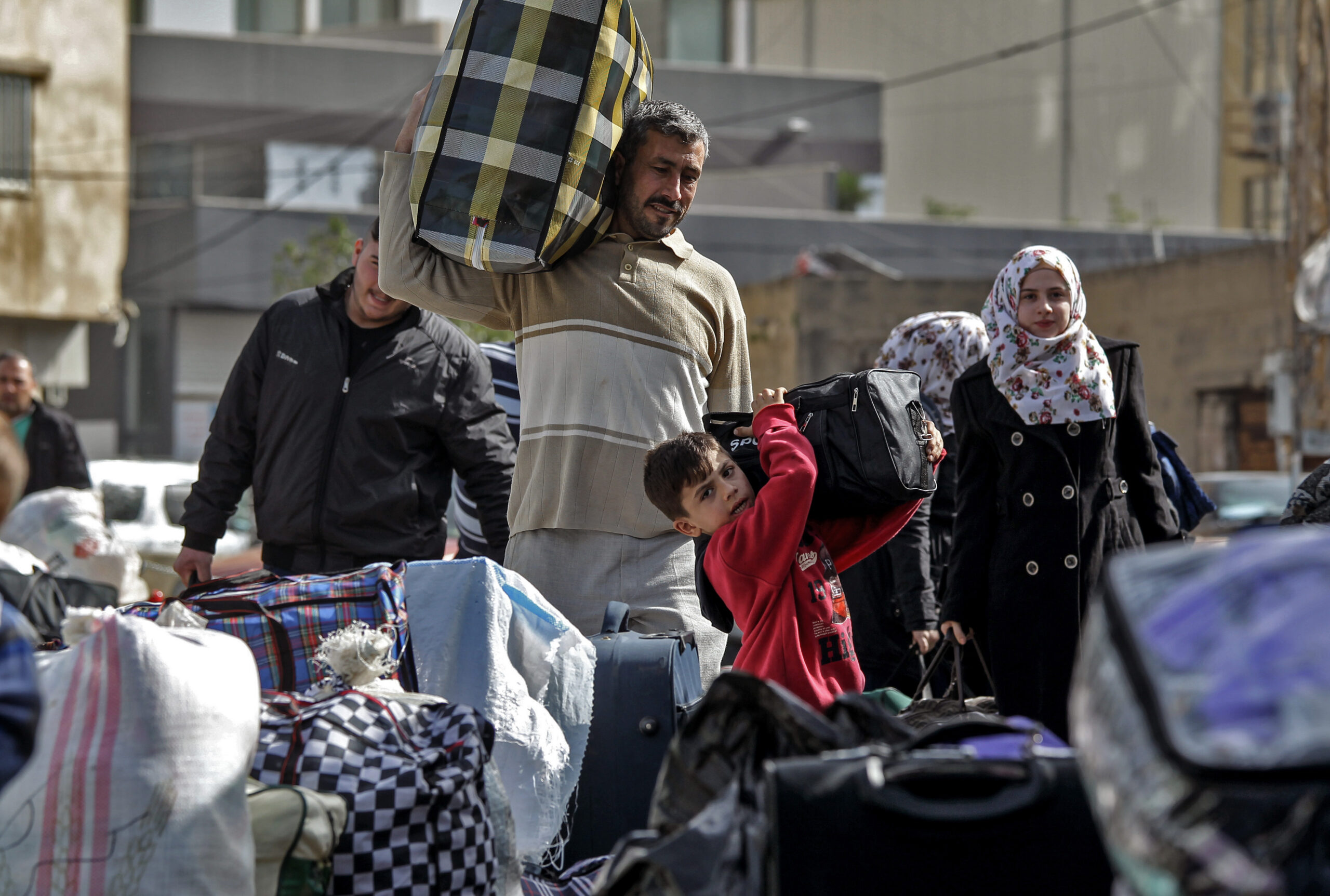
This essay explores political complexities of the country hosting the highest number of refugees per capita worldwide: Lebanon. Rampant corruption and sectarian rhetoric paired with political complexities now threaten the lives and futures of Syrians residing in Lebanon. This article discusses two of these major complexities below and explain their implications on Lebanese and Syrians residing in some of the country’s most impoverished areas.
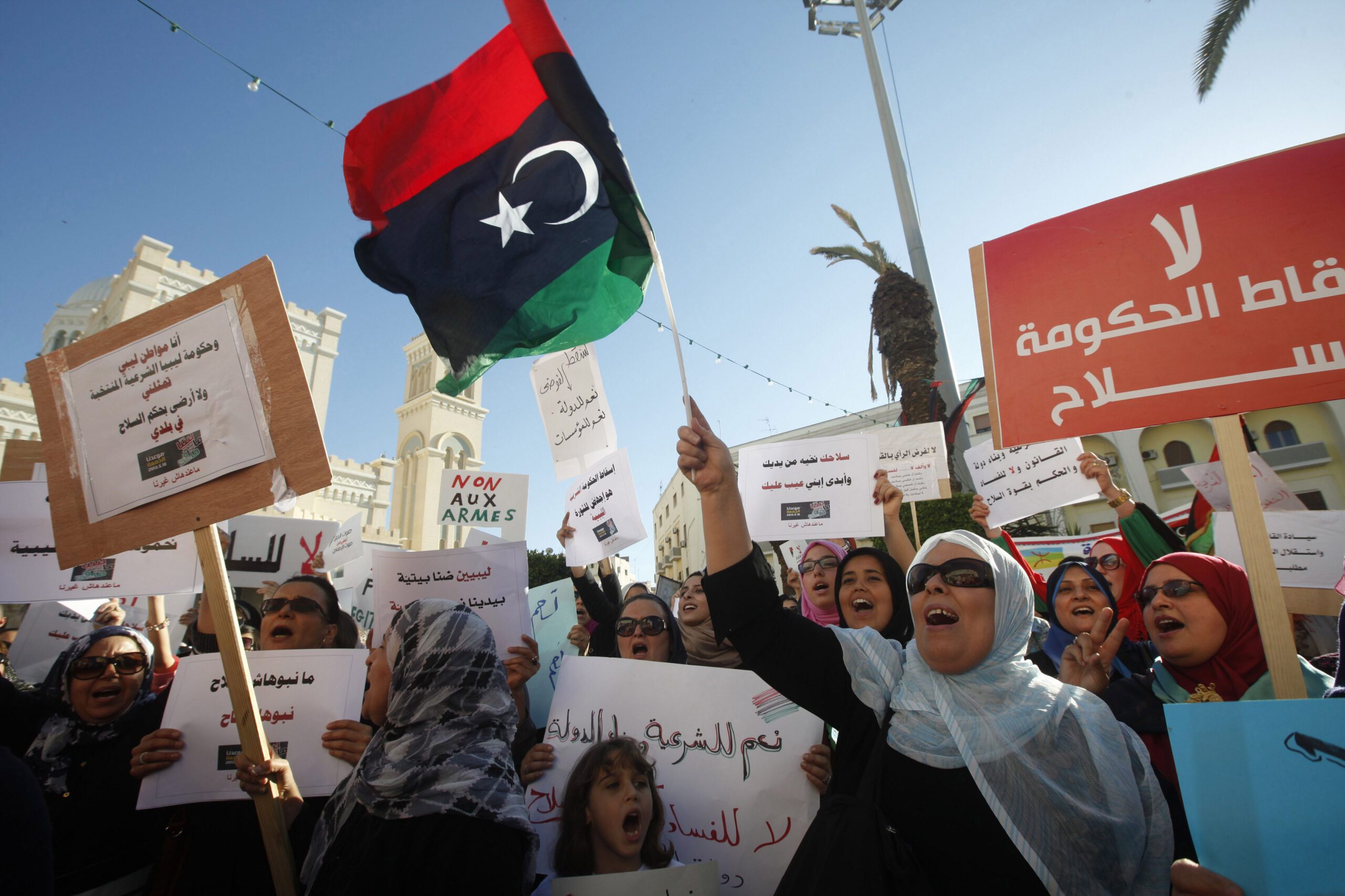
This essay, which draws upon extensive field research in Libya over the period 2011-2013, seeks to shed light on an under-theorized area of research, namely the forces that challenge an emerging civil society during a political transition. In doing so, the essay makes two contributions to knowledge, first by arguing the value and inevitable role of civil society in a divided or conflict-ridden society, and second by helping readers better understand and unpack the case of Libya’s disrupted and dispersed civil society.
The Syrian Refugee Crisis and Lebanon’s Endemic Deadlocks: Trading Reform for Resilience
The huge influx of Syrian refugees into Lebanon has placed an enormous strain on the country’s already fragile economy, society and politics. In absorbing this massive external shock, Lebanon has thus far displayed extraordinary community resilience. In that sense, Lebanese communities have actually something to teach the world about welcoming refugees and sharing limited resources despite social, political, and economic grievances caused by the crisis. But international donors’ promotion of the narrative of Lebanon’s resilience has come at a cost, namely the further delay of structural and political reforms that are of critical importance to the country’s future.