This individual is a guest contributor. MEI is not able to assist with contact requests.
Dr. Christopher K. Lamont is Associate Professor of International Relations in the Institute for International Strategy at Tokyo International University in Japan. He has previously held positions as Assistant Professor at the University of Groningen in The Netherlands, and postdoctoral fellow in the Transitional Justice Institute at the University of Ulster in Northern Ireland. He was also a Visiting Associate Professor at Kobe University’s Graduate School of International Cooperation Studies and a Specially Appointed Associate Professorship at Osaka University’s Osaka School of International Public Policy. His latest edited volume, New Critical Spaces in Transitional Justice, was recently published by Indiana University Press.
Japan-Libya Relations: A Window on Japan’s Diplomacy in the Middle East and North Africa
The story of Japan’s relationship with Libya, which Tokyo often maintained even as other countries were shunning former Libyan dictator Muammar al-Qadhafi as a pariah, predates the latest outreach by many decades. This story provides a fascinating window into Japanese diplomacy in the Middle East and North Africa (MENA) more broadly. More specifically, the story of Japan-Libya relations shows how Tokyo often pursued its own interests in the MENA region despite the preferences of the United States, with which Japan has a longstanding security alliance.
Japan and the Middle East: Navigating U.S. Priorities and Energy Security
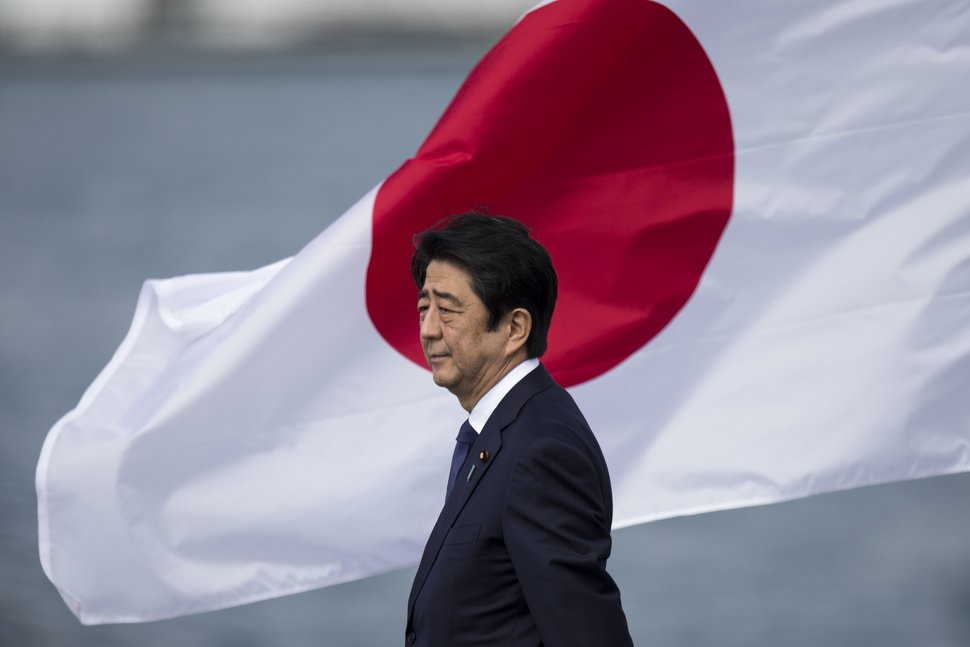
How have Prime Minister Shinzo Abe’s efforts to recalibrate Japan’s foreign policy affected his approach to the Middle East? Japanese policy in the region has often been forced to balance between U.S. priorities and Tokyo’s own energy security needs. As the authors argue in this article, even on those rare occasions when Japan has shown signs of a more activist foreign policy in the Middle East, the pendulum tends to swing back to a cautious, energy security-focused approach that reflects caution, neutrality, and the avoidance of military entanglements.
Transitional Justice and the Politics of Lustration in Tunisia
No transitional justice dilemma is more contested in Tunisia than that of lustration and vetting. While trials of former ruling elites, either in absentia or in the courtroom, grab international headlines, the question of how to deal with the tens of thousands of former Ben Ali regime functionaries who were complicit in past abuses yet are not likely to be brought to trial has proven even more politically charged. To be sure, the question over the fate of these potential targets of lustration and vetting continues to contribute to Tunisia’s prolonged post-revolutionary political crisis, as draft laws on lustration and ad hoc leaks from state archives solidify cleavages among Tunisia’s diverse array of transitional political actors.