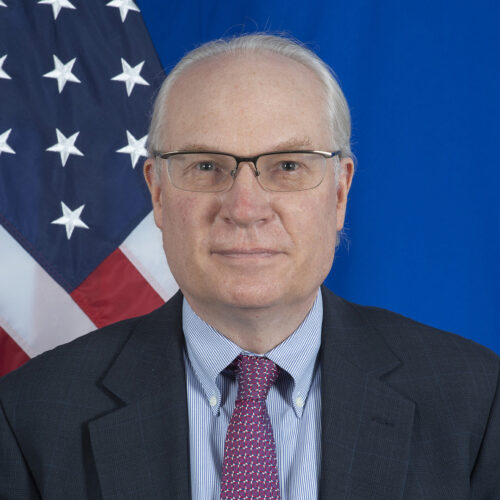
This individual is a guest contributor. MEI is not able to assist with contact requests.
Dmitriy Frolovskiy is a political analyst and consultant on policy and strategy in the Middle East and Central Asia, and has written about Russia’s foreign policy toward the Gulf Cooperation Council states and former Soviet territories. His writings have been featured in Foreign Policy, The Hill, the Carnegie Moscow Center blog, Al-Jazeera, and others outlets.
Russia’s involvement in the Middle East: Building sandcastles and ignoring the streets
The collapse of the OPEC+ deal and the diplomatic impasse in Syria reveal the intrinsic fragility of Russia’s gains in the Middle East. Building relations with the region’s autocratic leaders and maintaining a status quo based on a personalistic approach might be effective for some time, but in the long run the Kremlin’s strategy fails to institutionalize relations and thus will be unable to protect them from disruption.
For Russia, Libya and Idlib are now part of the same gamble
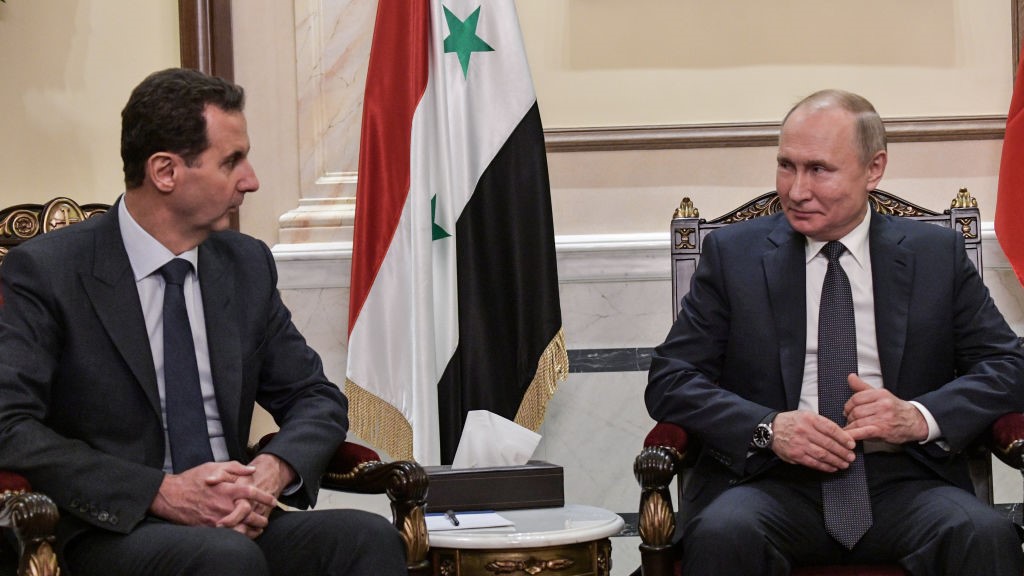
Although Moscow continues to reap the benefits of its Syrian campaign, it is increasingly faced with diminishing returns. Despite its greater geopolitical involvement in the country, the Kremlin has so far failed to extract major economic dividends and may soon face increased competition from Tehran. With Syria’s future clouded in uncertainty and the unresolved issue of the Idlib region hanging like the sword of Damocles over any potential political settlement, Russia is now trying to bring the Libyan conflict into the equation as well.
Are the Kremlin’s gains in the Middle East sustainable?
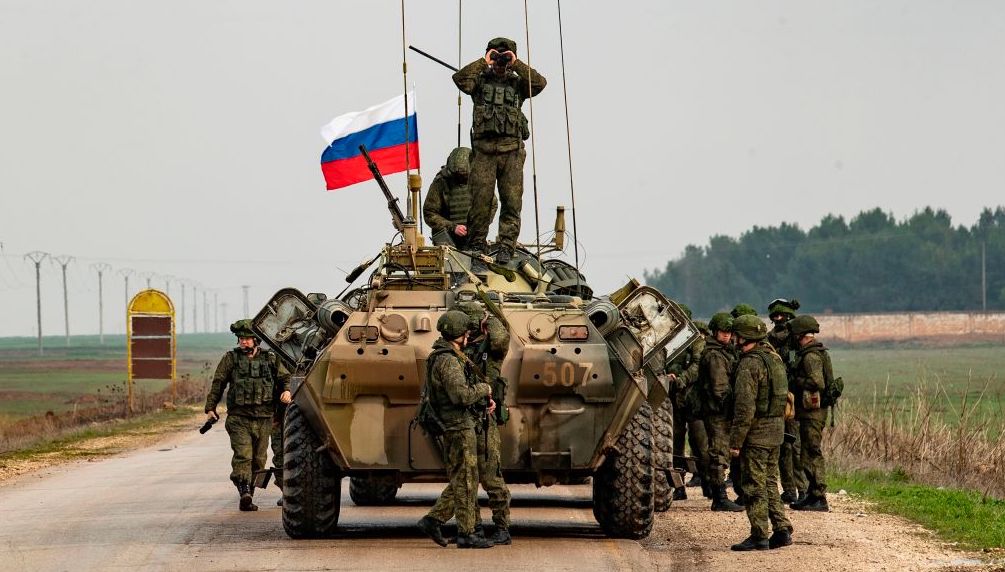
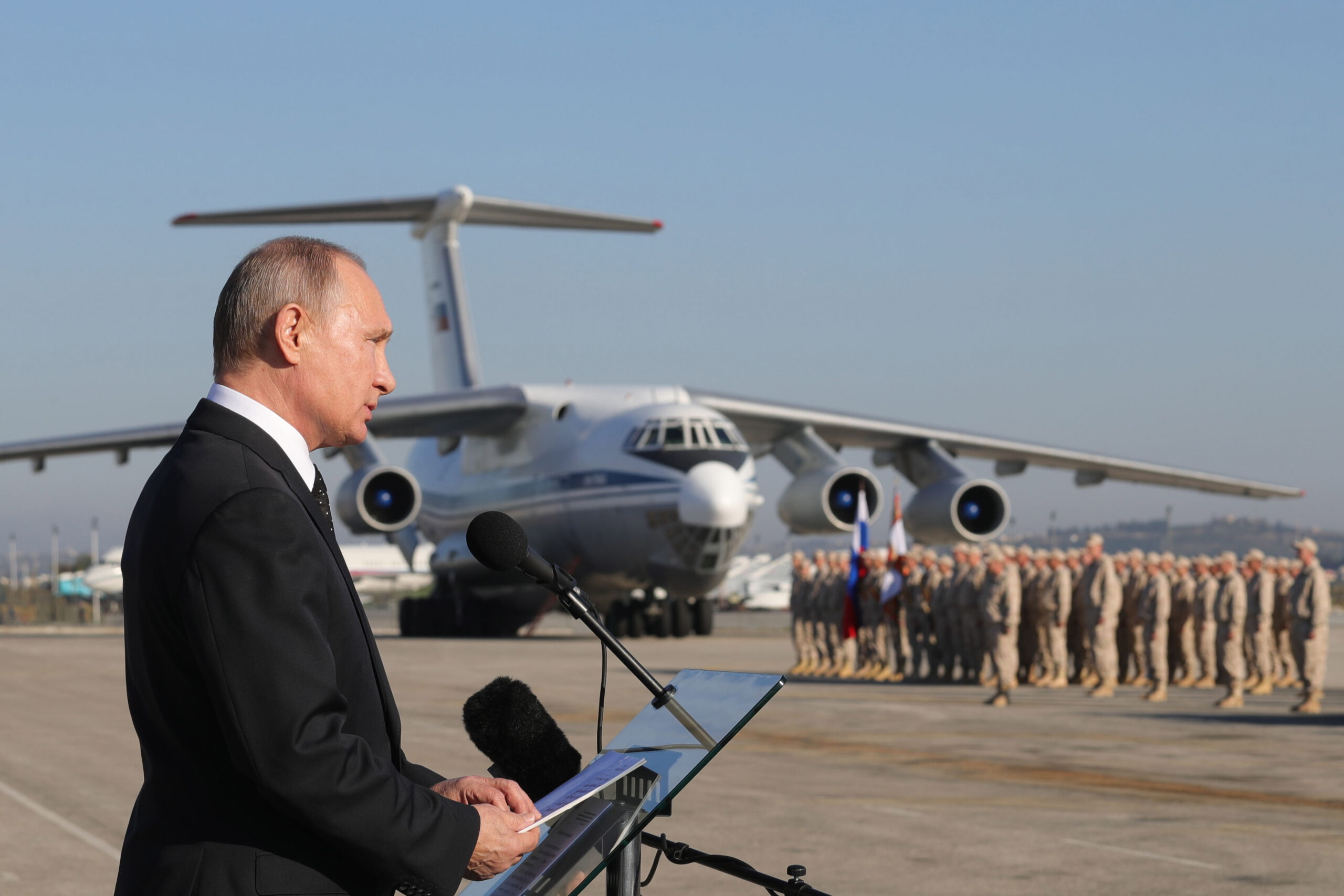
The military campaign in Syria marked a turning point for Russia’s reemergence as a power in the Middle East. Taking advantage of the opportunities presented by Western failures, the Kremlin’s tactical approach has seen it make gains across the region, although these may be more limited and reversible — and Moscow more vulnerable — than is often thought.