This individual is a guest contributor. MEI is not able to assist with contact requests.
Elliot Hentov is the Head of Policy Research with the Global Macro Policy Research team at State Street Global Advisors. In this capacity, he is responsible for research and thought leadership linking policy impulses to financial markets and economics, as well as serving as the company’s main geopolitical strategist.
He joined State Street from Standard & Poor’s sovereign ratings group where he was a director and lead analyst for sovereigns and government-related entities in Central, Eastern, and Mediterranean Europe. Before that, Elliot served as a political affairs officer at the United Nations headquarters in New York, advising senior officials on political and economic issues in the Middle East and Europe.
Elliot has authored publications in the Financial Times, New York Times, Business Times, Foreign Policy, and Washington Quarterly. He is also a member of the Advisory Board of the Official Monetary and Financial Institutions Forum in London and a Non-Resident Scholar at the Middle East Institute in Washington DC
Education:
M.S. in International Affairs, Georgetown University; Ph.D., Princeton University
Countries of Expertise:
Iran, Turkey, Gulf
Issues of Expertise:
Political economy; economics & finance; geopolitics & international relations
Iran-US negotiations 2021: No 2015 redux by the standards of the Iranian economy
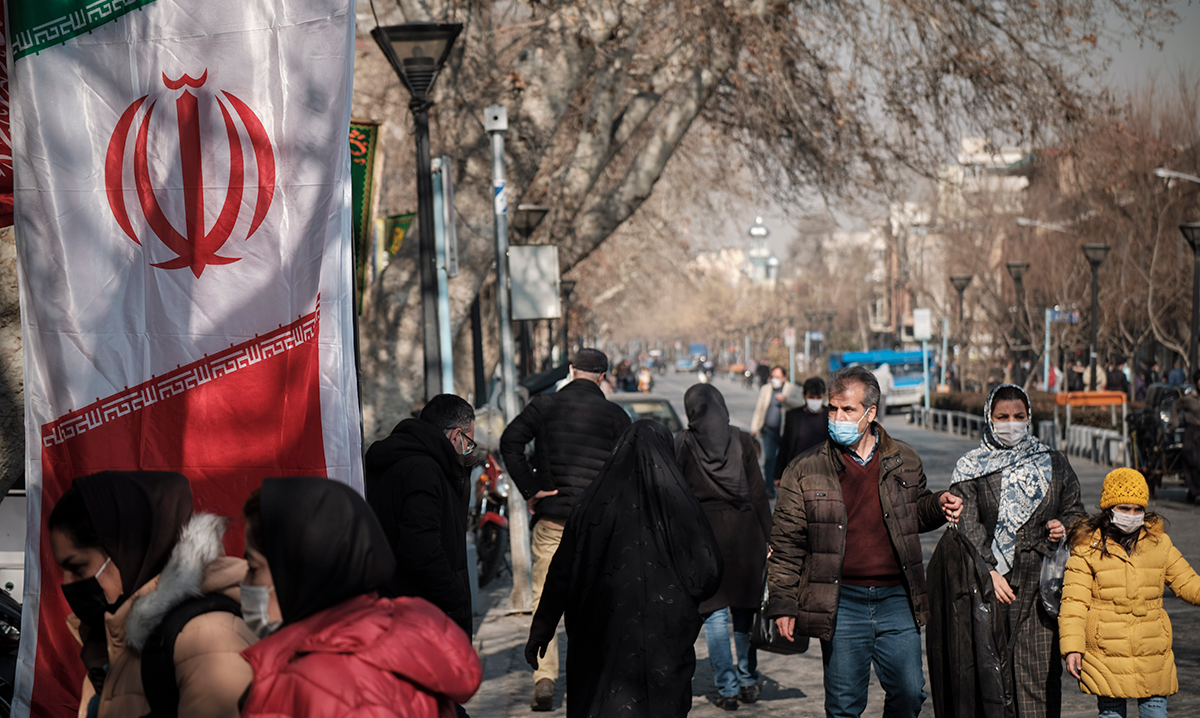
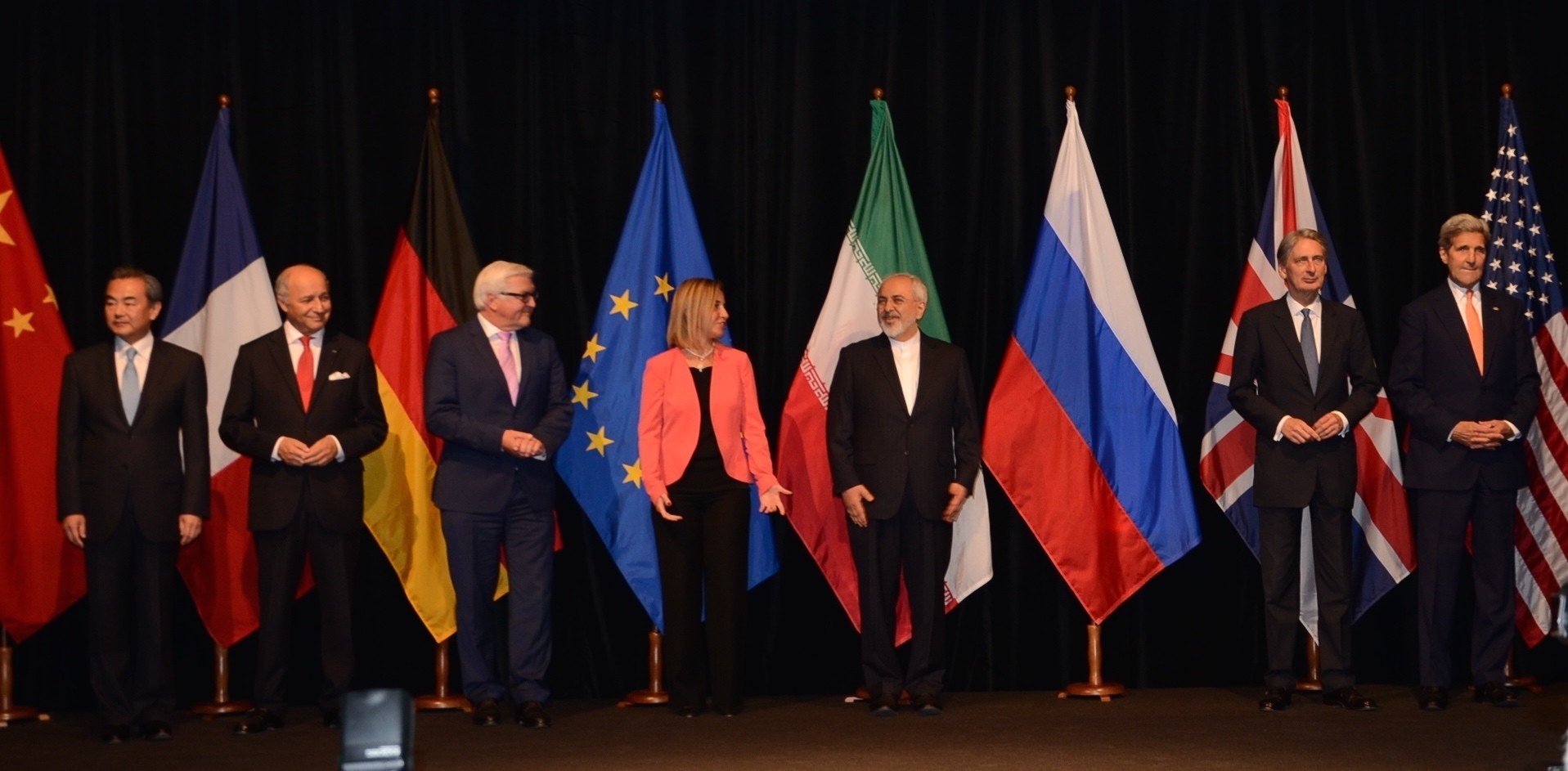
The core question for Iran watchers this year is the likelihood and nature of a renewed Iranian nuclear deal. However, the circumstances are very different and the respective bargaining power of the two sides does not mirror the negotiations in 2015. In particular, the macroeconomic backdrop is considerably worse today and the regime more desperate for sanctions relief than it seems.
US-Iranian relations remain on track for escalation
Iran is currently facing an incredibly unlucky alignment of pressure sources that are interrelated and will force the regime to engage in risky or experimental behavior, most likely in 2020. The COVID-19 epidemic simply exacerbates the combined challenges of a regime squeezed by an international sanctions network and a restive population reaching a breaking point with economic hardship. A continued acceptance of the status quo is untenable; thus, the regime will likely begin to undertake various initiatives in the coming months, more likely military than diplomatic in nature, that could force the United States to ease the isolation of the country.
Iran’s attack on Saudi Arabia was ill-timed and premature
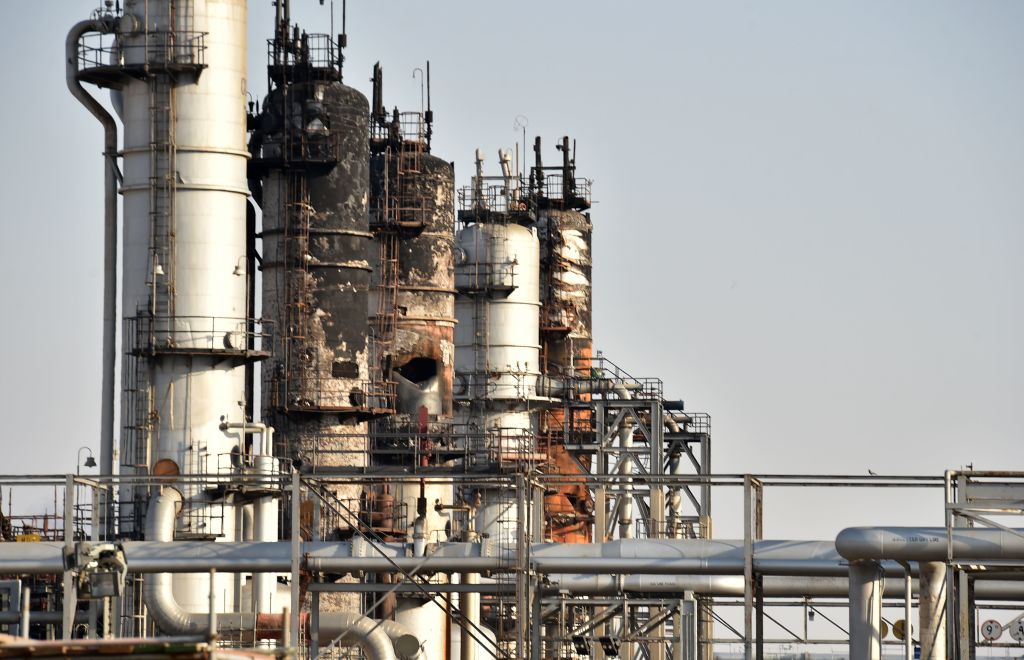
On Sept. 14, the news that Saudi Arabia’s oil facilities had been attacked and damaged came as a shock. And yet, in the not too distant future, this attack will likely be regarded as a tactical mistake. Tehran has miscalculated the timing of such a spectacular attack and it’s unclear whether Iran will get another opportunity to strike such a surprise blow again.