This text has been translated by AI and may contain errors.
Skip to Content

Fadil Aliriza

This individual is a guest contributor. MEI is not able to assist with contact requests.

The Latest from Fadil Aliriza

Filter by
14 Results
Excluded candidates, marginalized dissent before Tunisia’s presidential elections
Photo by Fethi Belaid/AFP via Getty Images
  • Analysis
  • Excluded candidates, marginalized dissent before Tunisia’s presidential elections

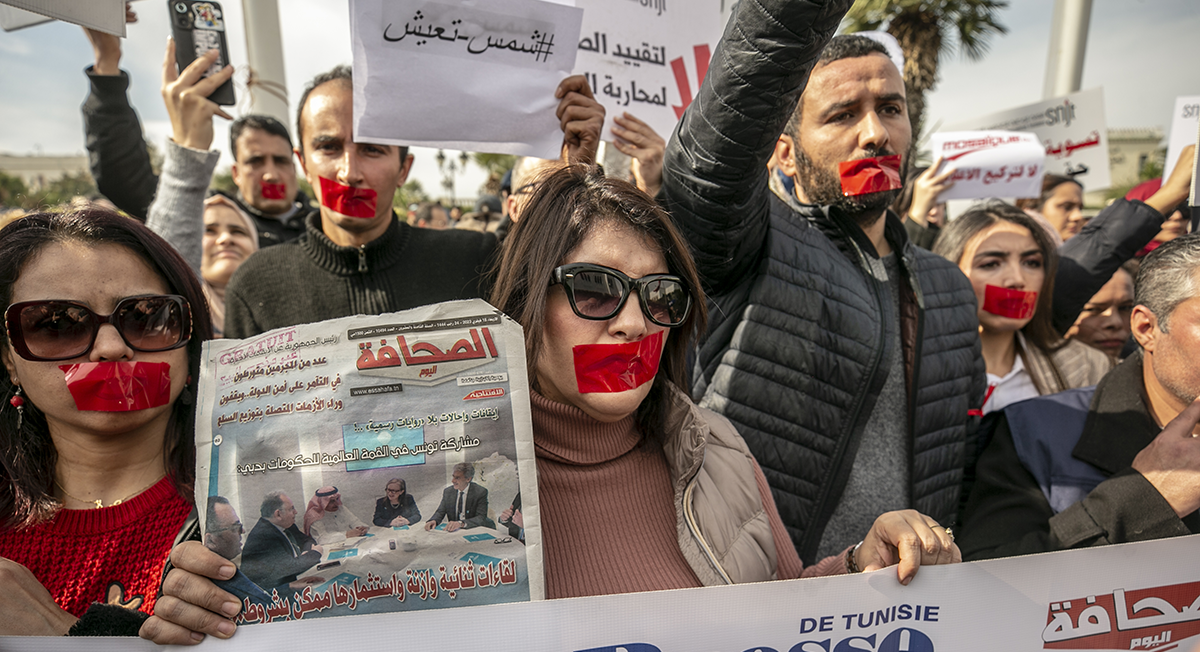
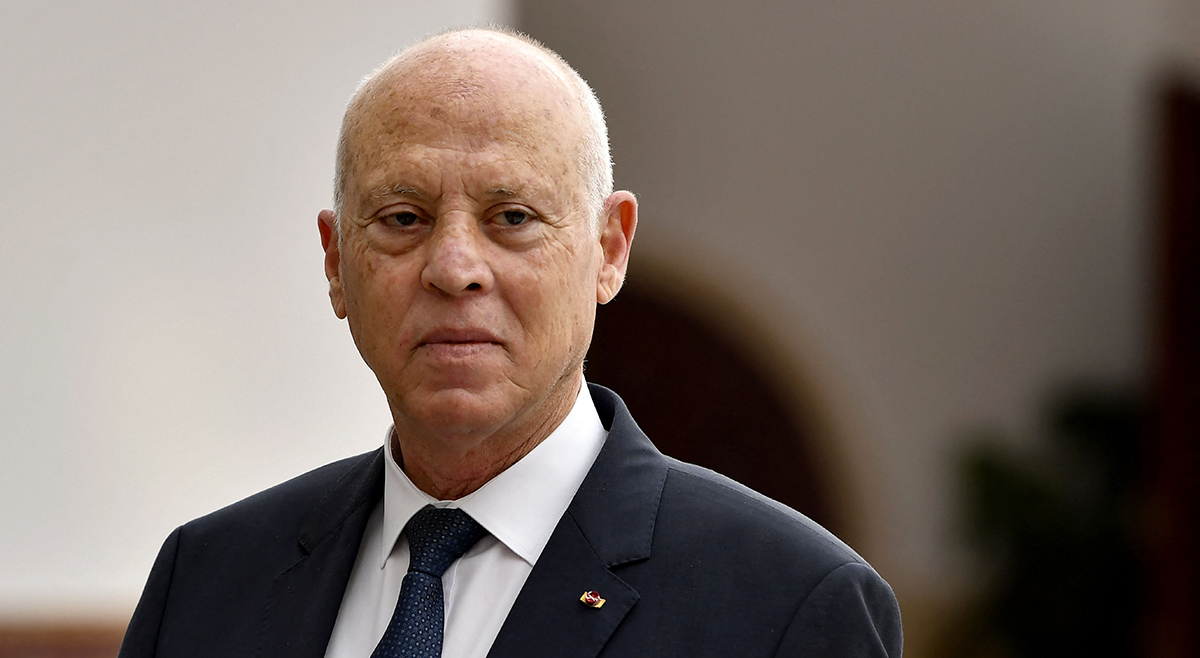
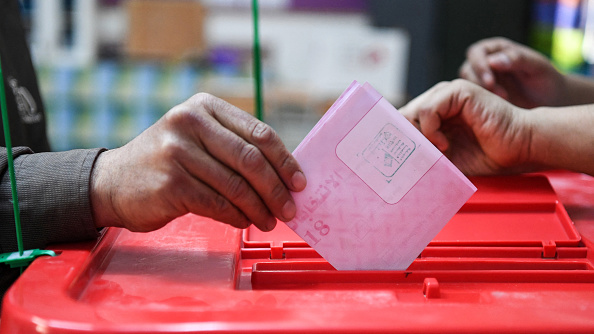
    Before Tunisian voters have their say in the presidential election on Oct. 6, state institutions have already had their say. The security services, judicial authorities, and the High Independent Electoral Authority (ISIE) have either obstructed or officially barred over a dozen potential candidates from running. Of the three eligible candidates officially approved by the ISIE, only President Kais Saied and former Saied supporter Zouhair Maghzaoui remain outside of prison. Candidate Ayachi Zammel was arrested on Sept. 6. Many other potential candidates attempted to run from prison or were jailed for alleged technical violations of election laws. By restricting the list of potential candidates effectively to two, state institutions have embraced their historically paternalistic, modernizing role toward a distrusted citizenry.
    September 17, 2024

    Saied’s emerging economic strategy for Tunisia
    Photo by Tunisian Presidency /Handout /Anadolu Agency via Getty Images
  • Analysis
  • Saied’s emerging economic strategy for Tunisia

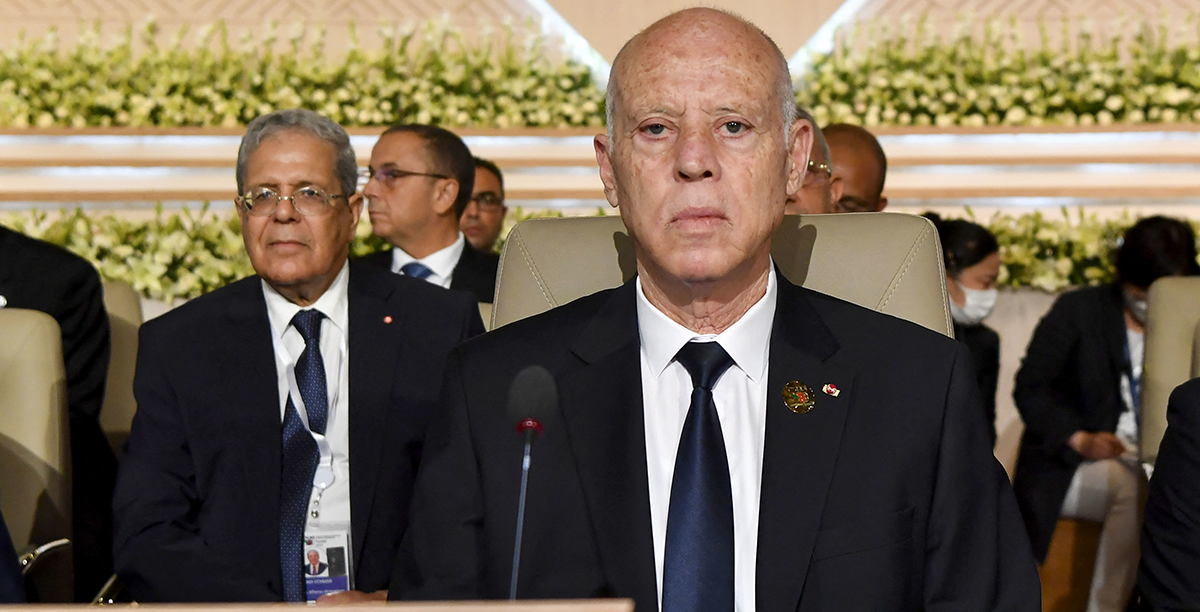
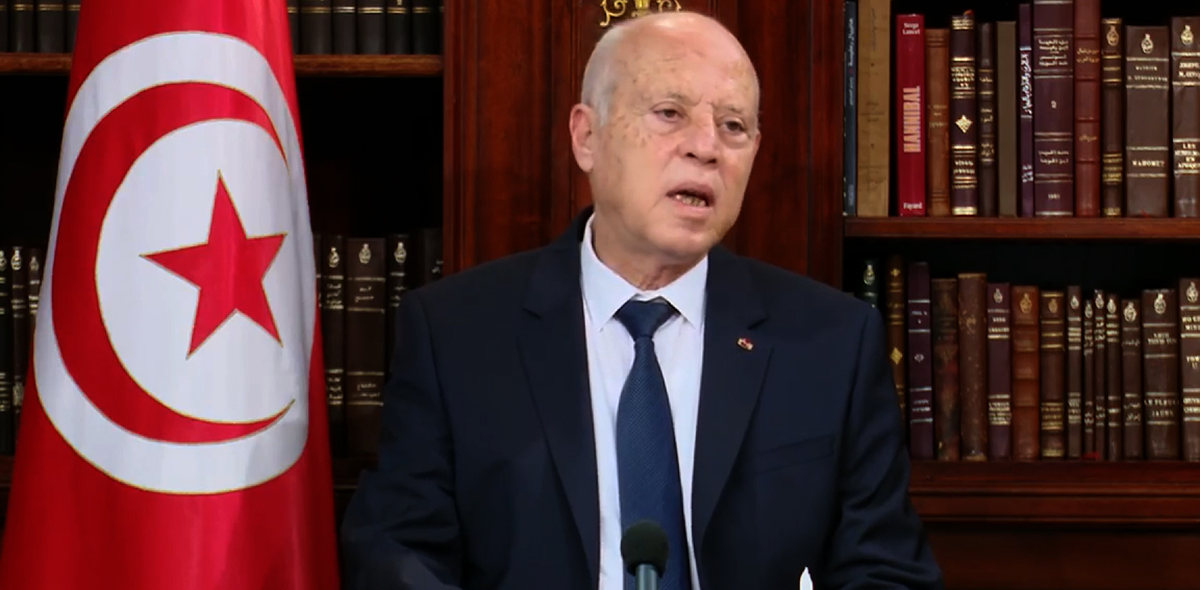
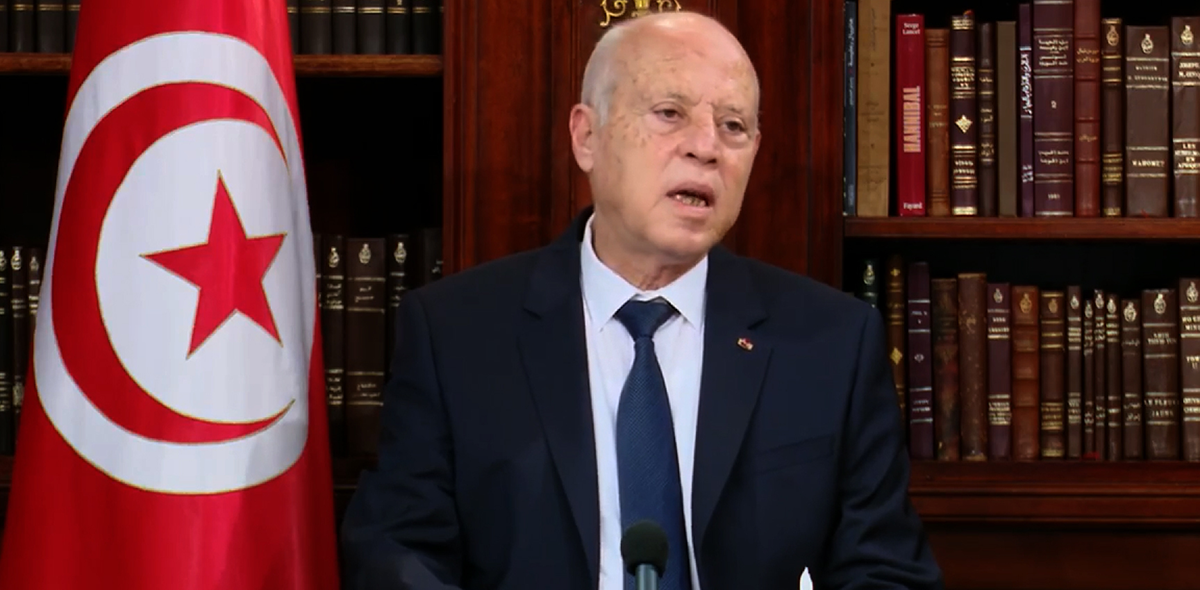
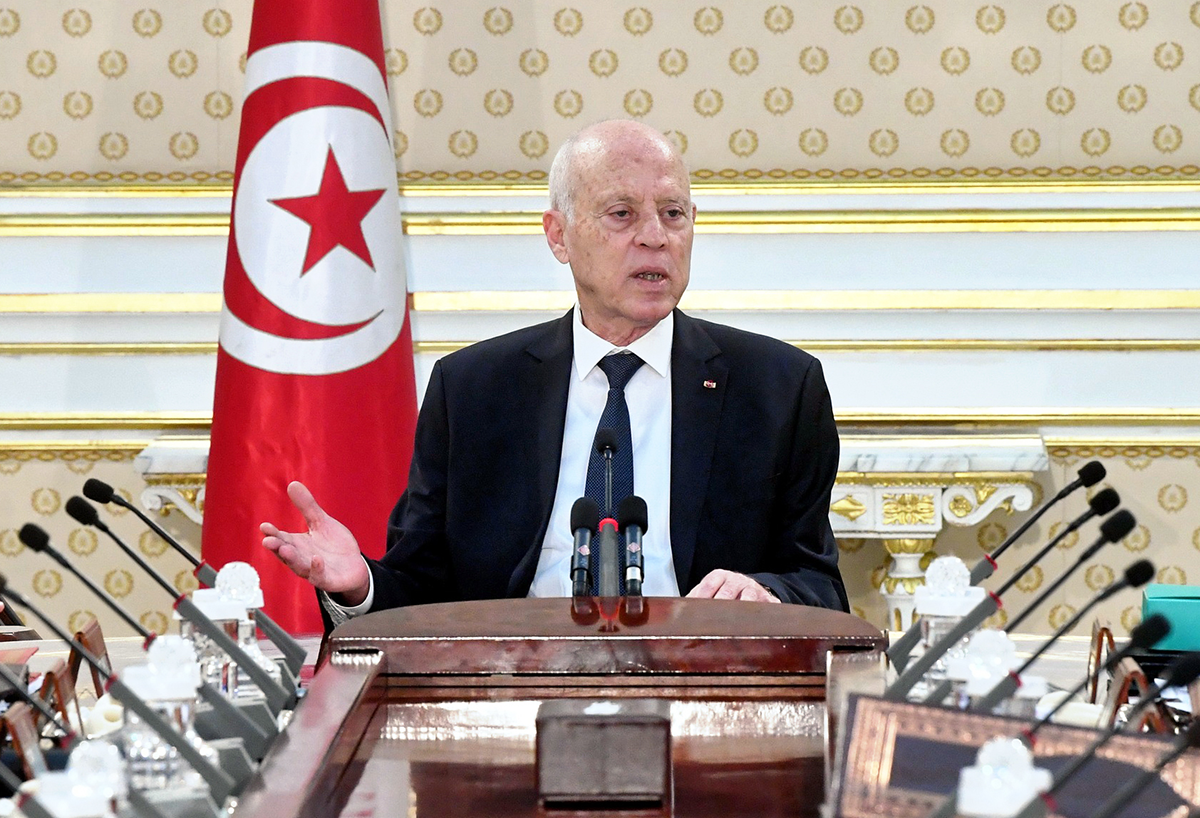
    Tunisian President Kais Saied appears to be constructing a new economic strategy. While he has previously outlined his priorities with broad strokes, like fighting corruption and defending sovereignty, he has recently begun to add greater detail, adopting a personalized approach that appears to be attempting to bypass the existing corporatist structures.

    March 26, 2024

    Tunisia, the IMF, and alternatives
    Photo by Samuel Corum/Bloomberg via Getty Images
  • Analysis
  • Tunisia, the IMF, and alternatives

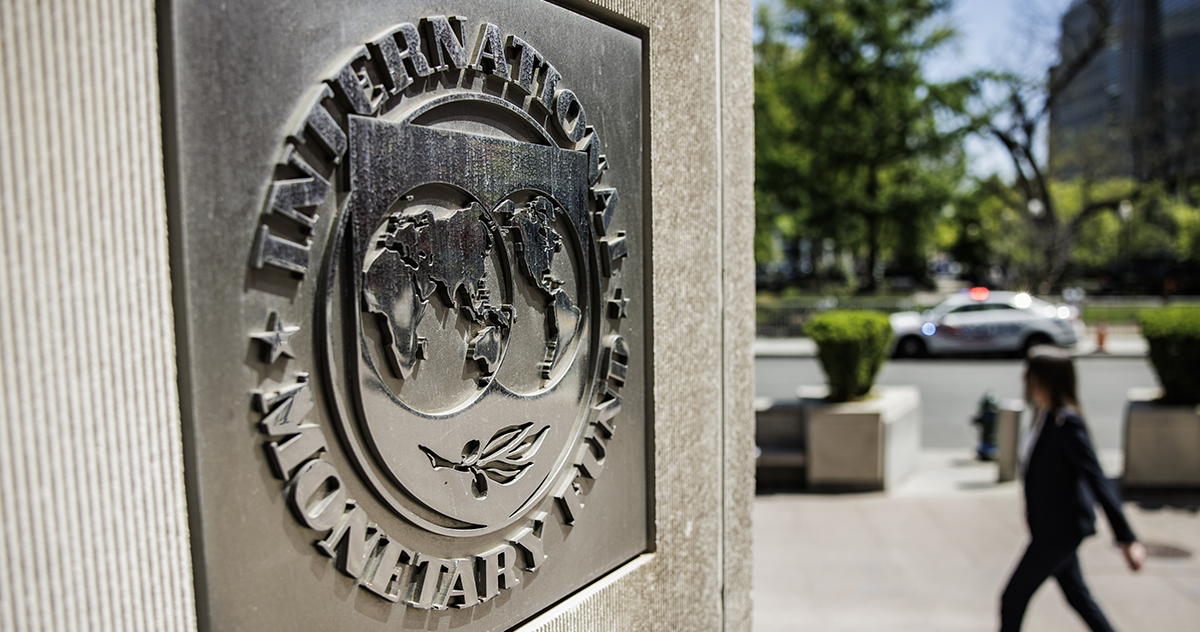
    President Kais Saied’s statement during a speech on April 6 claiming to reject the conditions, or “diktats” as he called them, that come with a potential loan from the IMF has provoked debate. Reactions to the speech as well as actions taken by Tunisian officials before and after it seem to contradict its intention, causing confusion over whether the deal is still on. Meanwhile, others took the speech as a sign that Tunisia is seriously considering the possibility of alternatives to IMF financing or even a geopolitical reorientation.

    April 28, 2023

    Democratic pessimism in Tunisia
    Photo by Yassine Gaidi/Anadolu Agency via Getty Images
  • Analysis
  • Democratic pessimism in Tunisia

    Tunisia’s current system of government is by all indicators continuing to move even farther away from a liberal democratic form envisioned in the 2014 constitution. This is particularly true in the post-July 25, 2021 period after President Kais Saied suspended parliament and assumed full executive and legislative powers. However, analyses that focus solely on Saied miss some of the broader social and political trends that were already rejecting the way Tunisia’s post-2011 “democratic transition” has unfolded. They also miss the nexus that has converged to maintain the current system, in particular between security forces, some sycophantic media, and key figures within the political, business, and civil service sectors.

    February 28, 2023

    Saied’s new rules for Tunisia’s elections
    Photo by FETHI BELAID/AFP via Getty Images
  • Analysis
  • Saied’s new rules for Tunisia’s elections

    With the decree of a new election law on Sept. 15, President Kais Saied continues rebuilding the formal political mechanisms of the Tunisian state — what some see as a “third republic.” The new law sets the terms for the legislative elections scheduled to be held on Dec. 17, 2022, and it comes only shortly before nominations for candidacies for those elections begin on Oct. 17.

    October 17, 2022

    What's next for Tunisia after the constitutional referendum?
    Photo by Jdidi Wassim/SOPA Images/LightRocket via Getty Images
  • Analysis
  • What's next for Tunisia after the constitutional referendum?

    On July 25 Tunisians approved a new constitution that will give the president, Kais Saied, expansive new powers, centralizing control of the country while removing many of the existing checks and balances. According to figures from the state electoral body, an estimated 94% of those who voted in the national referendum approved the measure, although turnout, which officials put at 30.5%, was relatively light. Following on from the vote, here’s what can be expected moving forward.

    August 2, 2022

    The executive versus the judiciary in Tunisia
    Photo by Yassine Gaidi/Anadolu Agency via Getty Images
  • Analysis
  • The executive versus the judiciary in Tunisia

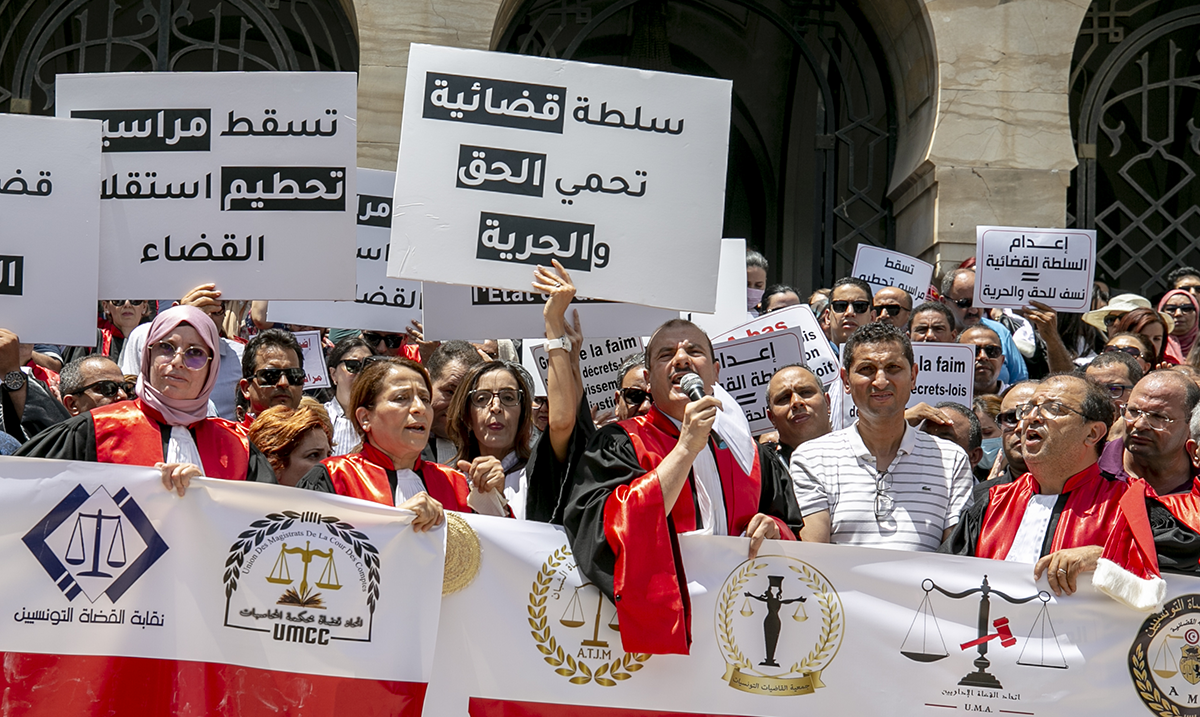
    Since the beginning of 2022, Tunisian President Kais Saied has issued decrees reshaping the judiciary in a way that further subordinates it to the executive branch of government. Saied claims that his aim is to “cleanse” it of corruption and other forms of wrongdoing, yet judges counter that the president is interfering in the judiciary and intimidating judges.

    June 28, 2022

    Tunisia’s Kais Saied becomes an ordinary politician
    Photo by FETHI BELAID/AFP via Getty Images
  • Analysis
  • Tunisia’s Kais Saied becomes an ordinary politician

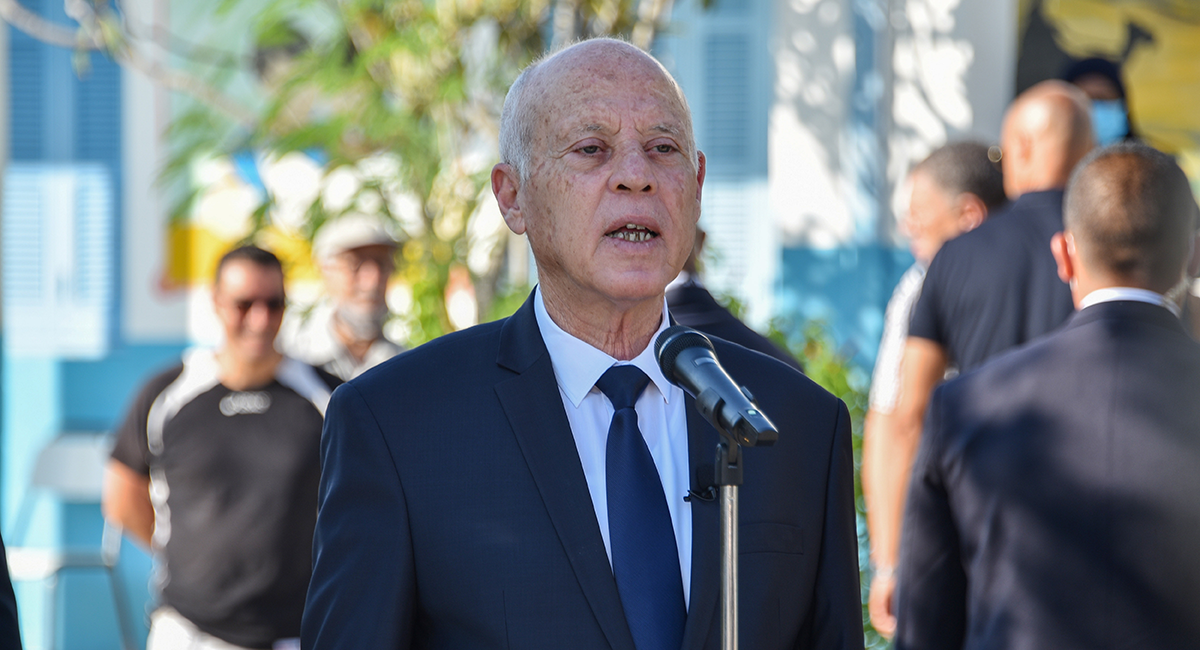
    While some of Saied’s rhetoric as well as his symbolic and legislative decisions may appear to some as revolutionary, the post-July 25 political system has thus far maintained continuity from both the pre- and post-revolutionary way in which the state governs: a top-down, policing approach with deference to — and reinforcement of — existing socio-economic hierarchies. In presiding over and perpetuating this system, whether with verve or reluctantly, Saied has become an ordinary politician, following in the footsteps of many others who have held positions of power.

    January 14, 2022

    في استطلاعات الرأي، يتحدث التونسيون عن مظالم اقتصادية مستمرة
  • Commentary
  • في استطلاعات الرأي، يتحدث التونسيون عن مظالم اقتصادية مستمرة

    هذا المقال يأتي ضمن سلسلة من أربعة أجزاء نشرها معهد الشرق الأوسط بالتعاون مع الباروميتر العربي لتحليل نتائج الدورة السادسة من استطلاعات الباروميتر العربي.

    October 7, 2021

    In surveys, Tunisians tell of continuous economic grievances
    Photo by Chedly Ben Ibrahim/NurPhoto via Getty Images
  • Analysis
  • In surveys, Tunisians tell of continuous economic grievances

    The latest round of public opinion surveys conducted by Arab Barometer confirms that the deterioration of the economy — or more specifically a continuing collapse in living standards — has been at the forefront of people’s minds in Tunisia.

    September 27, 2021

    الرصيد السياسي للرئيس التونسي محدود
  • Analysis
  • الرصيد السياسي للرئيس التونسي محدود

    يبدو أن قرارات الرئيس قيس سعيّد في 25 يوليو/تموز بتعليق عمل البرلمان والحكومة كانت تحظى بشعبية كبيرة، على الرغم من الانتقادات الحادة من أولئك الذين استنكروا هذه القرارات باعتبارها انقلابًا أو غير دستورية أو تجاوزًا خطيرًا لسلطته. لكن الاحتفالات الجماهيرية في الشوارع التي اندلعت فور إعلانه المتلفز – على الرغم من حظر التجول ليلًا – مثّلت دليلًا على شعبية تحركاته.

    August 16, 2021

    The Tunisian president’s political capital is finite
    Photo by Tunisian Presidential Image/Anadolu Agency via Getty Images
  • Analysis
  • The Tunisian president’s political capital is finite

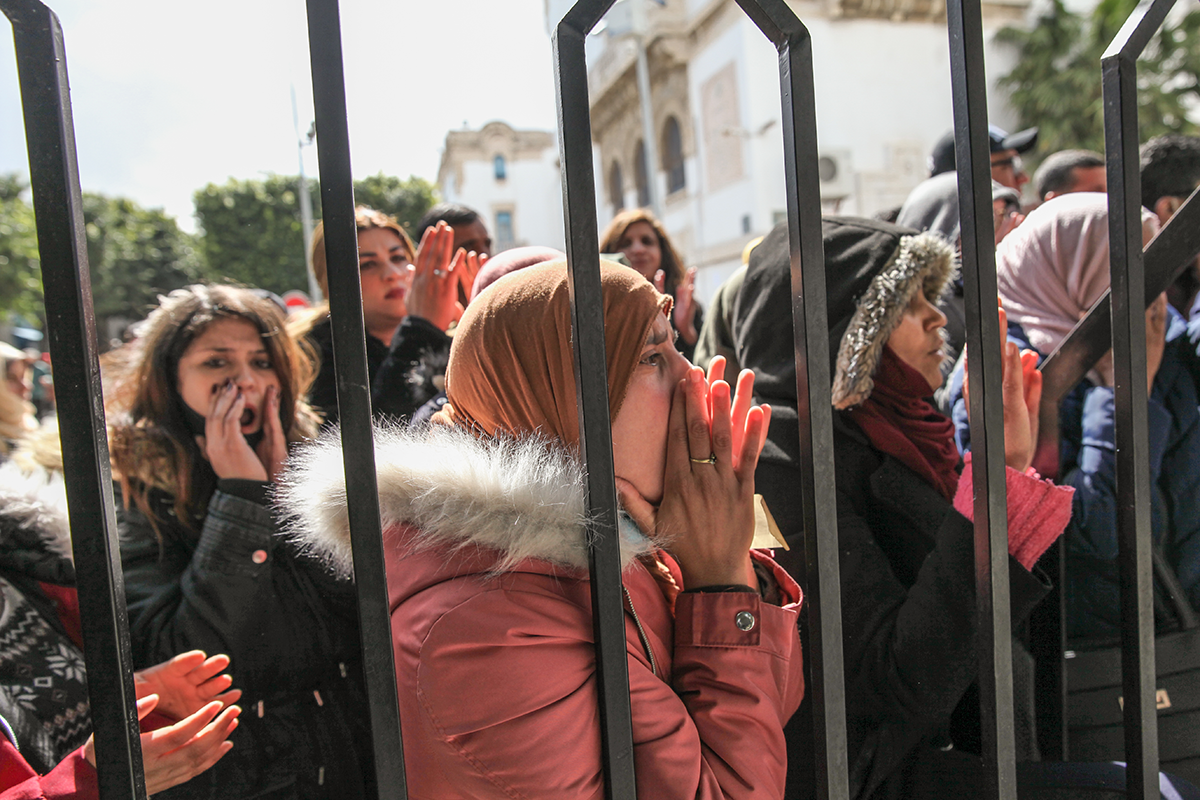
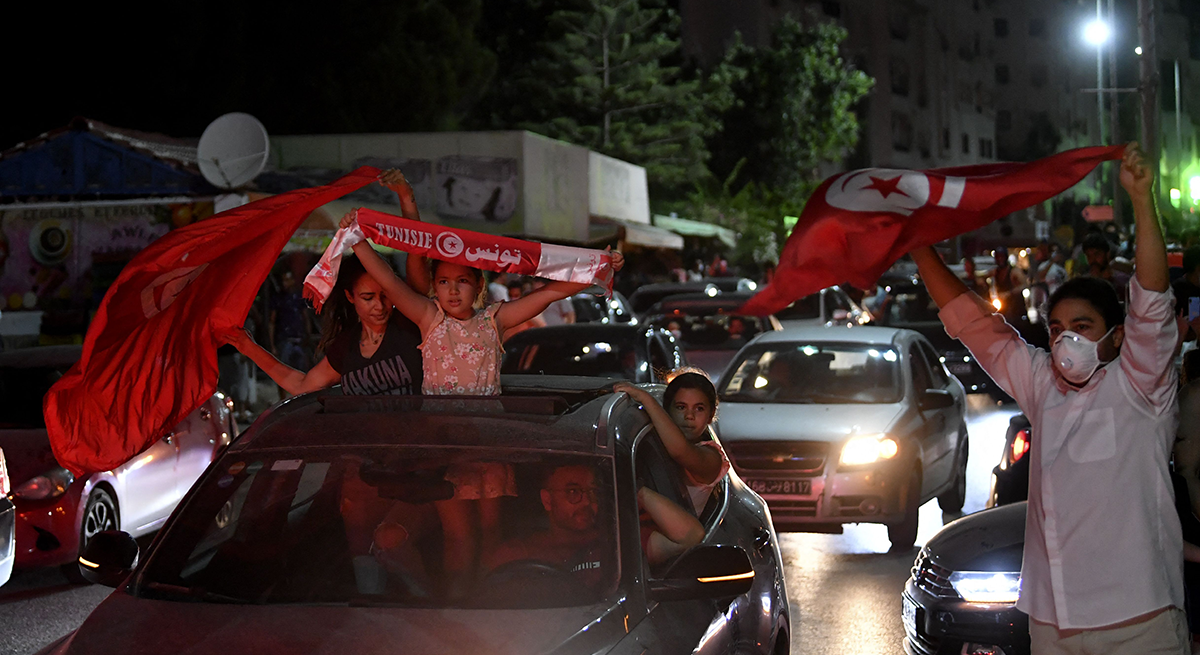
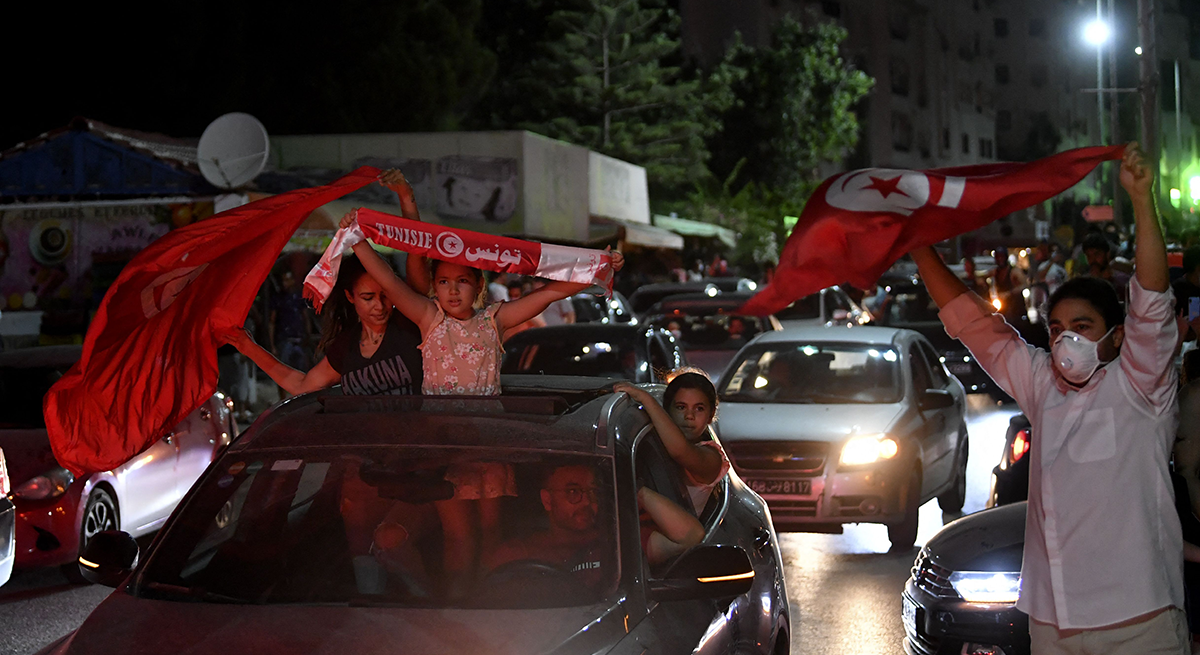
    President Kais Saied’s July 25 decisions to suspend parliament and the government appear to have been largely popular, despite sharp criticism from those denouncing them as a coup, unconstitutional, or a dangerous overstep of his authority. The mass celebrations in the streets that broke out immediately after his televised announcement — in spite of a nighttime curfew — are evidence of the popularity of his moves. Some polling since then, which although unclear in their methodology, also seem to indicate that large majorities approve of Saied’s measures — for now.

    August 10, 2021

    لماذا يحتفل الكثير من التونسيين بقرار الرئيس سعيّد
  • Commentary
  • لماذا يحتفل الكثير من التونسيين بقرار الرئيس سعيّد

    سارع خصوم الرئيس التونسي قيس سعيّد والمعلقون الدوليون الأكثر دراية بمصر إلى إدانة ما وصفوه بـ “الانقلاب”. هنا، إلى جانب الحاجة إلى تقييم الوضع التونسي وفقًا لطبيعته الخاصة، قد يكون من المفيد تنحية التصنيفات القانونية وتلك المرتبطة بالعلوم السياسية جانبًا في الوقت الحالي والتفكر بدلًا من ذلك في سبب احتفال الكثيرين في تونس بقرارات الرئيس الأخيرة.

    July 27, 2021

    Why many Tunisians are celebrating President Saied’s decision
    Photo by FETHI BELAID/AFP via Getty Images
  • Analysis
  • Why many Tunisians are celebrating President Saied’s decision

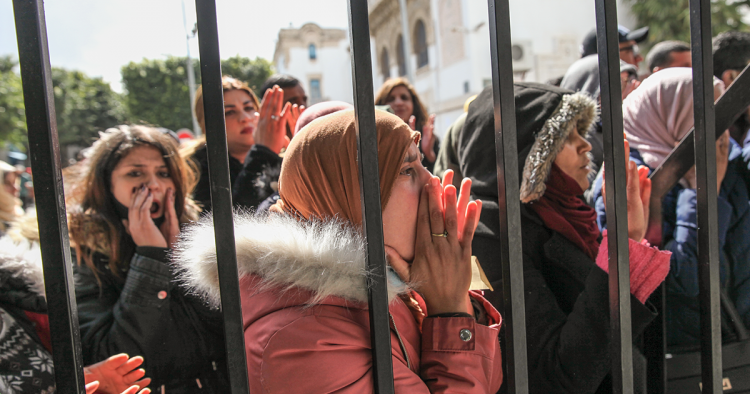
    Tunisian President Kais Saied’s opponents and international commentators more familiar with Egypt have been quick to condemn what they are calling a “coup.” In addition to the need to assess the Tunisian situation on its own unique terms, it may be useful to set aside legalistic and political science taxonomy for the moment and consider instead why many in Tunisia have celebrated the president’s recent decisions.

    July 26, 2021