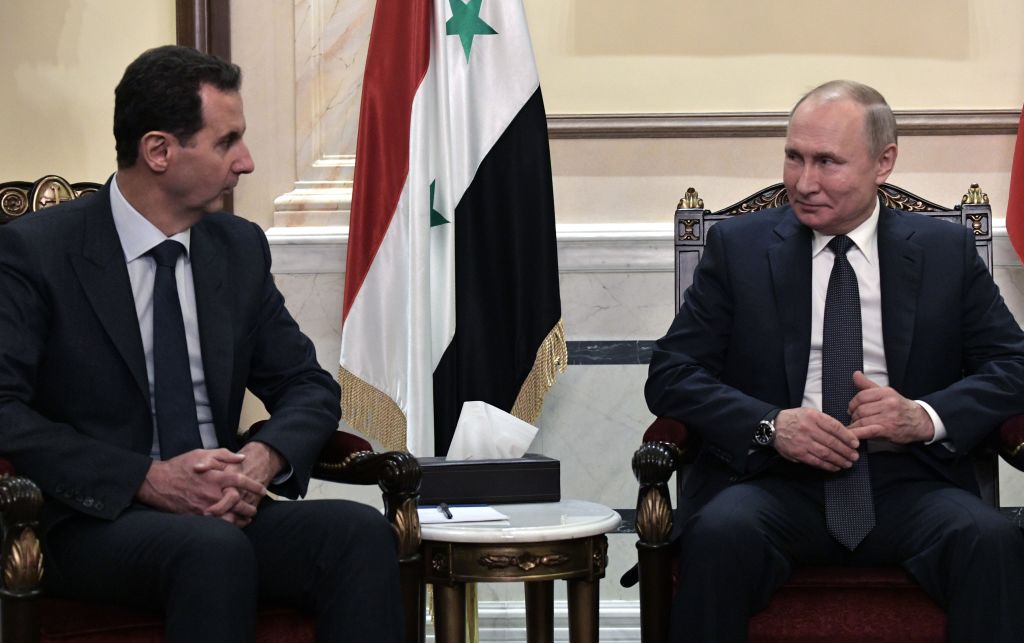
Western countries, some Gulf states, Turkey, and to a far lesser extent even one of his own key backers, Russia, have been pressuring Syrian head of state Bashar al-Assad to be more flexible about accepting a political settlement to the Syrian conflict. But Assad has refused to budge an inch.
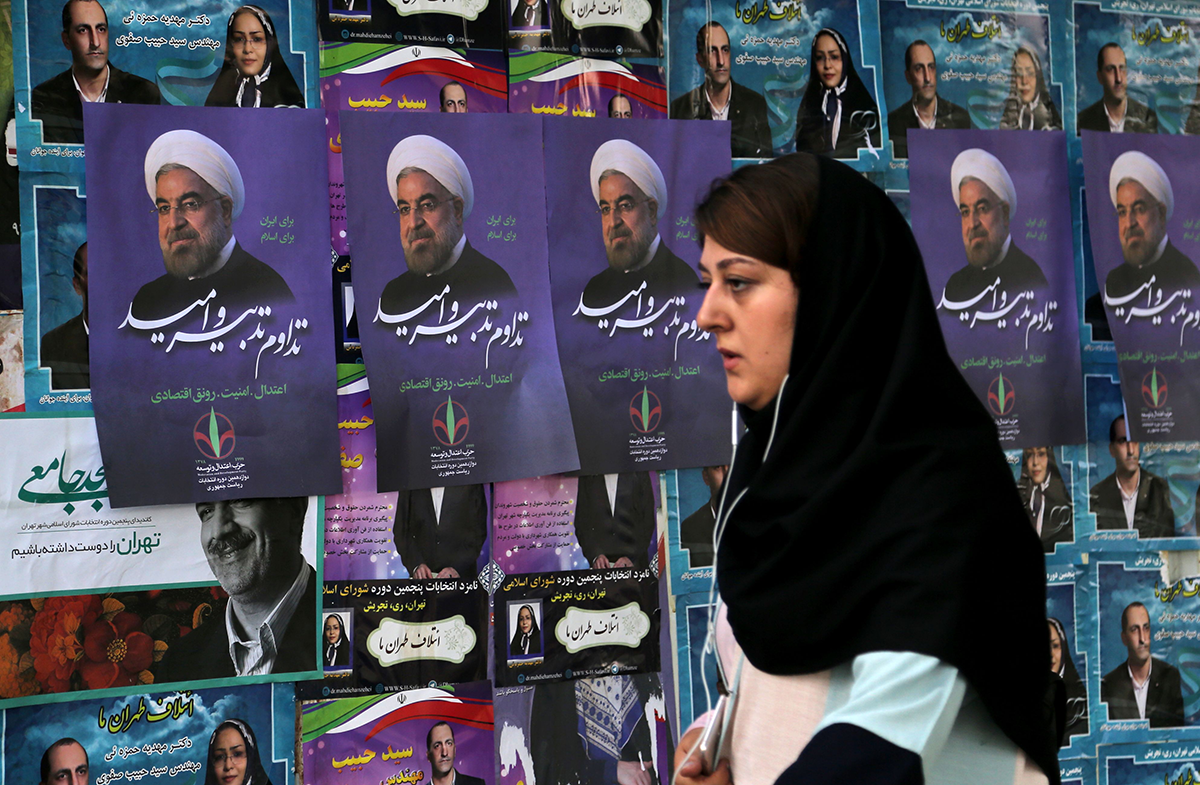
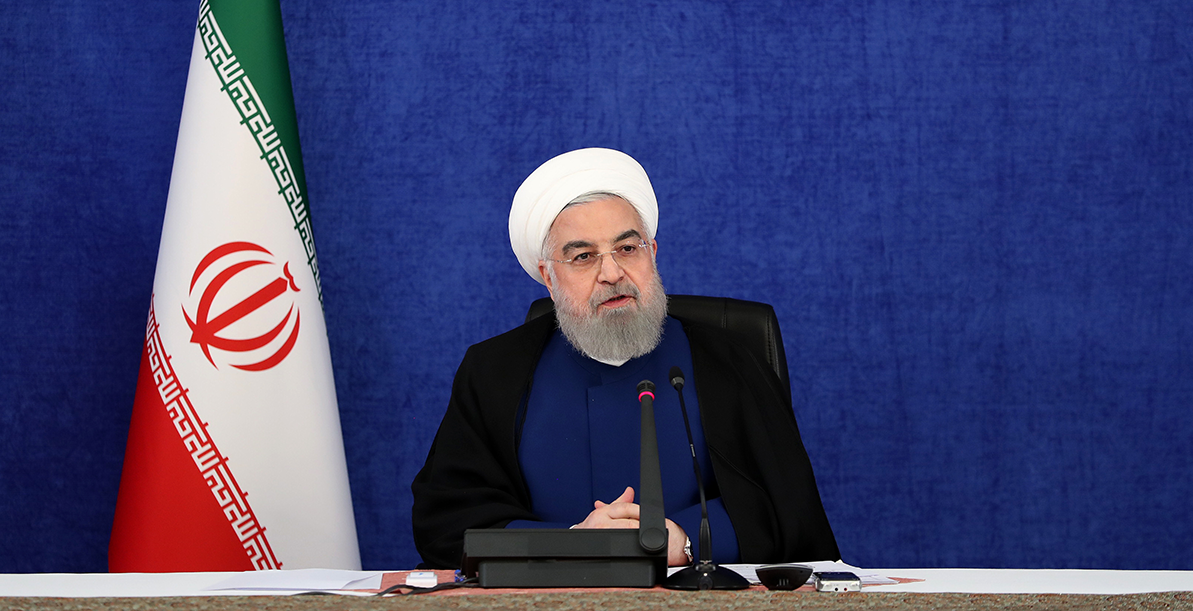
After eight years as Iran’s president, what is Rouhani’s record on women’s rights?
Today, as we approach the end of Rouhani’s government, how should historians and scholars evaluate the economic, political, and social situation over the last eight years? The issues of women’s political participation and social freedom, which were promised by Rouhani, especially during his first campaign, are of particular importance in this regard.
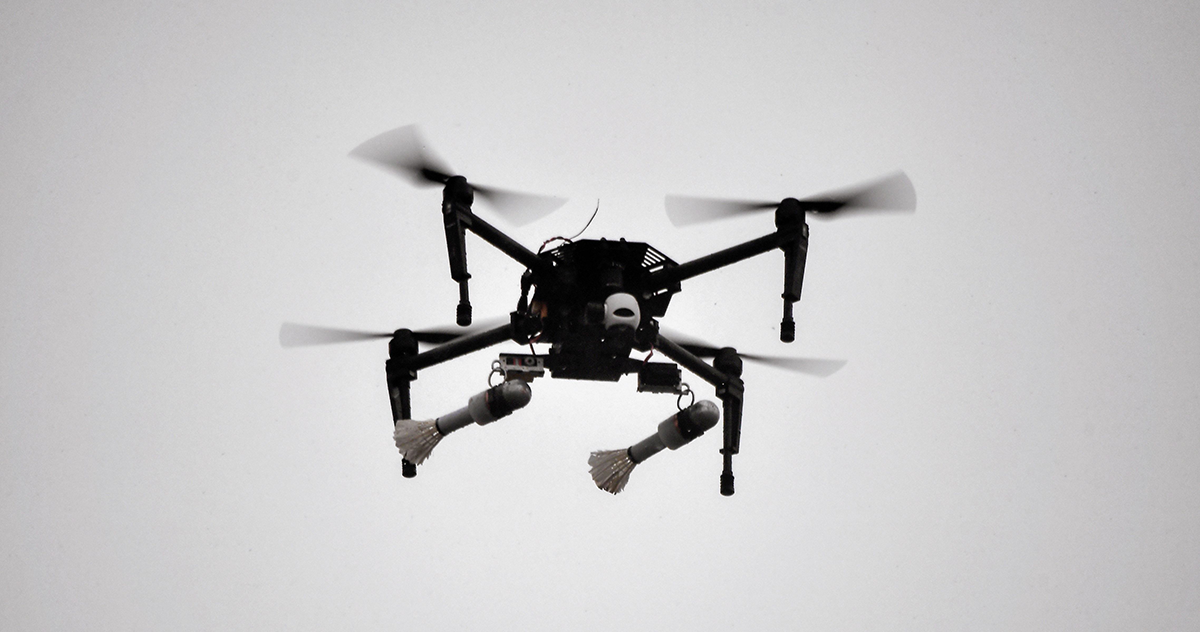
Defense Rapid Reaction: The threat of armed drones
As unmanned aerial vehicle (UAV) technology becomes ever cheaper and more accessible, the threat of armed and GPS-guided drones is becoming a serious problem for U.S. forces in theater. In the past few months, Iranian-backed Iraqi militias have used small drones armed with explosives to attack Iraqi military bases housing U.S. forces several times, and the threat posed by such UAVs is only likely to grow in the months and years to come. Experts from MEI’s Defense & Security Program weigh in with their thoughts on how the U.S. should respond to this emerging threat, as part of the new Defense Rapid Reaction series.
The EU in the Black Sea is absent, but highly desired
The Memorandum of Understanding signed recently by Georgia, Moldova, and Ukraine on enhanced cooperation toward European Union (EU) membership highlights both progress and overall shortcomings of the EU’s Eastern policy. Despite the Union enlarging to the East in 2004 and 2007 – and the fact that Russian aggression has long been felt on EU territory – the bloc’s Eastern policy still does not reflect realities on the ground. However, the recent buildup of Russian military in Ukraine, as well as the deployment of Russian ‘peacekeepers’ in Nagorno-Karabakh, has created momentum for an urgently needed rethink of the Union’s Eastern neighborhood policy.
With the Hope Line, Iran aims to boost seawater transfer to fight growing drought
Blessed with milder temperatures than its Gulf neighbors as well as abundant rain and snow fall, Iran is one of the last countries in the region to introduce a seawater transfer plan to fight unprecedented levels of drought. The plan, once fully implemented, could help build water corridors linking the shores of Iran’s southern Gulf to those of its northern Caspian Sea. Named the Hope Transfer Line, the plan promises prosperity for farmers and industrialists, and potable water for communities in some 10,000 villages and urban areas located in so-called Red Zones, a category that applies to regions coping with severe water scarcity.
The Abraham Accords and their cyber implications: How Iran is unifying the region’s cyberspace
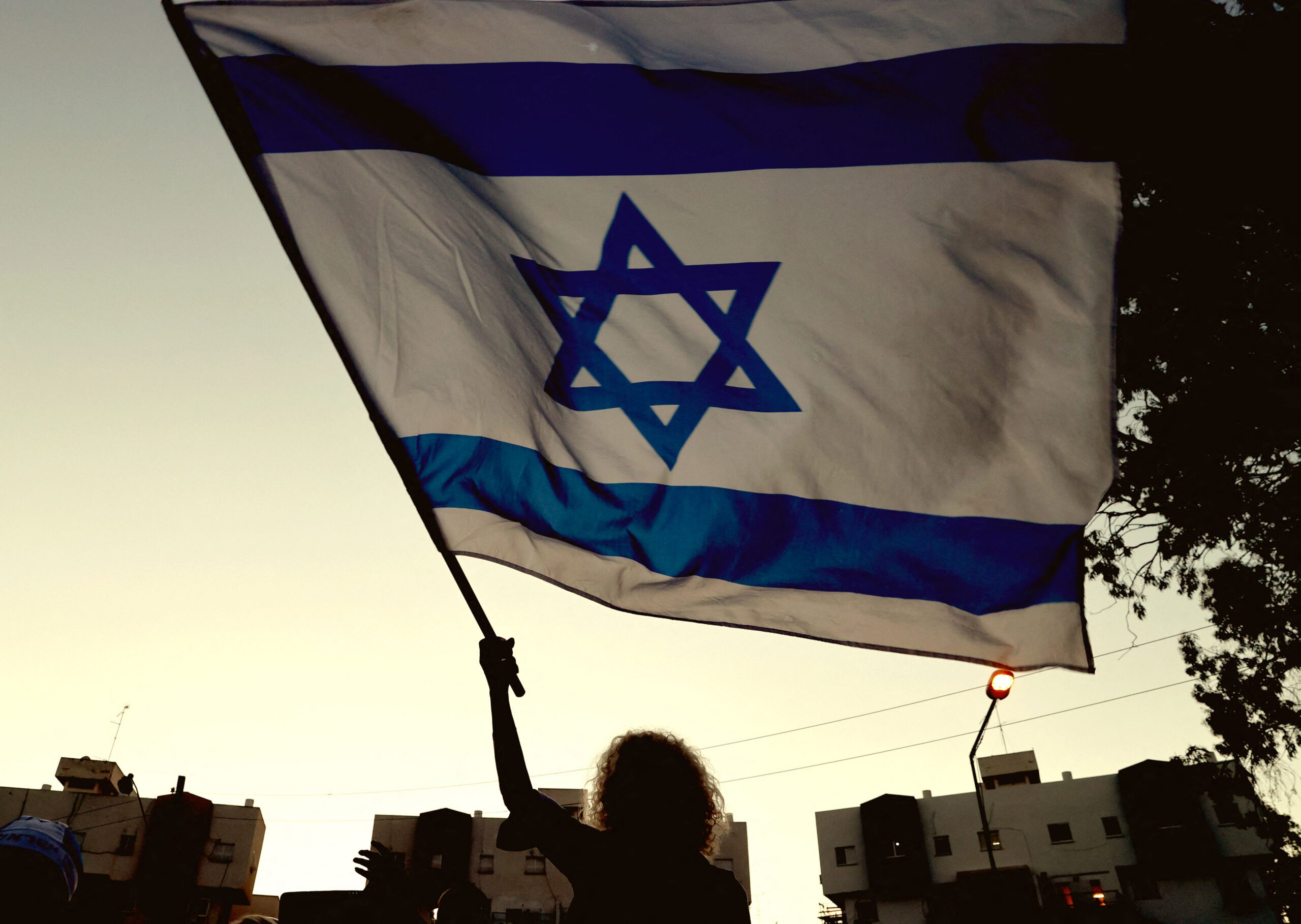
On Sept. 15, 2020, the world witnessed a new era of Israeli-Arab relations as the UAE and Bahrain opened diplomatic relations with Israel, in what is known as the Abraham Accords. Unlike the Israeli-Egyptian or the Israeli-Jordanian peace deals, which aimed to end direct military confrontations, the Abraham Accords seek to maximize common interests and address security issues to form a new front against Iranian threats. As Biden’s administration shows a willingness to return to some form of the 2015 Iran nuclear deal, the joint cooperation between Israel and the Gulf states is becoming more visible than ever, particularly in cyberspace, where they share a common enemy.
Black Sea security: Is COVID-19 a window of opportunity for Ukraine?
The Black Sea region is currently managing military pressure from Russia, the economic influence of China, and soft power efforts of the West, making it a stage for power competition. With COVID-19 exacerbating Ukraine’s political weaknesses and economic vulnerabilities, Russia and China are increasingly adopting a united front in the Black Sea. Such geopolitical changes in power distribution require more active presence and involvement of the U.S. in the Black Sea.
Tehran and Moscow: Alignment and Divergence in the Caspian
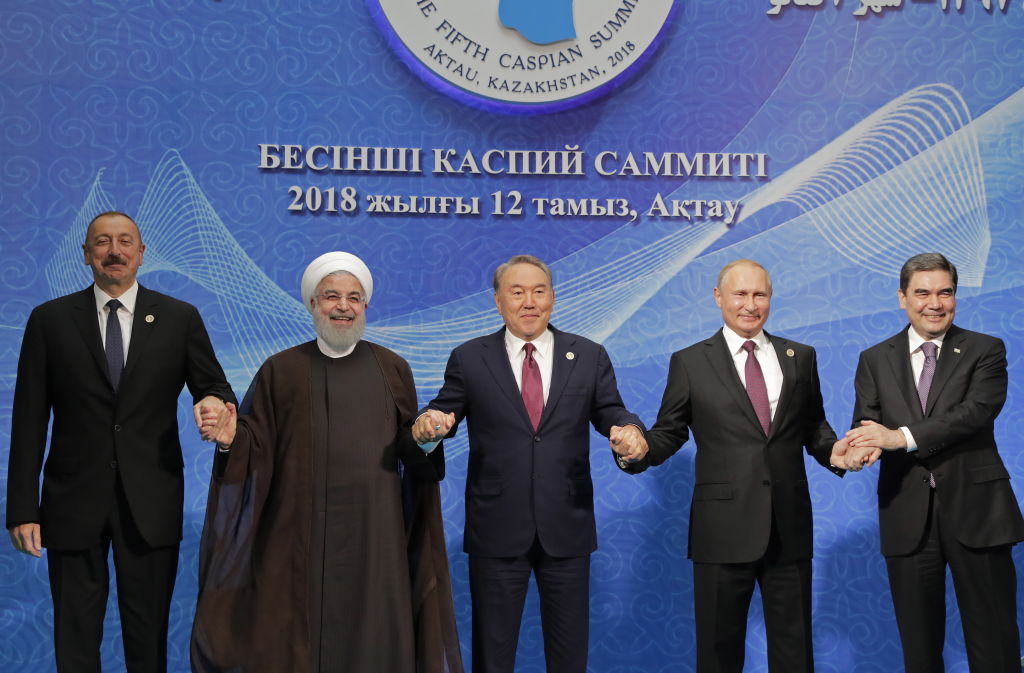
The complexities, converging interests, and persistent tensions marking Iranian-Russian relationships are evident in their policies toward the Caspian Sea region. Iran and Russia are the two largest countries that border the sea, the world’s largest inland body of water. The Caspian region therefore provides many opportunities for diplomatic, economic, and military engagement between Iran and Russia. Some issues of mutual importance relating to the Caspian include the Nagorno-Karabakh War, the Afghanistan and Iraq conflicts, NATO partnerships in the Caucasus region, and the construction of trans-Caspian pipelines.