Khamenei and the end of Iran’s hopeless reformist movement
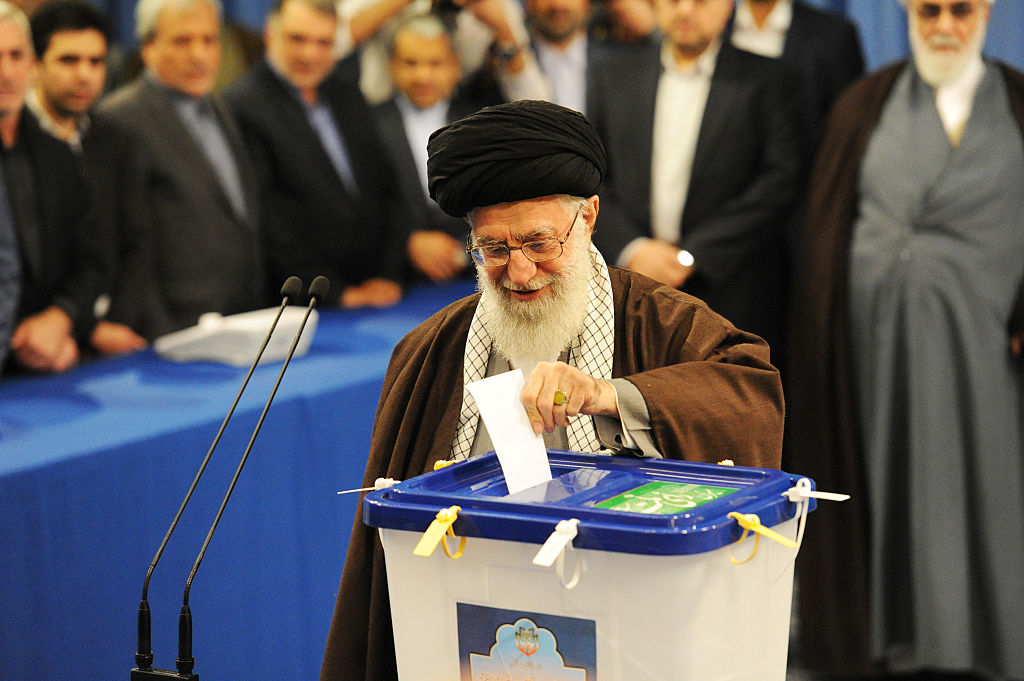
Iran’s once promising reformist movement is in a death spiral. It is not because the idea of reform has lost its appeal.
This individual is a guest contributor. MEI is not able to assist with contact requests.
Iran’s once promising reformist movement is in a death spiral. It is not because the idea of reform has lost its appeal.
China’s outbound capital policy is an attempt to reforge the Middle East in its own economic likeness through a revised ‘Going Global’ geoeconomic macro policy. China-Iran oil trade is only the beachhead of a deeper economic integration agenda, yet the geoeconomic management institutions that are currently forming will define China-Iran and wider China-Middle East engagement for decades to come.
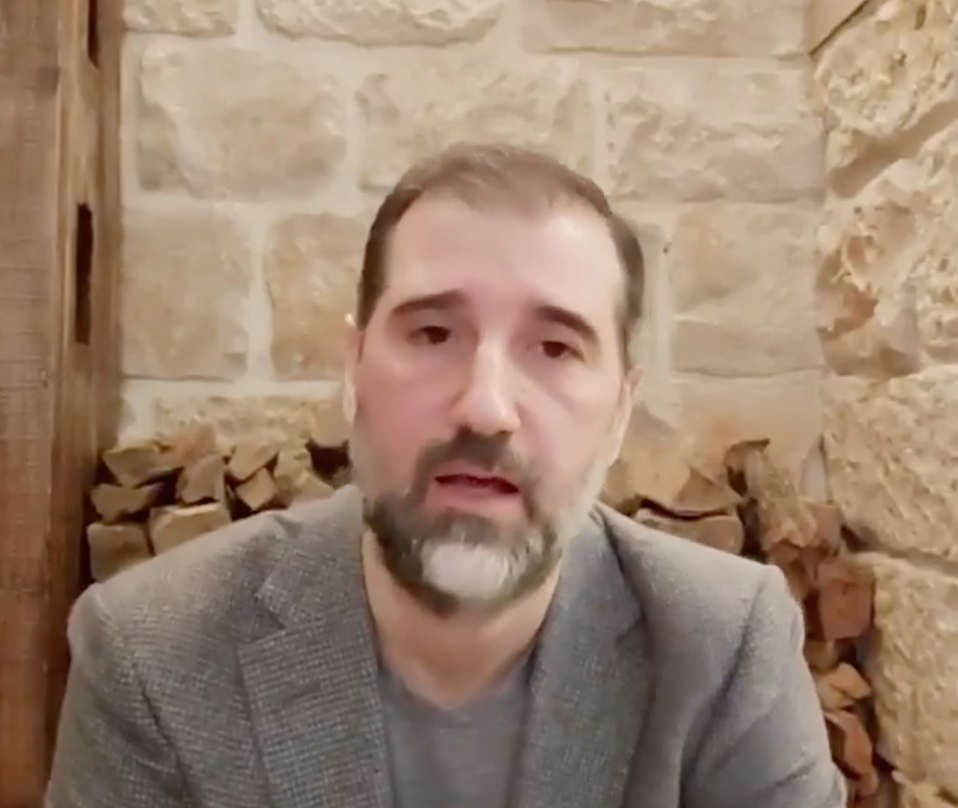
The fact that Makhlouf chose to go public heightens the stakes at play at the top of the regime and within the Alawite clan, arguably more than ever.
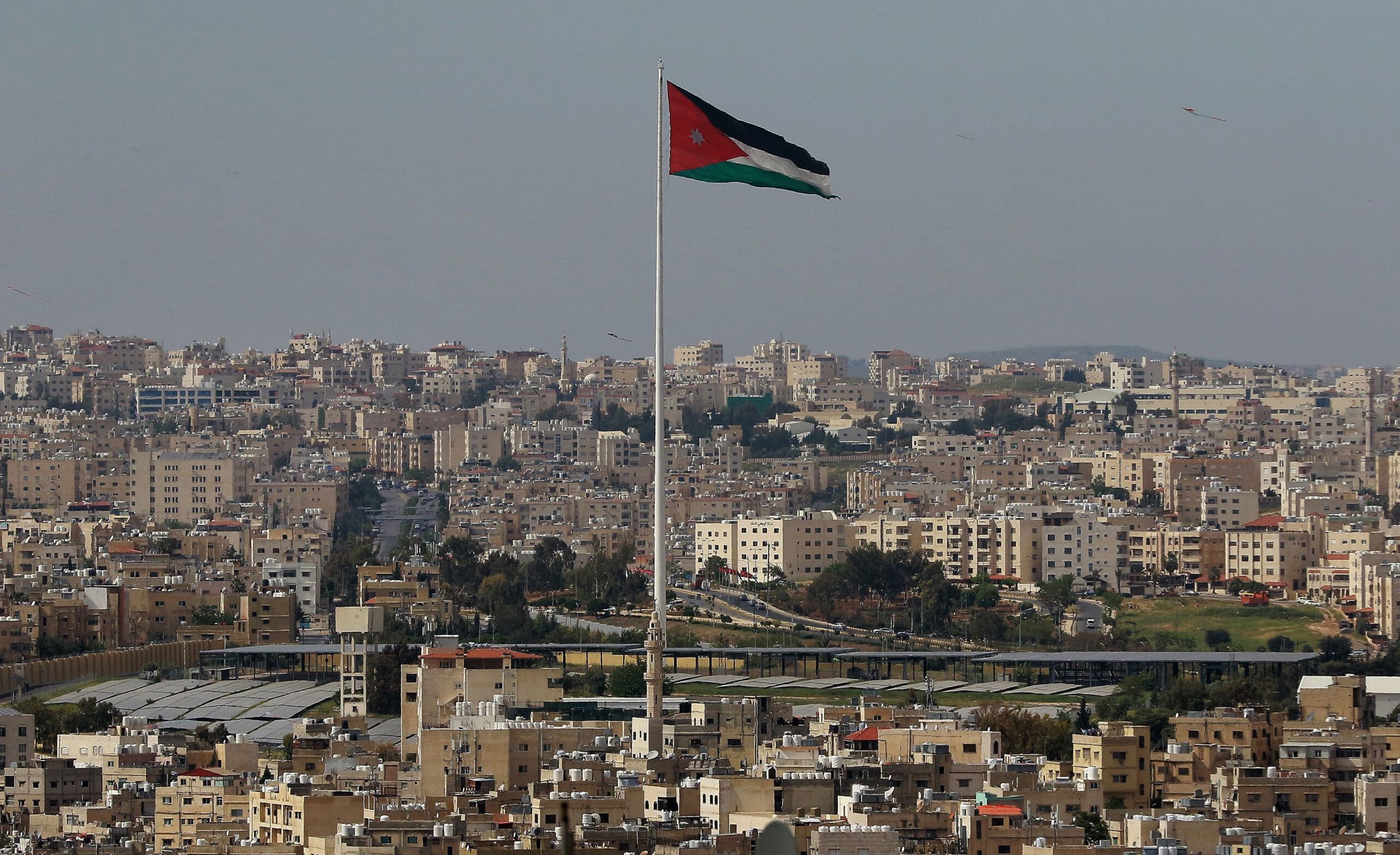
For Jordan Israeli annexation of Jewish settlements in the West Bank, as well as the strategically important Jordan Valley, constitutes an existential threat to the kingdom. But now Jordan faces unprecedented economic hardship as a consequence of the coronavirus crisis, and this could limit its scope for action.
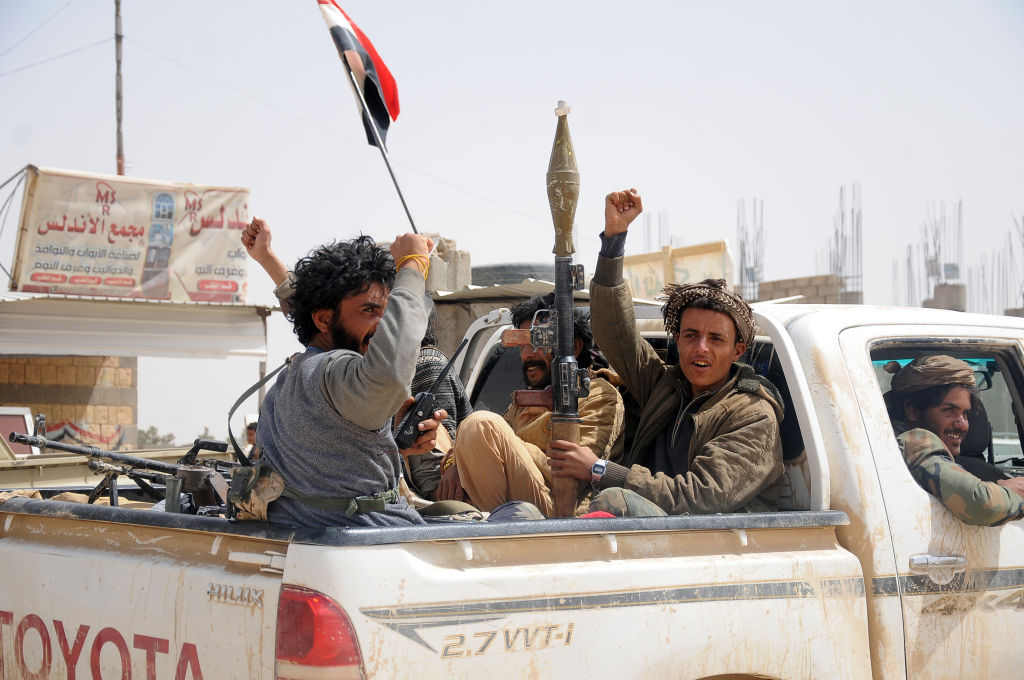
Despite the Houthis’ rejection of the Saudi-led coalition’s two-week unilateral cease-fire, on April 24 the coalition’s Joint Forces Command announced an extension throughout the holy month of Ramadan.
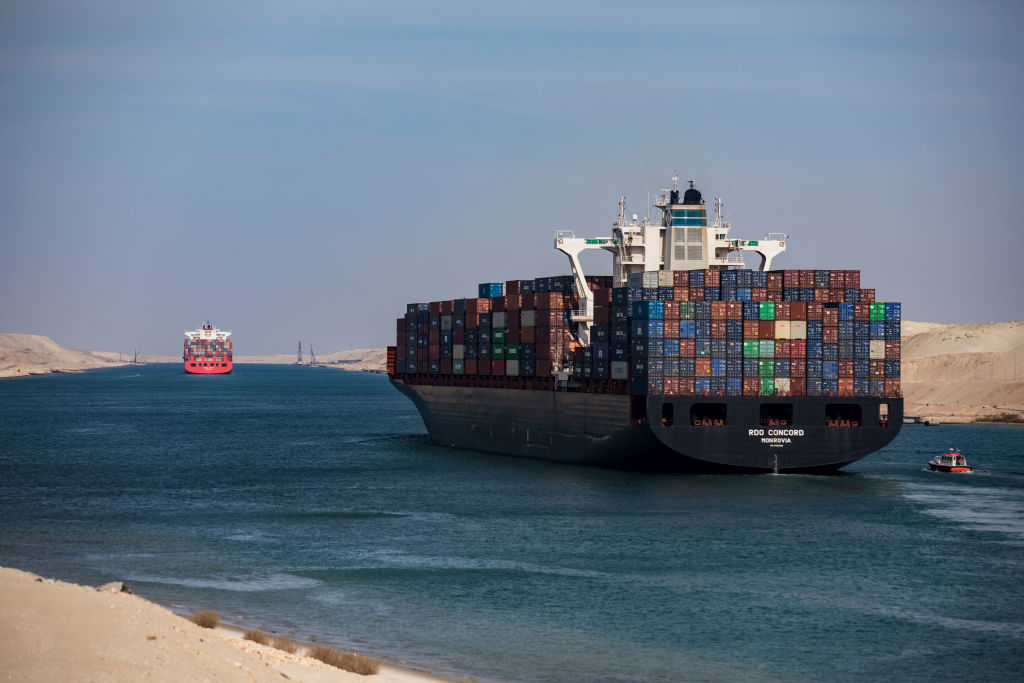
It’s difficult to overstate the importance of the Canal to the international shipping trade, but it’s importance to Egypt economy is even greater still.
It is not yet clear who will emerge as the winners and the losers from this latest crisis in a country that has experienced so many.
The tensions between the two sides are unlikely to ease anytime soon.
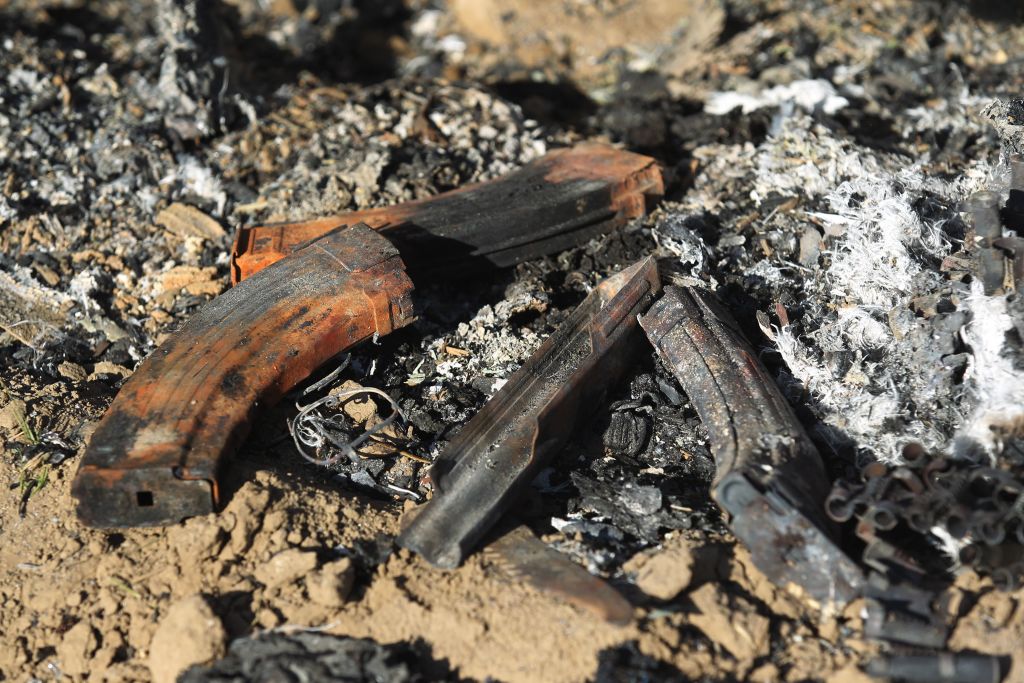
The arrival of COVID-19 into Iraq and the resulting reduction in frontline deployed forces has widened the scope for ISIS operations.
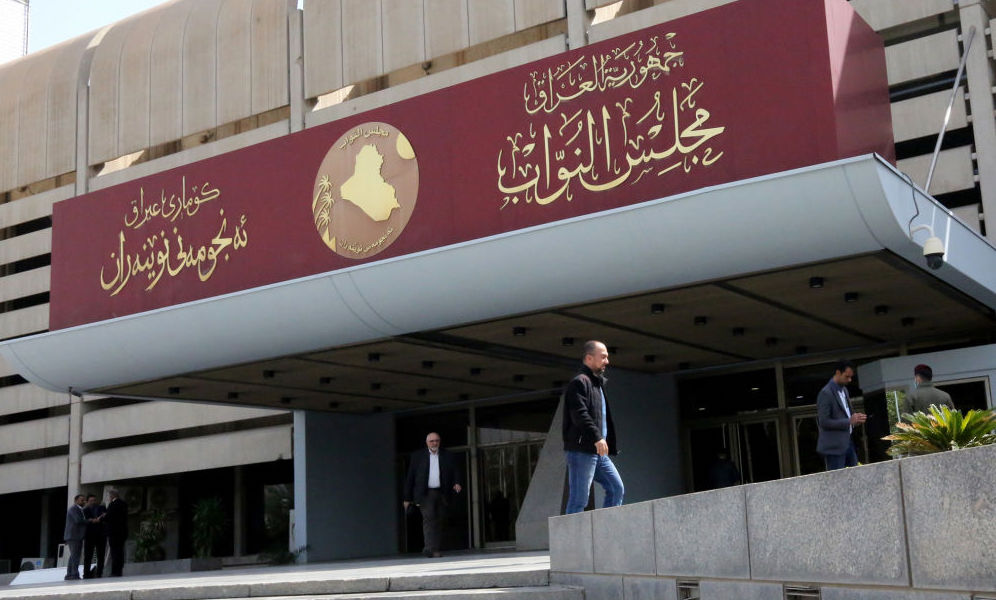
If Kadhimi’s opponents succeed in blocking his confirmation, Iraq’s government will sink deeper into lethargy at a time of building crisis.
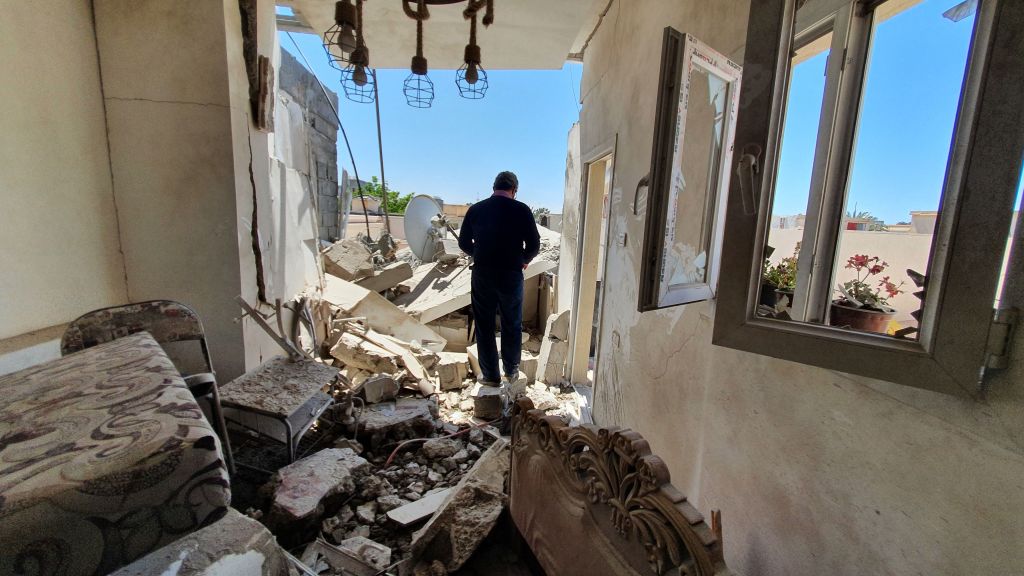
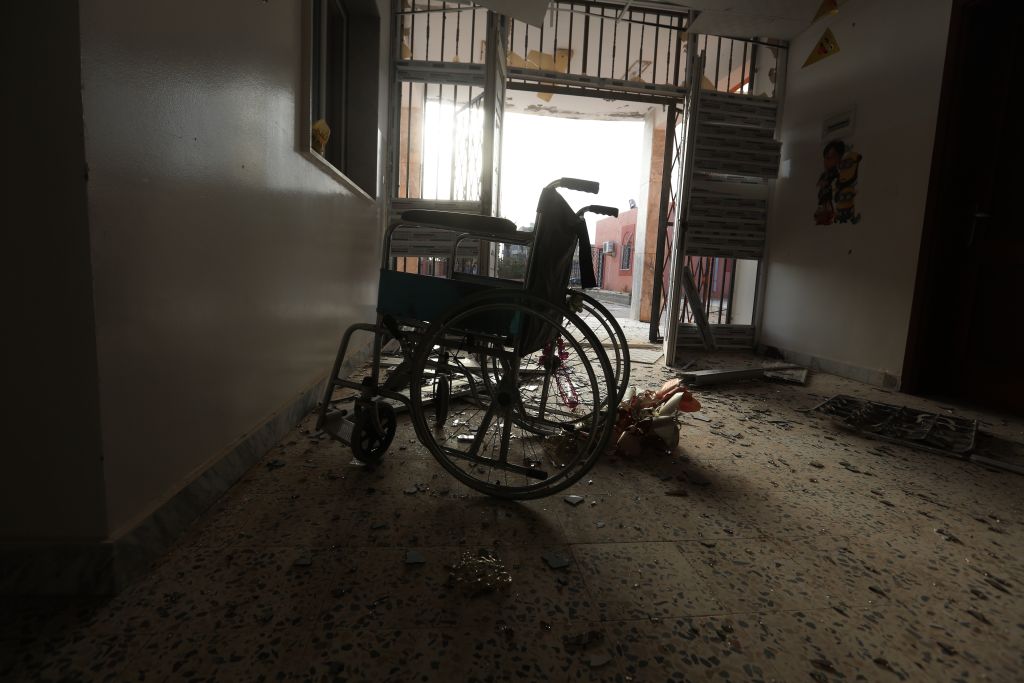
Last week Libya witnessed one of the oldest tricks in the book: unilaterally declare a cease-fire at exactly the moment when your opponents are poised to gain territory.
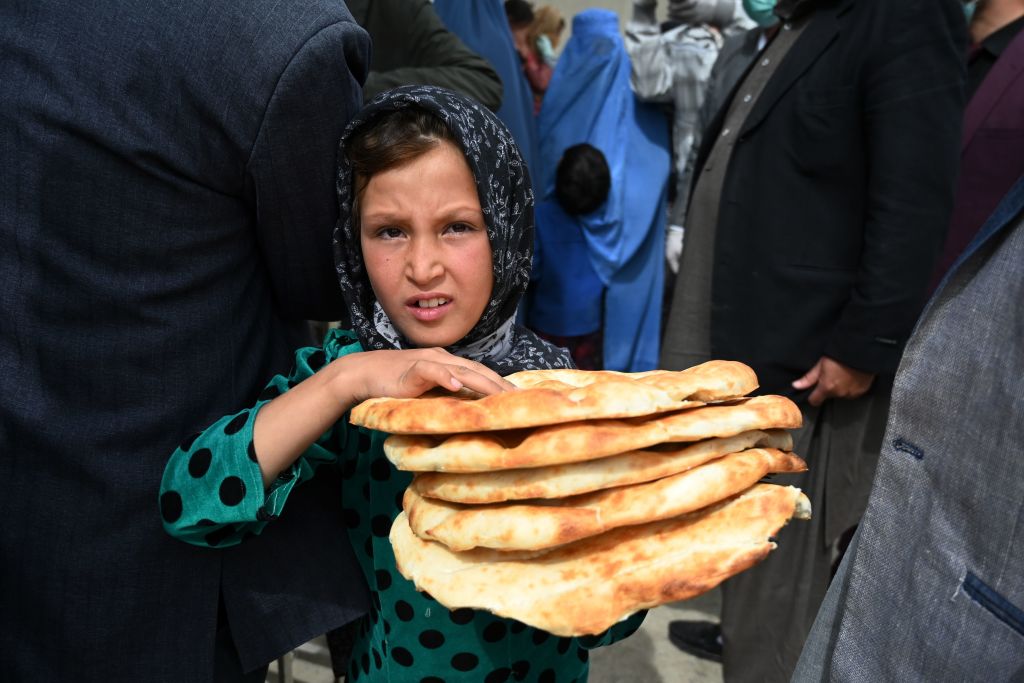
Rather than seeing the spreading virus as a common enemy, the Taliban seem to be viewing the health crisis as opening new military opportunities.
The uncertain political circumstances this time around make these efforts worth watching.
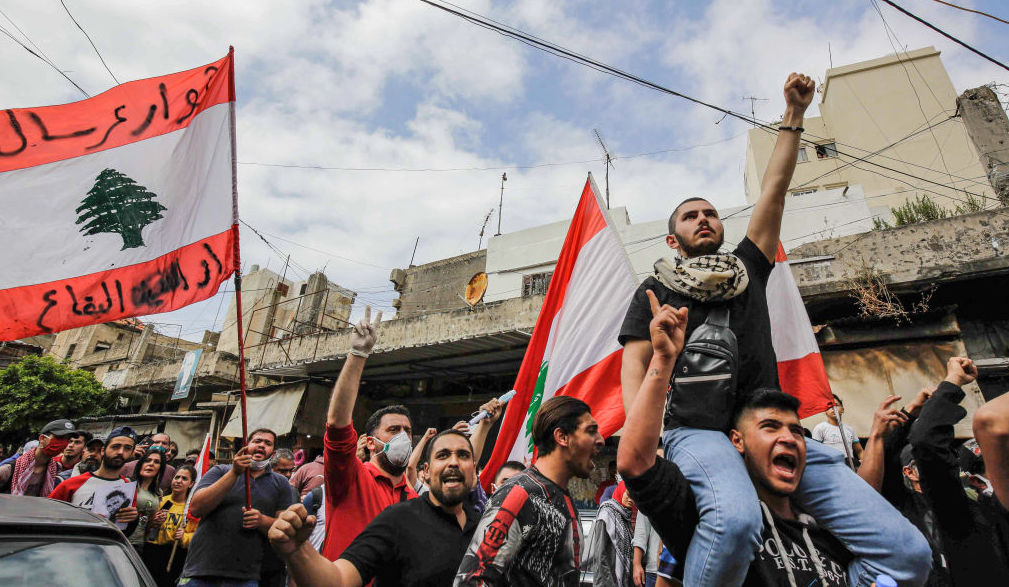
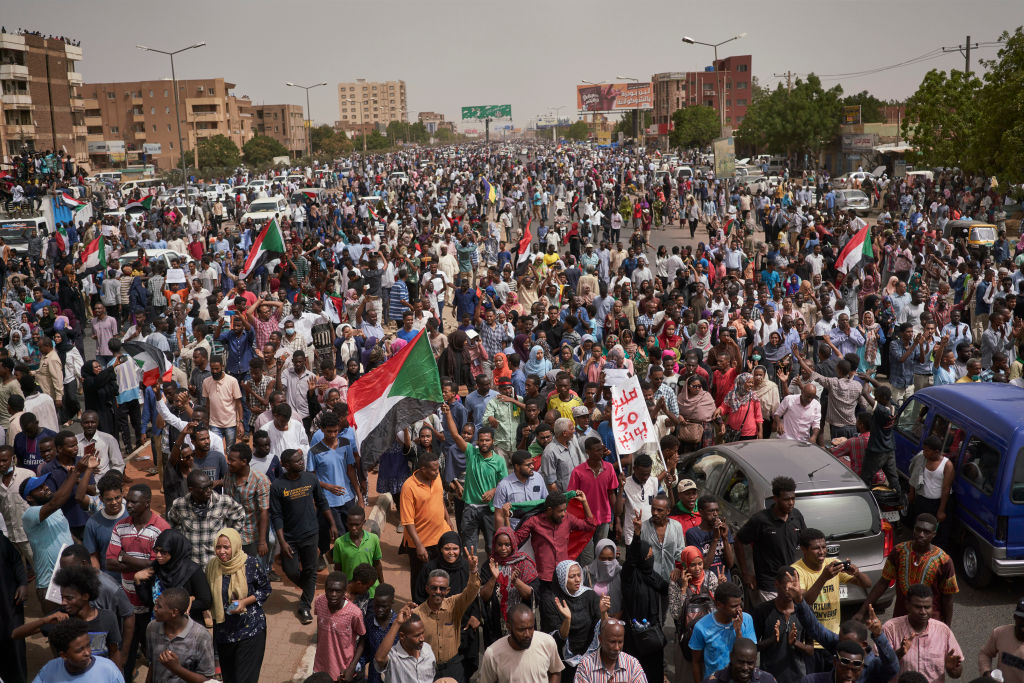
The COVID-19 pandemic has delayed elections and brought about a surge in disinformation and rising authoritarianism worldwide. Popular protest movements are seeking ways to adapt to this new reality, and their survival is perhaps more important than ever in ensuring governments take a citizen-centered approach to the management of this crisis.
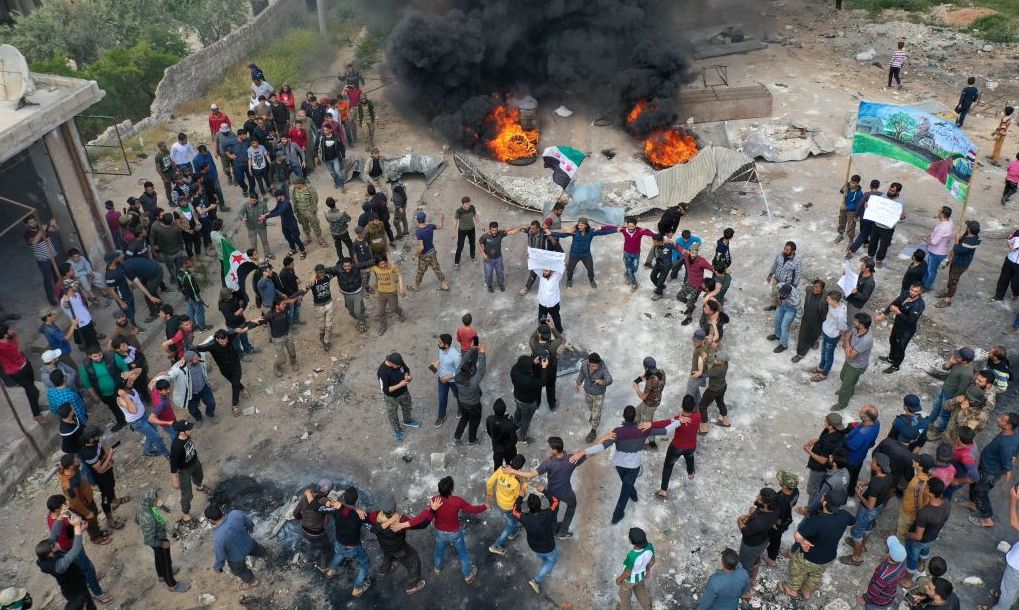
With its territory under increasing pressure, its finances dwindling, and manpower more challenged than ever, HTS’s ability to balance its extremism with controlled uses of pragmatism is under strain. Internally, its leadership is bitterly divided over decisions of the past, present, and future and externally, its rivals and enemies all appear to be conspiring against it. In an attempt to protect internal cohesion, HTS has become determinedly self-assertive in recent weeks, pursuing unpopular policies such as trading with the regime and lashing out at those brave enough to express their dissatisfaction. In response to HTS aggressions, a wider array of opposition voices — both moderate and Islamist — are declaring loudly that HTS now represents a threat to their revolution.