Return to "maximum pressure": Opportunities and challenges
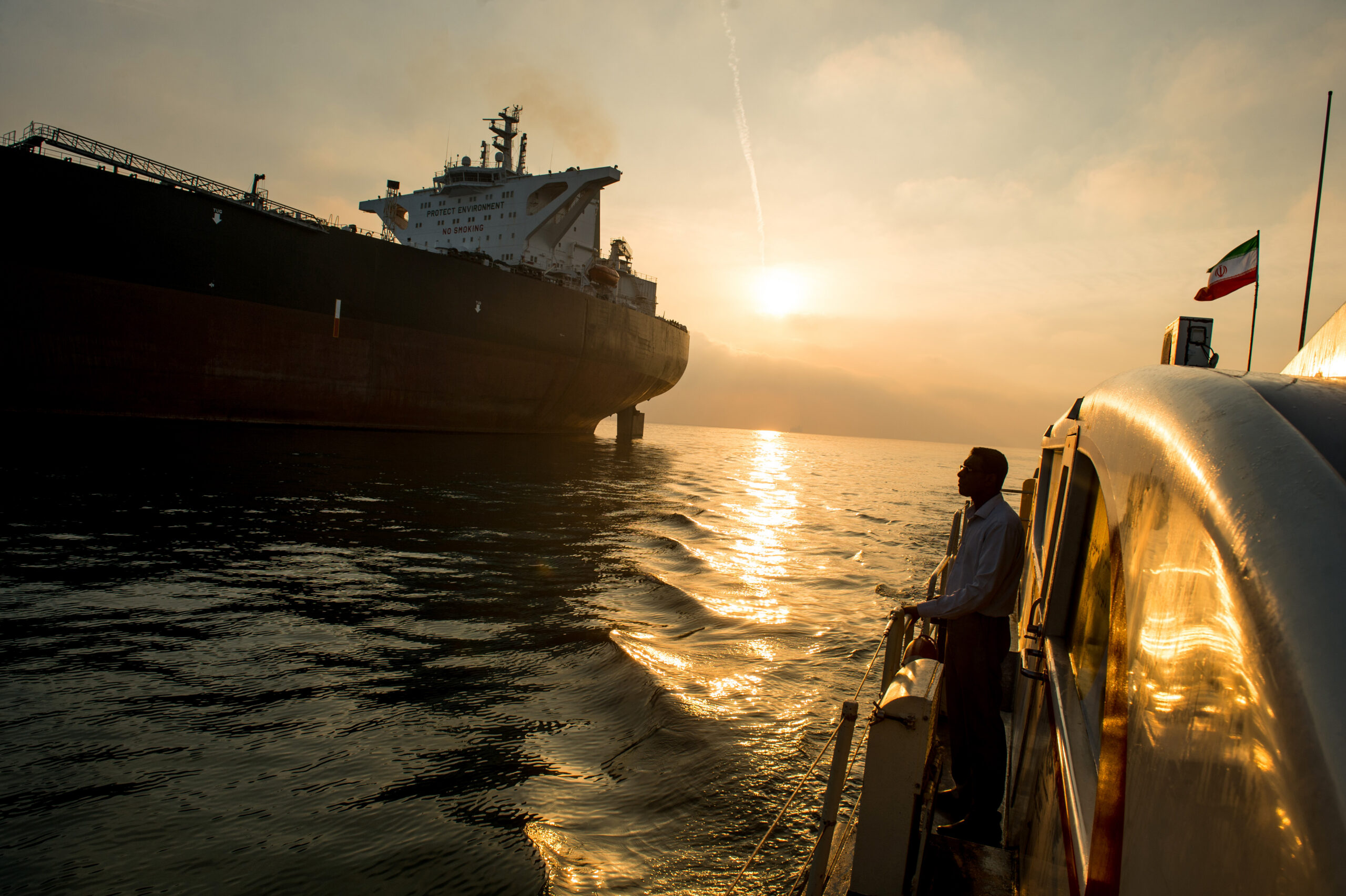
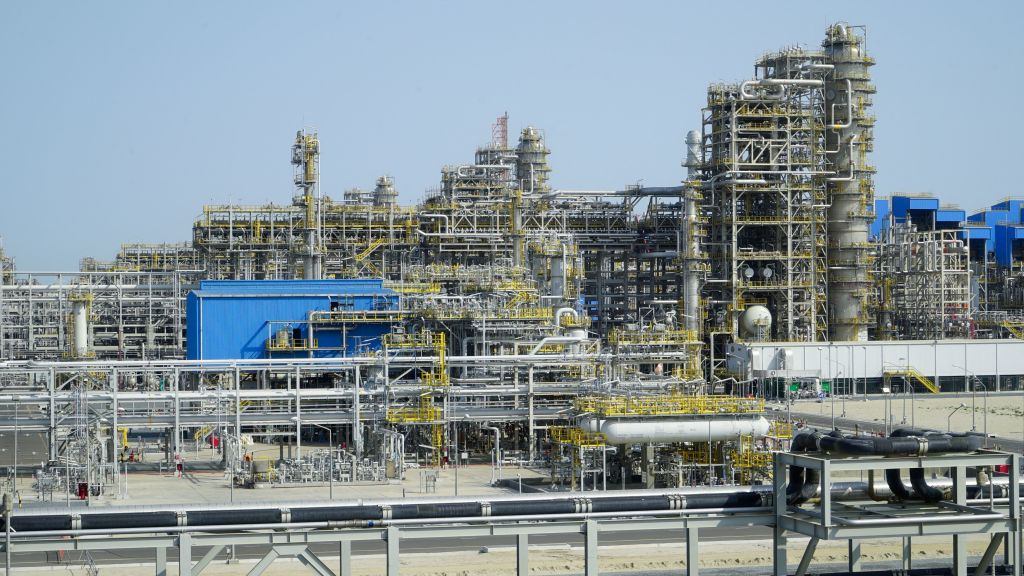
With the signing of a presidential memorandum on Feb. 4, the administration of Donald Trump has returned to a “maximum pressure” campaign against Iran, but circumstances have changed drastically since the policy of intensified sanctions was originally crafted during his first term. Regional geopolitics will present the White House with a new set of variables, while changes in the petroleum markets will affect how the administration approaches sanctions on oil exports.
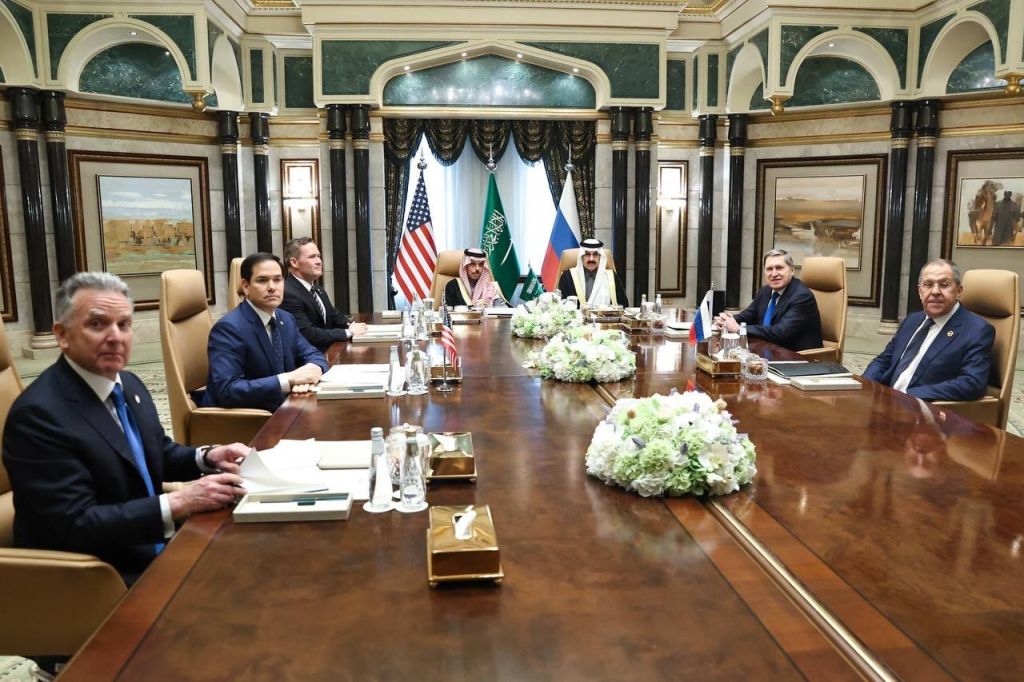
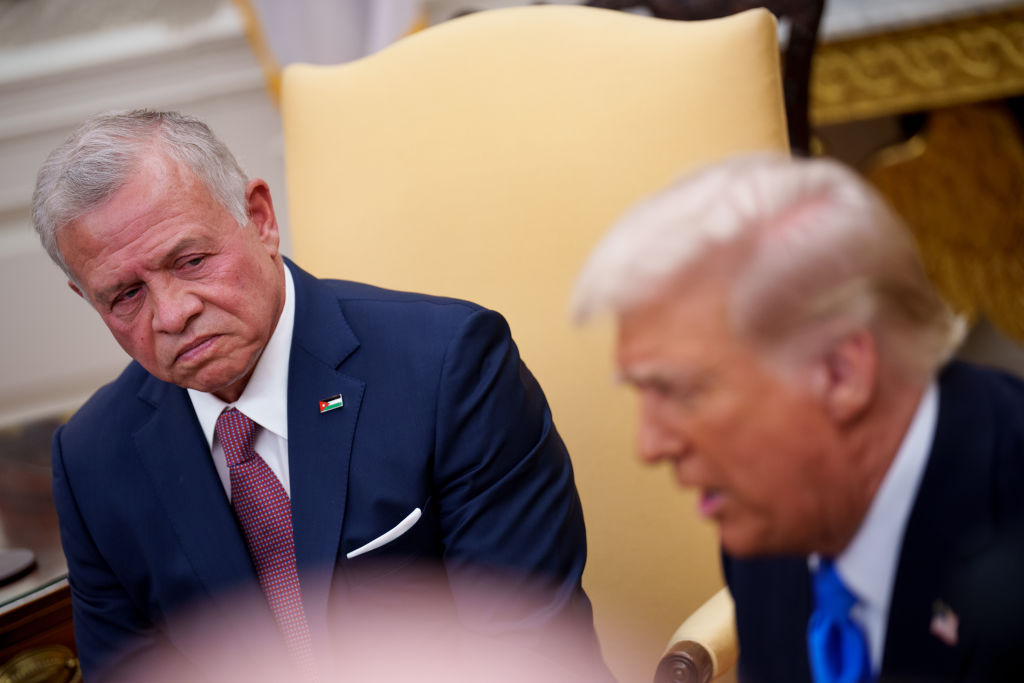
Trump’s diplomatic gambit in the Middle East at one month
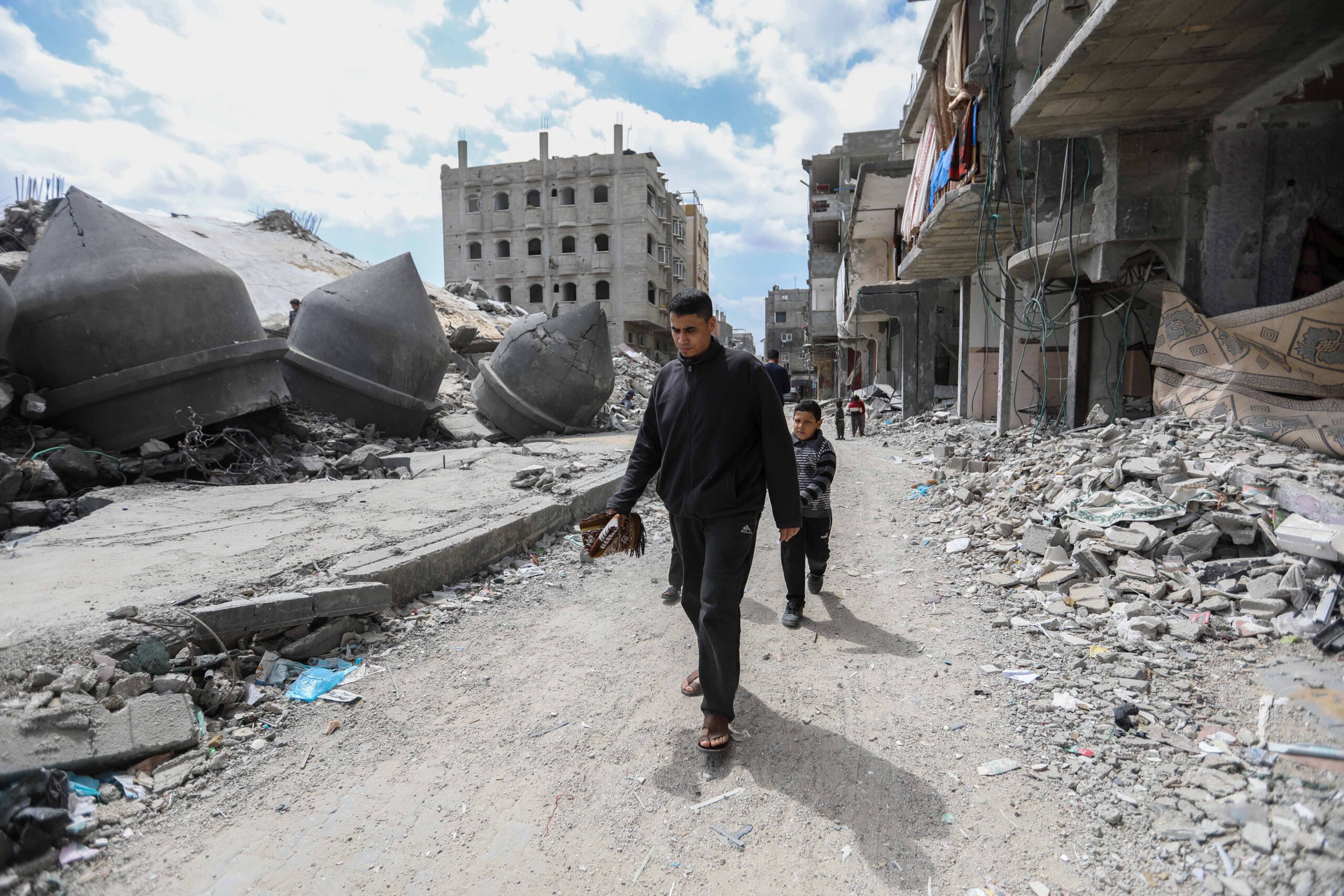
This massive distraction of the Trump administration’s Gaza non-plan and the even more serious move of dismantling America’s ability to shape and influence events abroad together carry three risks for the Middle East.
NYT Bestselling Author Kwame Alexander on the Power of Literature and Poetry to Bring Us Together
ينضم الشاعر والمنتج والمؤلف الشهير كوامي ألكسندر، الذي تصدرت مؤلفاته قائمة أكثر الكتب مبيعًافي نيويورك تايمز،إلى المضيفة الضيفة لين سنيج لمناقشة قوة سرد القصص والتقاطع بين الفن والتغيير الاجتماعي. يسترجع ألكسندر تجربته الأخيرة في التحدث في معرض الرياض الدولي للكتاب 2024 في المملكة العربية السعودية، ويشاركنا أفكاره حول المشهد الأدبي في المملكة، والرغبة المتزايدة في قراءة القصص العالمية، وكيف يمكن للكتب والشعر أن يكونا جسورًا بين الثقافات.
Watching Trump’s second term unfold from the Middle East
Observing the unfolding of President Donald Trump’s second term from the Middle East is as confusing and disorienting as it must be from the United States. In Palestine, Egypt, and Jordan, urgent concern is focused on Trump’s surprise plan to take over the Gaza Strip, displace its population, and rebuild it as the “Riviera of the Middle East.” In Israel, the right wing is extremely pleased with Trump’s gift, but they don’t know what he has planned for the West Bank. In the Arab Gulf monarchies, leaders are generally happy to be dealing with Trump again but are alarmed by the recklessness of his Gaza plan and concerned about the potential impact his energy and tariff policies could have on their economies.
Act 1 of Trump’s Middle East policy: Off script or no script?
The Trump administration’s Middle East approach in its first three weeks back in office was filled with plenty of sound and fury. It’s still too soon to tell whether all of the noise signifies much of anything for the region, yet there are few promising signs of a smooth ride ahead.
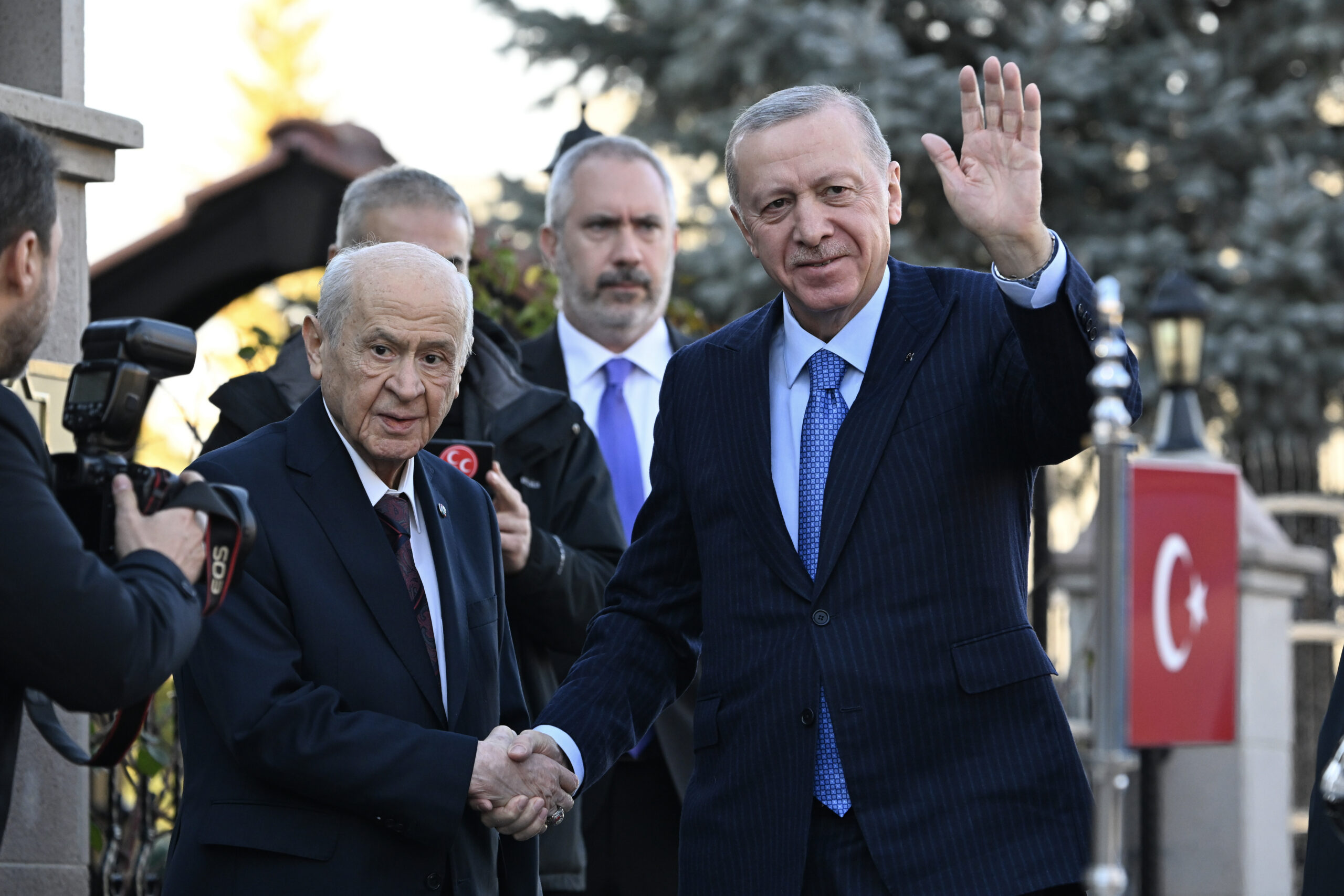
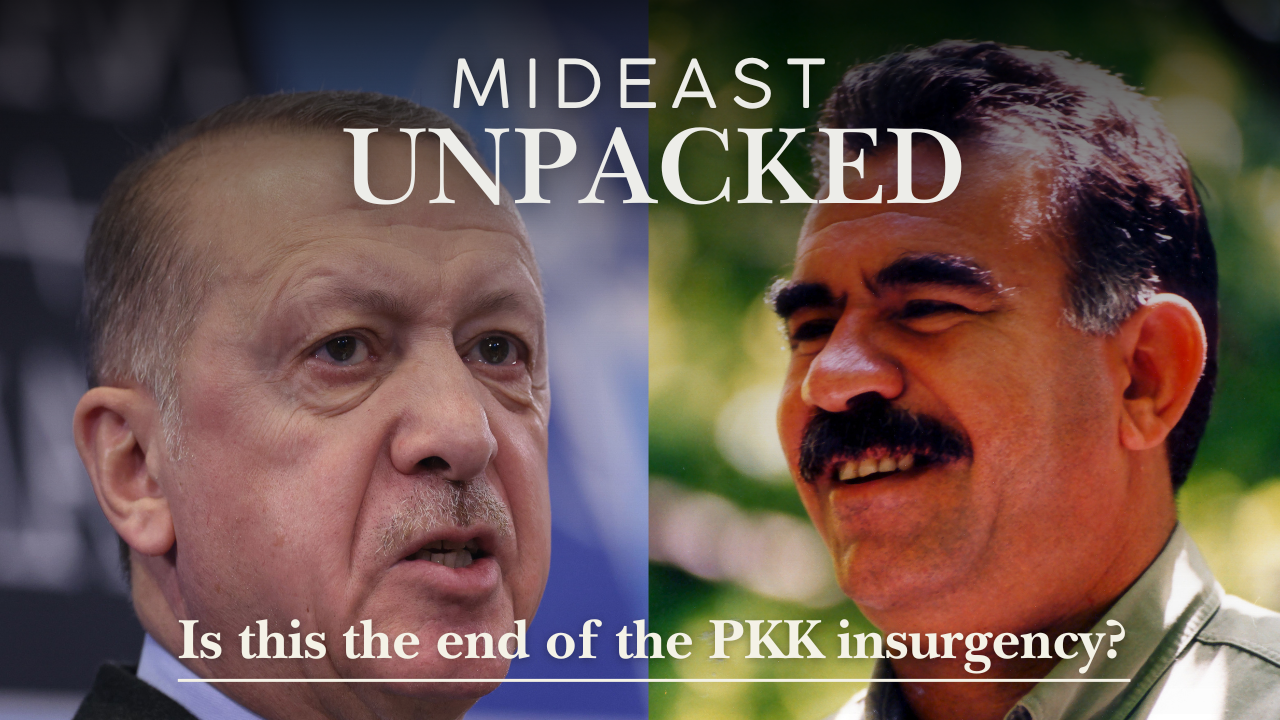
قد يكون هناك تحول تاريخي في الأفق، حيث تدخل تركيا وزعيم المسلحين الأكراد عبد الله أوجلان في محادثات سلام غير متوقعة. بعد 40 عامًا من التمرد وخسارة 40 ألف شخص، من المتوقع أن يدعو أوجلان مقاتلي حزب العمال الكردستاني إلى إلقاء أسلحتهم. ومع ذلك، مع تراجع الرئيس أردوغان عن الديمقراطية واستمرار قمع الحقوق السياسية للأكراد، لا تزال هناك تساؤلات حول إمكانية تحقيق سلام دائم. تشرح غونول تول من معهد الشرق الأوسط (MEI) ذلك.
تأثير الحرب الروسية الأوكرانية على تدفقات الطاقة من دول الخليج العربي
بعد مرور ما يقرب من ثلاث سنوات، أدى الغزو الروسي الشامل لأوكرانيا في فبراير 2022 إلى إعادة تشكيل التجارة والاستثمار في قطاع الطاقة، مما أدى إلى زيادة واردات الخليج من النفط الروسي وارتفاع حاد في صادرات المنطقة من الهيدروكربونات إلى أوروبا، فضلاً عن زيادة نمو استثمارات الخليج في مشاريع الطاقة المتجددة الموجودة في القارة والموجهة إليها.
Barbara A. Leaf | 'Taking the Edge Off the Middle East' Ep. 7
Middle East Focus Presents: ’Taking the Edge Off the Middle East’ with Brian Katulis.
A series of casual conversations with leading policy professionals on the most important happenings in the Middle East today – hosted by MEI’s Senior Fellow Brian Katulis.
Barbara A. Leaf is a seasoned diplomat and expert on the Middle East, having served as the US Assistant Secretary of State for Near Eastern Affairs and held key positions in US embassies across the region. In this episode, Barbara joins Brian to discuss the array of “black swan” events currently unfolding in the Middle East, and how the second Trump administration may respond to these challenges. They discuss the broader implications of these developments for US foreign policy, national security, and regional stability.
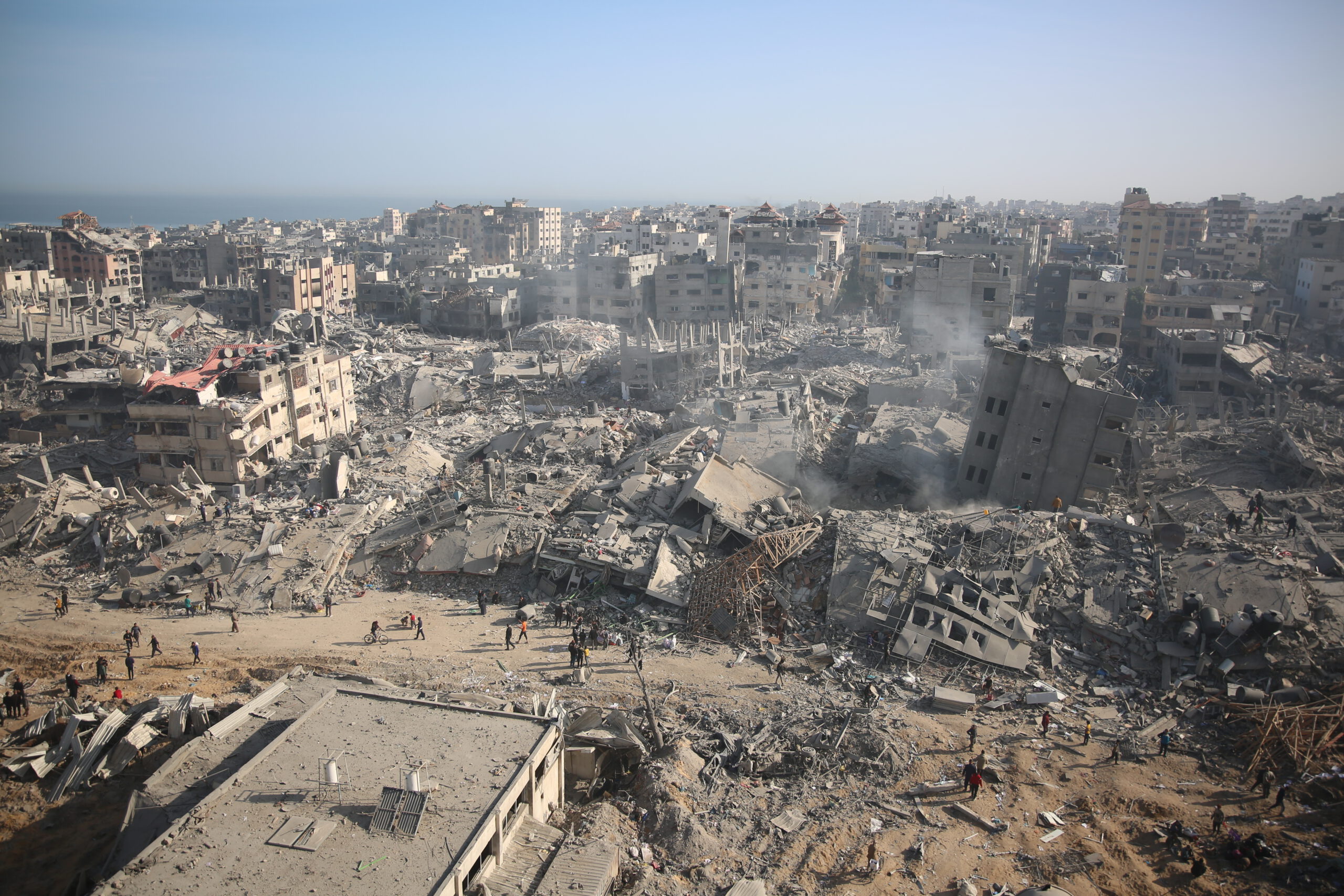
Despite a few hiccups, the cease-fire between Israel and Hamas has achieved its initial milestones. Much will depend on the upcoming negotiations regarding the next phases of the agreement. Yet for now, the fundamental questions of who will govern Gaza, who will provide security, and who will deliver the funding to rebuild it have yet to be definitively resolved.
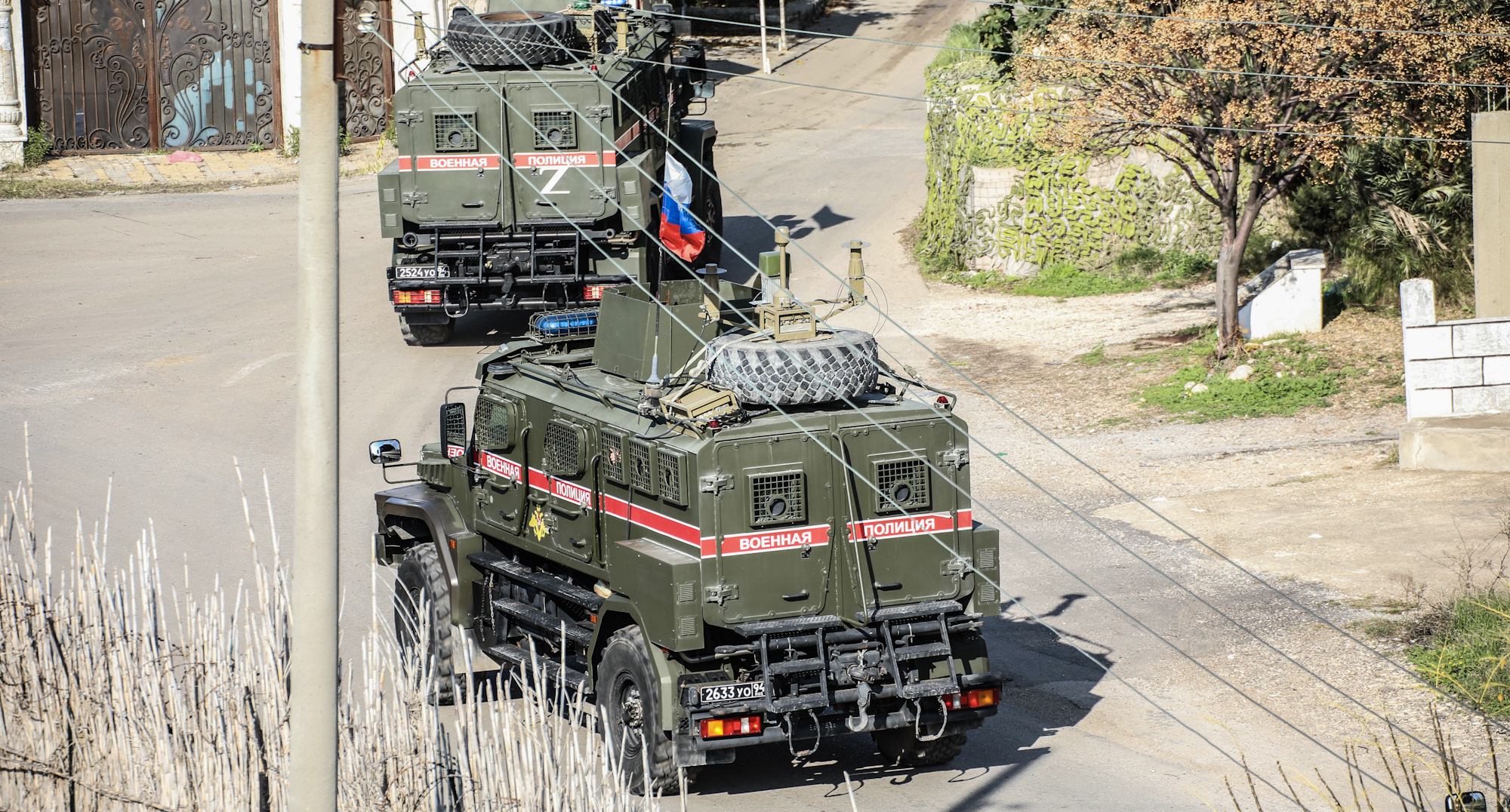
إعادة توازن استراتيجية روسيا في منطقة البحر الأبيض المتوسط: من إظهار القوة إلى التراجع إلى المنطقة الرمادية
سيكون من الصعب للغاية على موسكو الحفاظ على قواعدها العسكرية في سوريا أو إيجاد موقع بديل في البحر الأبيض المتوسط. وجزء من المشكلة في السعي وراء الخيار الأخير، خاصة إذا كان في ليبيا، هو أنه سيتطلب تحولاً كاملاً في نموذج الوجود العسكري الروسي — من قواعد أكثر تقليدية مصممة لفرض الردع من خلال إظهار العلم في المنطقة إلى بناء عملية عسكرية ولوجستية داخل "منطقة رمادية" أمنية.