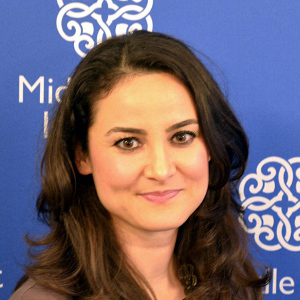
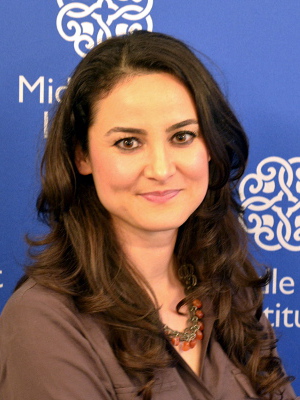
Gönül Tol is a senior fellow at the Middle East Institute (MEI), where she focuses on Turkish politics, US-Turkey relations and regional dynamics in the Middle East.
A frequent commentator, Dr. Tol has written extensively on Turkish domestic and foreign policy for publications such as Foreign Affairs, The New York Times, Foreign Policy, and TheFinancial Times. Her articles include “Turkey Is Now a Full-Blown Autocracy” in Foreign Affairs (March 2025), “The Indispensable Erdogan” in The New York Times and “Erdogan Sees Nothing But Opportunity in Syria” in TheFinancial Times (December 2024).
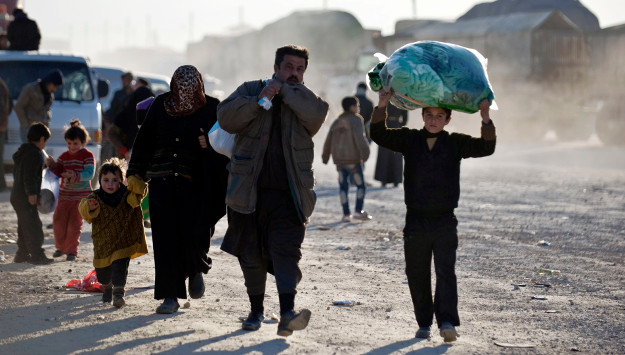
Not only is the battle for Aleppo sending tens of thousands of desperate people fleeing toward Turkey, but the fall of the rebel-held city would deliver a major blow to Ankara’s Syria policy.
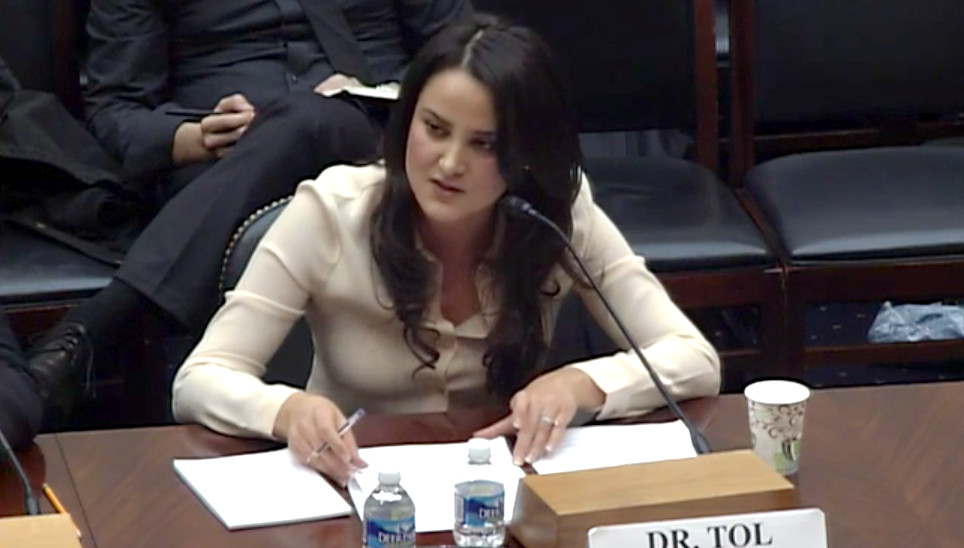
Gonul Tol, director of MEI’s Center for Turkish Studies, delivered the following testimony at a hearing of the U.S. House of Representatives’ Foreign Affairs Subcommittee on Europe, Eurasia, and Emerging Threats on February 3, 2016. Click here for video of the hearing.
Mr. Chairman, members of the Committee, it is an honor to be invited to speak with you today about the political trends in Turkey in 2016.
Turkey Should Avoid Getting Involved in the Saudi-Iran Row
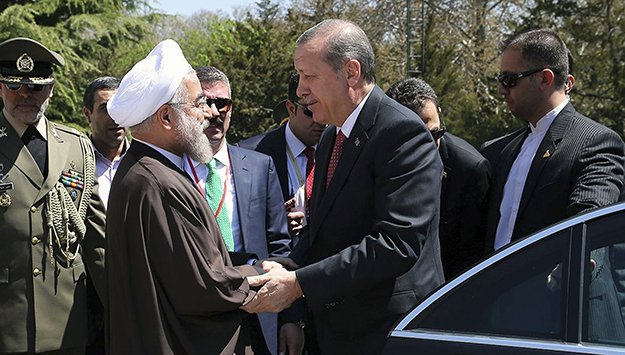
Turkey’s reaction to the latest spat between Saudi Arabia and Iran spells more trouble for Ankara at a time when it is already at loggerheads with many of its neighbors. Initial remarks by Deputy Prime Minister Numan Kurtulmus criticizing both sides were an attempt to keep Turkey out of the rift. He was upstaged, however, by Turkey’s foreign ministry, which followed up with a statement singling out Iran for condemnation.
Since the early days of the republic, Turkey’s deep state has been seen as the clandestine defender of the Turkish establishment and the secular and nationalist ideology established by Turkey’s founder, Mustafa Kemal Ataturk.
In a stunning electoral comeback that has surprised everyone, including its own legislators, Turkey’s ruling Justice and Development Party (AKP) captured almost 50 percent of the votes, but well over 50 percent of parliamentary seats, in Sunday’s elections. There are many lingering questions. Considering that even the pro-government pollsters did not foresee such a victory, many have asked whether the elections were free and fair. If so, how did the AKP manage to reverse its electoral fortunes in just five months in a country that has been mired in chaos and violence during that time?
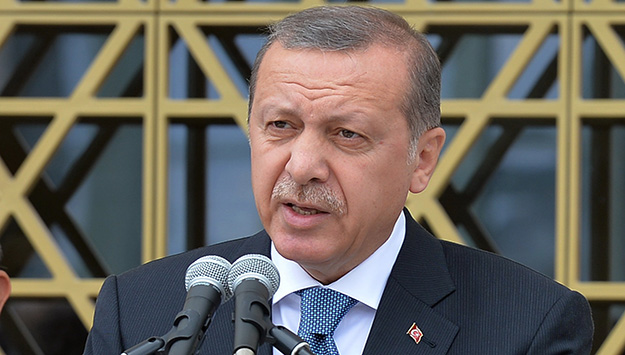
The Turkish electorate is going to the polls on Sunday for the second time in just over five months. After 13 years in power, the ruling Justice and Development Party (AKP) failed to secure enough votes in June to form a majority government. In the hope another vote could deliver a parliamentary majority to his party, President Recep Tayyip Erdogan called for snap elections. But polls indicate that Erdogan might not get what he wants.
Turkish Prime Minister Ahmet Davutoglu is at the United Nations in New York, making another push for Turkey’s long-standing demand for a safe zone in northern Syria, while President Recep Tayyip Erdogan seems to have realized that it might be a long shot given recent developments.
A recent public opinion poll conducted by Ipsos suggests that the Turkish public is supportive of foreign aid, with around 45 percent of those surveyed indicating that Turkey should spend 3 to 10 percent of its national budget on such assistance. Material and ideological factors rather than moral imperatives play a role in this opinion.
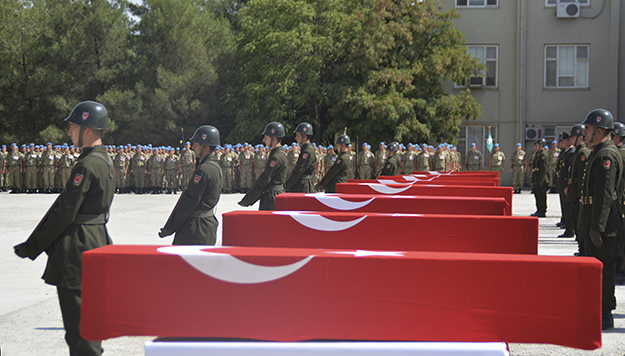
With less than two months left until the parliamentary elections in November, Turkey is engulfed in deepening chaos and growing violence. The peace process between Turkey and the PKK that began in 2013 collapsed in July when the PKK killed two Turkish policemen it believed were linked to the Islamic State. The PKK attack was in retaliation for an Islamic State bombing that killed 32 student activists at Suruc on their way to Kobani.
After months of hesitation to take action against the Islamic State (ISIS) and almost two years of quiet since a 2013 truce with the Kurdistan Workers’ Party (PKK), Turkey decided to pick a fight with both. It has been pounding Islamic State targets in Syria and PKK positions in northern Iraq.
June 8, 2015 – Gonul Tol, director of the Center for Turkish Studies at The Middle East Institute, discusses the reactions to Turkey’s June 7 elections, and what the setback for the ruling AK party and President Erdogan means for Turkey’s domestic policy agenda and its relations with the United States.
Turkey’s General Elections 2015: High Stakes at Home and Abroad
Turkish citizens are going to the polls on June 7 to elect the next government that will rule the country until 2019. With an ongoing peace process with the Kurds, a stumbling democracy, an economic recession on the horizon, the prospect of constitutional reform, a stalled EU accession process, tension in Turkey-U.S. relations, and a region engulfed in chaos, the stakes have not been higher.
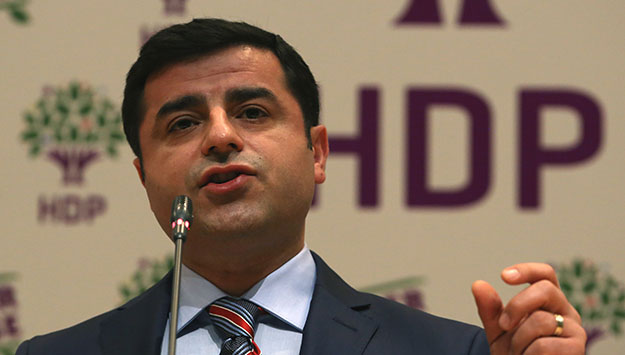
Turkey’s Pro-Kurdish People’s Democratic Party: Gaining Ground but Facing Challenges
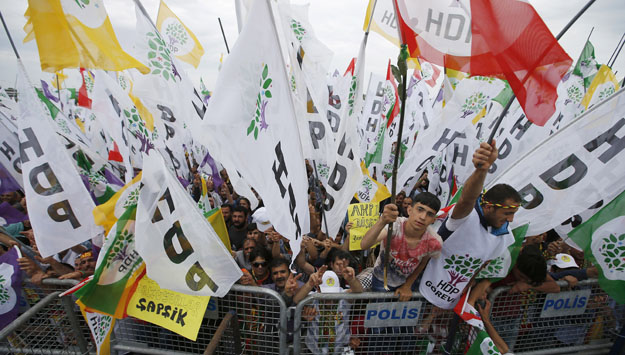
With an ongoing peace process with the Kurds and a stumbling democracy, the stakes for Turkey’s parliamentary elections next month have not been higher. The opposition parties—the People’s Democratic Party (HDP), the Republican People’s Party (CHP), and the Nationalist Movement Party (MHP)—need all the help they can get to deny an outright victory to the Justice and Development Party (AKP), which has ruled Turkey since 2002. The growing popularity of the pro-Kurdish HDP, along with signs of declining support for the AKP, point to the possibility of a significant shift in Turkish politics.
Turkey’s Balancing Act between Iran and Saudi Arabia
Turkish Foreign Minister Mevlut Cavusoglu, reiterating Turkey’s support for a diplomatic solution over the use of force regarding Iran’s nuclear program, welcomed the interim deal between Tehran and the world powers. Turkey’s slowing economy may be among the first to reap economic benefits from the deal, and Ankara’s longtime quest to become an energy hub could finally be realized. Yet the deal could also pose a challenge to Ankara’s Iraq and Syria policies and its recent rapprochement with the Saudis.
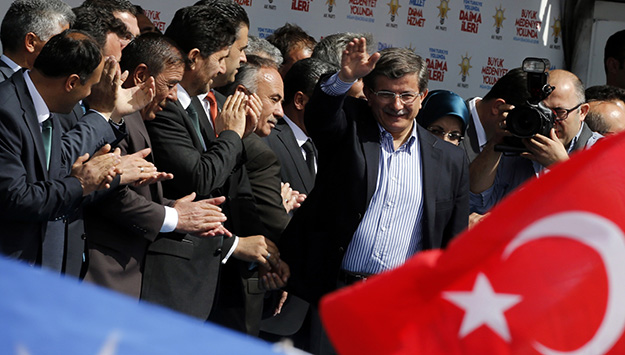
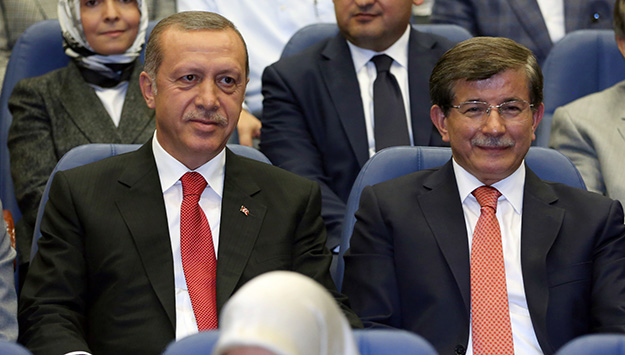
The recent public row between Deputy Prime Minister Bulent Arinc and Ankara Mayor Melih Gokcek marked the latest fallout from a widening rift between the country’s president, Recep Tayyip Erdogan, and his handpicked prime minister, Ahmet Davutoglu. If the crack continues to widen, it will not only deal a blow to Erdogan’s presidential dream but also to the future of the ruling party.