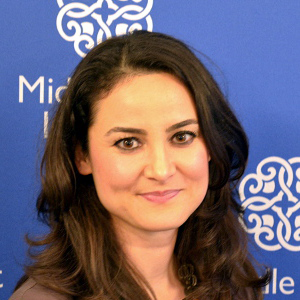
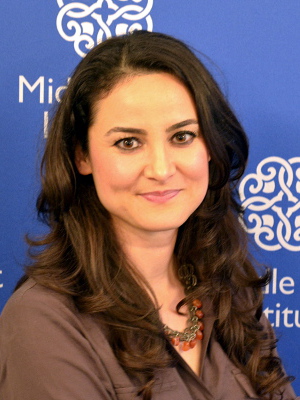
Gönül Tol is a senior fellow at the Middle East Institute (MEI), where she focuses on Turkish politics, US-Turkey relations and regional dynamics in the Middle East.
A frequent commentator, Dr. Tol has written extensively on Turkish domestic and foreign policy for publications such as Foreign Affairs, The New York Times, Foreign Policy, and TheFinancial Times. Her articles include “Turkey Is Now a Full-Blown Autocracy” in Foreign Affairs (March 2025), “The Indispensable Erdogan” in The New York Times and “Erdogan Sees Nothing But Opportunity in Syria” in TheFinancial Times (December 2024).
June 8, 2015 – Gonul Tol, director of the Center for Turkish Studies at The Middle East Institute, discusses the reactions to Turkey’s June 7 elections, and what the setback for the ruling AK party and President Erdogan means for Turkey’s domestic policy agenda and its relations with the United States.
Turkey’s General Elections 2015: High Stakes at Home and Abroad
Turkish citizens are going to the polls on June 7 to elect the next government that will rule the country until 2019. With an ongoing peace process with the Kurds, a stumbling democracy, an economic recession on the horizon, the prospect of constitutional reform, a stalled EU accession process, tension in Turkey-U.S. relations, and a region engulfed in chaos, the stakes have not been higher.
Turkey’s Pro-Kurdish People’s Democratic Party: Gaining Ground but Facing Challenges
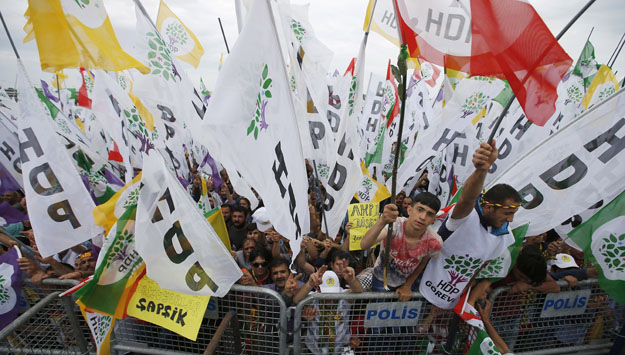
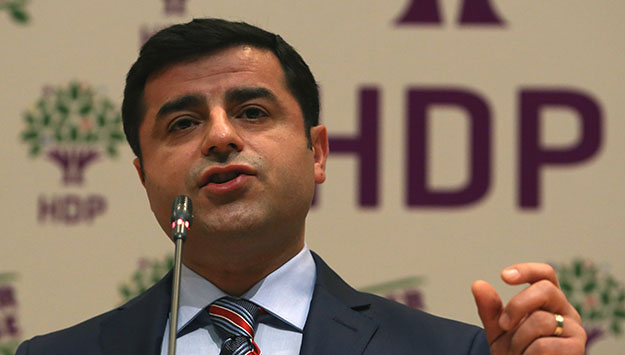
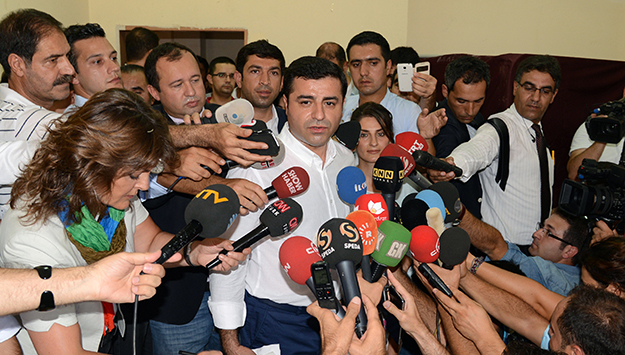
With an ongoing peace process with the Kurds and a stumbling democracy, the stakes for Turkey’s parliamentary elections next month have not been higher. The opposition parties—the People’s Democratic Party (HDP), the Republican People’s Party (CHP), and the Nationalist Movement Party (MHP)—need all the help they can get to deny an outright victory to the Justice and Development Party (AKP), which has ruled Turkey since 2002. The growing popularity of the pro-Kurdish HDP, along with signs of declining support for the AKP, point to the possibility of a significant shift in Turkish politics.
Turkey’s Balancing Act between Iran and Saudi Arabia
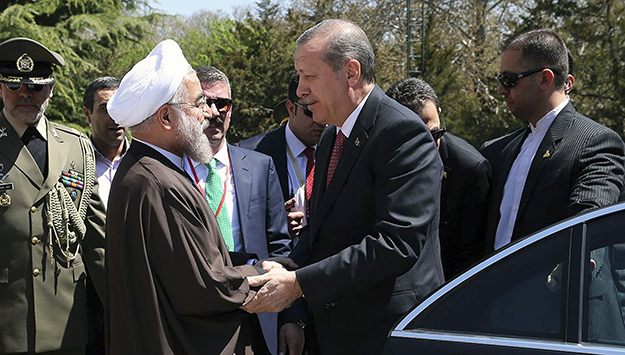
Turkish Foreign Minister Mevlut Cavusoglu, reiterating Turkey’s support for a diplomatic solution over the use of force regarding Iran’s nuclear program, welcomed the interim deal between Tehran and the world powers. Turkey’s slowing economy may be among the first to reap economic benefits from the deal, and Ankara’s longtime quest to become an energy hub could finally be realized. Yet the deal could also pose a challenge to Ankara’s Iraq and Syria policies and its recent rapprochement with the Saudis.
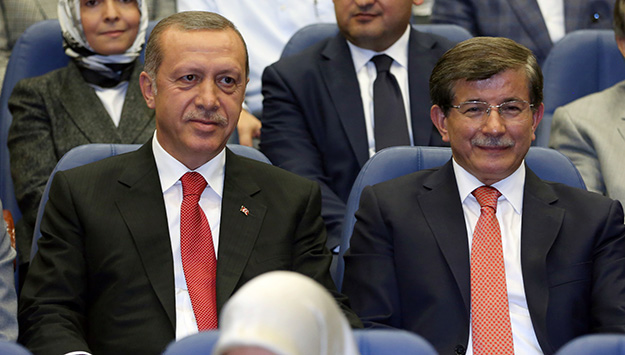
The recent public row between Deputy Prime Minister Bulent Arinc and Ankara Mayor Melih Gokcek marked the latest fallout from a widening rift between the country’s president, Recep Tayyip Erdogan, and his handpicked prime minister, Ahmet Davutoglu. If the crack continues to widen, it will not only deal a blow to Erdogan’s presidential dream but also to the future of the ruling party.
Frustrated Turkey Turns to Onetime Ally Saudi Arabia
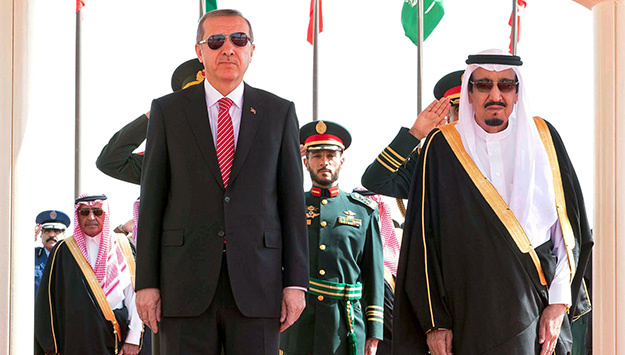
Frustrated by the United States’ failure to heed its advice on Syria and Iraq, and by Iran’s growing clout in these countries, Turkey seems to have decided to mend its frosty relationship with Saudi Arabia. When King Abdullah died earlier this year, Turkish President Recep Tayyip Erdogan immediately cut short an African tour and flew to Riyadh to offer his condolences. He declared a period of mourning in Turkey and ordered the Turkish flag to be flown at half-mast.
Could Kurds Be the Liberal Alternative Turks Have Been Looking For?
Turkey’s first tangible democratic push came from the Islamist camp in 2002 when the Islamist-rooted Justice and Development Party (AKP) came to power. The second could come from an unlikely source: the Kurds.
Turkey’s Kurds are playing a risky game. If they succeed, they can boost the country’s troubled democracy. If they fail, a further drift toward authoritarianism will follow.
Washington-Ankara Tensions Will Shape Obama’s Legacy in Turkey
This paper is part of an MEI scholar series, titled “Obama’s Legacy in the Middle East: Passing the Baton in 2017.” Click here to view the full project, or navigate using the table of contents to the right.
In the space of just 48 hours last week, Turkey went from calling the PYD — the Kurds defending the Syrian border town of Kobani — a terrorist group to opening up an arms corridor from Iraq to aid its fight against ISIS.
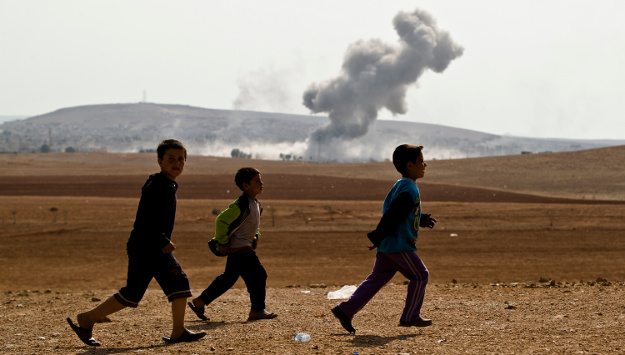
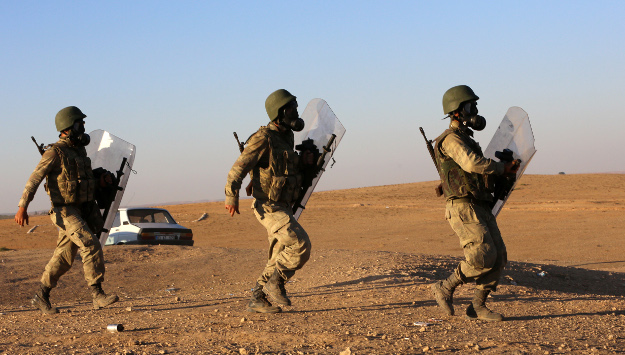
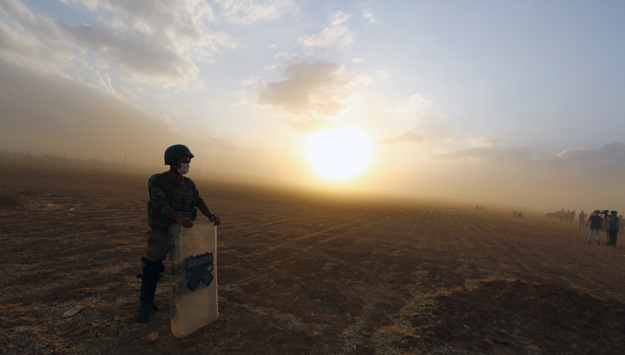
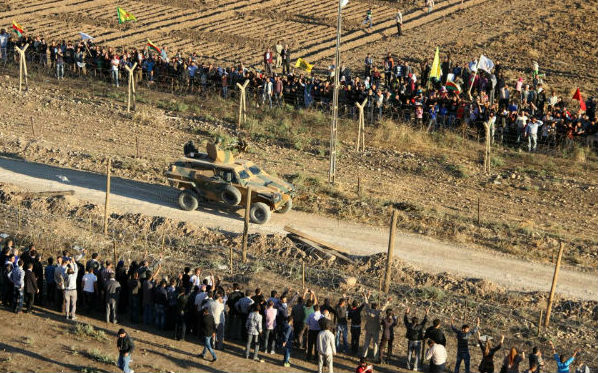
Turkey is in a tough spot. It has ISIS militants threatening the Syrian border town of Kobani, inching ever closer to confronting Turkish security forces. In addition thousands of Syrian Kurds, fleeing ISIS attacks, have massed along its border, adding further to Ankara’s troubles.
Turkey, a key U.S. ally and a NATO member that borders the territory captured by ISIS, which now calls itself the Islamic State, in Syria and Iraq, could play a critical role in the U.S.-led military assault against the jihadist group.
Turkey: A Reluctant Partner in the Fight against the Islamic State
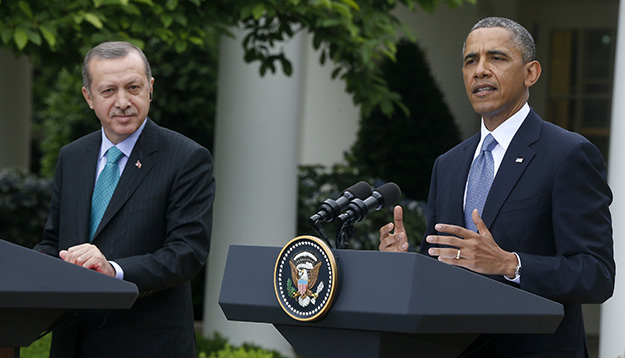
Last week, President Obama laid out his strategy to fight the Islamic State (also known as ISIS or ISIL). The strategy includes a systematic campaign of airstrikes; support to forces fighting ISIS on the ground, including Iraqi Security forces and the Peshmerga (the Kurdish armed forces); redoubling U.S. efforts to cut off ISIS funding; improving intelligence; strengthening defenses; and stemming the flow of foreign fighters into and out of the Middle East.
Turkey’s Syria and Iraq Policy Hostage to Islamic State
As the United States struggles to mobilize a coalition of allies including Turkey behind potential military action against the Islamic State (formerly known as ISIS) in Syria, Turkey’s Iraq and Syria policies remain captive to ISIS and the 49 Turkish hostages it holds. Turkey might be key to the U.S. effort to confront ISIS, and it is in a very tough spot.
Pro-Kurdish Peoples’ Democratic Party is Big Winner in Turkish Elections
A recent statement from the imprisoned leader of the Kurdistan Workers’ Party, Abdullah Ocalan, hails a new era for Turkey’s Kurds. In a statement from his cell on the prison island of Imrali in the Sea of Marmara, Ocalan said that Turkey was now on the verge of “historic developments” after last week’s presidential elections and declared that through a major democratic negotiation, the 30-year war was coming to an end.