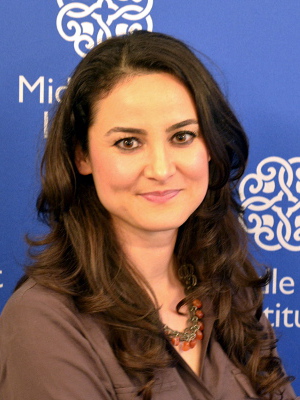
Gönül Tol is a senior fellow at the Middle East Institute (MEI), where she focuses on Turkish politics, US-Turkey relations and regional dynamics in the Middle East.
A frequent commentator, Dr. Tol has written extensively on Turkish domestic and foreign policy for publications such as Foreign Affairs, The New York Times, Foreign Policy, and The Financial Times. Her articles include “Turkey Is Now a Full-Blown Autocracy” in Foreign Affairs (March 2025), “The Indispensable Erdogan” in The New York Times and “Erdogan Sees Nothing But Opportunity in Syria” in The Financial Times (December 2024).
She is the author of Erdogan’s War: A Strongman’s Struggle at Home and in Syria (Oxford University Press, 2023).
She holds a PhD and MA from Florida International University, and a BA from Middle East Technical University.
She is a native Turkish speaker.
The Latest from Gönül Tol
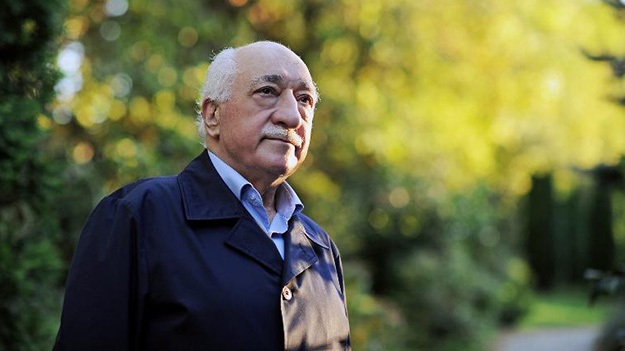
The Clash of Former Allies: The AKP versus the Gulen Movement
A major political row between Turkish Prime Minister Recep Tayyip Erdogan’s Justice and Development Party (AKP) and preacher Fethullah Gulen’s Islamic movement has been simmering in Turkey. The clash between the two former allies will have important implications at a time when Turkey appears increasingly vulnerable, with a war raging in Syria and the government facing fierce challenges from within. The rift will have an effect on a gamut of issues, from the “Kurdish opening” to upcoming local and presidential elections.
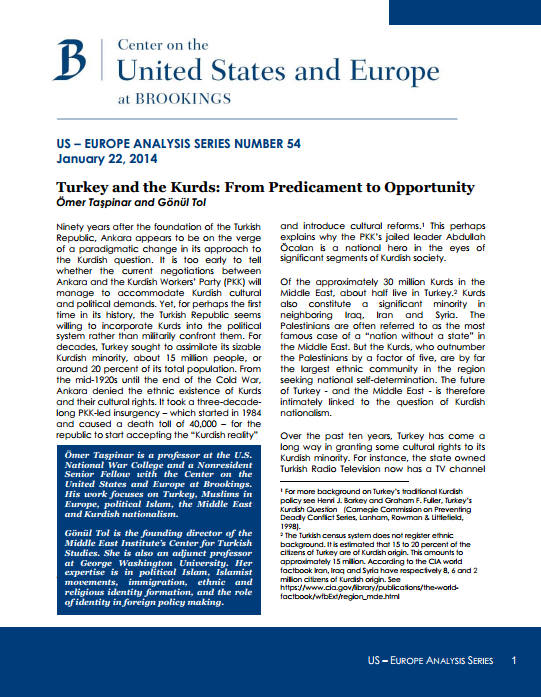
Turkey and the Kurds: From Predicament to Opportunity
This report was co-authored by Ömer Taşpınar and was published by the Center on the United States and Europe at the Brookings Institution on Jan. 22, 2014. Click here to download the full report as a PDF.
Introduction

Erdogan in Tehran
Turkish Prime Minister Recep Tayyip Erdogan is in Tehran January 28 and 29 for his first meeting with Iranian President Hassan Rouhani. Foreign Minister Ahmet Davutoglu, Energy Minister Taner Yildiz, and Economy Minister Nihat Zeybekci are accompanying him. MEI spoke to Gonul Tol, Director of the Institute’s Center for Turkish Studies, about the meeting.
What is the reason for this high-level visit?
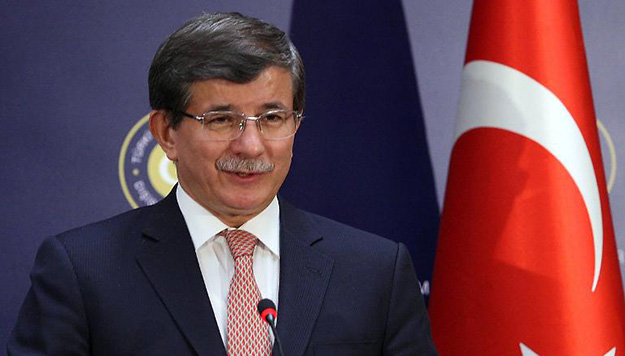
Turkey’s Search for a “Zero Problem” Policy
Turkish Foreign Minister Ahmet Davutoglu’s visit to Washington, D.C. last week came on the heels of a year of soul searching for Turkish foreign policy. After the Arab uprisings shook Turkey’s guiding principle of “zero problems with neighbors,” the country now seems intent on resuming the leadership role it enjoyed in the pre-Arab Spring Middle East.
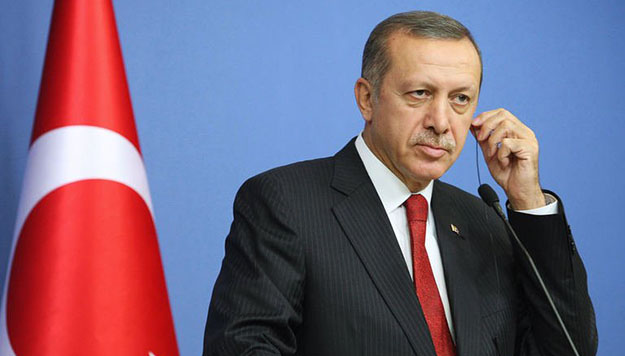
Resolving Turkey's "Kurdish Problem"
This article originally appeared on CNN.com.
The latest round of peace talks with the Kurdistan Workers’ Party (PKK) remains the Turkish government’s best bet not just to solve the country’s 29-year old “Kurdish problem” but also to feed its energy-hungry population and wean it off costly and politically risky Russian and Iranian energy imports.
The PKK Cease-Fire and Syria's Kurds
This article was first published by Foreign Policy on March 22, 2013
Is Turkey Ready for a Kurdish Peace?
This article was first published by The National Interest on March 12, 2013
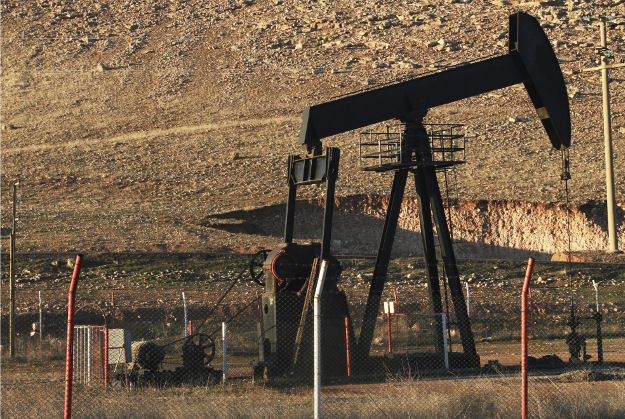
Turkey’s KRG Energy Partnership
This piece was first published by ForeignPolicy.com on January 29, 2013.
The “Turkish Model” in the Middle East
This article was originally published in the December, 2012 issue of Current History
Assertions and opinions in this publication are solely those of the above-mentioned author(s) and do not necessarily reflect the views of the Middle East Institute, which expressly does not take positions on Middle East policy
Syria's Kurdish Challenge to Turkey
This Opinion first appeared in Foreign Policy on August 29, 2012
Turkey Cozies Up to the KRG
Turkey’s popular and outspoken Prime Minister, Recep Tayyip Erdogan, was treated to a hero’s welcome last week when he met with Syrian refugees for the first time since Turkey opened its doors to the thousands of people fleeing Bashar Al-Assad’s crackdown. Erdogan’s pledge to defend the rights of the Syrian people and his call for Assad’s removal, however, fell short of expectations. Although Erdogan’s speech drew some applause, it was also interrupted by shouts of “We want arms for the Free Syrian Army and a buffer zone inside Syria!” The Turkish PM’s reiteration of his previous positi
The Kurdish Dimension to Turkey's Syria Policy
This article first appeared in Foreign Policy’s Middle East Channel on April 10, 2012
Turkey's Other Troublesome Neighbor
This Opinion first appeared in the National on March 5, 2012