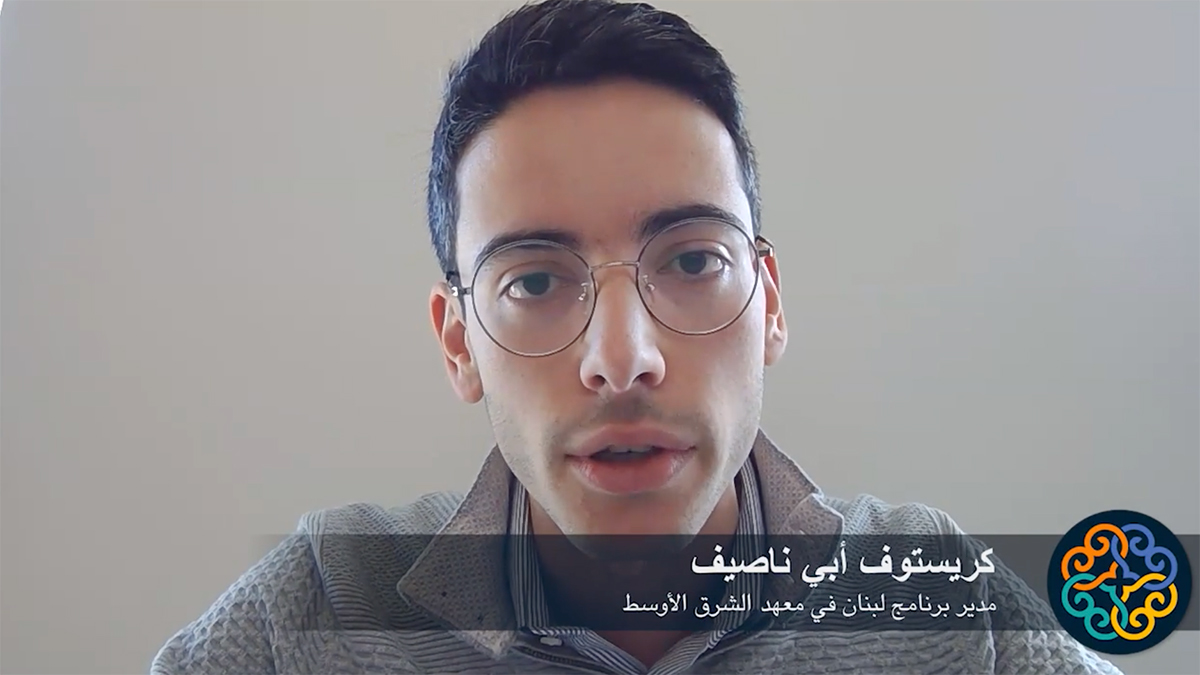
السياسة الخارجية المرنة تجاه قادة لبنان لم تعد مجدية
إن تجاهل القيادة اللبنانية المستمر للمكافآت والحوافز– ناهيك عن المناشدات الأخلاقية – يدل على عدم فعالية هذه السياسة في فرض تغيير بنَّاء وحقيقي في سلوك هؤلاء القادة
For many years, the United Arab Emirates (UAE) has thrived as a result of its ability to attract talent from abroad. On Jan. 30, 2021, Sheikh Mohammed bin Rashid al-Maktoum, the vice-president and prime minister of the UAE and ruler of Dubai, announced on Twitter[1] an amendment to the law that is designed to entice and retain foreigners by permitting a select group of expatriates to become Emirati citizens without giving up their original nationality.
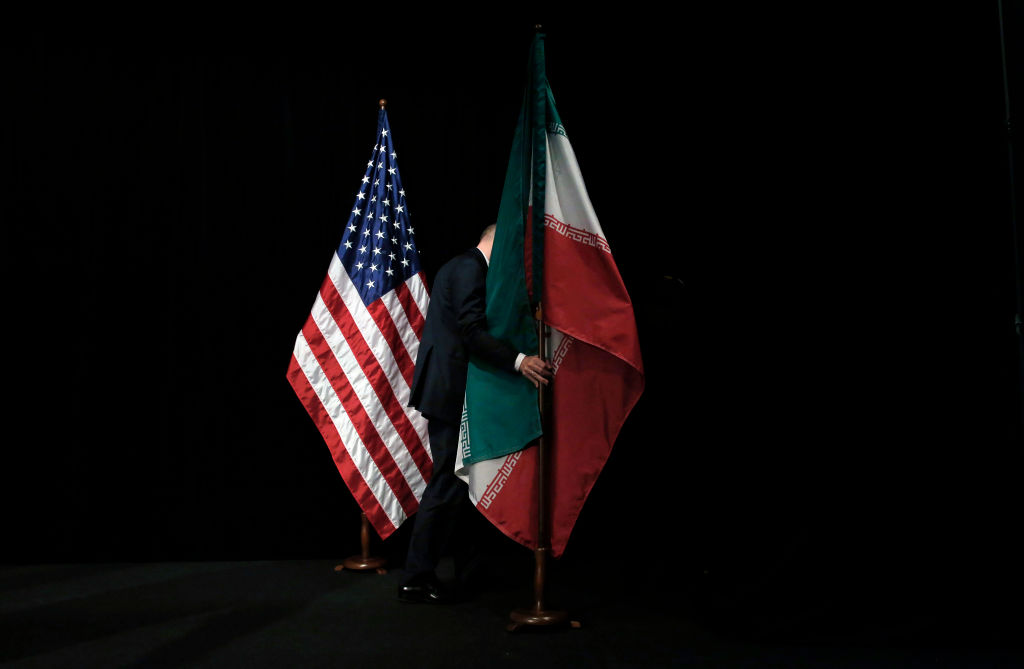
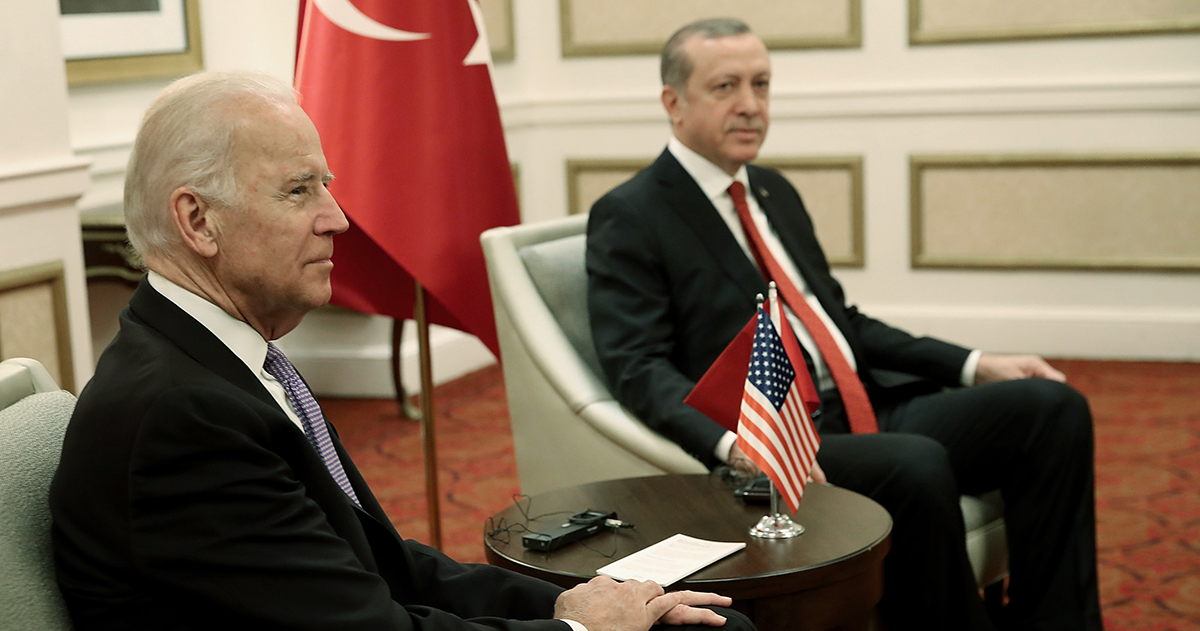
Relations between the United States and Turkey have never been worse, but the two countries still must deal with each other, and so President Joe Biden and President Recep Tayyip Erdoğan may talk this week. Each will review his list of issues. Both will commit to better relations and to best efforts to reach peaceful solutions to global, regional, and bilateral issues — and very little will change.
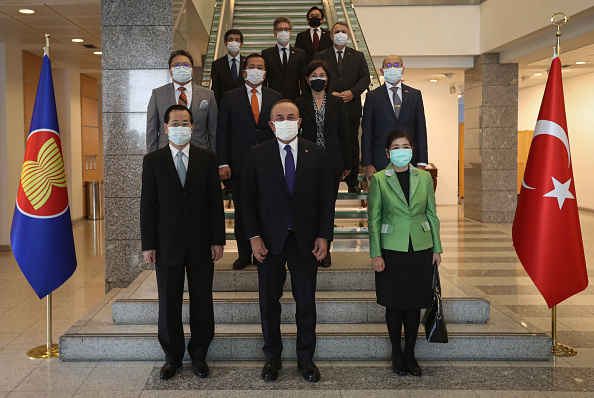
Turkey initiated a strategy to engage Southeast Asian nations in the early 2000s that resulted in the opening of new embassies and branches of numerous state-sponsored institutions across the region. With the launching of the Asia Anew Initiative in late 2019, Ankara has redoubled efforts to forge closer ties with the ten members of the Association of Southeast Asian Nations (ASEAN) and with ASEAN itself.
For decades now, decentralization has been a recurring theme in Lebanese politics. That it is “administrative” does not make it any less “political” in a country where even minor technicalities can easily turn into major controversies. Yet decentralization is still perceived as one of the key reforms that has yet to come about.
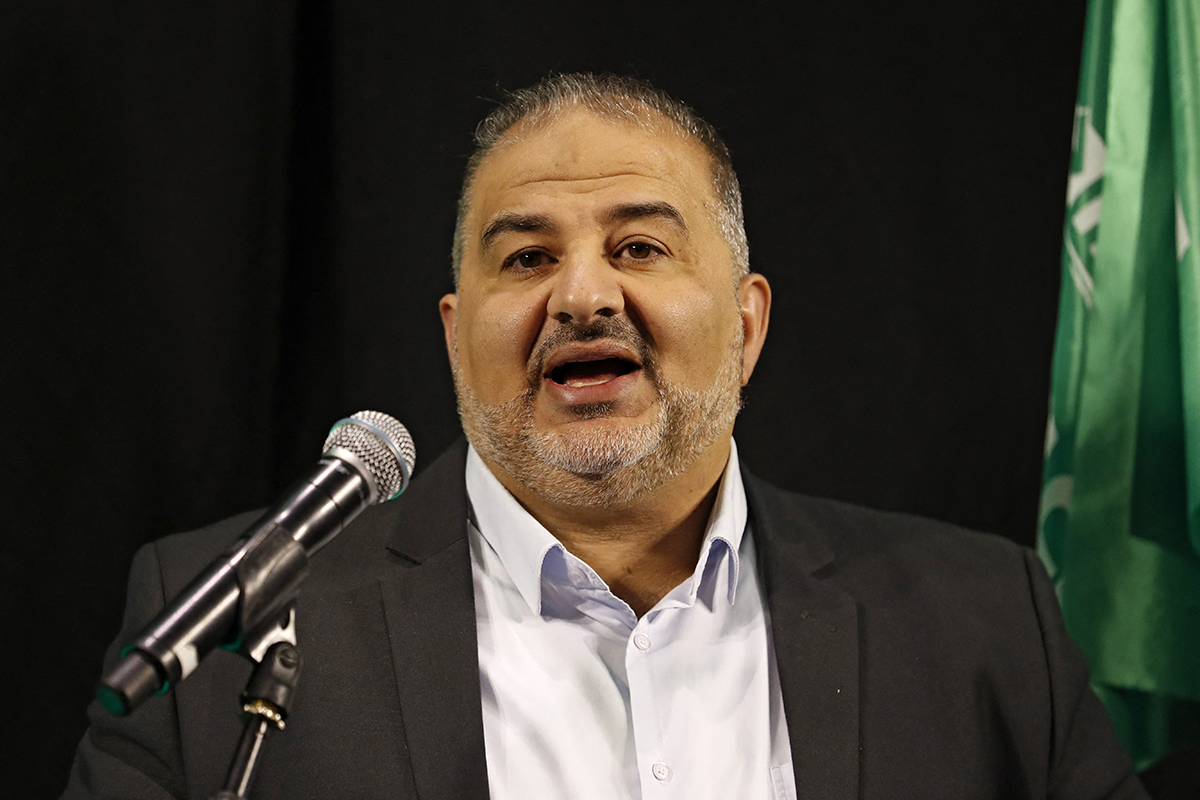
Mansour Abbas: Islamist kingmaker or the “good Arab”?
At a press conference on Thursday, MK Mansour Abbas, head of the newly elected Islamist party in Israel, the United Arab List (Ra’am), made what many in the Israeli media dubbed a historic speech. In an effort to reach out to the Jewish Israeli public, he spoke in Hebrew and during the prime time on television often given to Israeli politicians. Speaking surrounded by the party’s green flags, the conservative Islamist quotedverses from the Quran calling for the creation of “an opportunity for a shared life, in the holy and blessed land for the followers of the three religions and both peoples” and told his Hebrew-speaking audience that “Now is the time for change.”
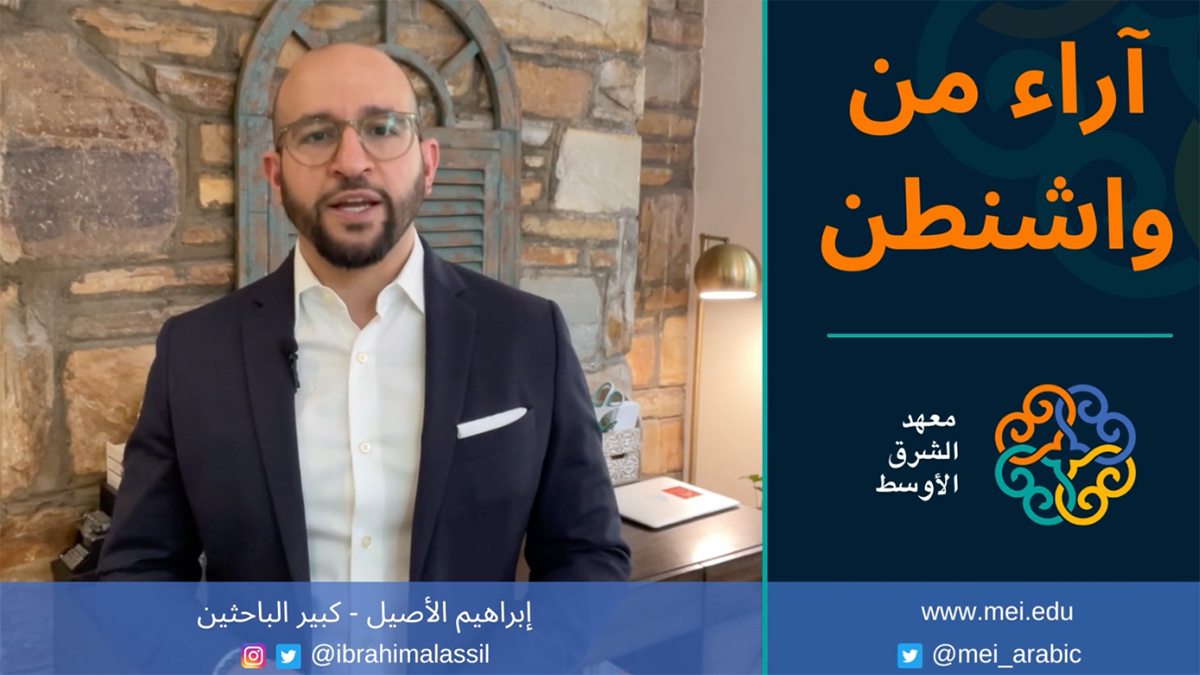
في ‘آراء من واشنطن’ هذا الأسبوع، يستعرض إبراهيم الأصيل رأي لميريت مبروك (مديرة برنامج مصر) حول إمكانية التقارب بين مصر وتركيا والمسائل الأساسية بينهما. — Ibrahim Al-Assil Mirette Mabrouk
حلقة 30: آراء (10) تغيرات في العلاقات الأمريكية-الفلسطينية
في ‘آراء من واشنطن’ هذا الأسبوع، يستعرض إبراهيم الأصيل رأي لنيثين ستوك حول التغييرات المحتملة في السياسة الأمريكية تجاه الفلسطينيين. — Ibrahim Al-Assil Nathan Stock
Myanmar: The February Coup and the Rohingya Genocide
Since the NLD emerged as the most potent challenger to the military’s monopoly grip on state power three decades ago, the generals have tried different methods of exclusion, disenfranchisement and purposive prosecution against Aung San Suu Kyi and all dissidents. Today, they are discovering that Suu Kyi and the NLD are a mere expression or embodiment of the democratic will of Burmese society. The military leadership is unlikely to be able to defeat 50 million people who have decided that a half-century of life under the boot is more than enough.