Bonus Episode: Updates on the Israel-Iran Conflict
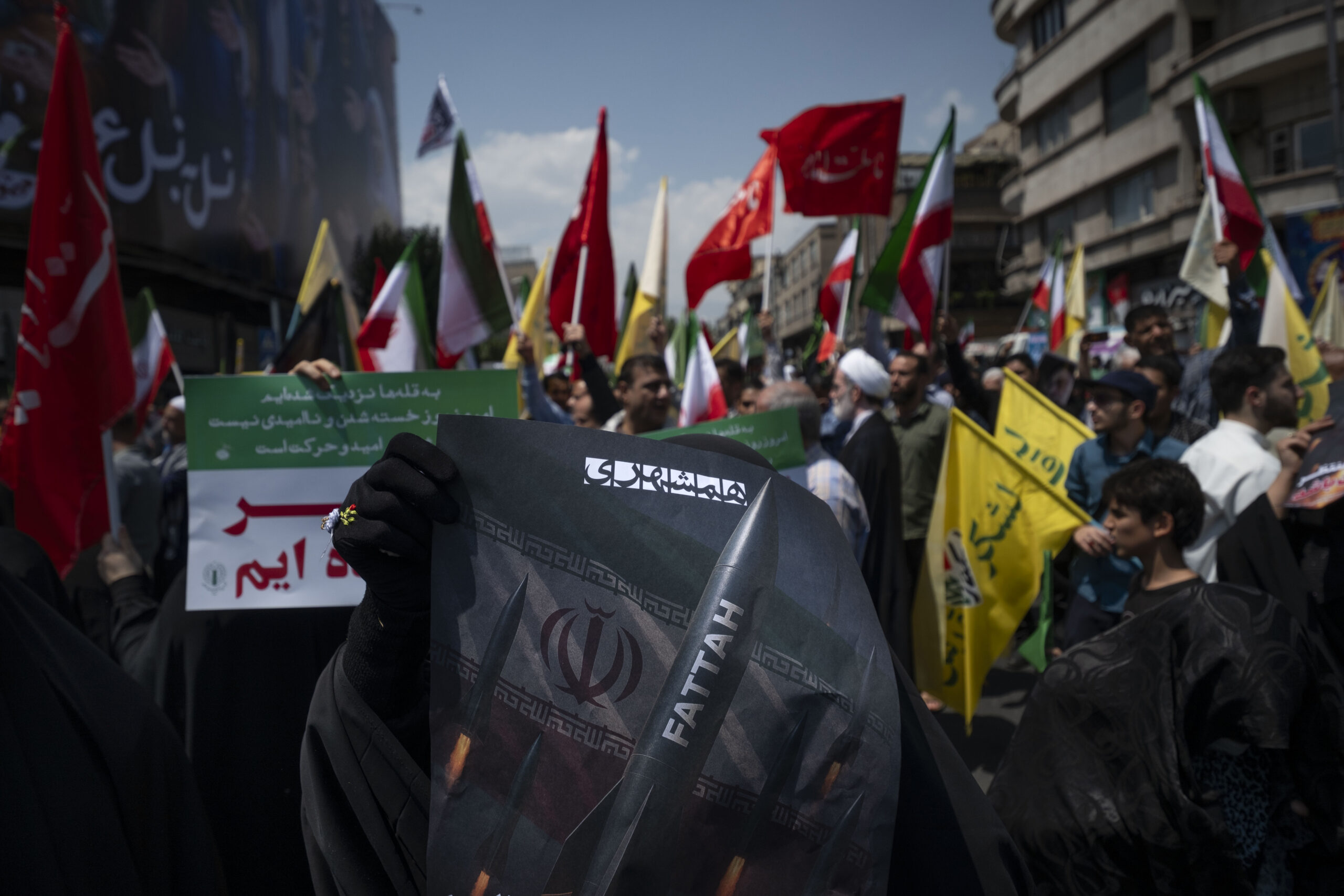
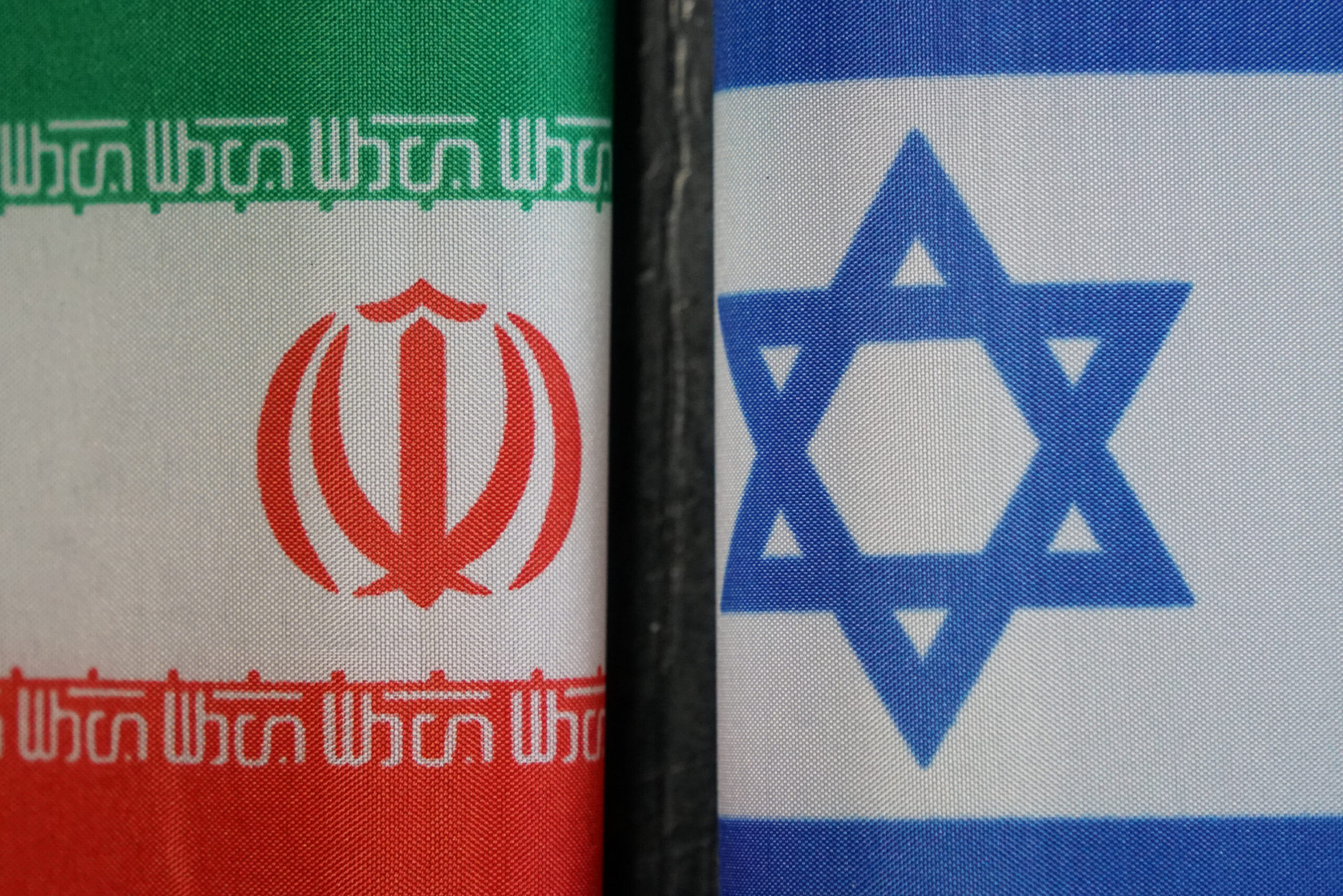
Welcome to a special Bonus Episode of Middle East Focus. We’re pleased to bring you access to a recent MEI press briefing on the evolving Israel-Iran conflict, recorded on June 16, 2025. You’ll hear from MEI’s Distinguished Diplomatic Fellows Barbara A. Leaf and Alan Eyre, as well as our Distinguished Military Fellow Gen. Kenneth F. McKenzie, Jr., USMC (ret.), who bring decades of firsthand experience working on Iran policy and regional security issues.
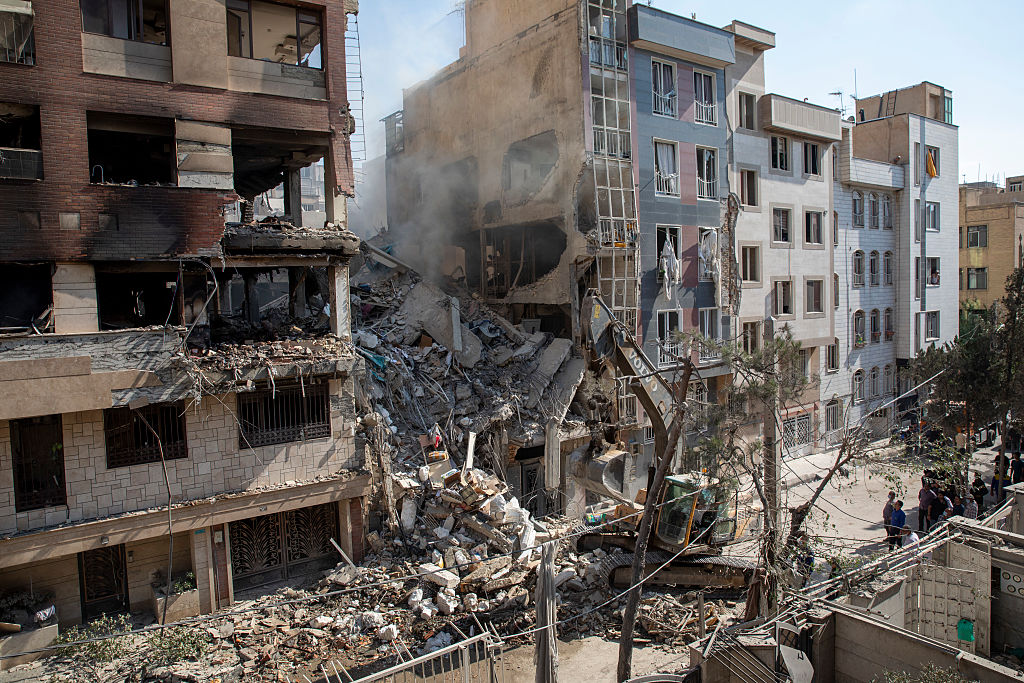
The Israel-Iran war: Scenarios for the days — and years — ahead
The evolving confrontation with Israel and the United States places the Islamic Republic of Iran at a critical inflection point. Tehran faces choices that range from limited negotiation and strategic restraint to escalation and eventual collapse. The following analysis explores the key scenarios that could unfold in the coming days, weeks, and years.
The Iran-Israel Conflict and the Future of the Iranian Regime
Senior Fellow Alex Vatanka joins hosts Alistair Taylor and Matthew Czekaj to examine the dramatic escalation between Israel and Iran following Israel’s targeted strikes on Iranian nuclear sites, infrastructure, and senior IRGC officials. Vatanka discusses how the Iranian regime is responding, the risk of wider regional conflict, and whether the current campaign could mark the beginning of the end for the Islamic Republic.
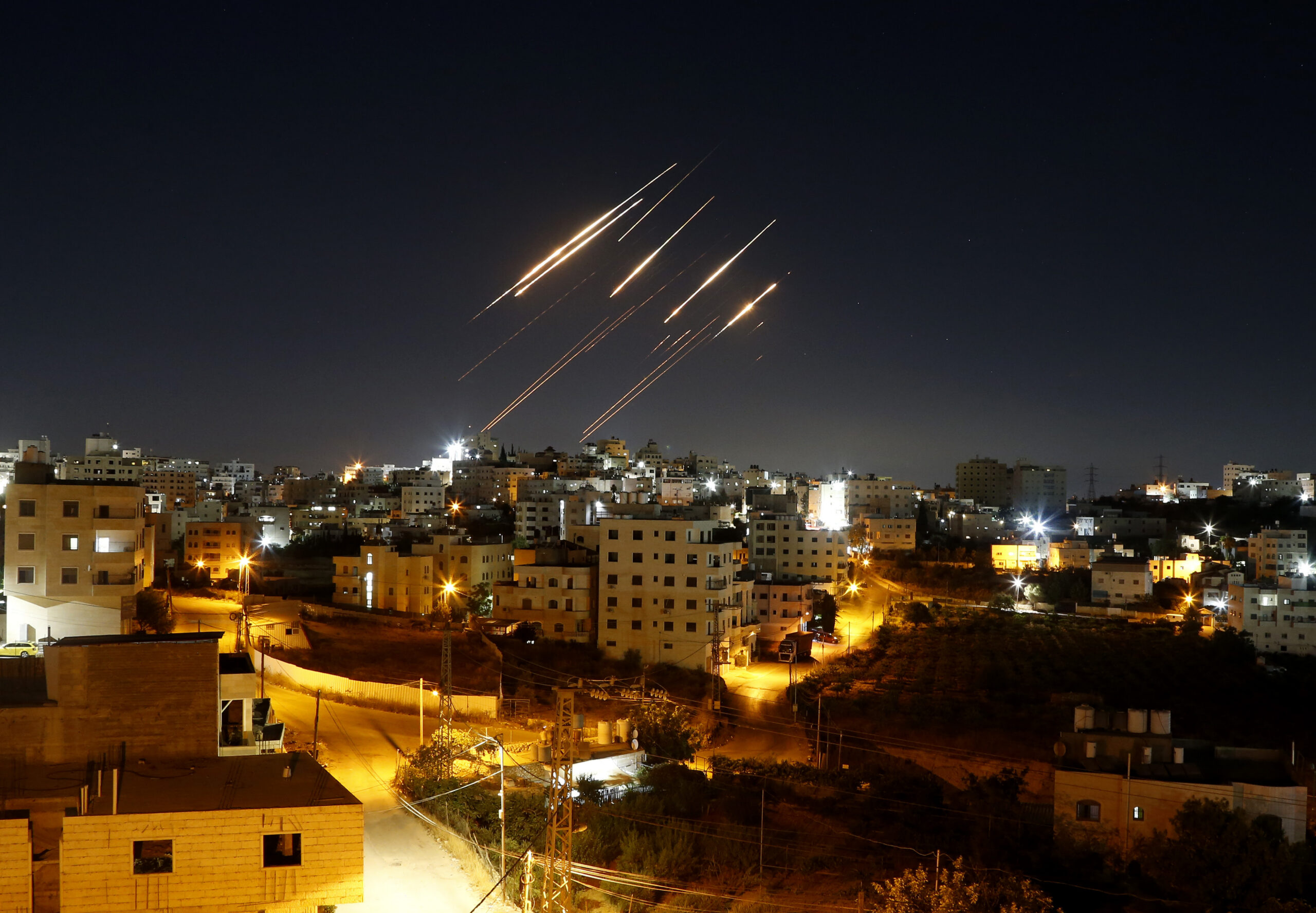
Where do we go from here? Day 5 of the Israel-Iran war
The past four days have clarified much about what Israel wants from this conflict, what Iran can and cannot do to fight back, and what decisions confront the American president over the next few days.
This episode was originally recorded on June 9, 2025, featuring a wide-ranging conversation with Eyal Hulata—Israel’s former National Security Advisor—about the dire humanitarian situation in Gaza, his role in shaping Israeli security policy, and where he believes the conflict is headed.
In light of recent developments between Israel and Iran, we reconnected with Eyal to capture his latest analysis. The first segment of this episode was re-recorded on June 16, 2025, to reflect Eyal’s current views and predictions regarding the unfolding regional developments.
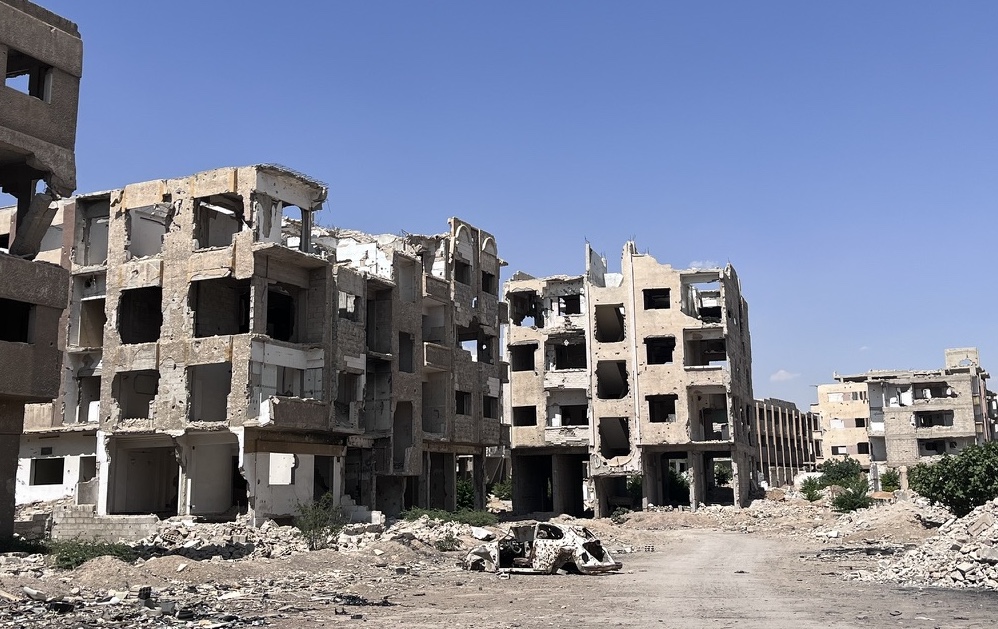
Sanctions are lifting, but Syrians still can’t go home
On May 23, President Donald Trump’s administration suspended the majority of sanctions on Syria, marking the most sweeping shift in the policy of the United States toward Damascus in over a decade. But lifting sanctions will not magically make Syria safe for return. For millions of displaced Syrians, their country remains a minefield — literally and bureaucratically.
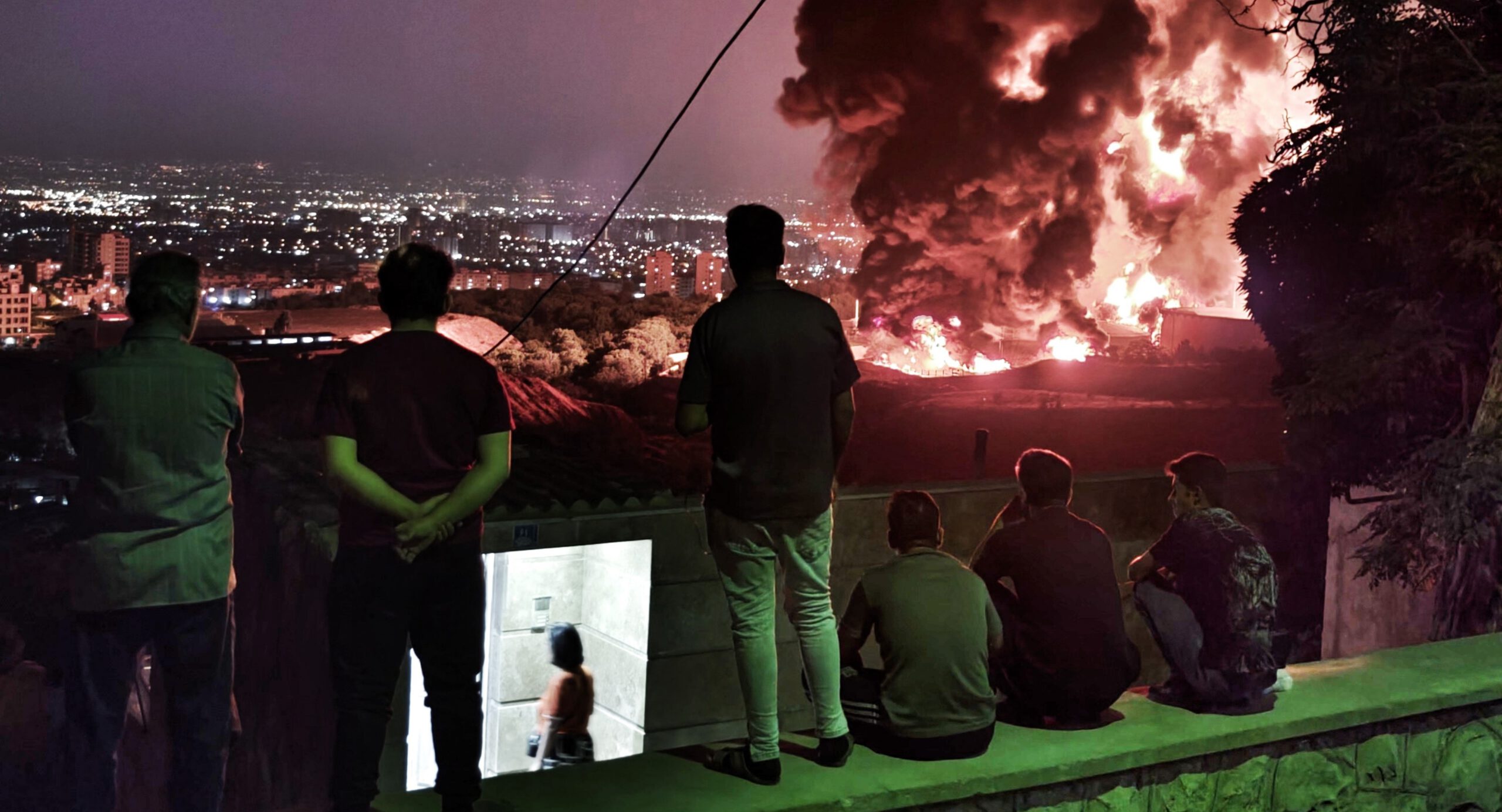
The real threat from Iran: Tehran’s most dangerous option for responding to Israel
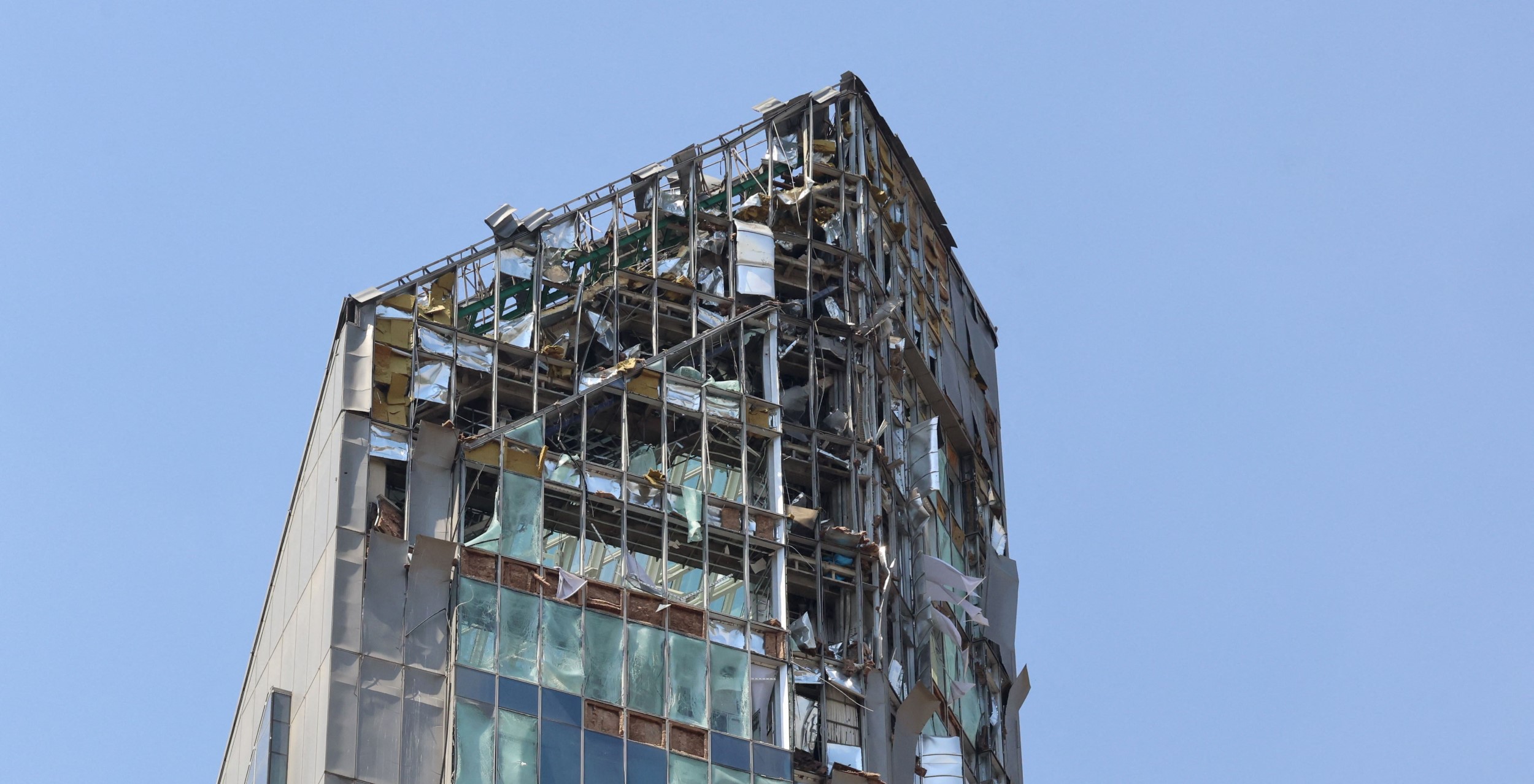
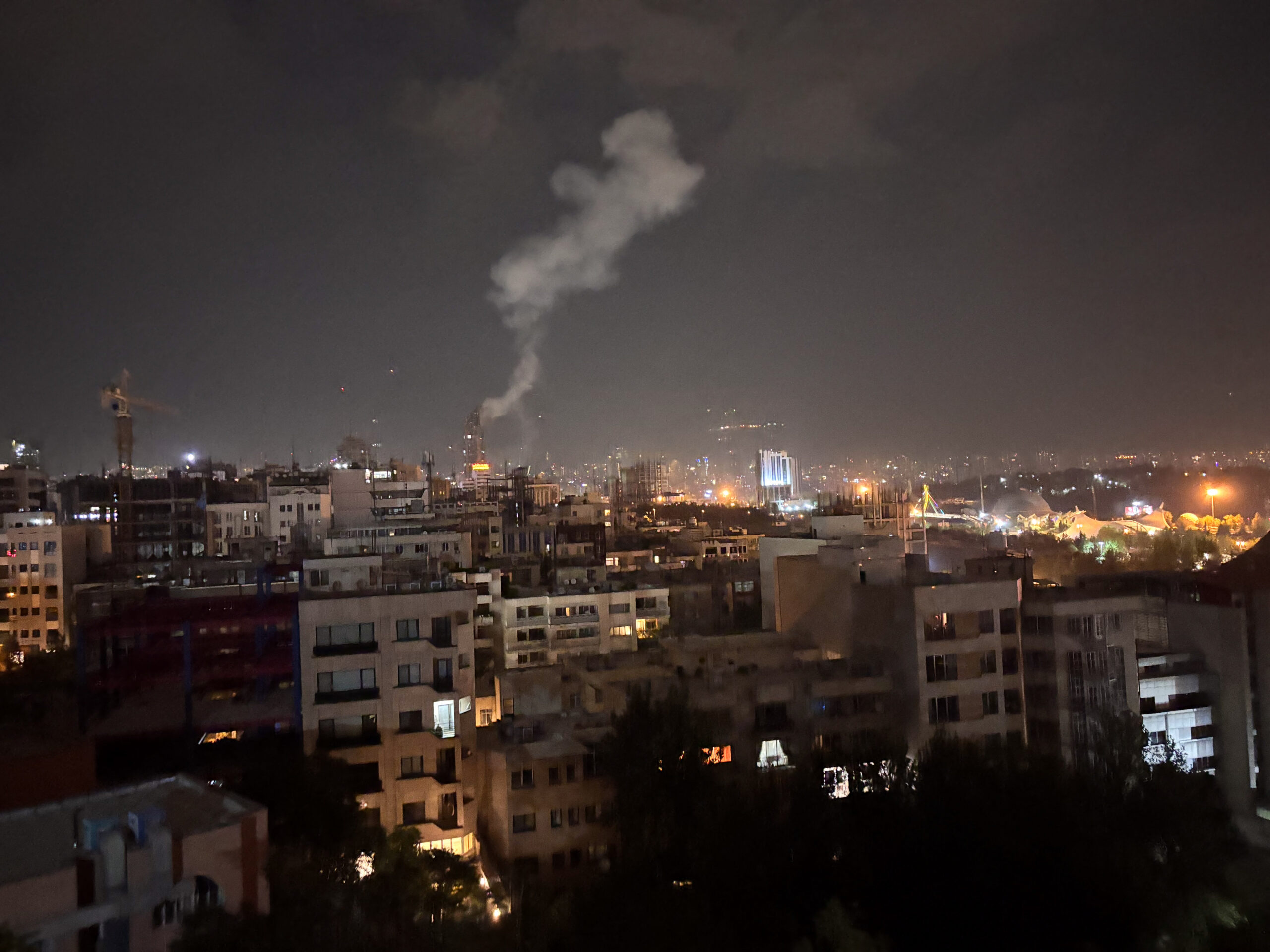
Last night, the government of Israel decided to roll the dice on a military solution to Iran’s decades-long pursuit of a nuclear weapons capability. Given the remarkable capabilities of the Israel Defense Forces, the operation could do tremendous damage to the Iranian nuclear program. But then comes the hard part.
Lebanon at a Crossroads: Sovereignty, Hizballah's Disarmament, and the Road to Reform
MEI Senior Fellow Paul Salem joins the program to assess Lebanon’s rapidly shifting political landscape. With a new president and government promising to enact reforms and reassert sovereignty, Lebanon faces a daunting agenda: disarming Hizballah, rebuilding institutions, navigating regional diplomacy, and restoring the economy.