This individual is a guest contributor. MEI is not able to assist with contact requests.
I. William Zartman is Jacob Blaustein Distinguished Professor Emeritus of International Organization and Conflict Resolution at the Paul H. Nitze School of Advanced International Studies (SAIS), Johns Hopkins University. He is the author of many works on North Africa as well as on sub-Saharan African politics and regional relations. Prior to his long tenure at SAIS, he was on the faculty of International Studies at the University of South Carolina (1960-65) and then Professor of Politics at New York University (1965-80). During his career he has been a Distinguished Fellow of the United States Institute of Peace, Olin Professor at the U.S. Naval Academy, Elie Halévy Professor at the Institute for Political Studies (Sciences Pô) in Paris, and has taught or lectured in universities across the Middle East, Africa, and Europe, in China, and at The University of the Andes.
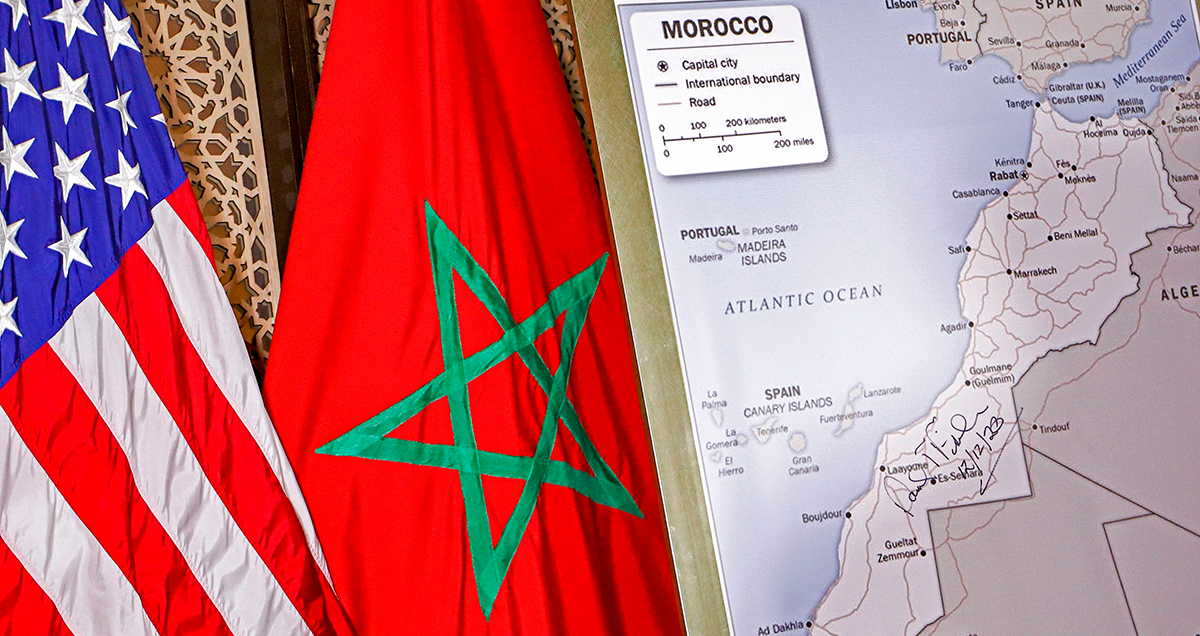
The recent exchange of quid pro quos between the U.S. and Morocco has been handled well by both sides, despite the ritual carping to be expected from opponents of the quid and the quo.
Autonomy Can Resolve 40-Year Western Sahara Conflict
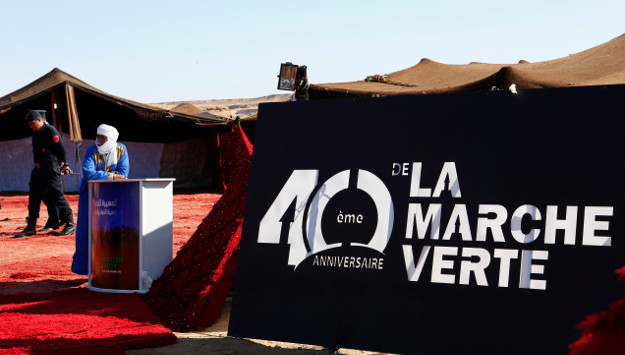
2015 marks the anniversary of the Green March, the spectacular initiative 40 years ago that began the decolonization of the Spanish Sahara. Since then, although Moroccan administration of the territory was recognized by the United Nations and populations in the region have voted regularly in Moroccan elections (including this year), final status has not been given international recognition. It is necessary that this chapter of decolonization be officially closed.