Monday Briefing: A humanitarian crisis looms in Syria as Russia looks set to veto UN cross-border aid
Read MEI’s weekly briefing featuring expert analysis of key regional developments for the week ahead.
This individual is a guest contributor. MEI is not able to assist with contact requests.
Read MEI’s weekly briefing featuring expert analysis of key regional developments for the week ahead.
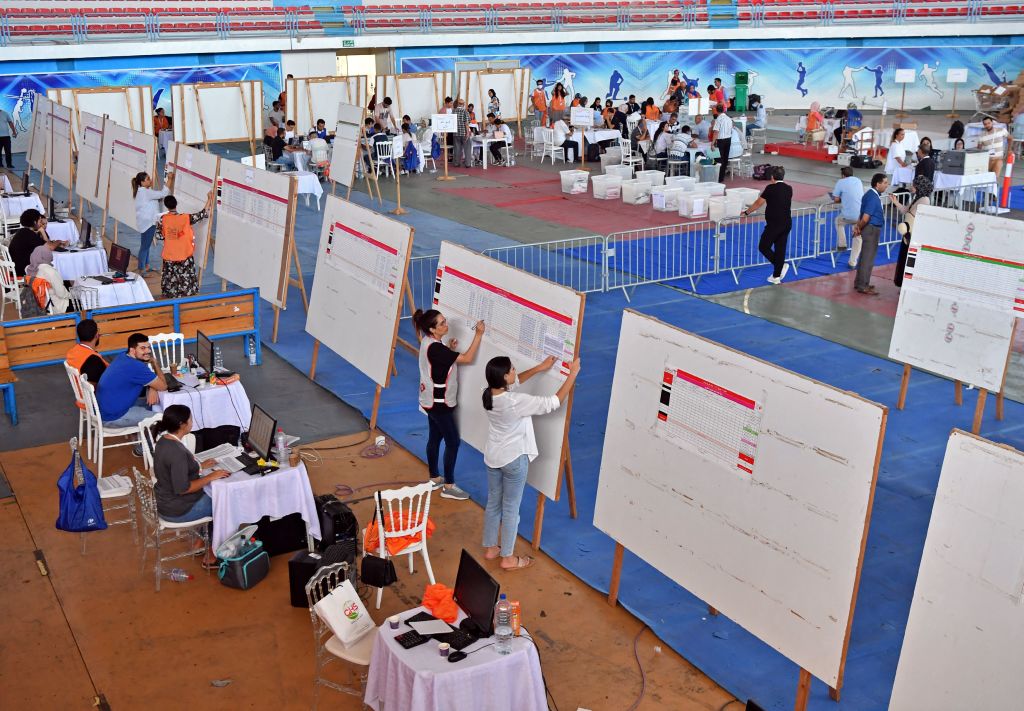
The considerable financial shortfall experienced by the Lebanese Armed Forces (LAF) over the past couple of years has measurably affected its morale, readiness, and operational capacity. There couldn’t be a worse time for the LAF to potentially fall apart. A series of monumental challenges await Lebanon now that the parliamentary elections are over, all of which demand a modicum of stability that only the LAF can provide.
The culmination of the Donbas battle is near. For the first time in this war, the pendulum starts swinging in Russia’s favor. By summer’s end, it’s possible that Moscow will fully secure its land bridge to Crimea. This would have catastrophic consequences.
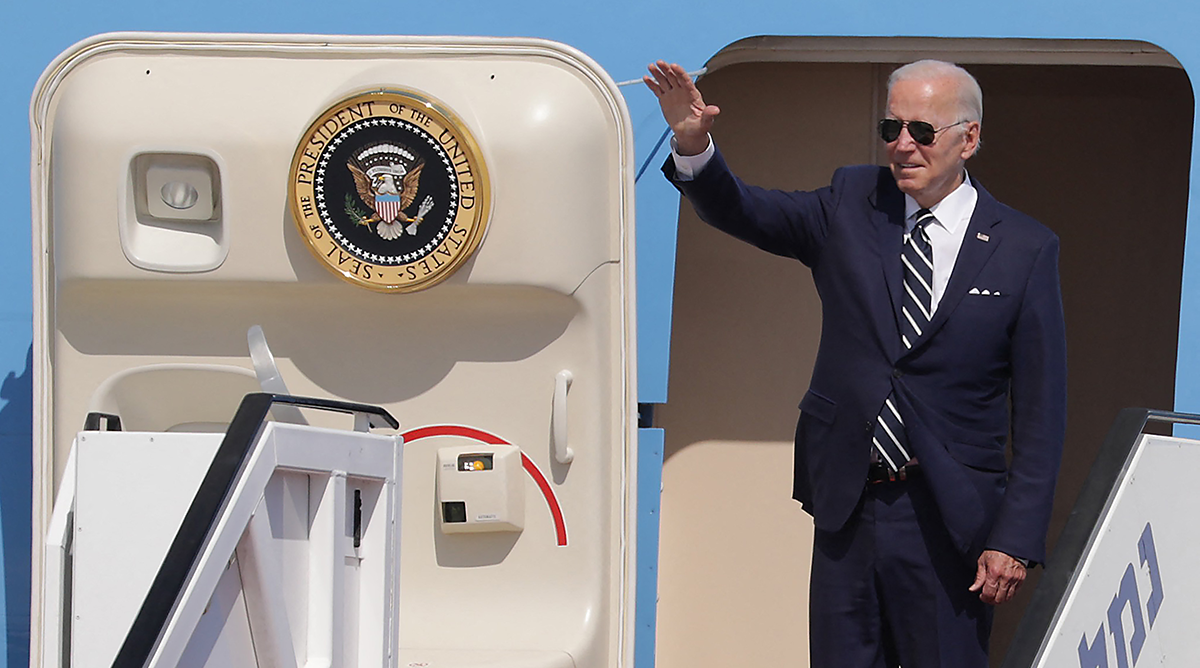
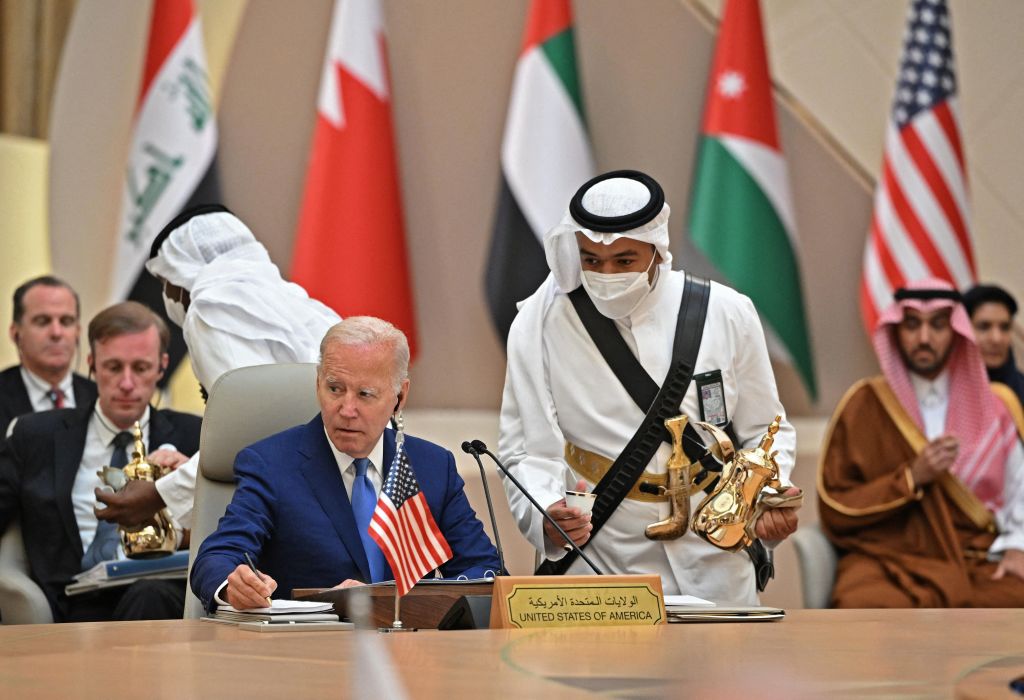
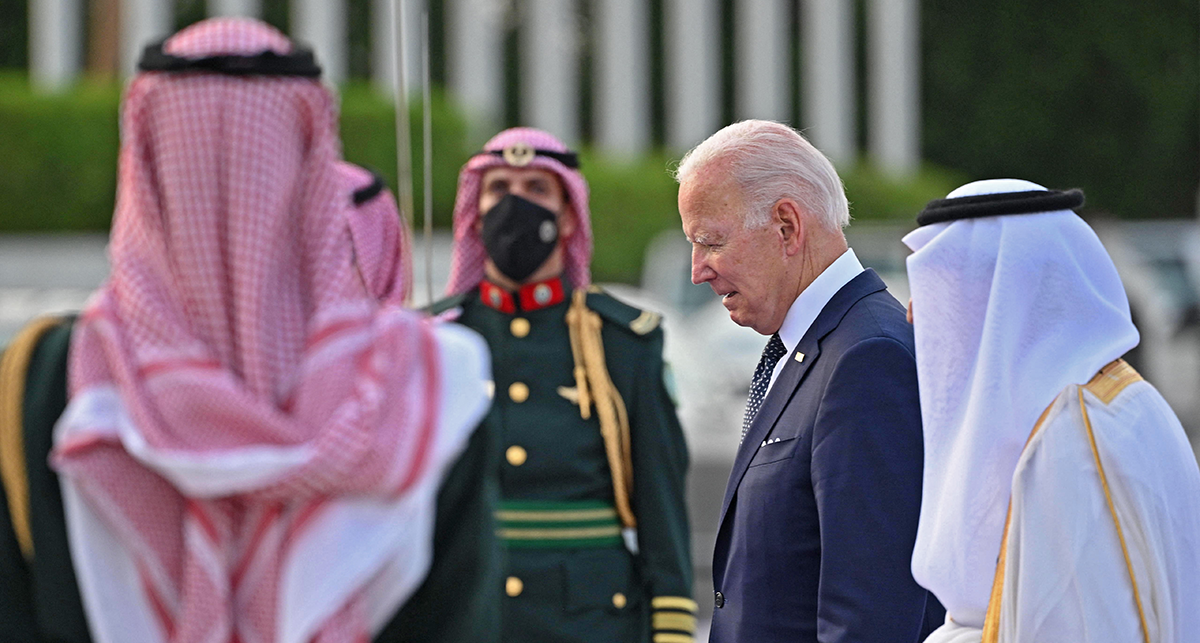
Partnering is a practical necessity for both countries but need not come at the cost of abandoning core values. The U.S. continues to exercise significant leverage and its own interests are better served globally by demonstrating credibility in what it stands for and reliability in its commitments. The U.S.-Saudi relationship has ample room to bend before it risks breaking.
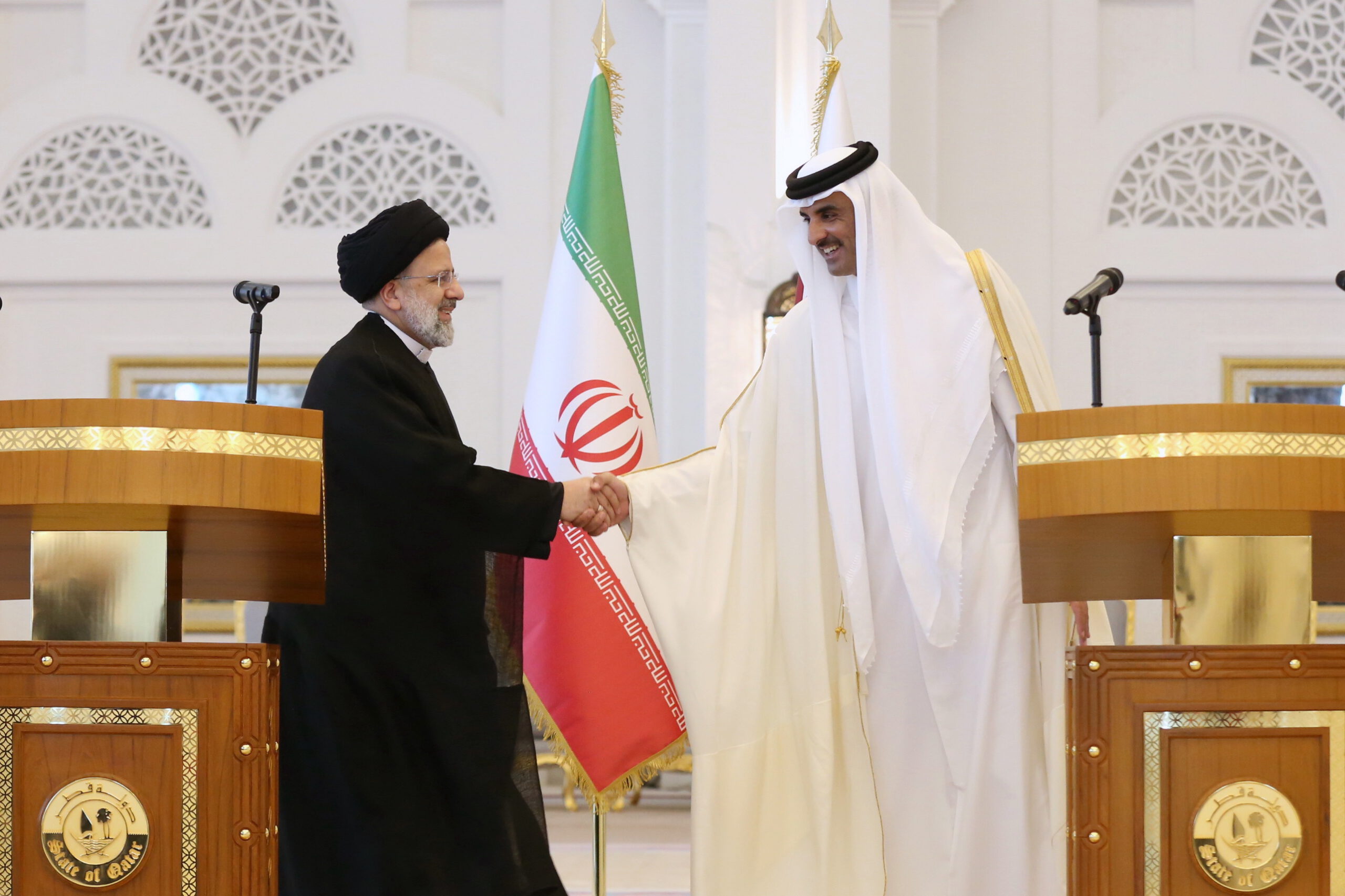
On May 17, 2022, Iran inaugurated a drone factory in neighboring Tajikistan, its first drone production facility abroad. With this factory, Iran intends to reinforce bilateral relations and reduce recent tensions with Tajikistan, address shared security concerns on the Afghan border, boost profits in a growing export market, and complicate Israeli efforts to further sabotage its drone program.
In this interview from MEI’s Climate and Water program, guest host Mohammed Mahmoud speaks with Athra Khamis about her journey to the remote continent of Antarctica, what she saw there, and how it impacted her views on climate change.
After a hesitant beginning, the West has rallied to provide Ukraine the military assistance it needs to check Russian aggression. Longer-range rocket systems should be part of a comprehensive strategy.
Following a series of reshuffles within the Syrian National Army (SNA), a Turkey-supported alliance of armed opposition groups in northern Syria, four armed groups with roots in Syria’s eastern provinces, Ahrar al-Sharqiya, Jaish al-Sharqiya, the 20th Division, and Suqur al-Sham’s eastern affiliate, announced the formation of the Liberation and Construction Movement (LCM) on Feb. 15, 2022. On April 25, 2022, the author held a four-hour conversation with the LCM’s leadership to discuss its genesis and ambitions, the issue of human rights violations, and the alleged incorporation of former ISIS members. In addition to providing the LCM’s perspectives on the Syrian conflict and its own role as a military, political, and societal actor, this conversation serves as a useful starting point for reflecting on the politics of humanitarian aid and predominant Western approaches to dealing with conflict parties such as the LCM.
One of the main long-term consequences of Russia’s invasion of Ukraine is the restructuring of export flows in the global oil market. This will have direct consequences for Middle Eastern players, forcing them to choose whether to compete with Russia and each other or continue to coordinate their efforts.
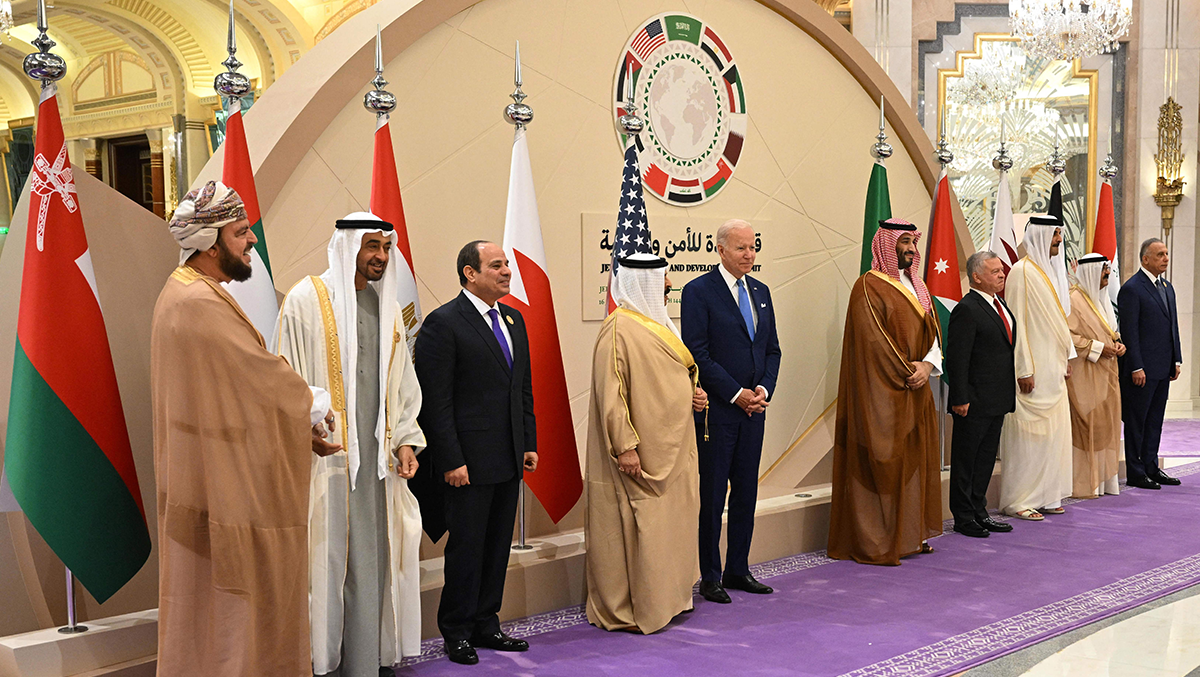
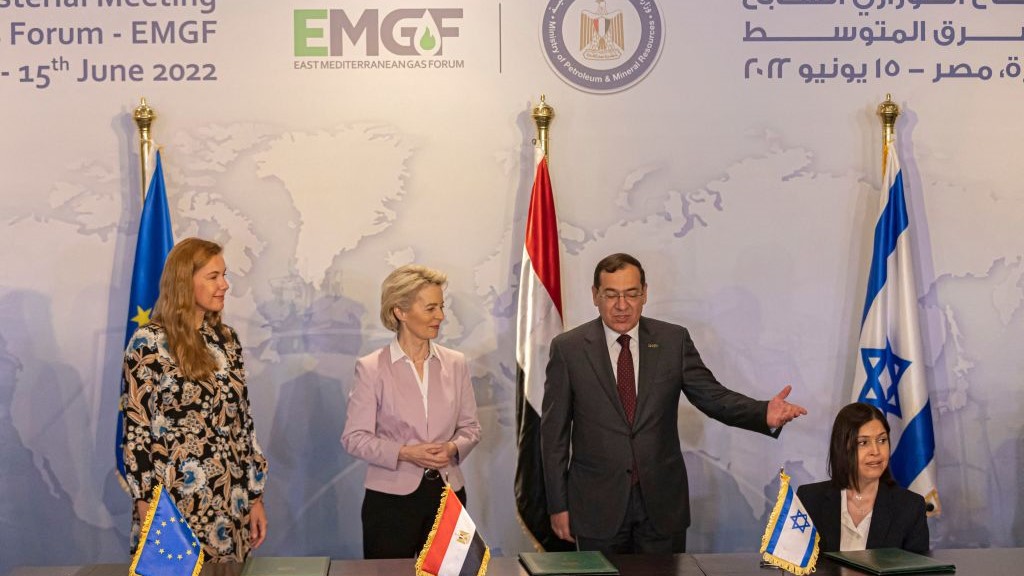
Relations between the EU and the Gulf countries have been on life support for a long time. The two sides have become experts at talking past each other, blithely skidding from crisis to crisis. But on May 18, the EU made the first serious effort in a long time to bridge this gap, by introducing a proposal for a “Strategic Partnership with the Gulf.”
Expert regional analysis by MEI scholars and contributors.
It is time for Western leaders to deal with Russia as it is and not as they want it to be. There is no room for them to back down now, as it will simply increase Putin’s appetite. The cost of providing a face-saving exit to Putin is much higher than that of his ultimate humiliation on the battlefield.
Nathenael Gemechu moderates a conversation with Michael Woldemariam and Guled Ahmed on Ethiopia in the first installment of a two-part series on the Horn of Africa. Woldemariam and Ahmed discuss the ongoing Tigrayan conflict that includes Ethiopia and Eritrea and the influence of external players.