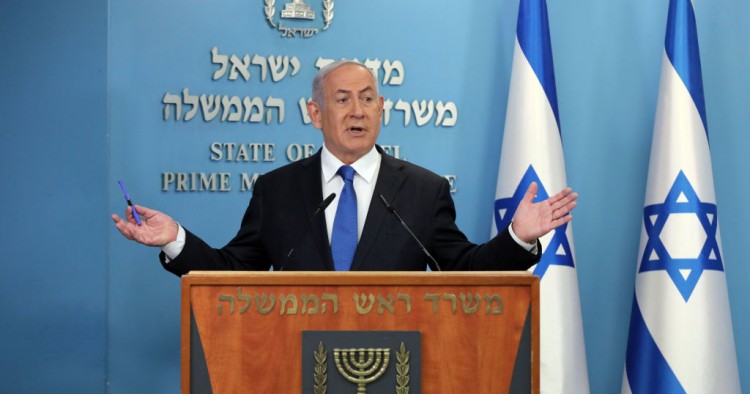
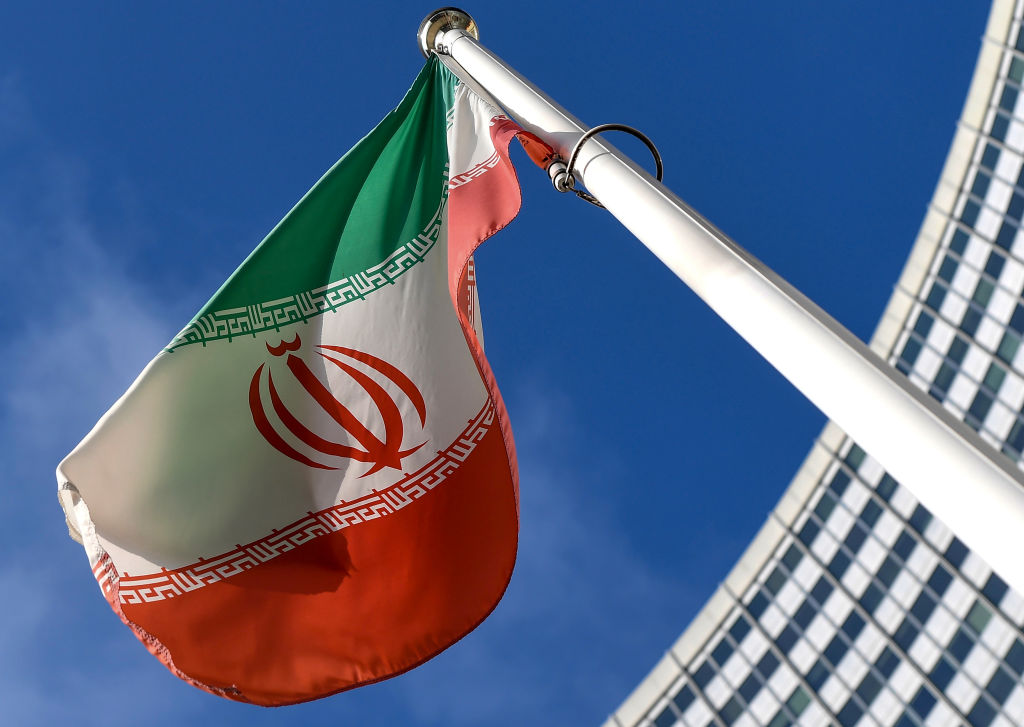
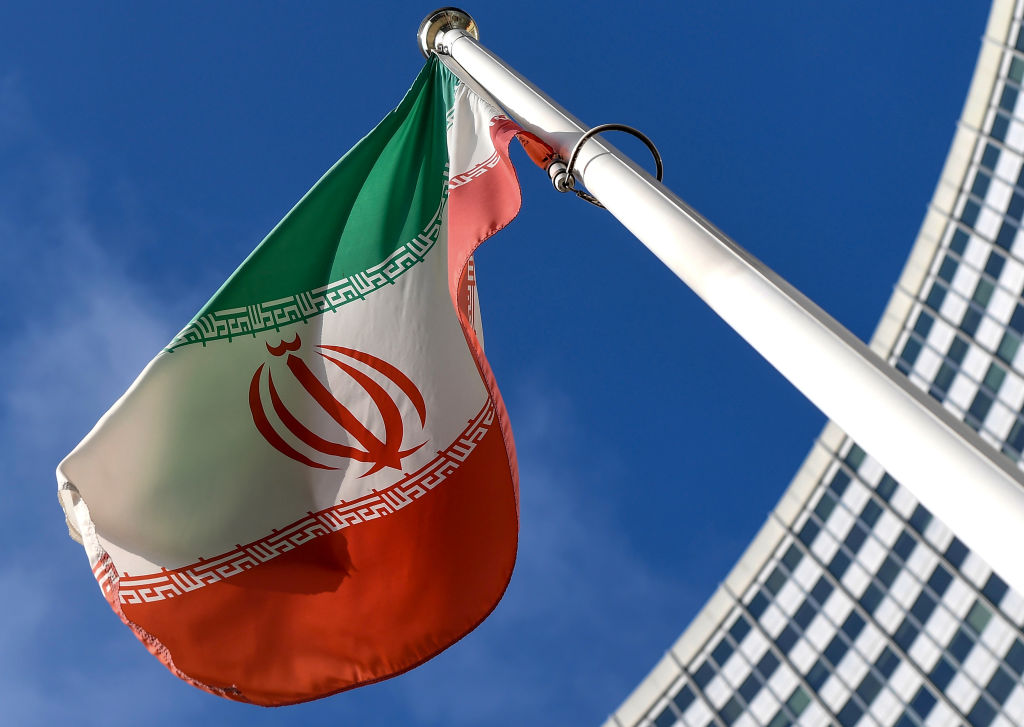
The understandings reached between Washington and Jerusalem half a century ago establish the critical context for the Biden administration’s current effort to restore the JCPOA, which Israeli Prime Minister Benjamin Netanyahu fiercely opposed during its adoption by the U.N. Security Council in July 2015 and which he still bitterly contests today.
Georgia should not fear new transit routes in the South Caucasus
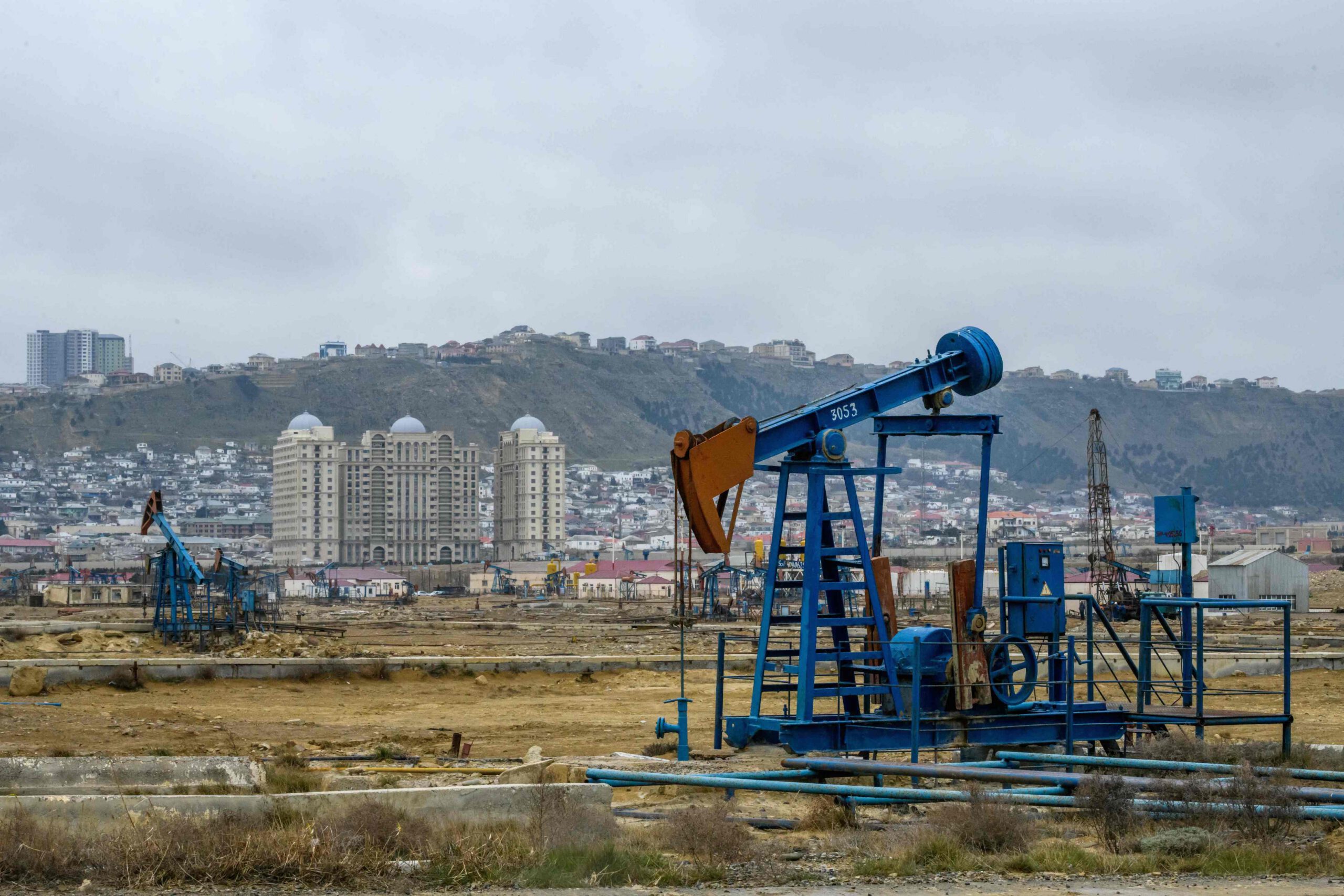
For years, Georgia has played a vital role in East-West trade through the South Caucasus. With tensions high in Nagorno-Karabakh, Georgia was the only show in town when it came to stable, secure, and predictable transport linking Azerbaijan with Turkey. Therefore, it is not surprising that some in Georgia are concerned that new transit corridors passing through the Nakhchivan Autonomous Republic, Armenia (Syunik province), and Azerbaijan might take away from Georgia’s strategic importance. However, this is unlikely to be the case.
The Middle East Institute (MEI) is pleased to make available to the public a keynote address by Gen. Kenneth F. McKenzie Jr., Commander of U.S. Central Command (CENTCOM), which kicked off the first MEI-CENTCOM Annual Conference. In the pivotal moment of a new U.S. administration, amid major changes in the region including the signing of the Abraham Accords and the incorporation of Israel into CENTCOM’s area of responsibility, Gen. McKenzie joined MEI Senior Vice President Amb. (ret.) Gerald Feierstein in conversation to address key issues and build on his June 2020 discussion with MEI President Paul Salem on CENTCOM’s approach to a changing Middle East.
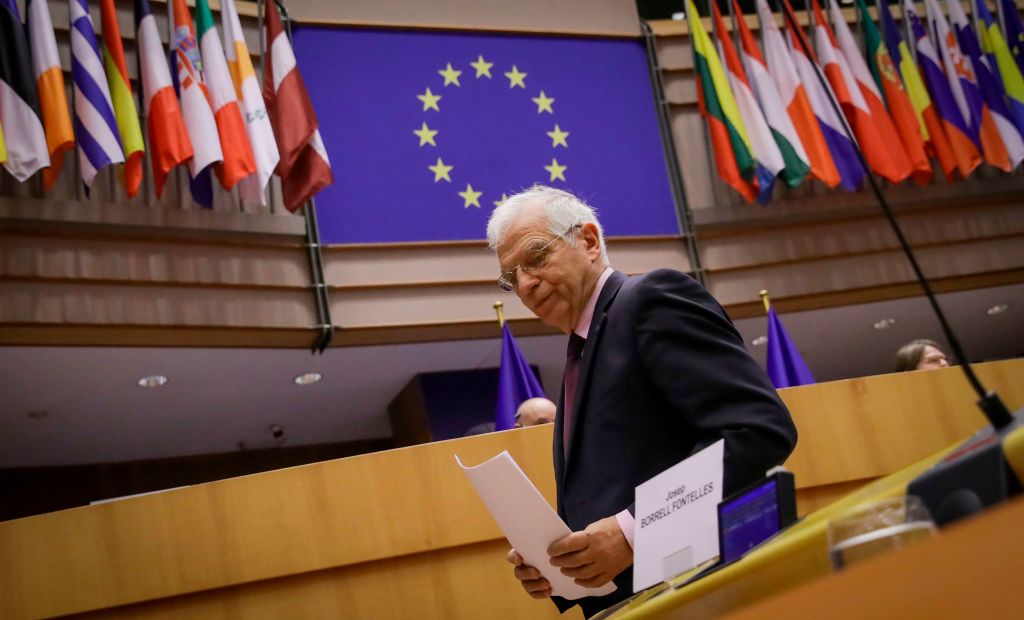
President Joe Biden’s victory was cheered in Europe as the Transatlantic news of the year, given the strained Transatlantic ties during the Trump Administration. But just one month into the Biden Administration, (Western) Europe’s enthusiasm is waning. This Administration has indicated that while reinforcing Transatlantic ties will be a priority, Washington will maintain its heightened threat perception of both Russia and China. While the U.S. sees enhanced deterrence as necessary, the European Union’s major powers see this as provocative and counterproductively hawkish. If the EU indeed prioritizes a reinforced West, it will need to carefully develop its own balanced and realistic Eastern European security policy.
Sahar Khamis, Sabina Henneberg, Karam Shaar, and Ibrahim Jalal join host Alistair Taylor to examine the legacy and impact of the Arab Spring in Tunisia, Egypt, Yemen, and Syria ten years after the uprisings began.
What will the Middle East look like in 2030? An Israeli Perspective
The following article addresses the question of how the Middle East might develop in the coming decade. Long-term and detailed strategic predictions are a thankless task and are often doomed to failure. Therefore, this article refrains from attempts at prophecy but deals instead with “thinking about the future.” It opens with an analytical framework for scenario development, supplemented by “trends impact” and “horizon scanning.” The second section studies “the futures of the past,” in terms of what we might learn about the pitfalls of future projection and scenario-building from those outlining possible futures for 2020 from years past. Then, on the basis of the first two sections, four scenarios elaborate some distinctly different pathways that the Middle East might take to 2030. Finally, the article concludes with several key takeaways for Israeli decision makers.
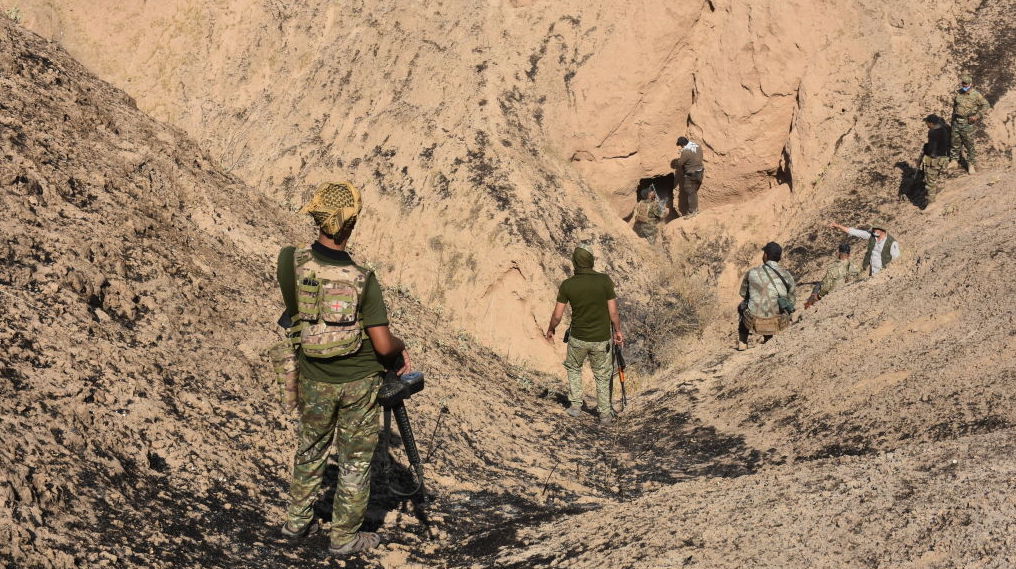
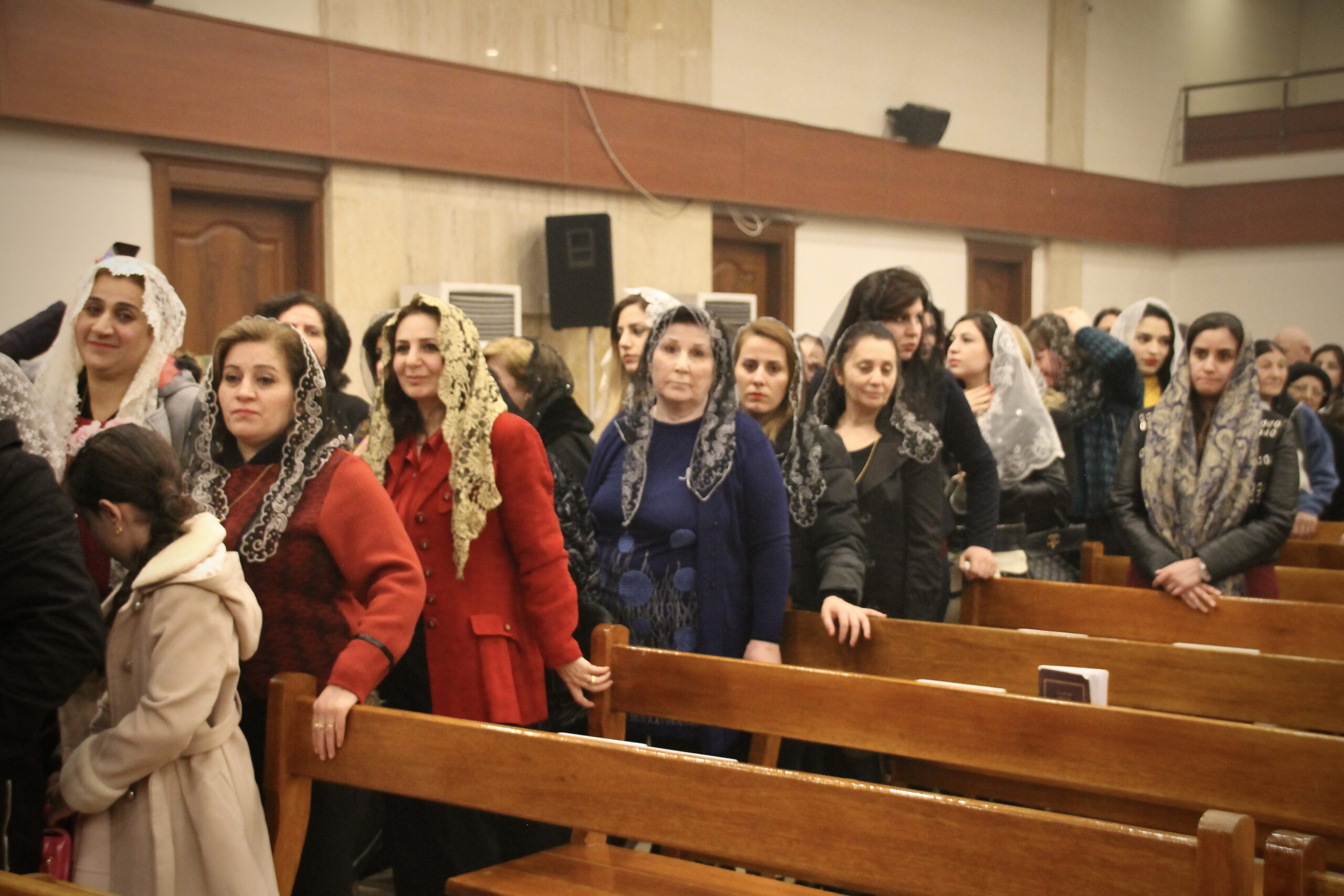
Only two days after an extremist attack that saw 14 missiles rain down on Erbil, and in the midst of a new coronavirus surge and lockdown, the Chaldean Catholic Archbishop of Mosul, Najeeb Michaeel, was optimistic about the upcoming visit of Pope Francis.
“Everyone is very happy about this historic event,” he said of Iraq’s inaugural papal visit, from his home in Ankawa, Erbil’s Christian enclave, which has given refuge to thousands of those displaced by ISIS. A previously planned visit in 2000 by Pope John Paul II to Ur, birthplace of the Prophet Abraham according to the Torah, was foiled by protracted negotiations with the government of Saddam Hussein. In 2020, Pope Francis had to cancel a trip due to security and pandemic concerns.
Now is not the time for the West to turn away from Georgia
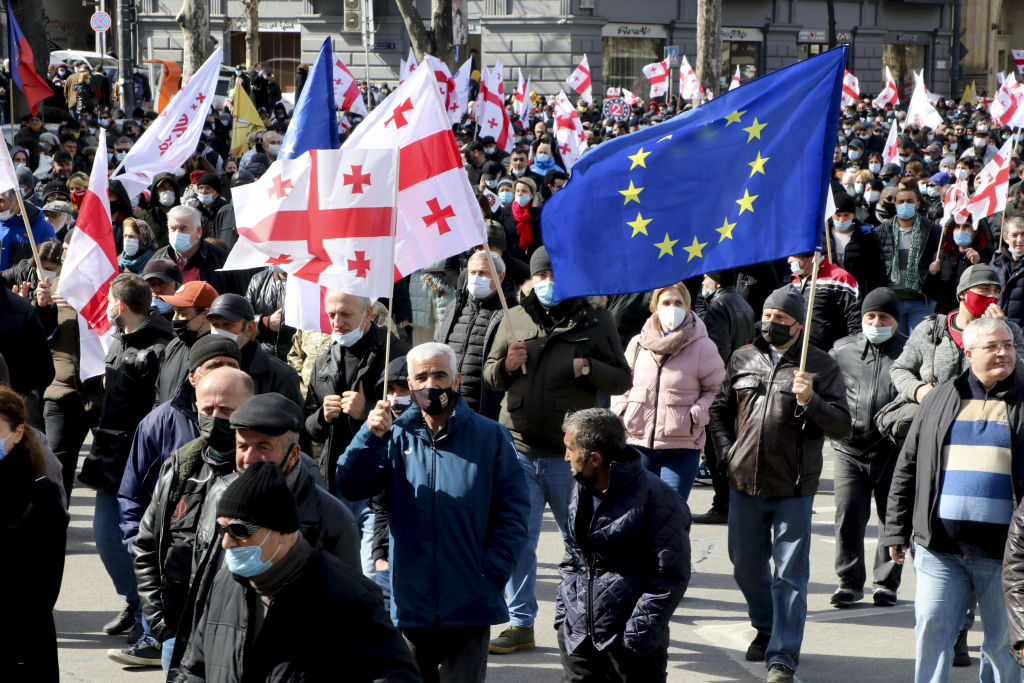
Earlier this week, Georgian law enforcement arrested United National Movement (UNM) party chairman Nika Melia on charges of inciting violence during anti-government demonstrations in 2019. The arrest has left many outraged and is the latest event to deepen political divisions in the country. There are valid arguments as to how the government could have handled Melia’s arrest better. But more important is what’s at stake for the future of Georgia – both domestically and as a member of the international community.
Why Biden shouldn’t seek to deprive Iran of conventional deterrence
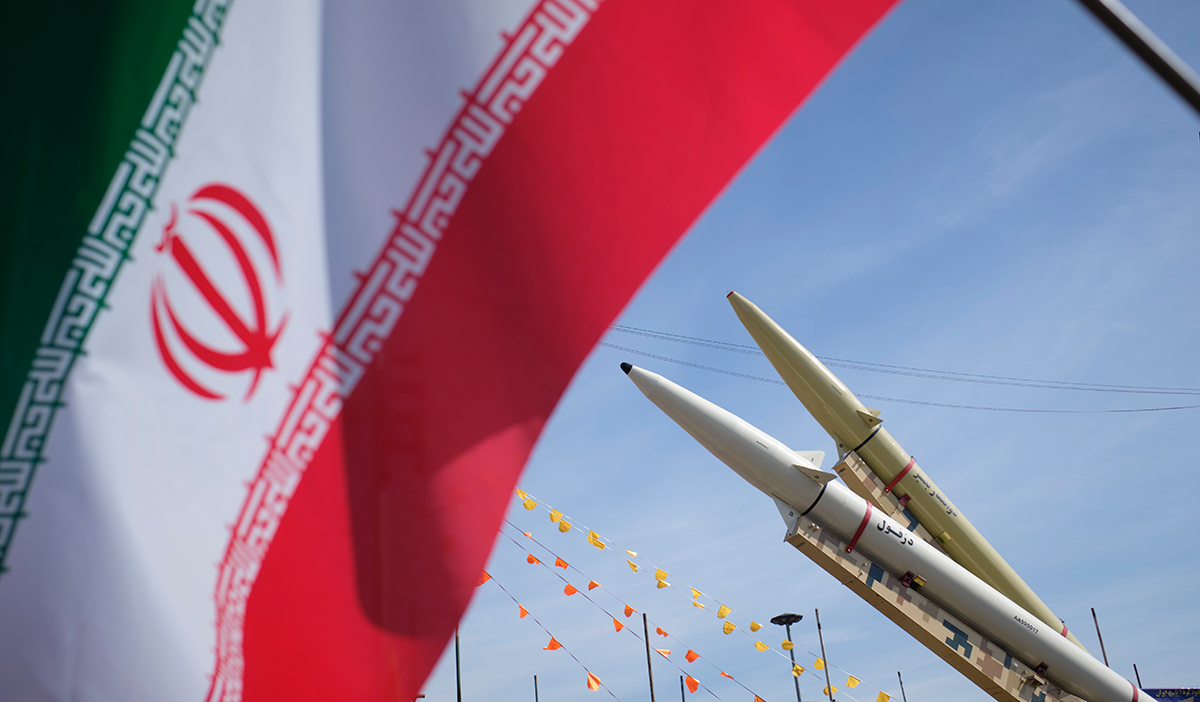
Earlier in February, Iran’s minister of intelligence, Mahmoud Alavi, signaled that if the U.S. continues provoking the country, Tehran might lash out like a “cornered cat” and consider the nuclear option. Will Joe Biden’s late reentry into the JCPOA and the expected resulting increase in tensions influence Iran’s strategic logic on nuclear weapons? A look back at the history of Iran’s decision making on the issue suggests that shifts in military threat assessments are as important as technical developments when it comes to Tehran’s nuclear strategy.
Iran and the Black Sea region: Tehran’s forgotten bridge to Europe
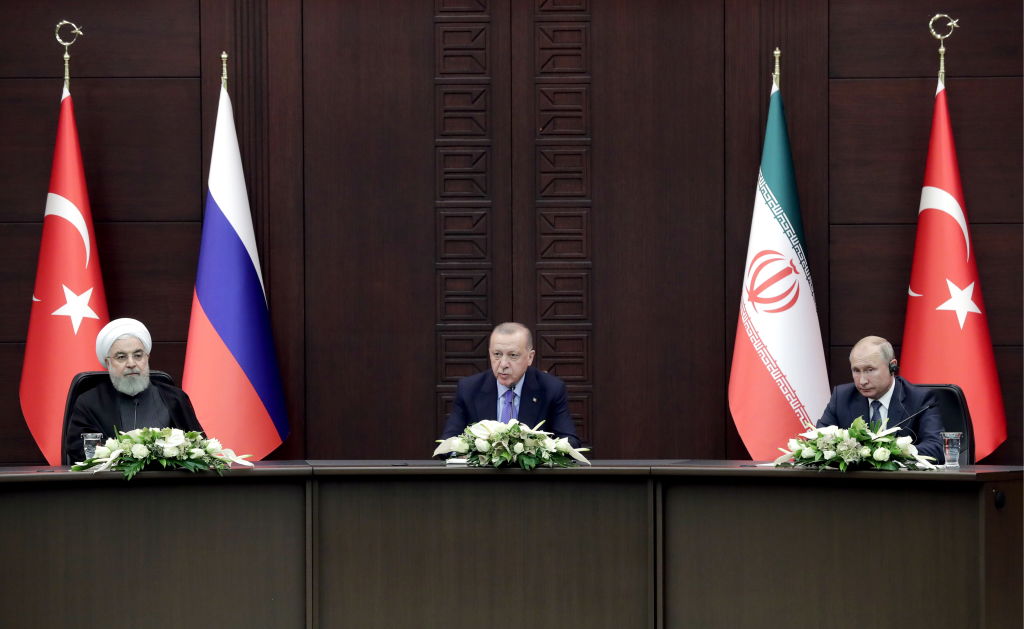
There have been some Iranian advances in building relations with Black Sea states over the last 30 years. However, Tehran’s wavering commitment to deeper ties with its northern neighbors, with the exception of Russia, has considerably reduced the potential footprint Iran could have otherwise had in the Black Sea region. Tehran’s ongoing standoff with the United States, its ideologically driven preoccupation to make advances in the Arab world, and a gradual but clear submission to Russian hegemony has meant that the Black Sea region is a policy matter of secondary importance to decision-makers in Tehran.