Intissar Fakir is a Senior Fellow at the Middle East Institute, where she researches the politics and geopolitics of North Africa and the Sahel. Her work explores how changing notions of sovereignty, legitimacy, and state resilience are reshaping domestic governance and international engagement across the region. She examines the implications of these shifts for regional security, democratic backsliding, conflict, migration, food and energy security, great-power competition, and U.S. foreign policy, with a particular focus on how North African states are navigating an increasingly fluid international order.
Prior to joining MEI, Fakir was a fellow at the Carnegie Endowment for International Peace and editor-in-chief of Sada. Earlier in her career she worked on democracy, governance, and socioeconomic reform across the Middle East and North Africa. Originally from Morocco, she holds an M.A. from the Elliott School of International Affairs at George Washington University and is a frequent commentator in international media.
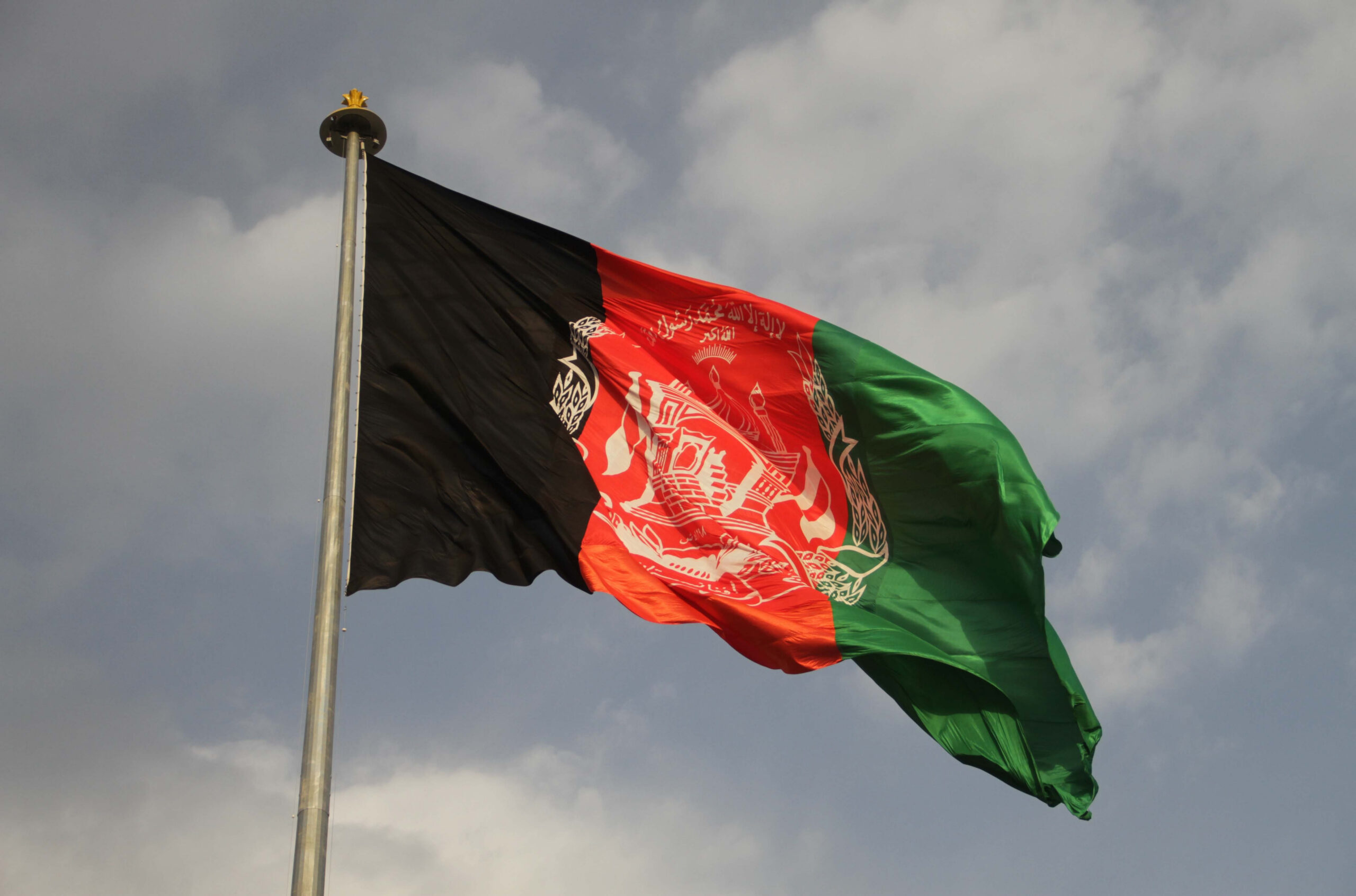
What’s driving the escalating tensions between Algeria and Morocco?
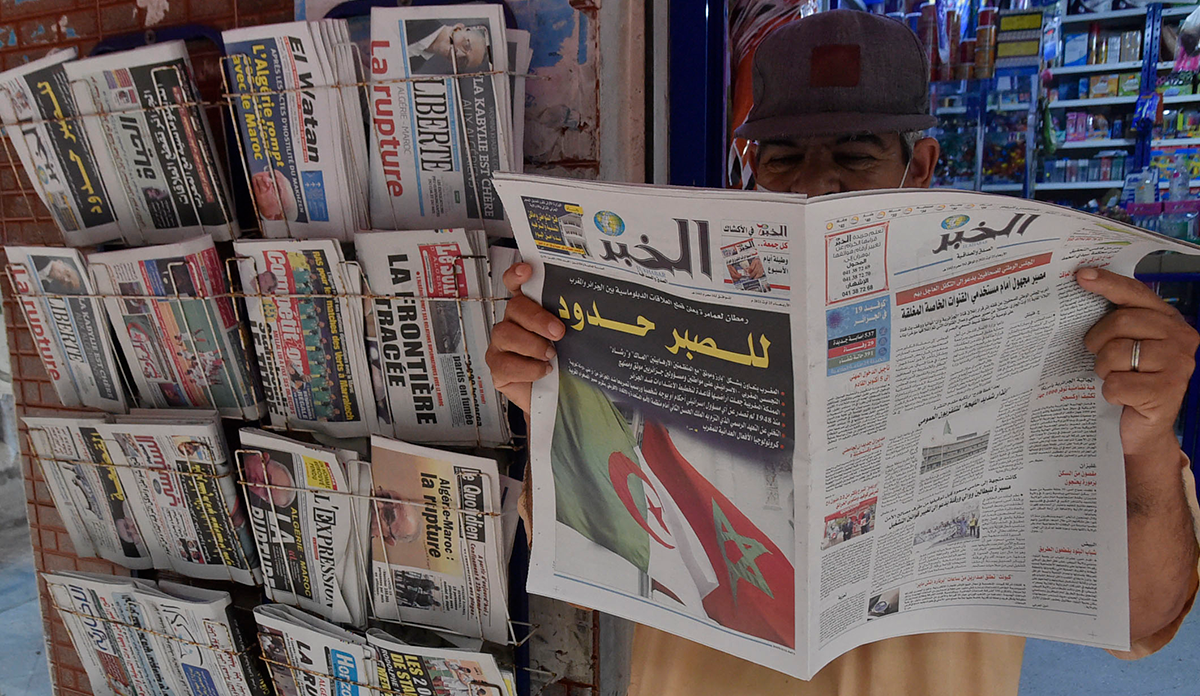
On Aug. 24 Algeria broke off its already minimal bilateral relations with Morocco, declaring this was due to the kingdom’s “hostile actions” and accusing it of involvement in the wildfires that struck the Kabylia region earlier that month. The heightened tension between the two countries brings into focus regional uncertainty and may spell the end of their limited collaboration in the energy sector.
Consistency and change: Morocco under King Mohammed VI
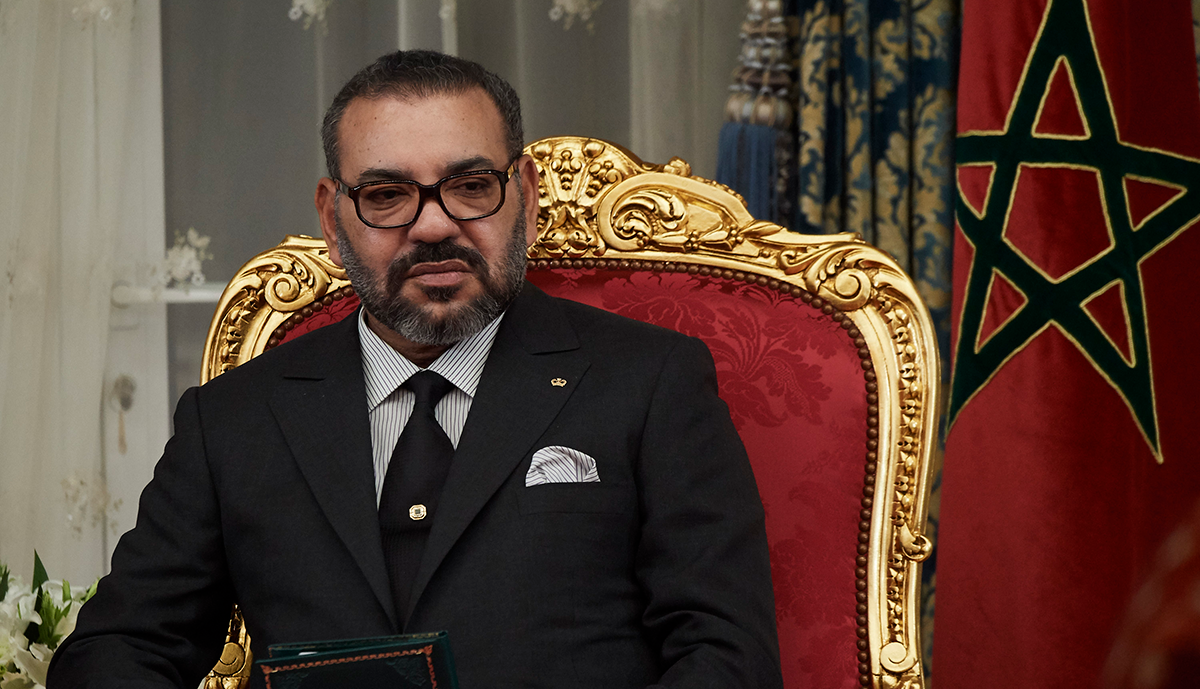
In July, Morocco marked the 22nd year of King Mohammed VI’s rule and 10 years under the new constitution ushered in by a popular referendum in the aftermath of the 2011 protests. The past 22 years have transformed Morocco, the region, and the world in fundamental ways, yet the country’s politics have continually snapped back to a familiar equilibrium. During these past 22 years Morocco has gone through three distinct phases in managing these internal and external dynamics.
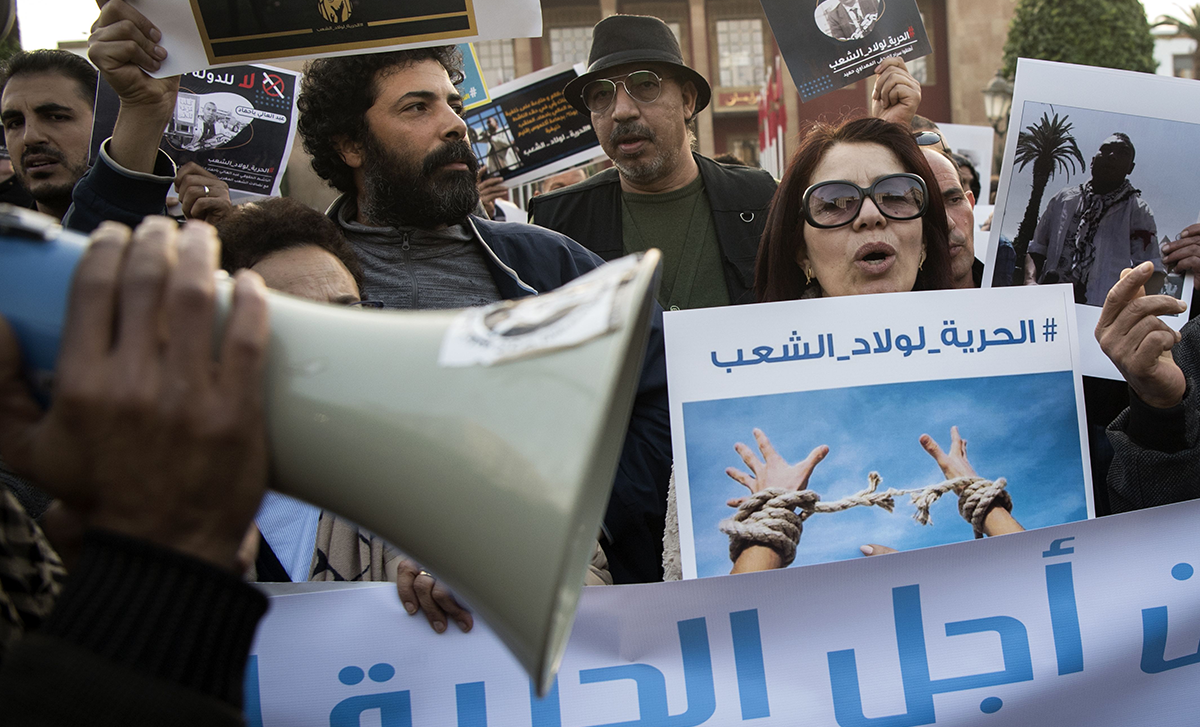
Testimony | "Briefing on Human Rights and Freedom of Expression in Morocco"
The following testimony was presented to the House Foreign Affairs Committee, Tom Lantos Human Rights Commission “Briefing on Human Rights and Freedom of Expression in Morocco” on August 12, 2021.
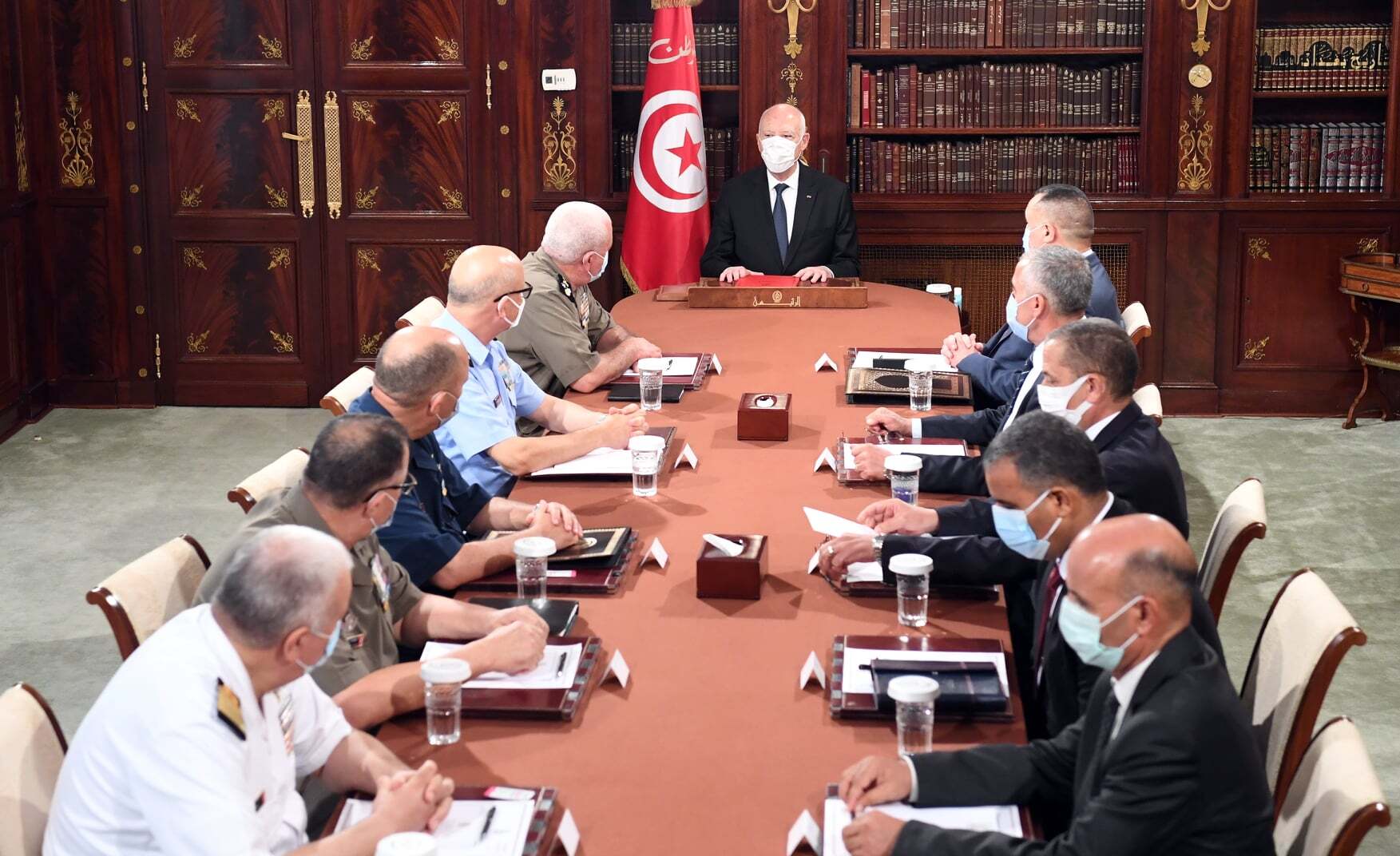
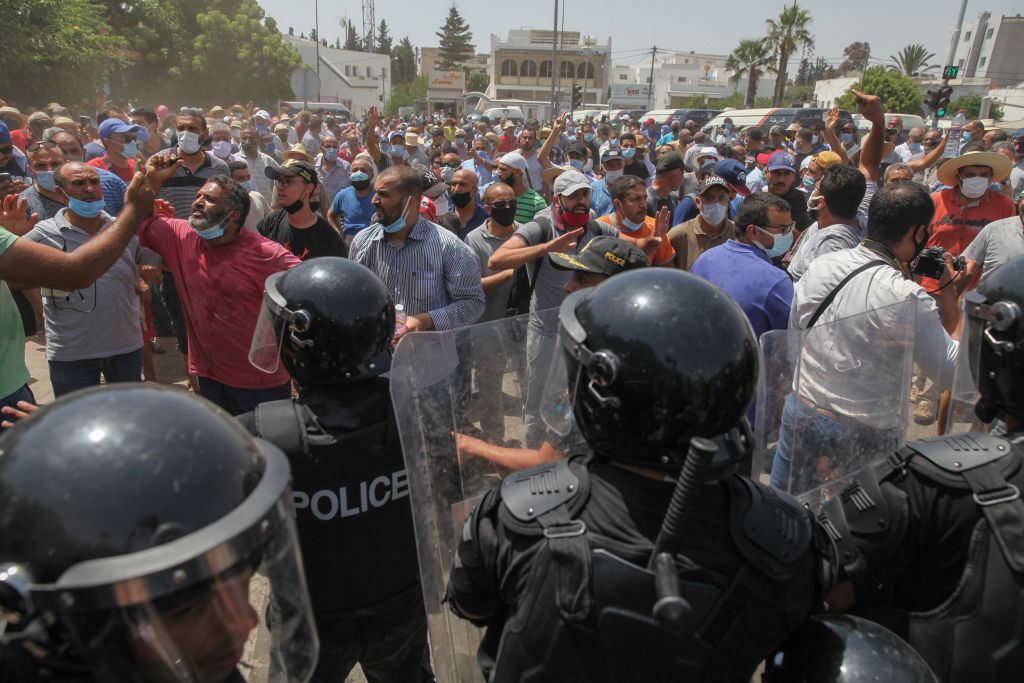
A coup or not? What happened in Tunisia and what comes next?
The debate over what Saied did, while important because of the legal and political implications, obscures the way in which his actions are themselves an indication of how Tunisian democracy has not been working for Tunisians. And what Saied did is, in the short term, unlikely to yield the results Tunisia needs.