Itt Thirarath is a diplomat at the Ministry of Foreign Affairs of the Kingdom of Thailand. He graduated Phi Beta Kappa from Johns Hopkins University School of Advanced International Studies (SAIS) with an MA in Middle East Studies, Southeast Asia Studies and International Economics. He received a BA summa cum laude in International Relations from Chulalongkorn University.
Medical tourism is an important form of cooperation in the health sector between the Gulf Cooperation Council (GCC) countries and Asia. The increasing flow of patients from the Gulf to Asian for medical treatment in recent years has been underpinned by a feature of GCC countries’ healthcare systems that is unique, namely government sponsorship of overseas medical treatment. This article discusses the immediate impact and possible implications of the Coronavirus pandemic for GCC-Asia health cooperation.
“[Food insecurity has] the potential to amplify destabilization, engender violence, and even accelerate state failure processes in an already geopolitically charged region”
– Andy Spiess in Food Security in the GCC Economies (2012)
Iranian oil sales have nearly doubled since sanctions were lifted on its oil exports in January 2016. In fact, Iran is recovering market share faster than many experts had expected.
Several factors have contributed to this development, including that Iran has—
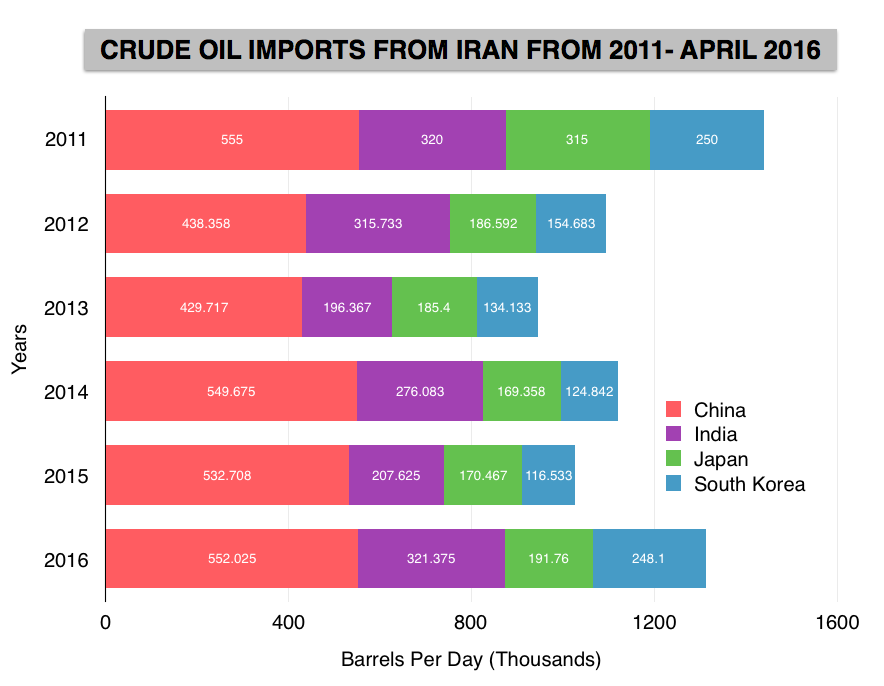
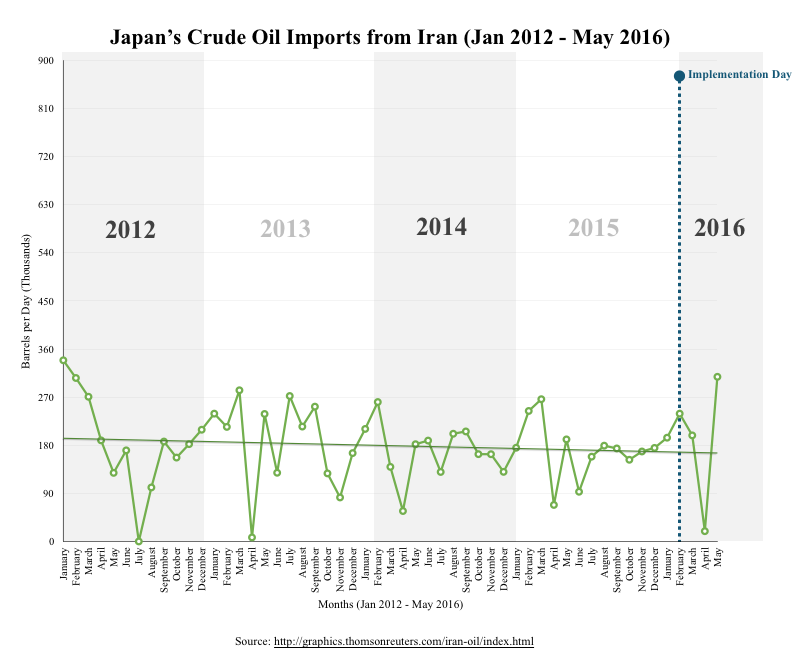
U.S.-European nuclear-related sanctions on Iran in 2011 resulted in a major reduction of Japanese crude oil imports from Iran, which were largely offset by increased purchases from other Middle Eastern producers. This pattern remained more or less intact through the end of 2015.[1]
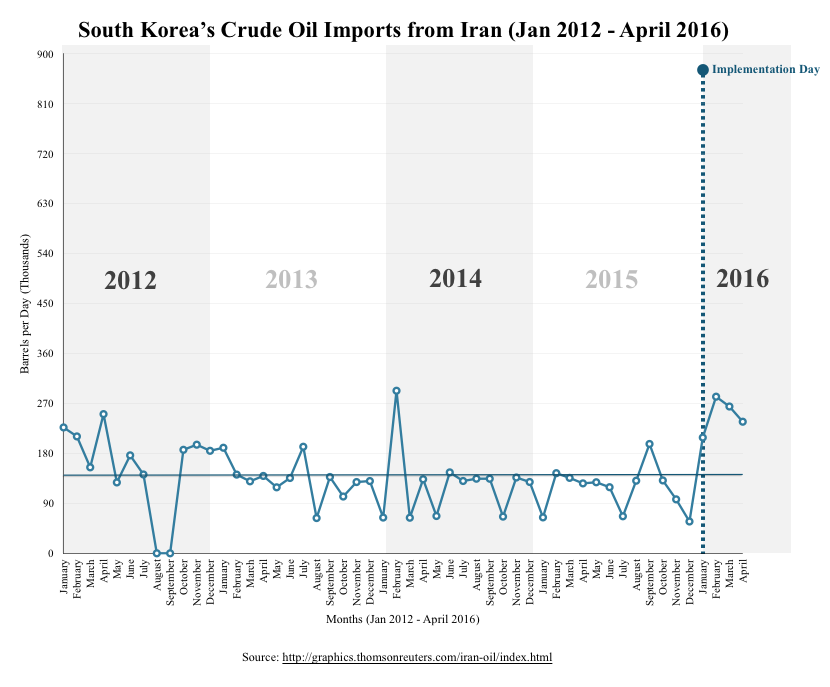
South Korea is the world’s fifth-largest crude oil importer and sixth-largest oil refining country. In June 2012, South Korea suspended all oil imports from Iran in response to a European Union insurance ban on tankers carrying Iranian crude oil.[1] South Korea subsequently obtained a waiver and resumed importing Iranian crude oil. However, the average annual volume of crude oil purchased by South Korea from Iran during the period 2012-2015 was 40% lower than in 2011.
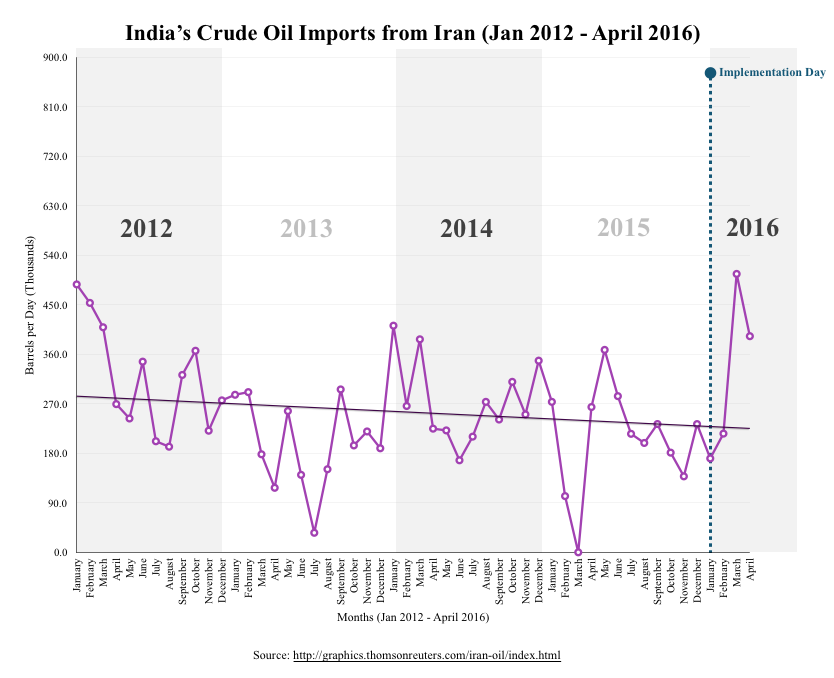
When U.S. and European nuclear-related sanctions against Iran took effect in 2011, India was compelled to reduce its crude oil imports from Iran and to diversify its sources of supply.[1] As a result, the country’s crude oil imports from Iran dropped by 1.33% and 37.81% in 2012 and 2013, respectively.
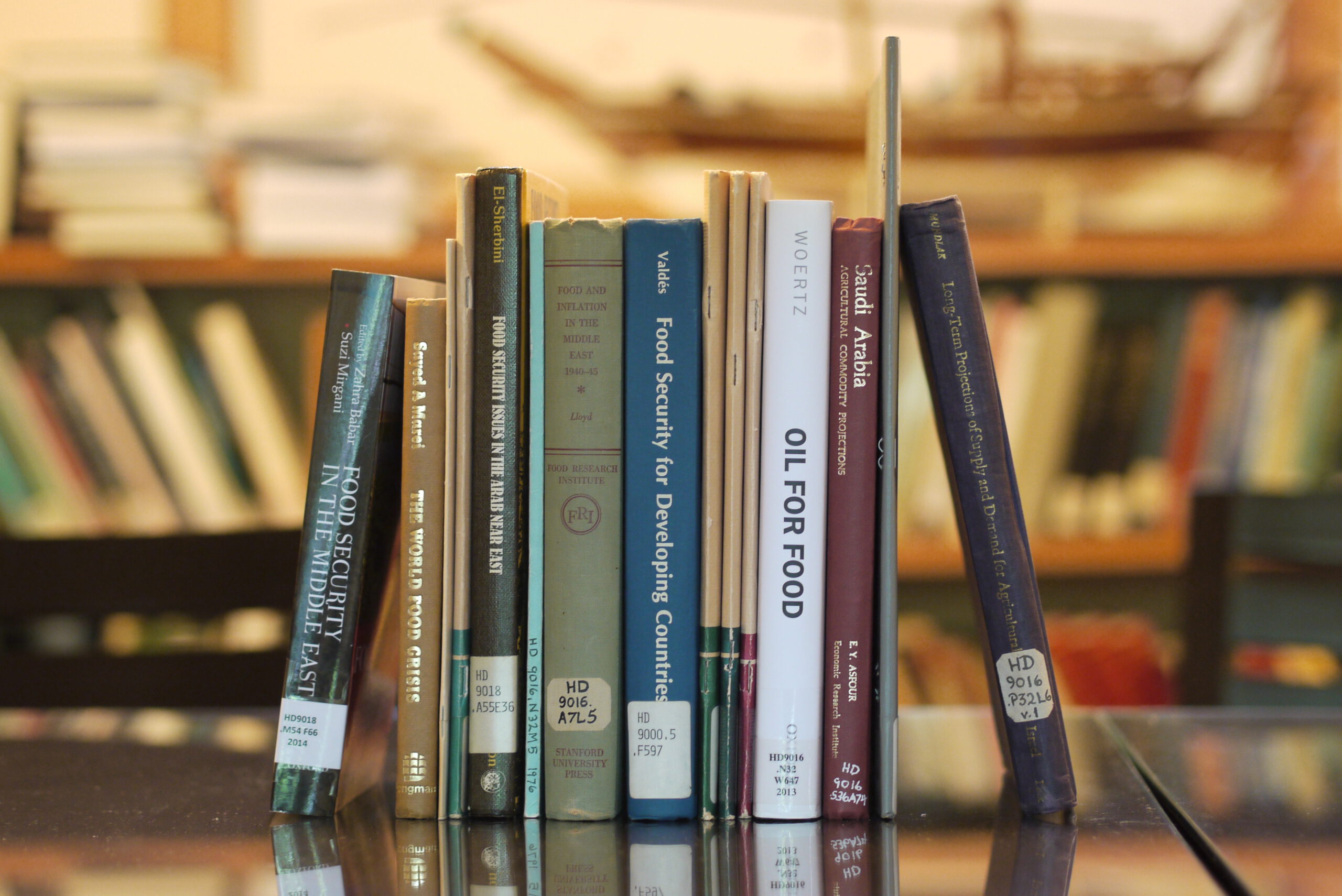
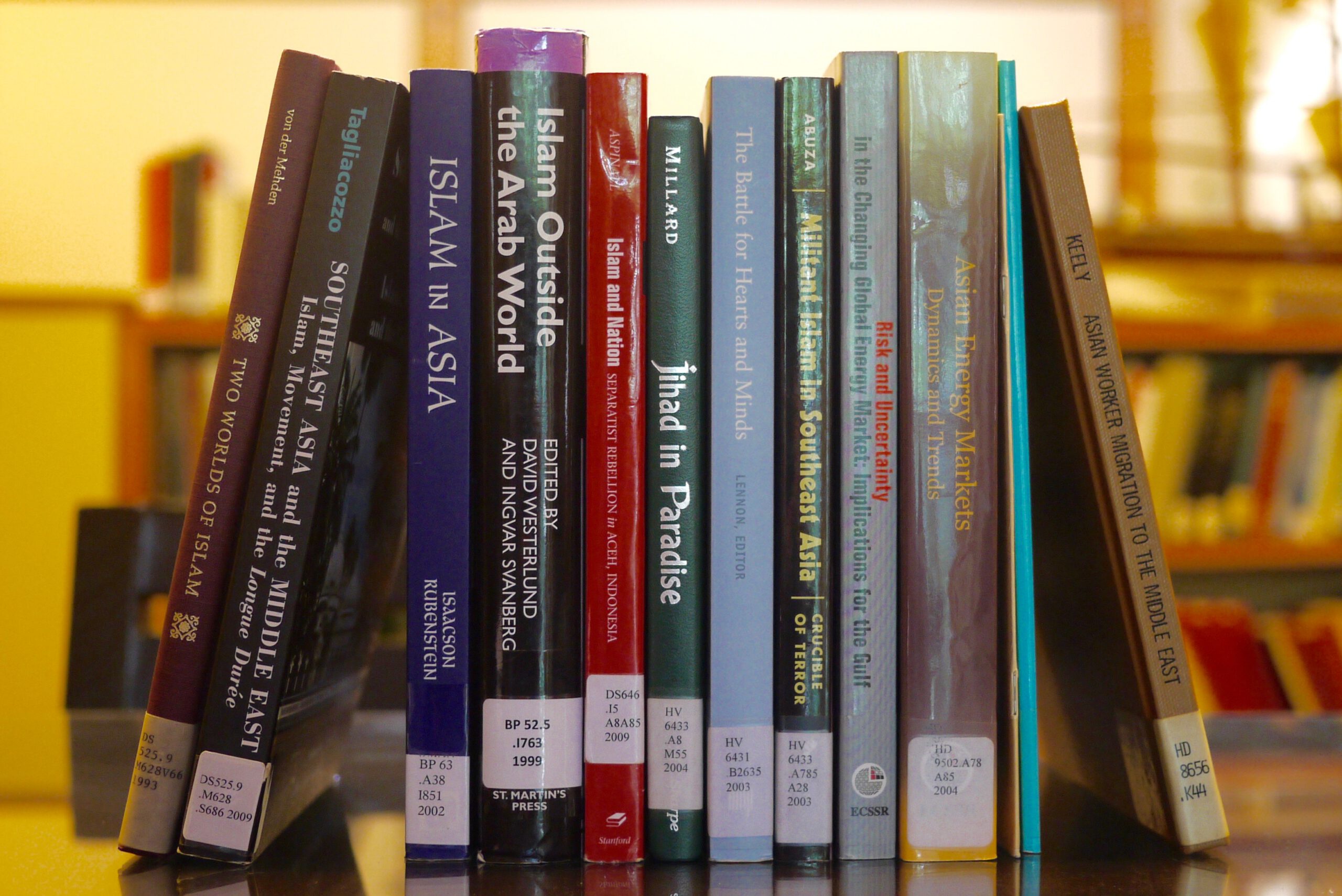
The Middle East & Southeast Asia Collection at the Oman Library
The Middle East and Southeast Asia are two distant regions that are not usually associated with one another. However, there are, in fact, a number of topics that transcend the geographical space between the two regions. For scholars who are interested in the relations between two of the most dynamic regions in the world today, the Oman Library at the Middle East Institute is home to a sizable collection of resources focused on this relationship.
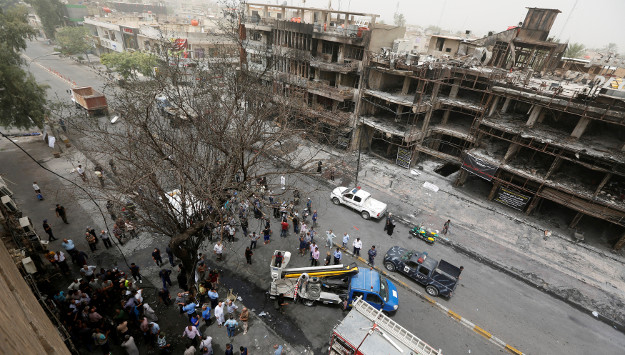
Weekly Briefing: Baghdad Bombing, NATO Summit, Israel’s Africa Outreach, and Saudi Embassy Trial in Iran
In this week’s briefing, MEI experts Hassan Mneimneh, Daniel Serwer, Paul Scham, and Alex Vatanka provide analysis on recent and upcoming events including the ISIS bombing in Baghdad, this week’s NATO summit in Warsaw, Israel’s outreach to Africa, and the trial in Iran over the ransacking of the Saudi embassy.
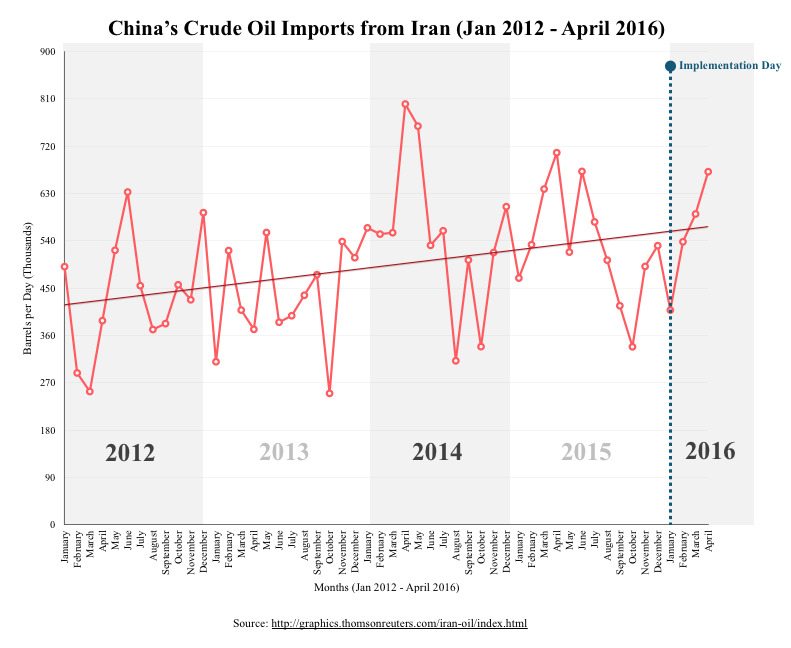
In 2011, China purchased 550,000 b/d, or 11% of its total crude oil imports, from Iran. However, the next year, China’s crude oil imports from Iran plummeted by 20% due to the imposition of nuclear-related sanctions on Iran by the U.S. and European countries. In 2012 and 2013 China’s purchases from Iran fell to just 8% of its total crude oil imports. Progress in the negotiations between Iran and the P-5+1 countries at the end of 2013 permitted China to restore crude imports from Iran to pre-sanction levels.