Iulia Joja is a senior fellow at the Middle East Institute (MEI), where she focuses on European and Black Sea security, with particular attention to defense, strategic cultures, and transatlantic relations. She is also an adjunct professor at Georgetown University and George Washington University, teaching European affairs and security.
Before joining MEI, Dr. Joja served as an adviser to the Romanian president and as a deputy project manager at NATO Allied Command Transformation in Virginia. She has also worked with the Romanian delegation to the United Nations, the European Parliament, and the Romanian Ministry of Foreign Affairs.
Dr. Joja has held prestigious academic positions, including as a visiting scholar at the Center of Military History and Social Sciences of the German Armed Forces in Potsdam/Berlin and as a German Academic Exchange Service (DAAD) post-doctoral fellow at the Foreign Policy Institute of the Johns Hopkins School of Advanced International Studies.
She holds a PhD in Strategic Studies from the National School of Political and Administrative Studies in Bucharest, an MA in International Conflict Studies from King’s College London, and a BA in Political Science and International Relations from Freie Universität in Berlin.
Biden’s Challenge: Continuing Progress in Eastern Europe Despite Russian Adventurism
The Biden Administration has a firm foundation upon which to build in Eastern Europe. As part of its focus on great power competition in the region, the Trump Administration sharply increased funding for the European Deterrence Initiative (EDI), covering costs for U.S. troops in Europe and security support for strategic allies, while repositioning some U.S. forces in Europe to the eastern flank. We have made important steps to support our strategic allies in Eastern Europe, but this administration needs to stay the course and increase its focus and commitment to the Black Sea region. Russia must understand the costs of their adventurism in order to prevent further reckless behavior.
The Biden Administration’s Eastern Europe Policy: New Hope for Georgia?
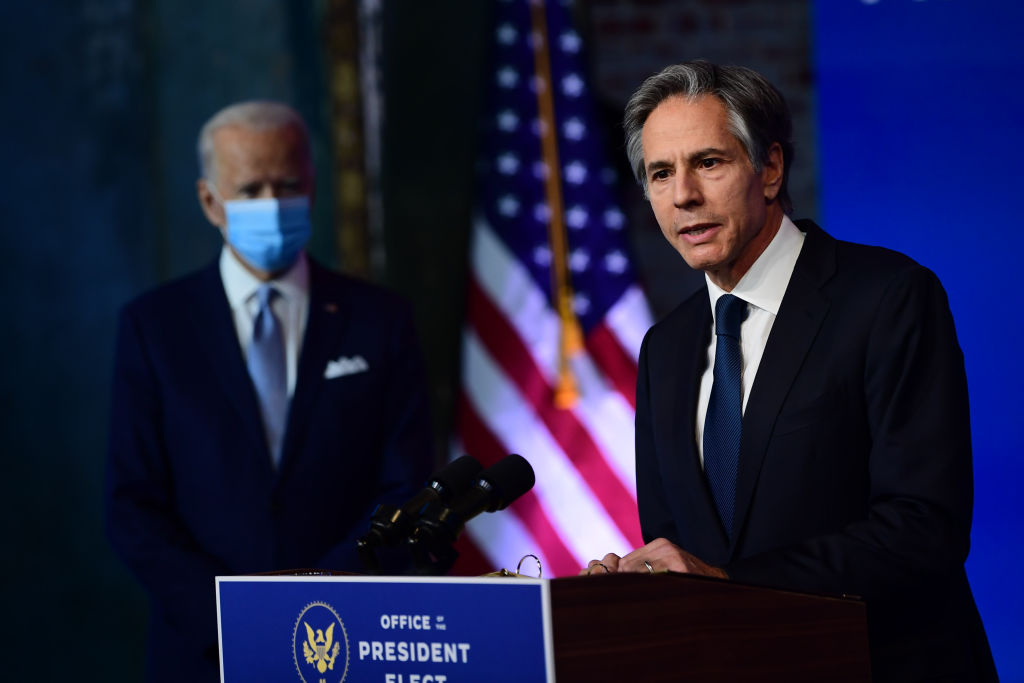
Georgia’s Western future became a central part of U.S. foreign policy last week. During his confirmation hearing, Secretary of State Antony Blinken reiterated that Georgia should join NATO as soon as it meets the criteria. Blinken’s remarks are timely. Georgia faces increasing Russian political pressure and military presence, exacerbated by the recent second Nagorno Karabakh war. At the same time, and following a decade of stalemate, there have been significant breakthroughs in the cases brought by Georgia against Russia in front of the European Court of Human Rights (ECHR) and the International Criminal Court (ICC). With Georgia’s Western path resurfacing on the international agenda, Eastern European countries will be watching to see if the Biden Administration’s foreign policy can make a difference to regional security.
Roadmap for a strengthened NATO-Georgia partnership
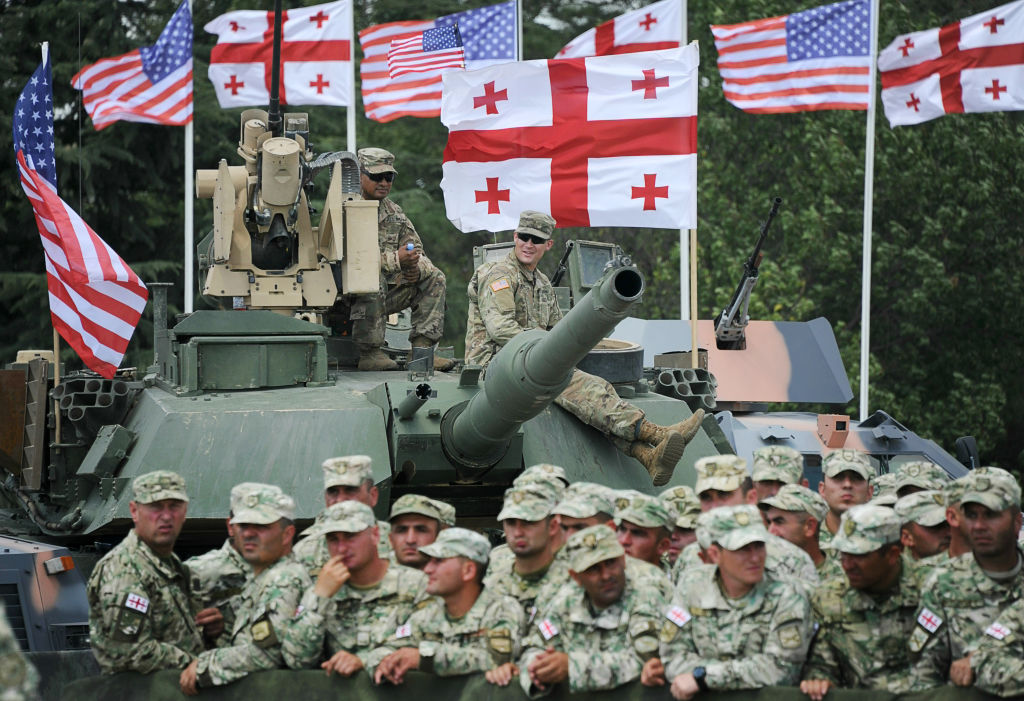
In April 2020, NATO Secretary General Jens Stoltenberg appointed an independent Reflection Group with the aim of defining the future of the Alliance. The group recently published an extensive report entitled NATO 2030: United for a New Era.” However, NATO 2030: United for a New Era does not provide further detail or recommendations on how these partnerships should be strengthened and expanded. The Alliance must strengthen and consolidate its partnership with Georgia to ensure its sovereignty and independence and mitigate the risks of further Russia aggression imposed.
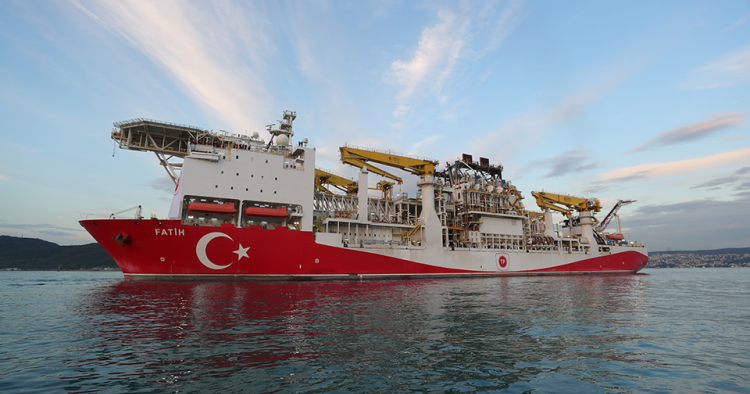
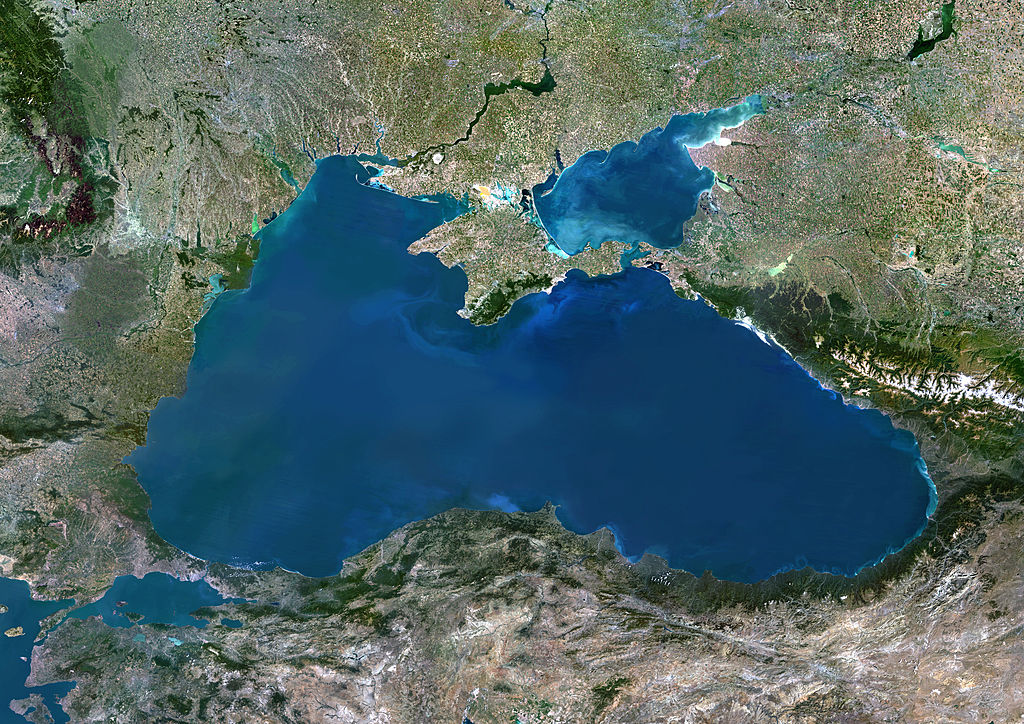
Less widely reported are other offshore discoveries in the Black Sea being made by various regional players, some more overtly than others. Given the not insignificant hurdles posed by limitations of technical capacity, a bounty of market supply, and unresolved conflicts leaving borders and exclusive economic zones (EEZs) in question, many are asking who’s campaigning for new Black Sea gas, and why? And just as importantly, whose national security interests stand best to gain?
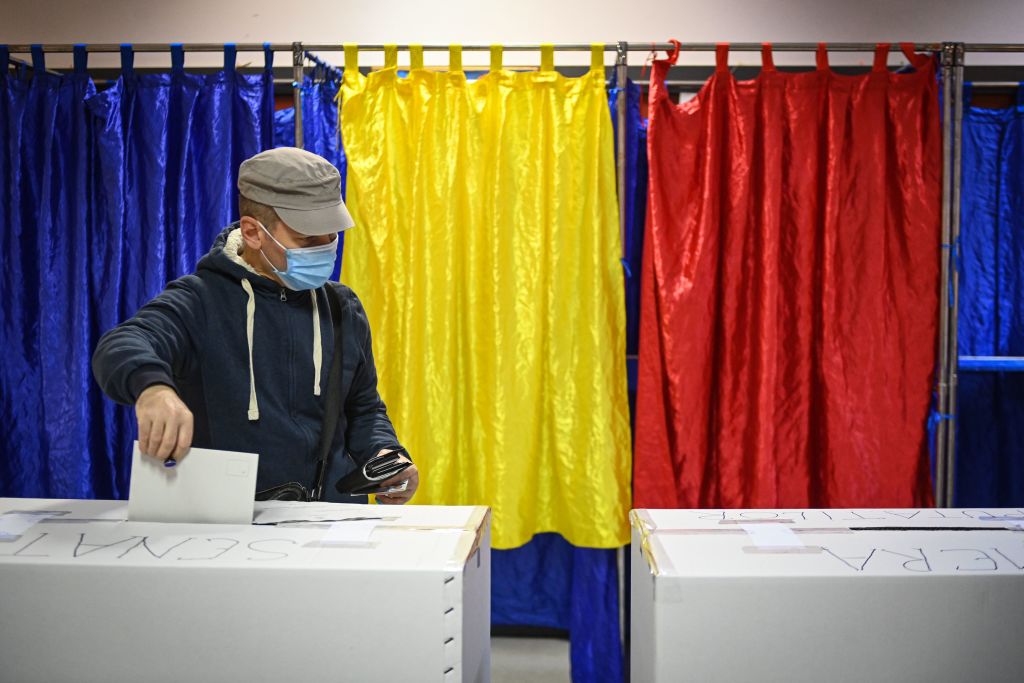
Elections 2020: A small victory for the right, but Romania won’t deviate from its Western path
Romania is one of Eastern Europe’s largest countries. It also happens to be — alongside Poland — one of Europe’s most pro-Western electorates. However, results of Sunday’s legislative elections suggest Romania could once again be entering murky political waters.
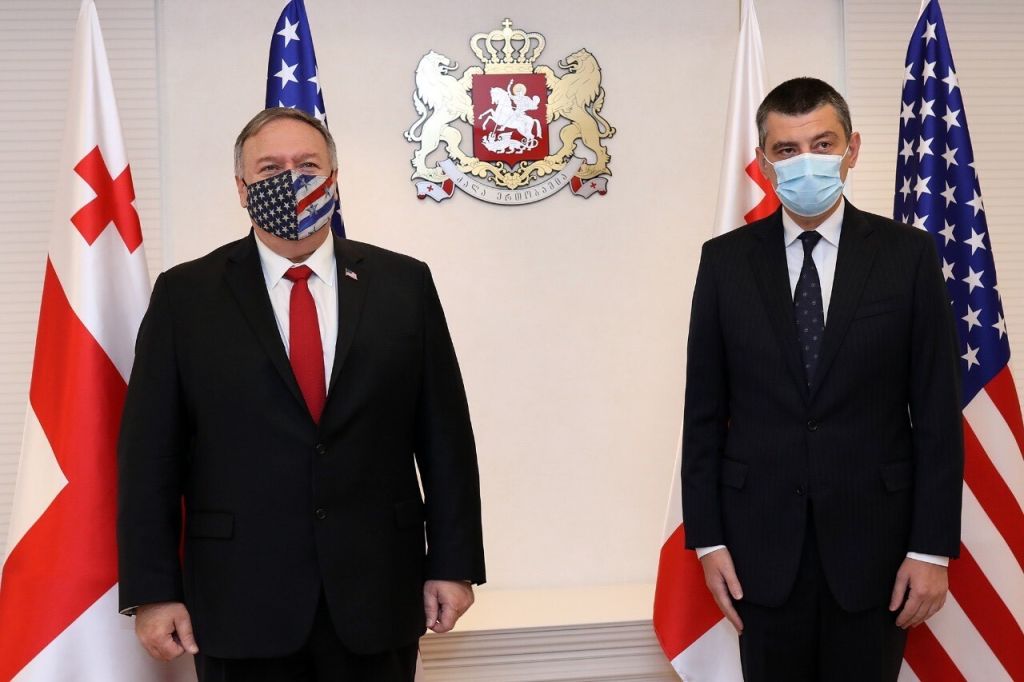
Pompeo’s visit to Tbilisi is a both a victory lap and an opportunity
Pompeo’s visit to the small post-Soviet democracy Georgia reflects U.S. efforts to reassure Georgia of its support as a strategic partner. As possibilities for Western engagement in Eastern Europe and the South Caucasus are increasingly diminished by Russia’s rising force projection, the visit is an opportunity to consolidate President Donald Trump’s regional focus on great power competition with China and Russia.
Georgian Elections 2020: A strong mandate for democratization and Westernization
The Georgian Dream government managed the pandemic too well not to ensure a landslide. Georgia’s 2020 free and fair elections secure the country’s position as a regional beacon of democracy. Such well-deserved democratic progress shines bright in the context of democratic backsliding across Central and Eastern Europe. Georgia’s ruling party will face two major challenges over the next four years: first, a proportional electoral system which will institutionally strengthen the opposition, and second, the most difficult economic recovery it has seen in a decade of power.
Election 2020: The Future of U.S.-Black Sea Relations
In Frontier Europe Initiative’s new briefing book, entitled Election 2020: The Future of Black Sea-U.S. Relations, MEI scholars and external contributors identify key issues across the region, highlight U.S. interests at stake, and provide policy insights and recommendations for the path forward. The pieces in this book serve as a contribution to the broader discussion about the challenges and opportunities for U.S. policy in the region
US engagement in the Black Sea and Middle East. What more can be done?
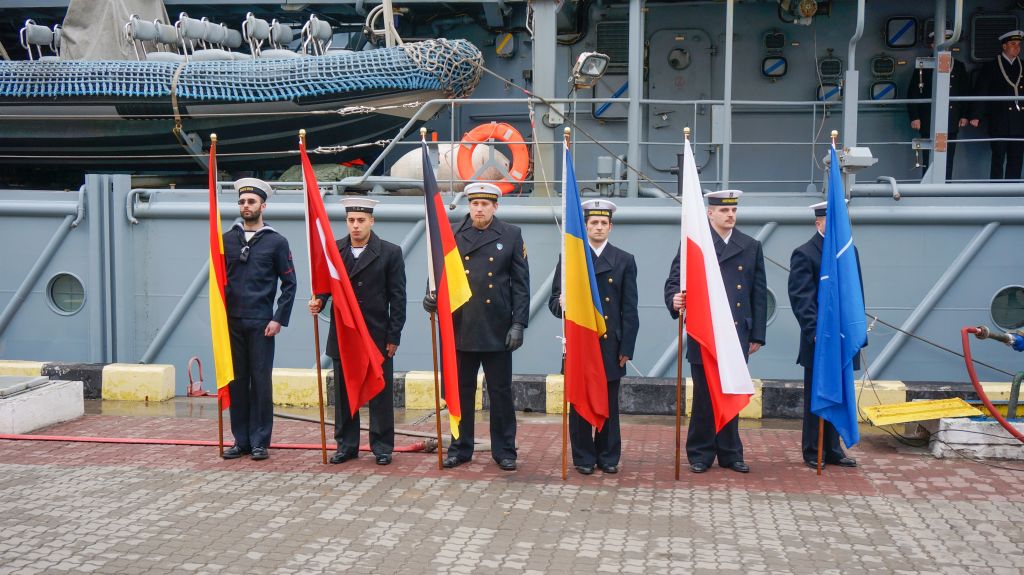
US support for the Black Sea and the Middle East has been through several phases in recent years, with President Donald Trump’s generals having the biggest impact on policy change. While there has been increased engagement in the region, much more is needed from the US – as well as NATO and the EU – to ensure Black Sea security.
Geopolitics and propaganda: Lessons from the Black Sea
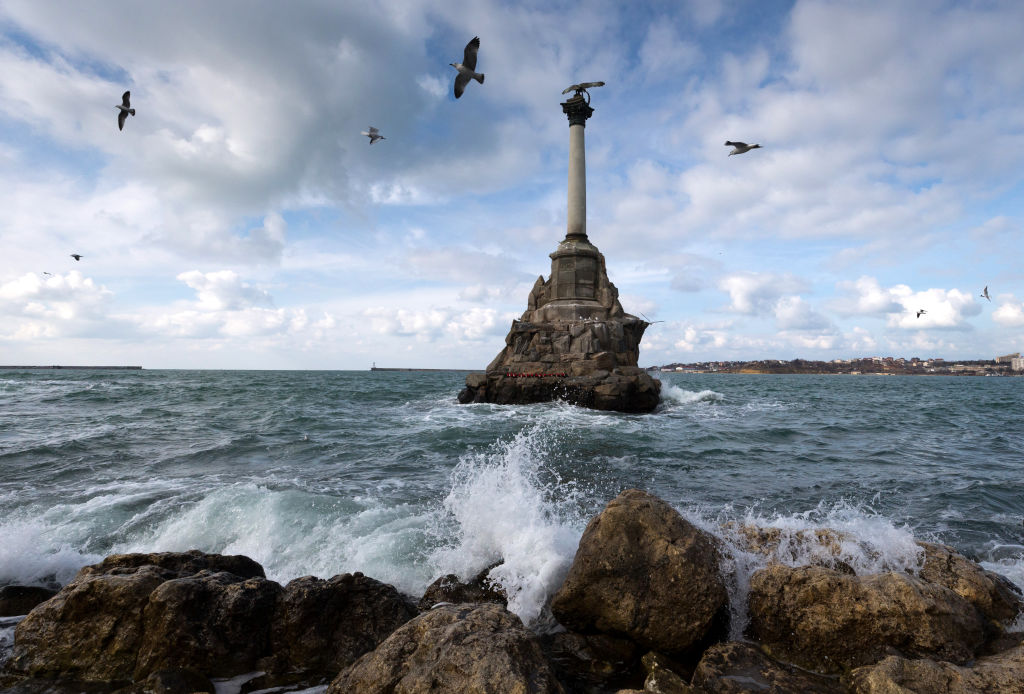
Since Russia’s 2014 annexation of Crimea, malign foreign influence within EU countries has been the subject of considerable scrutiny. What lessons can be learned from comparing EU and NATO members Romania and Bulgaria with partner countries Moldova and Georgia?