This individual is a guest contributor. MEI is not able to assist with contact requests.
Jean-Pierre Cassarino holds a professorship at the Robert Schuman Center for Advanced Studies (RSCAS/European University Institute, Florence) where he directs the Return migration and Development Platform (http://rsc.eui.eu/RDP/). He is also research associate at the Tunis-based Institut de Recherche sur le Maghreb Contemporain (IRMC). Since the mid-1990s, he has published extensively on international migration, particularly on return migration and has carried out numerous field surveys investigating returnees’ manifold patterns of reintegration. Selected publications include: (ed.) Unbalanced Reciprocities: Cooperation on Readmission in the Euro-Mediterranean Area, The Middle East Institute Press, Washington, 2010; (ed.) “Conditions of Modern Return Migrants”, International Journal on Multicultural Societies, Vol. 10, Issue 2, UNESCO, Paris, 2008; (ed.) Return Migrants to the Maghreb Countries: Reintegration and development challenges, RSCAS, European University Institute, Florence, 2008; Tunisian New Entrepreneurs and their Past Experiences of Migration in Europe: Networks, Resource Mobilisation, and Hidden Disaffection. Ashgate Publishers, Aldershot, 2000. Email: [email protected]
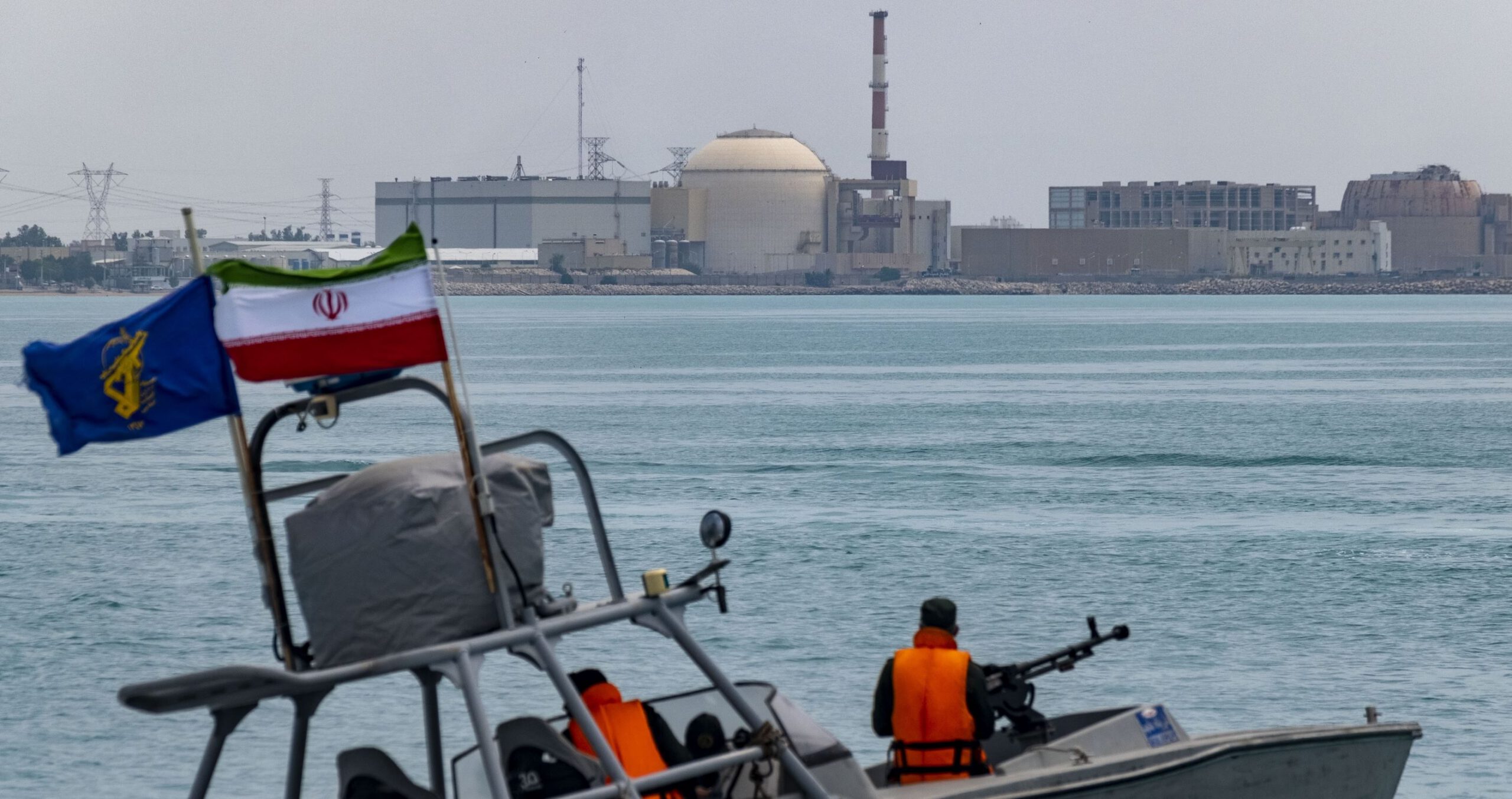
تقوم إيران بتخزين ما يكفي من اليورانيوم المخصب القريب من الدرجة العسكرية لصنع سلاح نووي في غضون أسابيع أو أشهر، وليس سنوات. والرئيس دونالد ترامب، الذي انسحب في عام 2018 من الاتفاق النووي الذي كان من شأنه تأجيل هذه الإمكانية، يناشد الآن إجراء مفاوضات مع طهران. لكن في الشرق الأوسط، لا تقتصر المسألة النووية على إيران وحدها.
السيادة أولاً: إعادة تشكيل التعاون الدولي في شمال أفريقيا
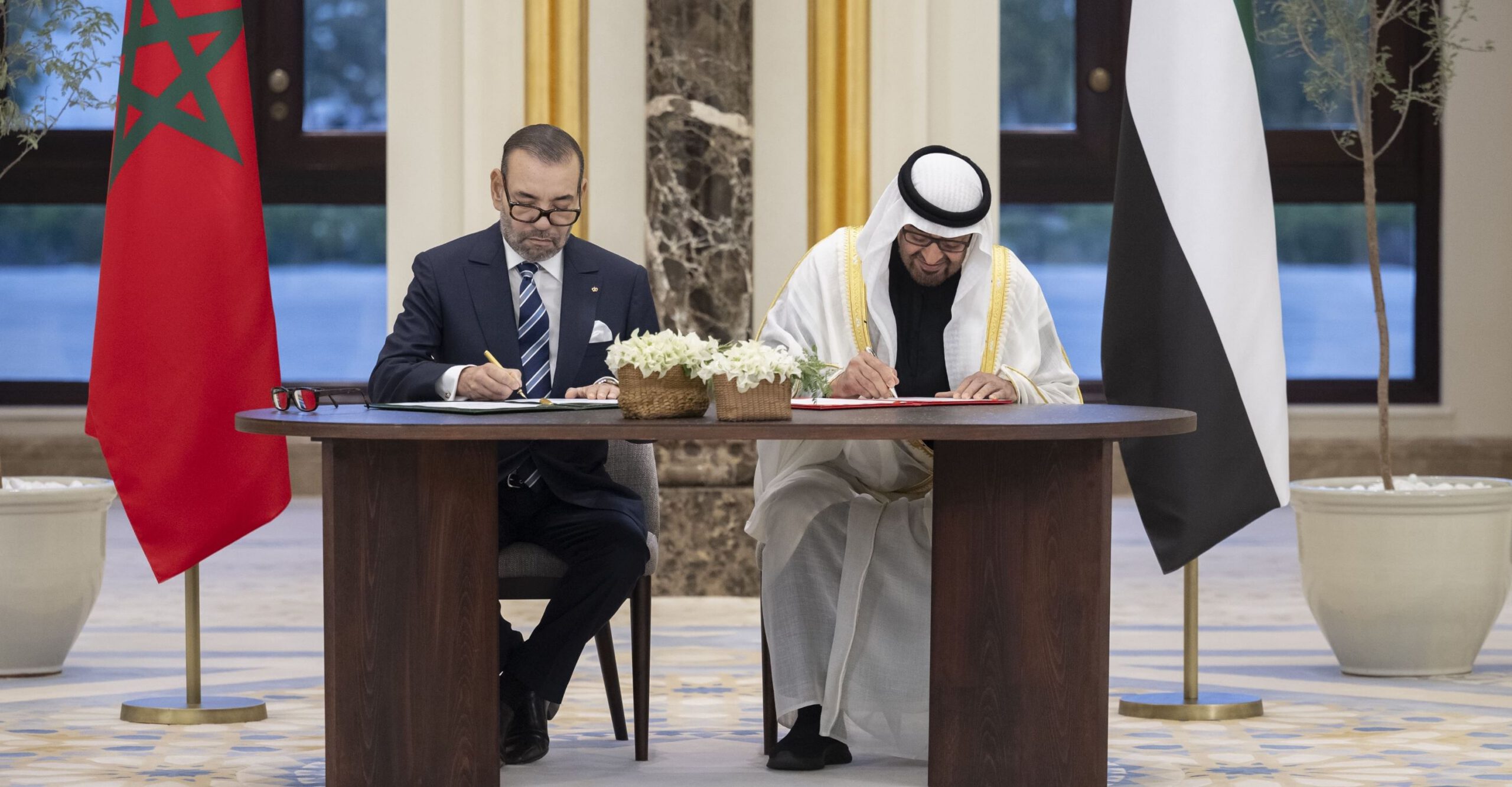
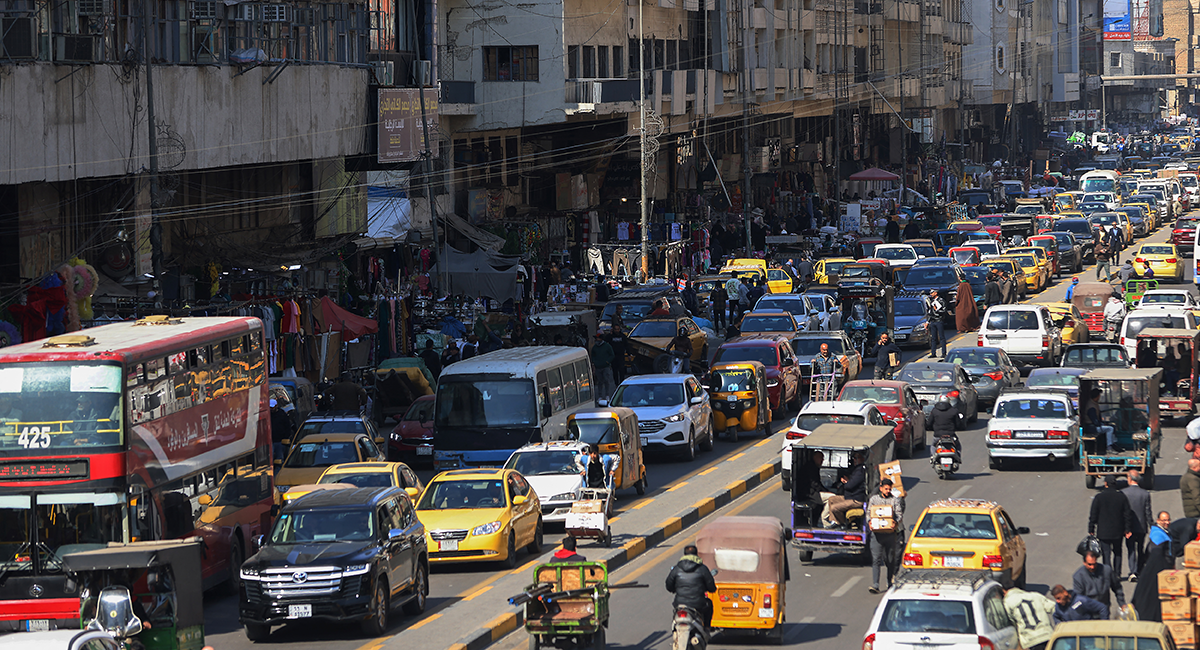
تولي دول شمال أفريقيا ودول العالم بشكل متزايد الأولوية لتعريف صارم للسيادة وتميل نحو الدبلوماسية التبادلية. إن فهم الدوافع الكامنة وراء نهج "السيادة أولاً" الذي تتبعه شمال أفريقيا يمكن أن يساعد الولايات المتحدة وأوروبا على بناء علاقات متبادلة المنفعة ودائمة مع المنطقة في ظل هذا الواقع الجديد.
الاعتقال والاحتجاز غير القانونيين لرئيس هيئة استرداد الأصول الليبية يعكسان تفاقم الفساد في ليبيا
لا تزال الفساد المستشري في ليبيا يثبط الاستثمار الأجنبي، ويشل الخدمات العامة، ويقوض الثقة في الحكومة. وتعود هذه الحالة المزرية إلى الصراعات المستمرة على السلطة بين النخبة السياسية والعسكرية في ليبيا. وقد قام مؤخراً بعض الفاعلين السيئين في شرق ليبيا وغربها بحملة اعتقالات وتعتيقات تعسفية حذرت بعثة الأمم المتحدة للدعم في ليبيا من أنها ليست فقط غير قانونية، بل إنها تخلق "مناخاً من الخوف".
تركيا تتنافس مع إسرائيل والهند لتصبح مورداً رئيسياً للأسلحة في منطقة الشرق الأوسط وشمال أفريقيا
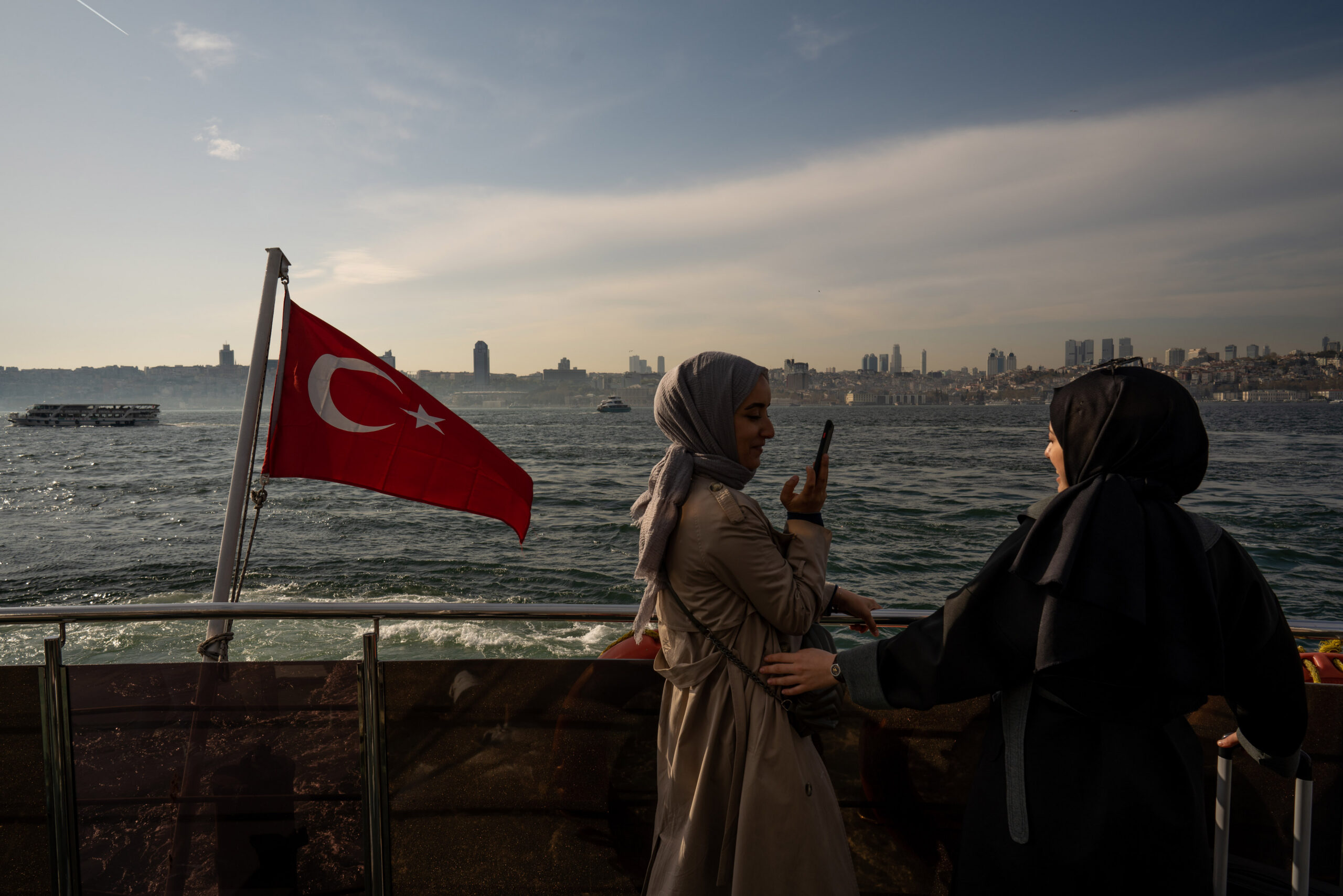
With record-breaking arms exports globally, Turkey’s growing market share in the Arab monarchies holds the potential to greatly expand Ankara’s role as a security provider across the Middle East and North Africa. At the same time, Turkey faces growing competition from Israel and India, which have significantly expanded their own weapons sales to the Arab monarchies, notably the UAE and Morocco.
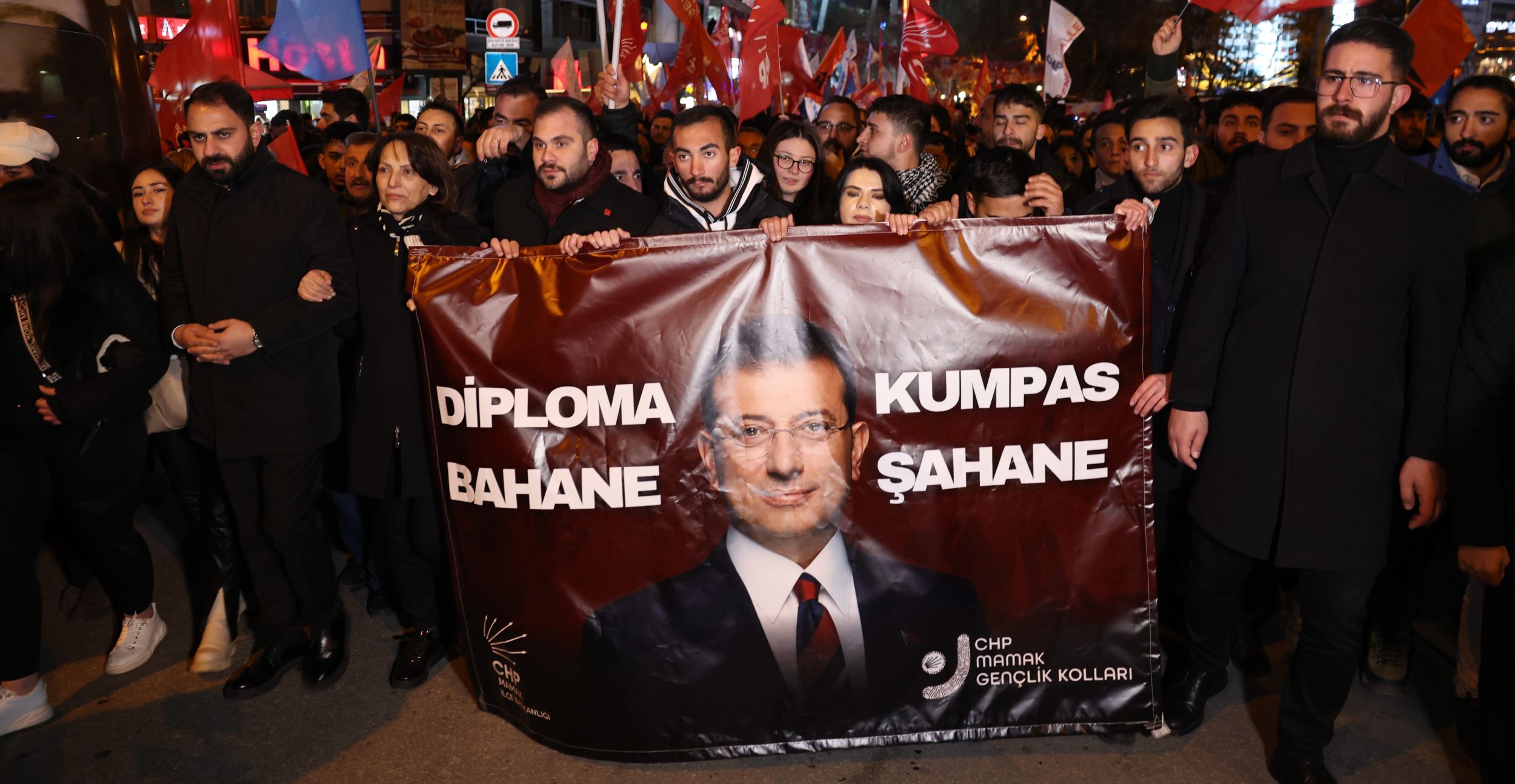
Just days before Turkey’s main opposition party was set to select its next presidential candidate, the leading contender, Istanbul Mayor Ekrem Imamoglu, was arrested and jailed, effectively removing him from the race.
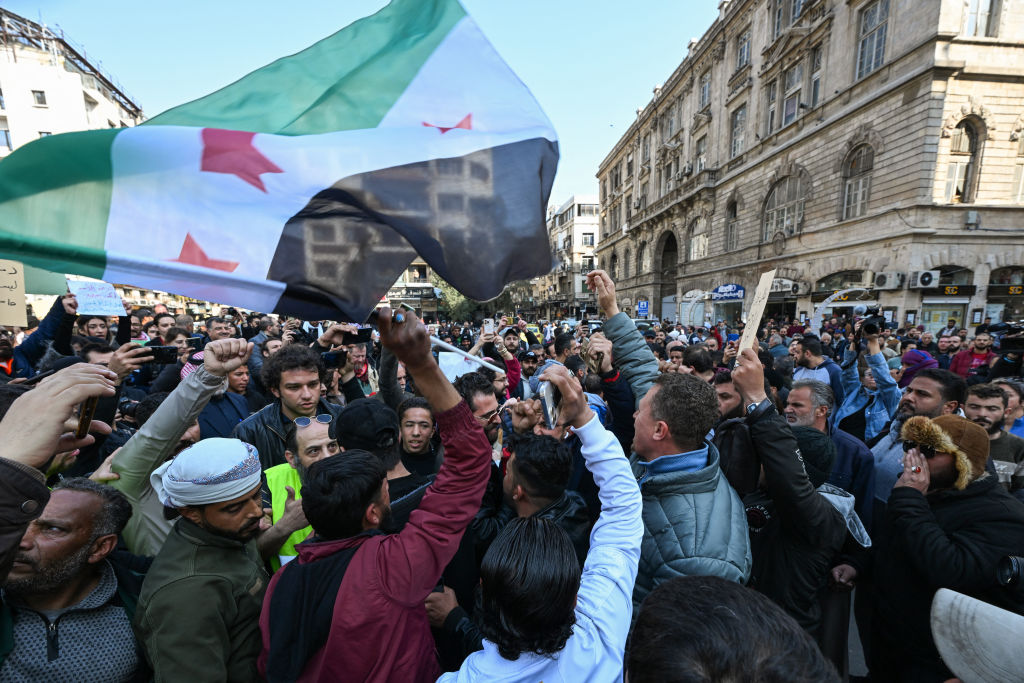
The Damascus-SDF Agreement: A Turning Point for Syria?
Syria’s political landscape has undergone a major shift with the recently announced agreement between the predominantly Kurdish and American-backed Syrian Democratic Forces (SDF) and the transitional Syrian government. After weeks of negotiations, this deal signals a potential breakthrough in the country’s long and complex path to reunification.
إعادة تشكيل ترامب لقوة الولايات المتحدة يهدد باستقرار الشرق الأوسط
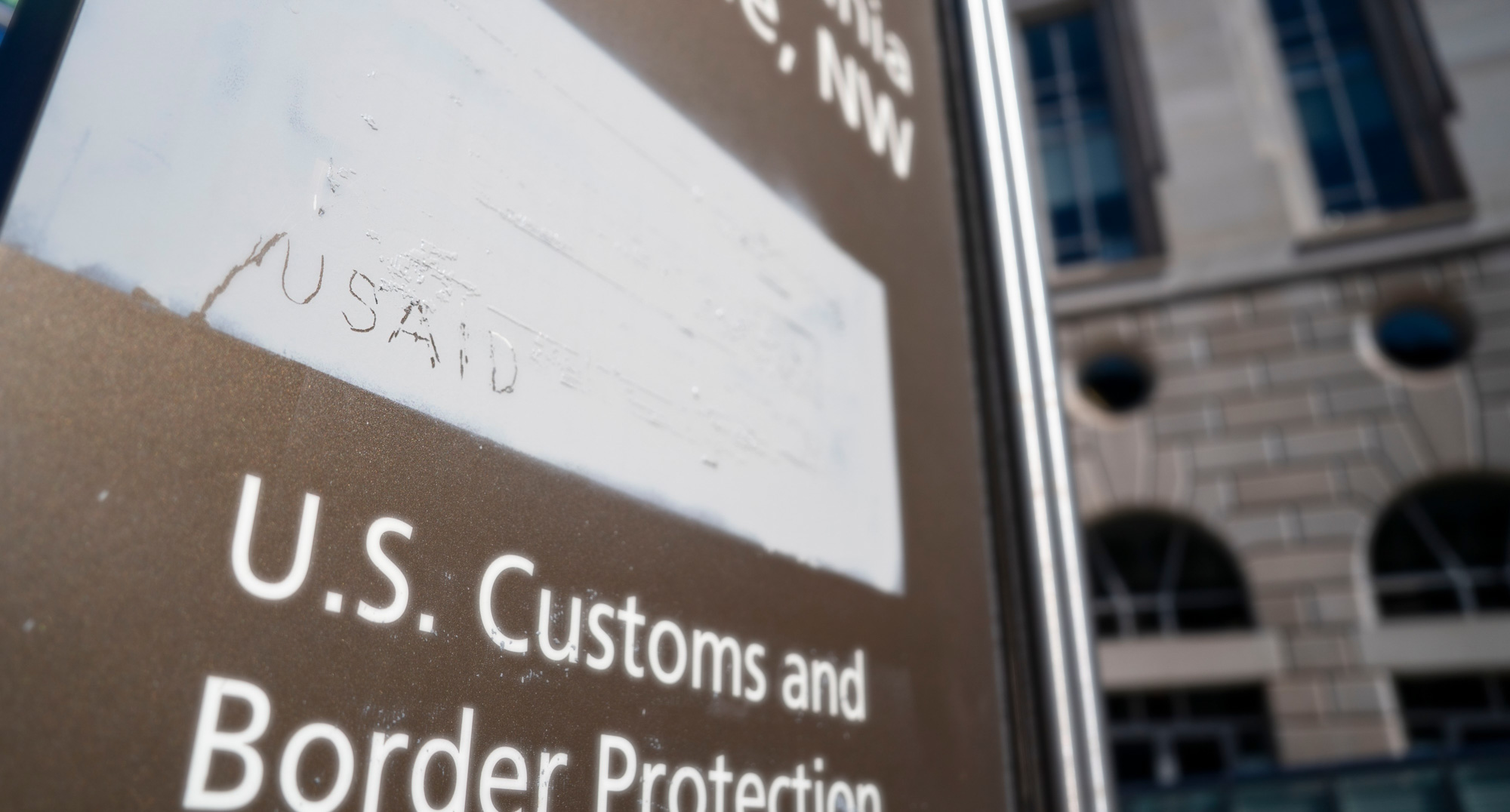
عززت إدارة الرئيس دونالد ترامب استخدامها للقوة العسكرية في الشرق الأوسط الأسبوع الماضي، في الوقت الذي اتخذت فيه المزيد من الخطوات لتفكيك المؤسسات الأمريكية الأساسية لتعزيز السلام والاستقرار من خلال الدبلوماسية.
خارطة طريق لقيادة أمريكا في خطة عمل الذكاء الاصطناعي
استجابة لطلب المعلومات (RFI) من المؤسسة الوطنية للعلوم (NSF) ومكتب سياسات العلوم والتكنولوجيا (OSTP) بشأن "وضع خطة عمل للذكاء الاصطناعي" لدعم الأهداف المنصوص عليها في الأمر التنفيذي (EO) 14179، يقدم معهد الشرق الأوسط (MEI) خمس توصيات لترسيخ مكانة الولايات المتحدة كرائدة عالمية في مجال ابتكار الذكاء الاصطناعي مع معالجة المتطلبات الأخلاقية والتنظيمية والبنية التحتية الحاسمة.
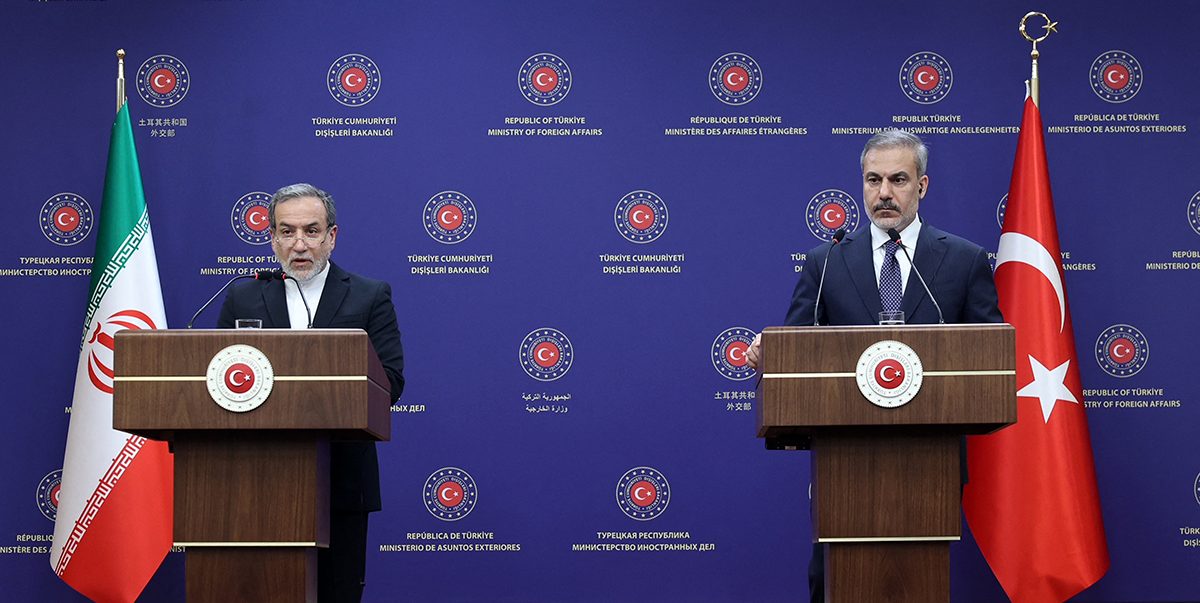
War of words as Turkey-Iran tensions escalate over Syria, Iraq
After decades of managing tensions through careful balancing, Turkey and Iran now find themselves increasingly at odds following recent shifts in the regional balance of power. With Ankara emboldened and Tehran on its back foot after the fall of the regime of Bashar al-Assad, the struggle for influence between the two neighbors and long-time rivals is escalating in both Syria and Iraq and could spread well beyond their borders.
How might Trump's presidency shape regional dynamics?
The punishing Israeli response to the Hamas and Hezbollah attacks of October 7 and 8 has devastated Gaza and Lebanon, decimated Hamas and Hezbollah, contributed to the collapse of the Assad regime in Syria, and dealt the most serious blow to Iran’s axis of influence in many decades.
Reimagining Syria: A Roadmap for Peace and Prosperity Beyond Assad
The work of the Syria Strategy Project and the considerable policy recommendations found in this report present a realistic and holistic vision for Syria’s recovery and reintegration into the international system.