تمت ترجمة هذا النص بواسطة الذكاء الاصطناعي وقد يحتوي على أخطاء.
تخطي إلى المحتوى

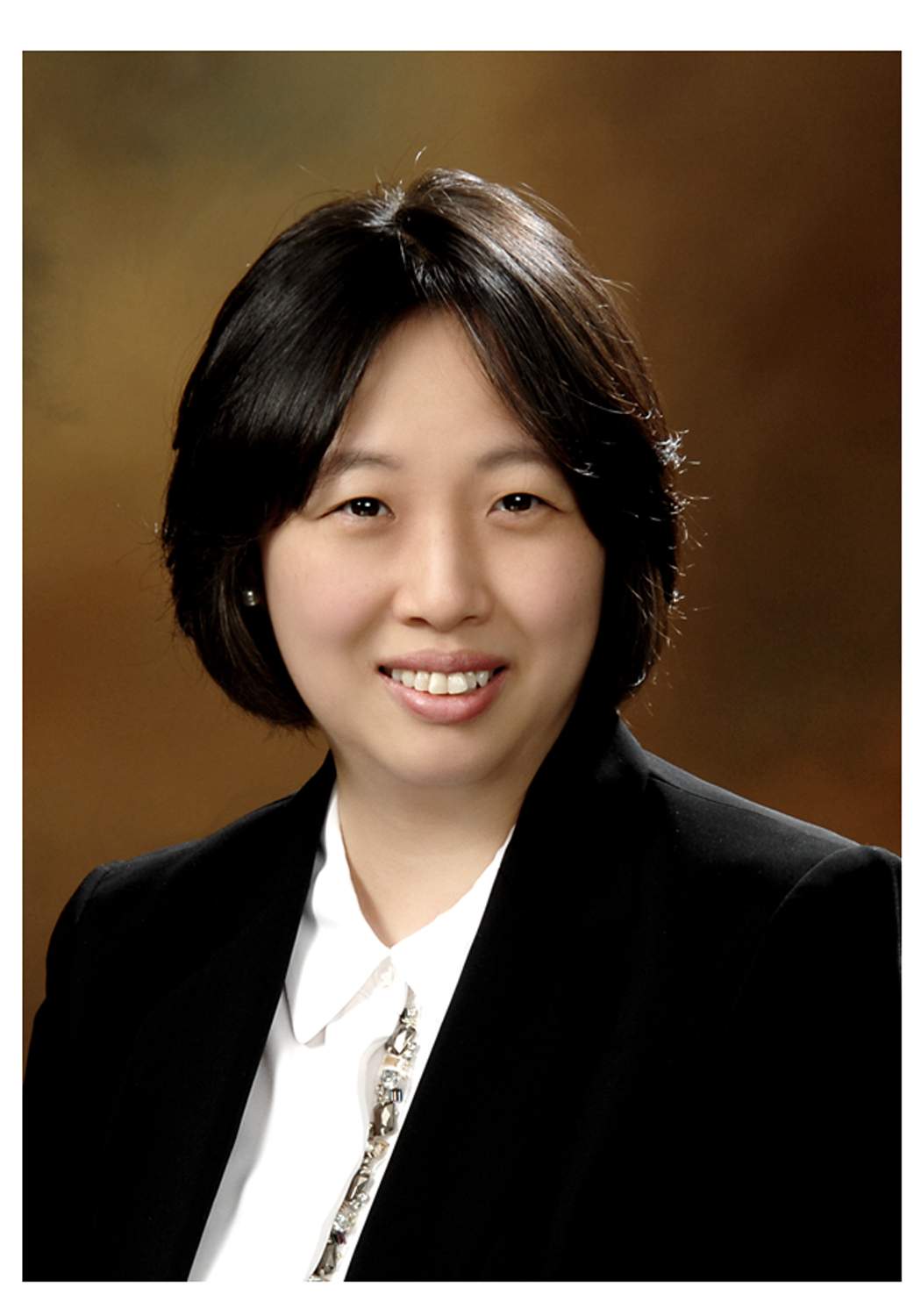
Jeeyun Kwon

This individual is a guest contributor. MEI is not able to assist with contact requests.

Jeeyun Kwon

Dr. Jeeyun Kwon is the Associate Director and a Lecturer at the Torch Trinity Center for Islamic Studies (TTCIS) in Seoul, South Korea. Her research focuses on the role of religion in socio-political development as well as Islam and evangelical missionary activity in Christianity. She is the author of numerous journal articles and book chapters on Muslims in Korea as well as Christian and Muslim missionary activity.

The Latest from Jeeyun Kwon

تصفية حسب
2 Results
South Korea’s “Yemeni Refugee Problem”
  • التحليل
  • South Korea’s “Yemeni Refugee Problem”

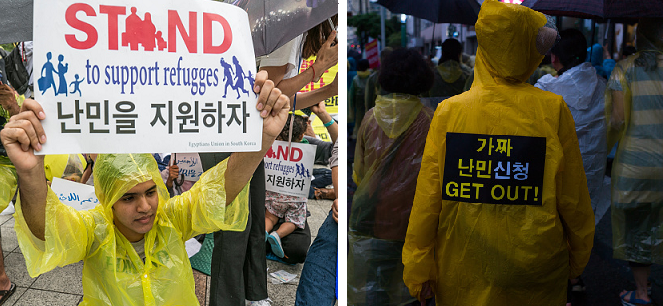
    South Korea’s experience with the current global refugee crisis began in 2018 with the arrival of around 550 Yemeni citizens on Jeju Island using the visa-free entry system. Before even developing a clear understanding of the asylum applicants, much of the Korean public hastily leaped to fearful conclusions about the new arrivals inspired by Europe’s experience with Islamic terrorism and populist anti-refugee rhetoric found in other countries. The impact of this discourse has brought significant attention and public concern regarding Muslim refugees in Korea. This article examines the Korean debate over accepting Yemeni refugees by detailing how the Korean public and government have responded since 2018. It traces the arrival of Yemeni refugees, how different Korean groups reacted, and concludes with a discussion of what efforts are needed to resolve the dispute.


    April 23, 2019

    The Rise of Korean Islam: Migration and Da‘wa
    معهد الشرق الأوسط
  • التحليل
  • The Rise of Korean Islam: Migration and Da‘wa

    In 2001, there were only 34,000 Muslims living in Korea; today there are more than 150,000. Furthermore, there are over 45,000 ethnic Korean Muslims. In contrast to Europe, where over a thousand years of political, cultural, and religious interactions have shaped social attitudes toward Islam, Korea’s Muslim population remains relatively unnoticed, comprising only 0.3 percent of the total Korean population. However, Islam in Korea is in the midst of great change. With the continuing increase in international migration over the past decade from Muslim-majority countries, the Korean Muslim community is transforming into a significant social and religious force.

    May 19, 2014


