تمت ترجمة هذا النص بواسطة الذكاء الاصطناعي وقد يحتوي على أخطاء.
تخطي إلى المحتوى

Joelle M. Abi-Rached

This individual is a guest contributor. MEI is not able to assist with contact requests.

Joelle M. Abi-Rached

Joelle M. Abi-Rached, MD, MSc, PhD, is currently Lecturer in History of Science at Harvard University as well as an Associate Researcher at the Paris Institute of Political Studies. She previously held a postdoctoral fellowship at Columbia University’s Society of Fellows, and was an invited researcher at the Ecole Normale Supérieure and the Ecole des Hautes Etudes en Sciences Sociales. She earned her Medical Doctorate from the American University of Beirut, an MSc in philosophy and public policy from the London School of Economics and Political Science, and a PhD in history of science from Harvard University. Her work focuses on the social, political, ethical and economic aspects of medical and psychiatric practices, public health, and global health. She co-authored with Nikolas Rose Neuro: The New Brain Sciences and the Management of the Brain (Princeton University Press, 2013). Her recent book, ‘Asfuriyyeh: A History of Madness, Modernity, and War in the Middle East (MIT Press, 2020), received the Jack D. Pressman-Burroughs Wellcome Fund Career Development Award in 20th Century History of Medicine or Biomedical Sciences awarded by the American Association for the History of Medicine.

The Latest from Joelle M. Abi-Rached

تصفية حسب
1 نتيجة
The case for COVID-19 public inquiries for the Arab world
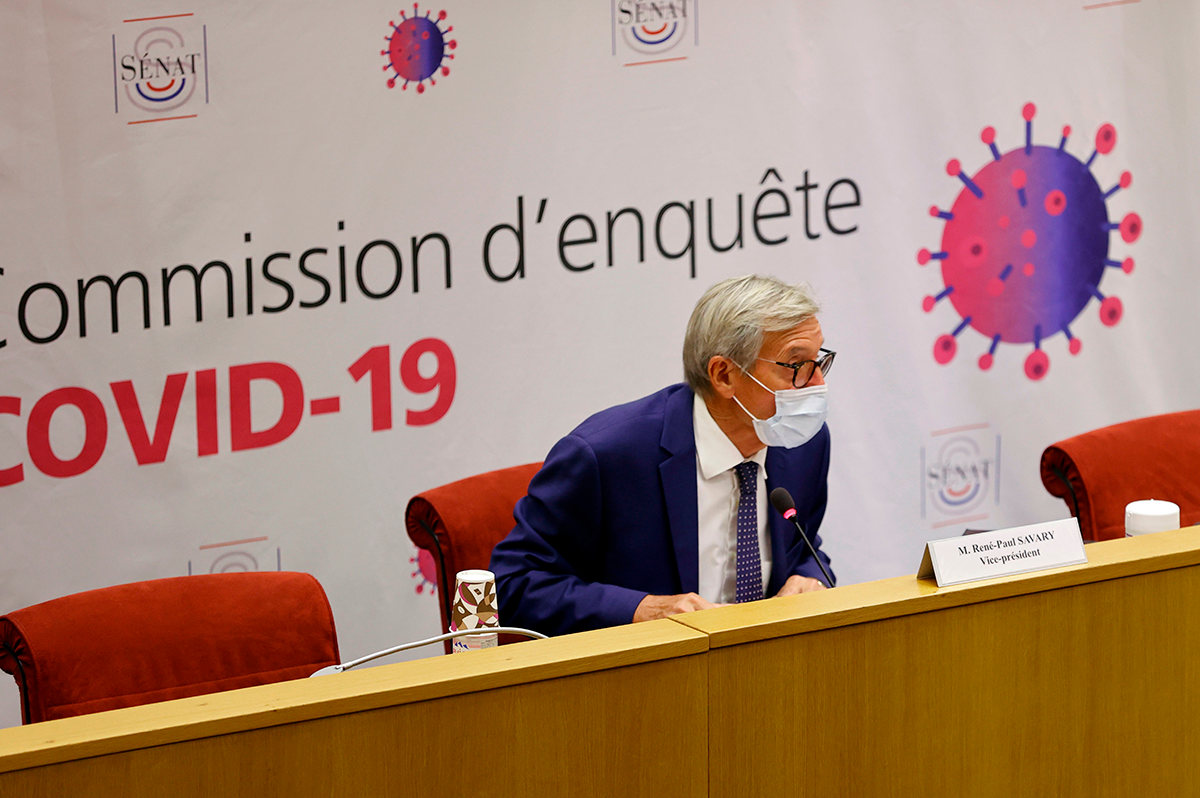
Photo by THOMAS SAMSON/AFP via Getty Images.
  • التحليل
  • The case for COVID-19 public inquiries for the Arab world

    The COVID-19 pandemic has revealed a number of weaknesses in government response, including a fragmentation of the decision-making process, inadequate consultation with experts, opacity of epidemiological data, as well as a lack of health care capacity, collective action, and general preparedness. Perhaps above all though, the pandemic has highlighted the inadequacy of communication with the public and their lack of involvement in the decision-making process. While the novel coronavirus caught all governments by surprise, some governments, especially those that enjoy high levels of trust (and not necessarily the wealthiest ones), have fared better than others. This has prompted some countries to hold public hearings to gain more insight into decision-making during the pandemic and rebuild trust in institutions. Strikingly but unsurprisingly, no country in the Arab world has yet called for a public inquiry into COVID-19. While this is even more relevant for countries that have traditionally enjoyed democratic governance and for countries that have suffered disproportionately rom the pandemic, this exercise could be useful for all Arab countries in regaining the trust needed to better respond to future crises.


    December 7, 2021

