This individual is a guest contributor. MEI is not able to assist with contact requests.
Joshua Levkowitz is a fellow for the Institute of Current World Affairs where he researches migration. His work has been featured in The Atlantic, Foreign Policy, and Al-Monitor, among others.
Naturalized Syrians are in the spotlight ahead of Turkey’s upcoming elections
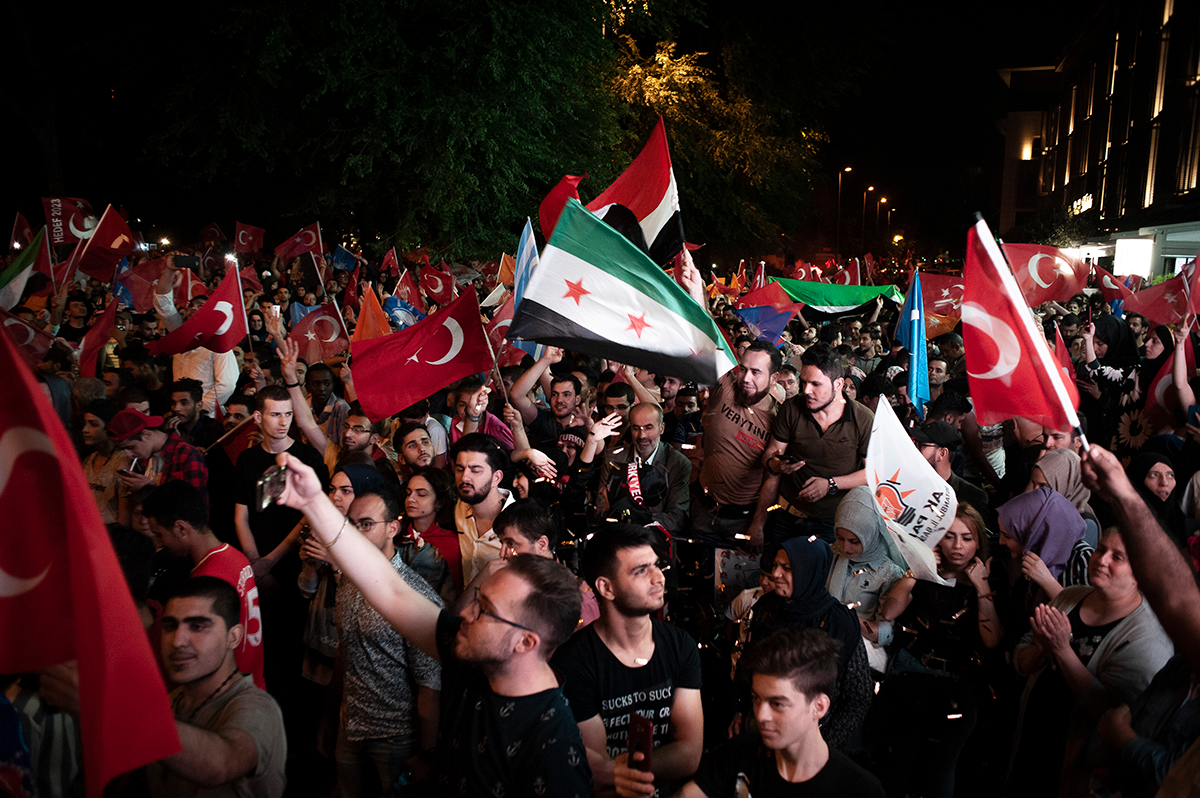
The most consequential elections in Turkey’s recent history are less than a month away, set to be held on May 14. While the more than 200,000 Syrians who have been granted Turkish citizenship since their arrival in the wake of the Syrian war will not play a significant role in determining the outcome given their numbers, migration is a top campaign issue, putting them at the heart of the vote.
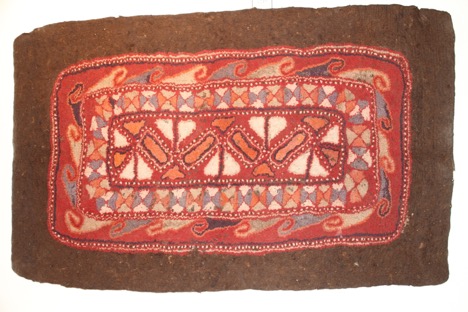
As Iraqi Kurds gain more autonomy than ever in modern history, they seem to be losing their cultural heritage. This is exemplified best by the disappearing tradition of Kurdish carpet weaving.
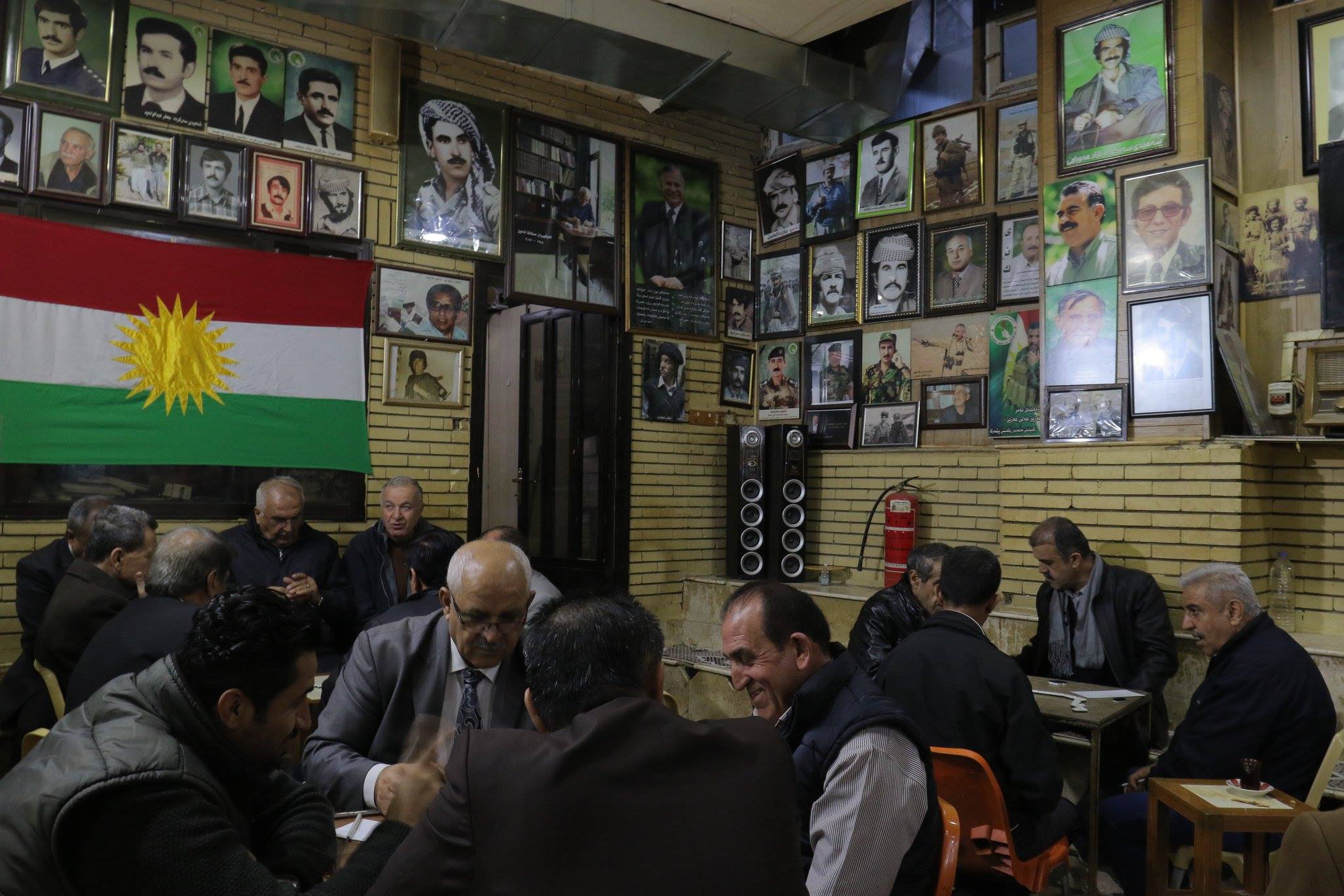
In Iraqi Kurdistan, there’s more than just tea brewing in the teahouse
Teahouses are at the heart of Kurdistan’s culture and are linked to the Kurdish collective memory of struggle and oppression, making them a central part of contesting narratives about progress, change, and tradition.
Iraq wilting: How creeping drought could cause the next crisis
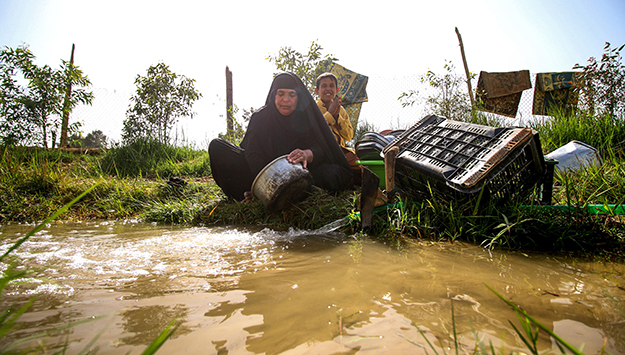
Nabil Musa learned how to swim and fish in the Tanjero River in the city of Sulaymaniyah, Iraq. The Tanjero eventually joins the Tigris River, which, together with the Euphrates River, gave life to Mesopotamia.
Revitalized coffee economy provides Yemen a boost amid conflict
Yemen’s national emblem depicts a relief of the Marib Dam, Yemen’s greatest manmade feature—and a coffee plant, Yemen’s most storied natural resource. This is no coincidence. Coffee drinking, as we know it today, originated in Yemen in the 15th century when Sufis discovered red coffee berries in the country’s mountain highlands.
In the Crowded Arena of Tuareg Rockers, Mdou Moctar Stands Tall
Mdou Moctar recently finished his first U.S. tour. In his three October performances in Washington, he set out to do a lot. Pickless, his kinetic guitar licks bounced around the stage, bringing his audience thousands of miles away to the Sahara desert. His calm, welcoming voice sang about the struggles and hopes of his divided homeland.
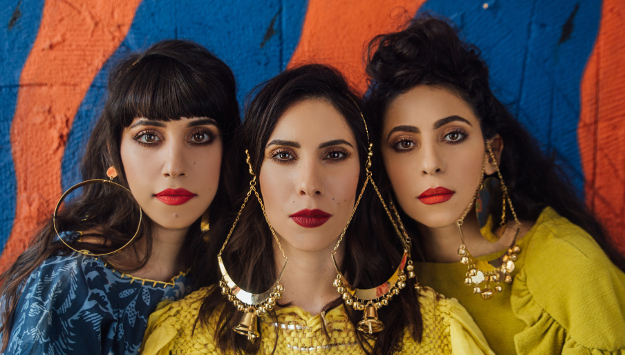
Yemenite pop music has seen a resurgence. The band A-Wa (pronounced “ai-wah,” informal Arabic for “yes!”) and their infectious blend of Yemenite folk, electronic, and hip-hop music can be heard all over the world—from Cairo taxi cabs to Dubai pool parties and Parisian nightclubs. The band, whose mission is to elevate Yemenite music on the international stage, is composed of three Israeli sisters of Yemenite heritage.
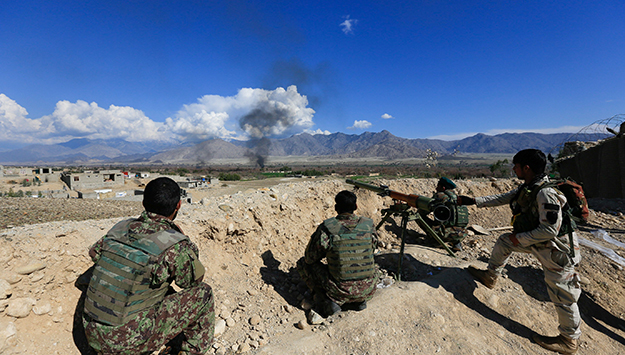
Accusations are mounting that Iran is ramping up its engagement with the Taliban in Afghanistan. Like a lot of Iran’s murky foreign policy, it is difficult to separate the wheat from the chaff. The three questions that need to be answered to clear up the murky relationship between Iran and the Taliban are: why the change in Iran’s policy; when did this policy change occur; and what is the level of support afforded to the Taliban?
Peace in Yemen Requires Bridging North-South Divide
The Yemeni civil war, which began in March 2015, has become another quagmire in the Middle East with increasingly sectarian overtones. However, sectarianism is not the only dimension to this conflict. Indeed, the war has straddled a number of cleavages in Yemeni society, including the north-south divide. The Southern Nationalist Movement, an umbrella platform known locally as Hirak, presents a major obstacle to peace as it continues to call for secession for the south.
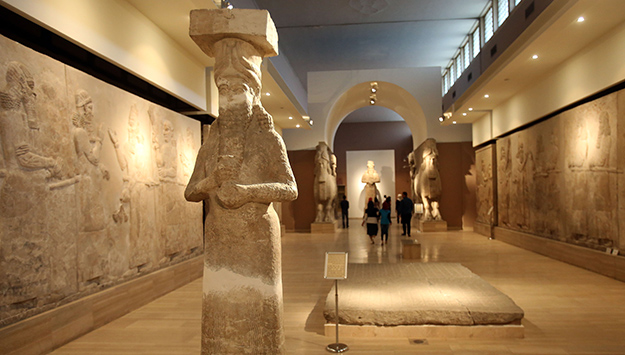
Ongoing conflict is robbing Iraq of both its future and its past by stripping the country of its tangible cultural heritage.[1] The Islamic State, as part of its strategy, is deliberately seeking to erase all aspects of Iraqi identity which compete with its own dogma. Iraq’s cultural heritage faces additional threats in the form of illicit looting, vandalism, government neglect, and political infighting.
Shoot Film, Not Bullets: Yemenis Turn to Art to Cope with Conflict
Yemen’s war is a forgotten catastrophe. Peter Maurer, the president of the International Committee of the Red Cross, stated in August: “Yemen after five months looks like Syria after five years.” All too commonly, civilians are bearing the brunt of the violence in Yemen. According to the United Nations, more than 2,700 people have been killed and more than 5,000 wounded. Schools, hospitals, and roads have been destroyed by the Saudi-led air campaign.