This individual is a guest contributor. MEI is not able to assist with contact requests.
M. Murat Kubilay is an independent financial advisor on the Turkish economy. His M.S. thesis and Ph.D. dissertation subjects are both on the international transmission of return and volatility in bond, stock, and currency markets. His previous job experiences include multi-asset fund management in Istanbul, Turkey and corporate advisory in London, Britain. He is a columnist in national media outlets in Turkey.
He has extensive knowledge of the financial and commercial structures of the Turkish economy and their relations with global supply chains and international capital markets. His analyses on the Turkish economy cover both the historical background and political framework.
What Comes Next for Turkey? Prospects for Change on the Political, Economic, and Foreign Policy Fronts
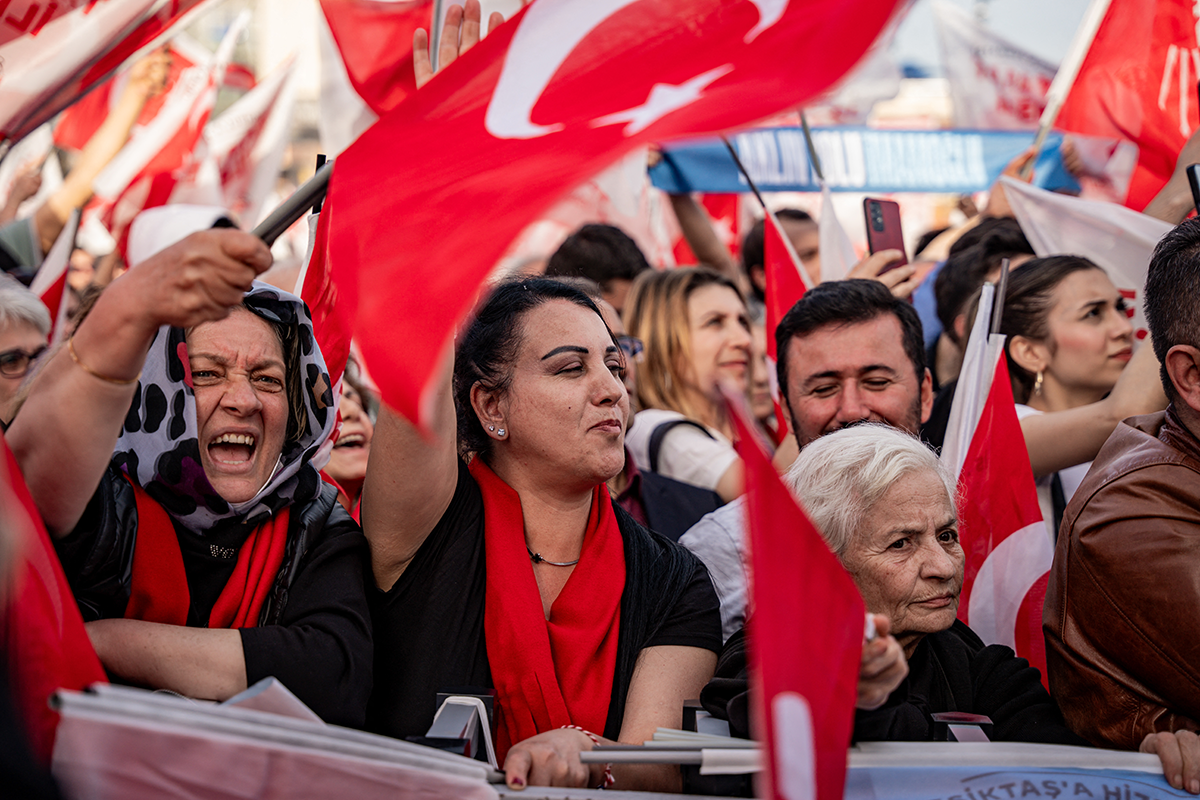
After two decades in power and following the Justice and Development Party’s historic defeat in the 2024 local elections, Turkish President Recep Tayyip Erdoğan is now at his most vulnerable. What comes next is not only important for the future prospects of Turkish democracy but also holds important lessons for autocrats across the world. Scholars Evren Balta, Seda Demiralp, Edgar Şar, and M. Murat Kubilay seek to answer key questions about the country’s political, economic, and foreign policy trajectory in a new report from the Middle East Institute.
The weight of past mistakes and the post-election push for economic normalization
For years under President Recep Tayyip Erdoğan, Turkey pursued an unconventional monetary policy. The situation, long untenable, finally became unsustainable in the run-up to the presidential and parliamentary elections in May 2023. In the immediate aftermath of the vote, President Erdoğan announced a dramatic shift, returning to orthodox monetary policy. While there have been tangible improvements on a number of fronts as a result, the country faces both declining household purchasing power in the short term and a range of broader economic challenges in the longer run.
The successes and failures of Turkey’s new economic team
It has been two months since Turkey’s new economic team took over and some progress has been made. Market normalization has begun and the risk of a balance-of-payments crisis has been reduced. At the same time, however, inflation is gaining new momentum, the budget deficit is sharply worsening, and no reform agenda has yet been announced to tackle these threats.
Turkey’s new economic team may take a more hawkish tone when it comes to tackling inflation and preserving financial stability through fiscal and monetary measures. However, investors and policymakers should not be naïve, as this approach will only be temporary or partial, aimed at winning the upcoming local elections.
The economic impact of Turkey’s elections: Six potential scenarios
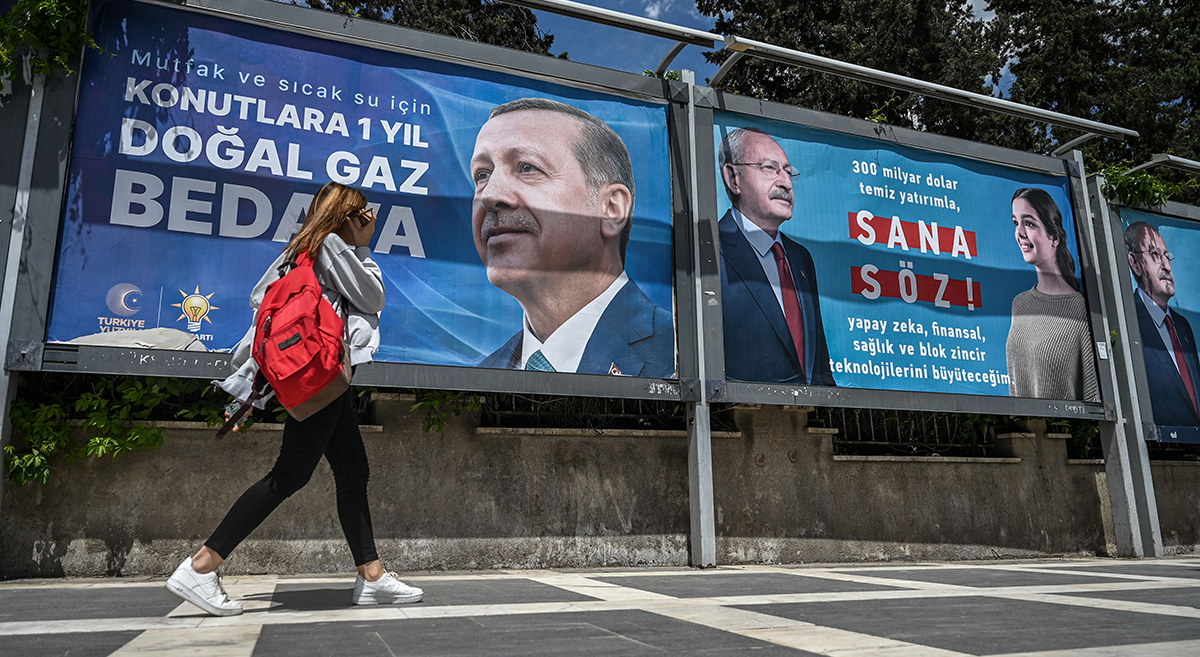
As Turkey heads to the polls for presidential and parliamentary elections this month, the consequences for its troubled economy are likely to be significant and wide-ranging. Financial stability, business confidence, purchasing power, and asset prices all depend on whether President Recep Tayyip Erdoğan’s two-decade-long rule will continue; at the same time these factors will also determine his chances for re-election. There are a number of potential election outcomes that could lead to greater uncertainty and volatility rather than clarity and stability.
Turkey's 2023 Elections: Perspectives on a Critical Vote
It is a cliché for politicians to claim that an upcoming election is the most critical vote in the history of the country. In Turkey’s case, however, the presidential and parliamentary elections on May 14 are indeed the most consequential ever. The prospects for Turkey’s democratic future are at stake.
Turkey’s crisis management playbook: Donations, reconstruction, and inflation with an eye on elections
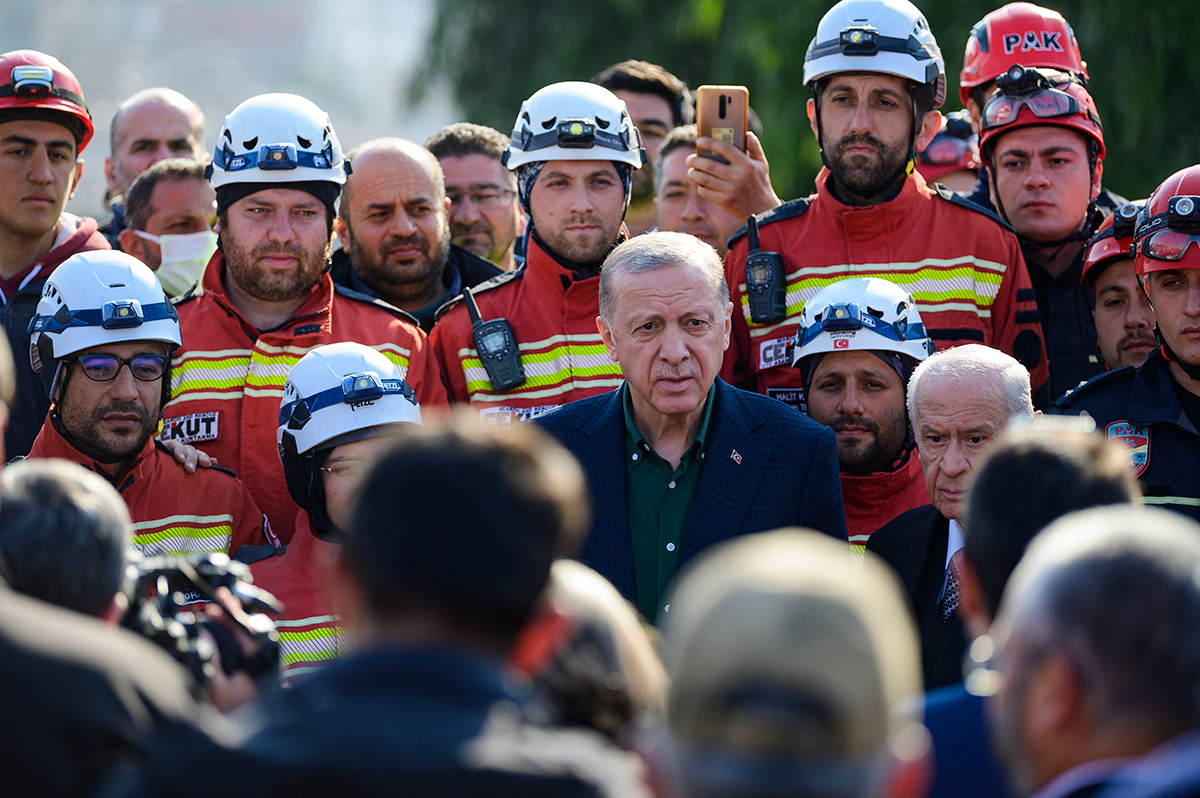
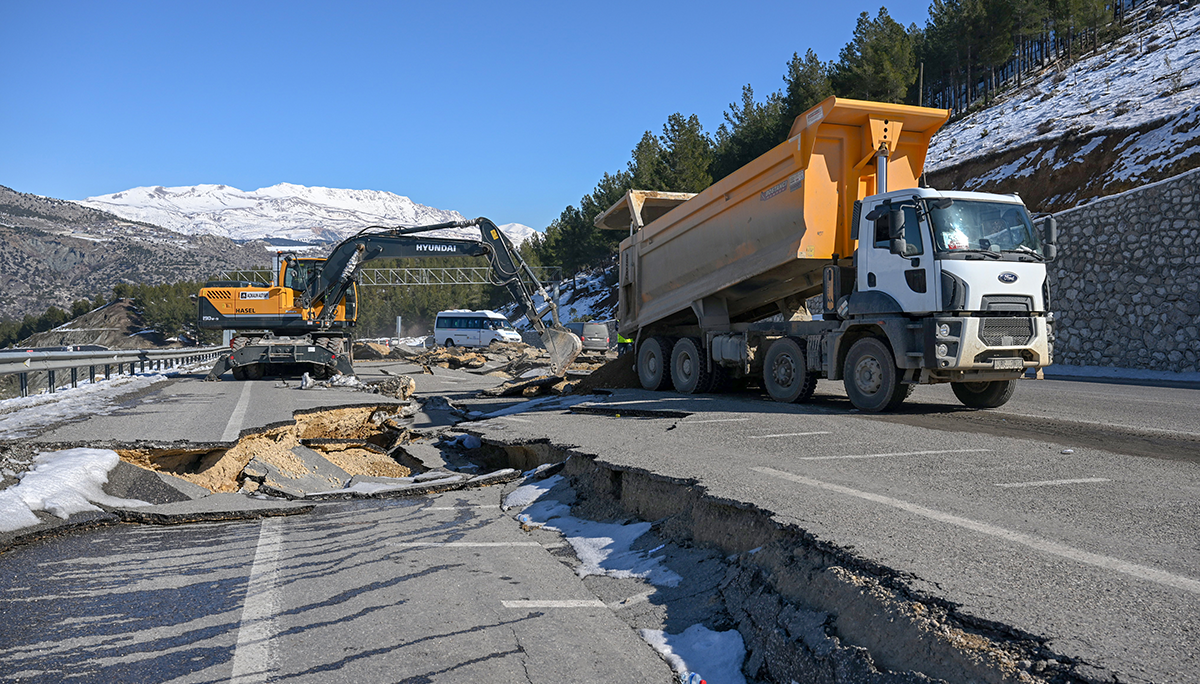
Turkey has suffered severely from the two major earthquakes on Feb. 6, 2023. The death toll is a record high, exceeding 45,000. Physical damage from the earthquakes will cost at least $20 billion. GDP growth will be 2.0-2.5% less than forecast before the disaster, adding nearly $20 billion. The combined economic losses due to damaged assets and slower growth expectations may end up being much higher than $40 billion when the government releases a detailed and reliable disaster loss report covering human resources.
Already vulnerable, Turkey’s economy now faces massive earthquake recovery costs
After a difficult year, things finally seemed to be looking up for Turkey’s beleaguered economy in early 2023. But then on Feb. 6 the worst happened: Turkey and Syria were hit by a pair of massive earthquakes, resulting in tens of thousands of deaths and untold damage. How did Turkey’s economy stabilize in second-half 2022, what do we know about the economic impact of the earthquakes, and where might things be headed going forward?
As liquidity problems worsen, Turkey turns to capital controls and informal FX flows
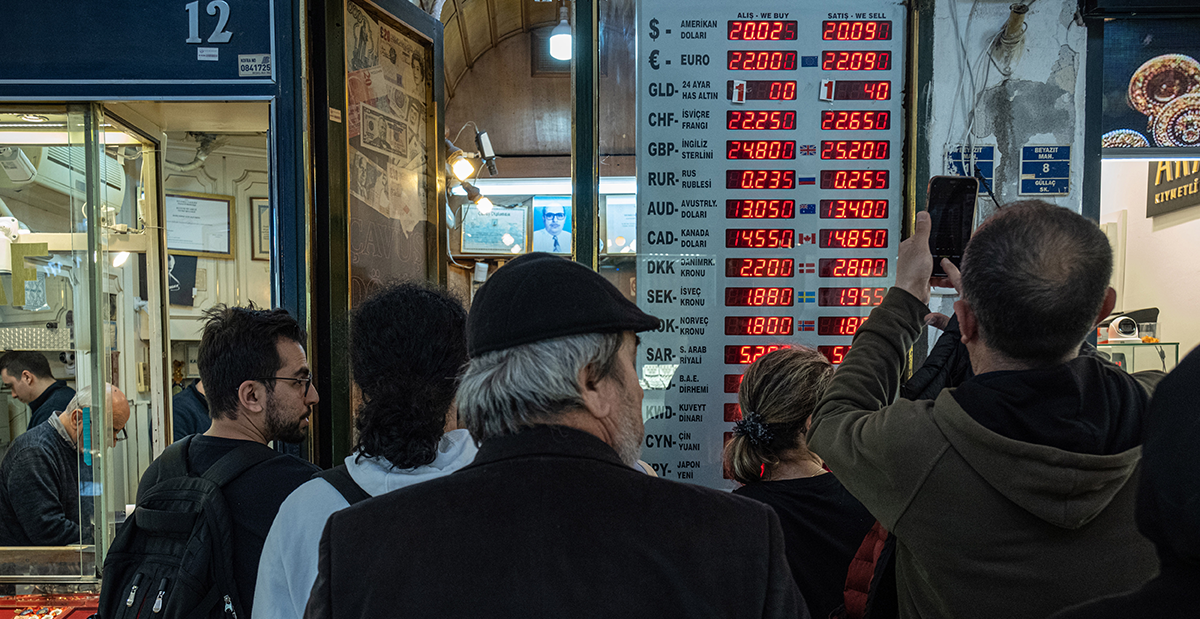
The Turkish economy’s foreign exchange liquidity problem is getting worse. The current account balance has been in the red this year with a monthly deficit of around $5 billion. The government has so far managed to avoid a repeat of the December 2021 currency shock by restricting capital mobility, further tightening regulations in October 2022.
Over the past decade, Turkey has been on a steadily downward economic trajectory. Throughout this long period of turmoil the government has pursued a range of different economic policies, most of which were inconsistent with one another. The transition to a presidential system under Erdoğan has had a disastrous impact on Turkey’s economic institutions and administration. This paper explores the impact of the presidential system on the Turkish economy, the country’s economic outlook, and potential solutions to the current crisis, as well as the opposition’s role and ability to implement them, with an eye to the June 2023 elections.
As Turkey’s economic woes worsen, a new currency crisis is approaching
Turkey’s economic problems continue to go from bad to worse. Its foreign trade deficit has reached a monthly average of $8 billion this year. Amid the sharp rise in global energy prices this spring following Russia’s invasion of Ukraine, the country’s average gross energy imports shot up from $3-4 billion per month to $7-8 billion. A reduction in energy imports and the recovery of tourism this summer have not offset this, and the current account deficit continues to widen.
The Ukraine war has upended Turkey’s plans to stabilize the economy
The war in Ukraine couldn’t have come at a worse time for the Turkish economy. Amid the country’s ongoing economic crisis, the government has been implementing extraordinary and unconventional monetary and fiscal policies.
عقب استقالة وزير المالية واستبداله بأحد الموالين للرئيس رجب طيب أردوغان في الثاني من ديسمبر/كانون الأول، واصلت الليرة التركية تراجعها المطرد أمام الدولار، لتصل خسائرها خلال العام إلى قرابة 50٪. من جديد تقع العملة التركية تحت وابل من المضاربات، على غرار الحلقات السابقة في يوليو/تموز 2018 وأكتوبر/تشرين
Following the resignation of the finance minister and his replacement by a loyalist on Dec. 2, the Turkish lira continued its steady decline against the dollar, bringing its losses for the year to nearly 50%. The Central Bank of the Republic of Turkey’s early cuts to the policy rate since September have resulted in an exodus of foreign capital and a rush in demand for foreign exchange among domestic investors.
What’s driving Turkey’s early easing of monetary policy?
At its Sept. 23 meeting, the Central Bank of the Republic of Turkey (CBRT), in a surprise move, cut its policy rate (1-week repo rate) 100 basis points to 18.00%, while headline inflation was 19.25% (currently 19.58%). This is an interesting development as most central banks around the world have just started preparing to implement tighter policies.