MENA coronavirus update: The region faces an unprecedented crisis
11 scholars and experts from across MEI weigh in with the latest on how the coronavirus pandemic is affecting the Middle East.
استفسارات الصحافة: [email protected]
Marvin G. Weinbaum is a senior fellow at the Middle East Institute (MEI), specializing in Afghanistan, Pakistan, and Iran. He is professor emeritus of political science at the University of Illinois at Urbana-Champaign, where he directed the university’s Program in South Asian and Middle Eastern Studies for 15 years.
Dr. Weinbaum’s research and teaching have centered on national security, state building, democratization, and political economy in South Asia. He is the author or editor of six books and has contributed over 100 scholarly journal articles and book chapters on Afghanistan, Pakistan, and broader regional issues.
From 1999 to 2003, Dr. Weinbaum served as an analyst for Pakistan and Afghanistan in the US Department of State’s Bureau of Intelligence and Research. He has also held Fulbright research fellowships in Egypt (1981–82) and Afghanistan (1989–90), and served as a senior fellow at the United States Institute of Peace in 1996–97. Over the course of his career, Dr. Weinbaum has received research awards from the Social Science Research Council, the Ford Foundation, the American Political Science Association, and other major funding institutions.
He holds a PhD from Columbia University, an MA from the University of Michigan, and a BA from Brooklyn College.
11 scholars and experts from across MEI weigh in with the latest on how the coronavirus pandemic is affecting the Middle East.
From Morocco to Afghanistan, the scholars and experts at MEI take a closer look at how the COVID-19 coronavirus pandemic is affecting the Middle East.
With intra-Afghan talks in question, the peace process appears in limbo.
It is a near truism that U.S. relations with Pakistan have been historically unstable, waxing and waning, climbing to heights of interdependence and sinking to mutual recrimination. Yet this is presently a period unmarked by either high promise or driven by crisis. Rather than a reason, however, for leaving the relationship untouched and unexamined, this can be a time of unusual opportunity to create a more deliberative approach to thinking about the bilateral relationship and for shaping fresh initiatives.
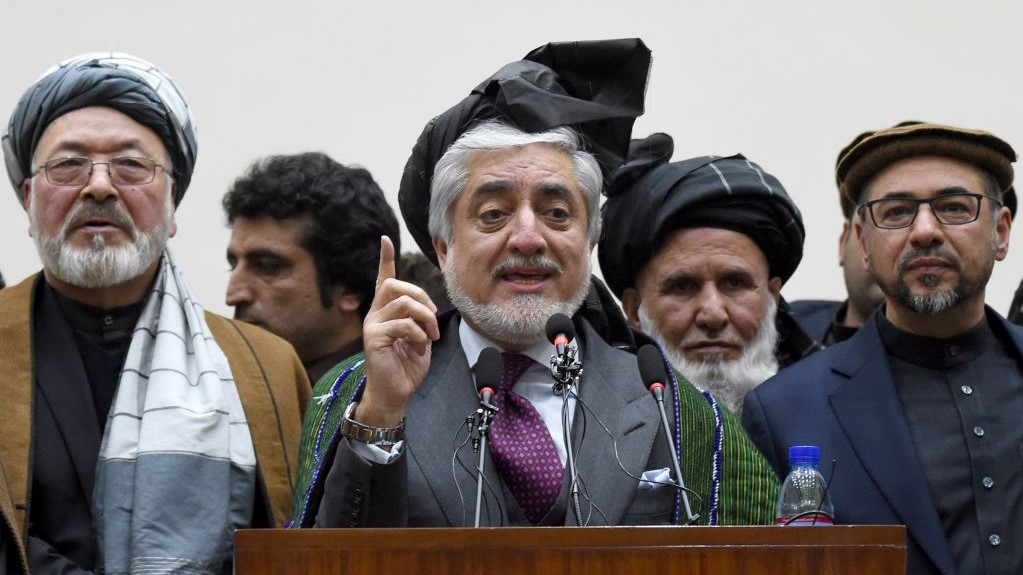
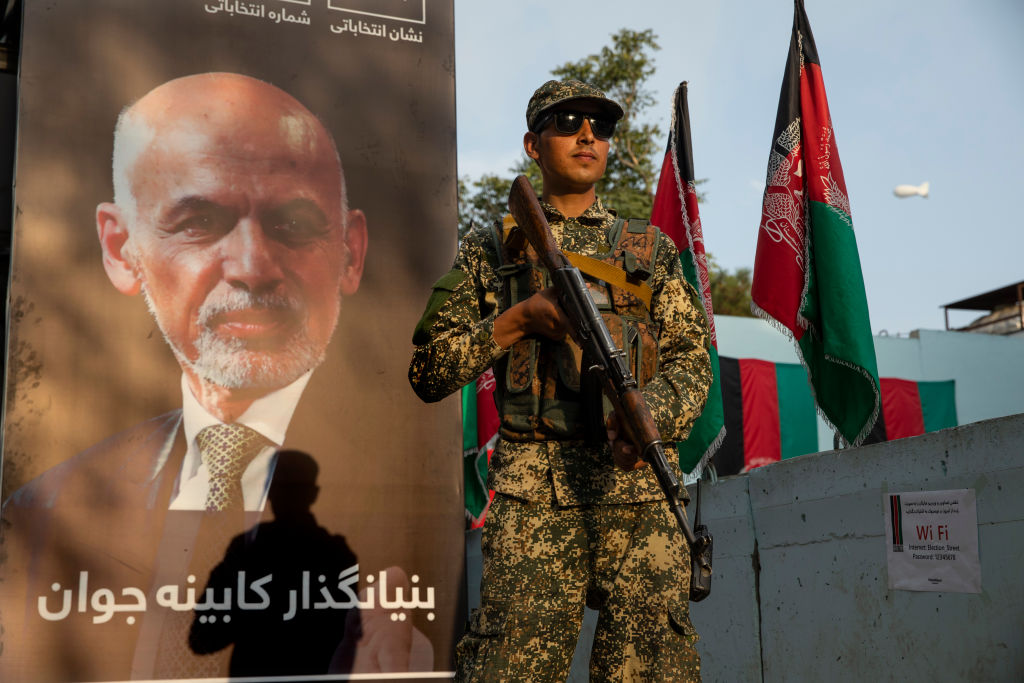
While President Ashraf Ghani’s regime refuses to give ground, the risk of nationwide disturbances is very real.
Whatever else it may do, the pending agreement is intended to provide the political cover for a U.S. departure from Afghanistan at an opportune time with this an election year.
The picture of how the two Pakistani Taliban leaders died is hazy and who killed them uncertain.
The Taliban still apparently balk at an accord that makes any provision for the retention of an American counter-terrorism force.
Fourteen MEI scholars weigh in on the key Middle East policy issues and developments for the year ahead.
The commitment by its foreign benefactors to underwrite the Afghan regime’s viability and ability to withstand Taliban insurgency is in serious doubt.
Twelve MEI scholars run down the major developments in the Middle East in 2019.
With the 2020 American presidential elections looming, the U.S. seems poised to accept virtually any withdrawal deal, even a bad one.
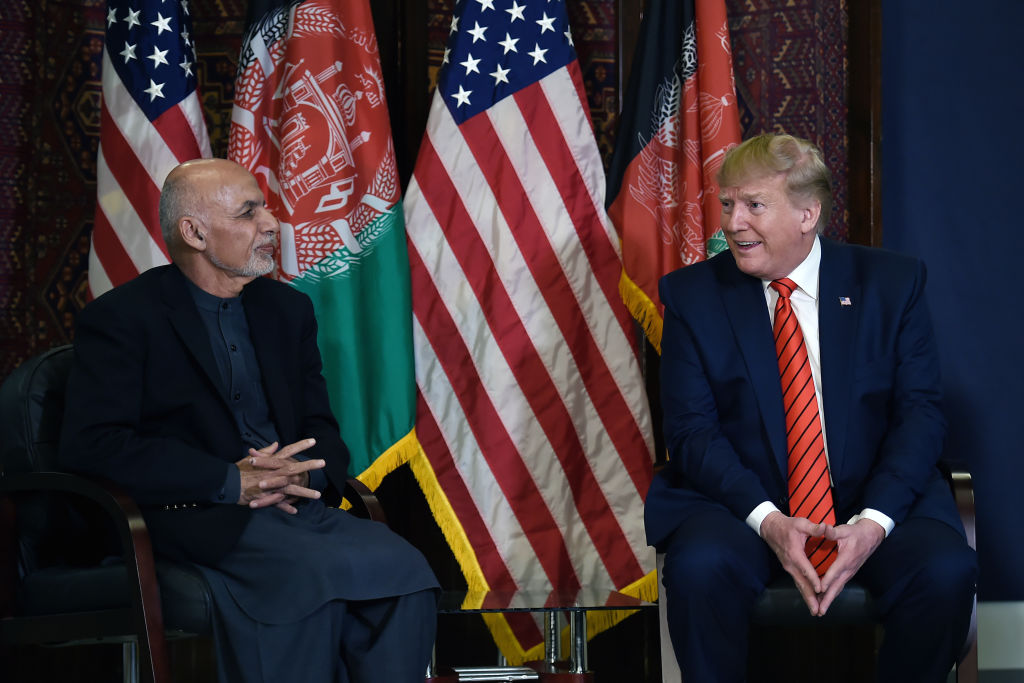
President Donald Trump’s lightning fast roundtrip to Bagram airbase north of Kabul had its share of surprises. In addressing troops, he confirmed previous reports that talks are once again underway with the Taliban, but then went on to inject a ceasefire as a condition for a new agreement.
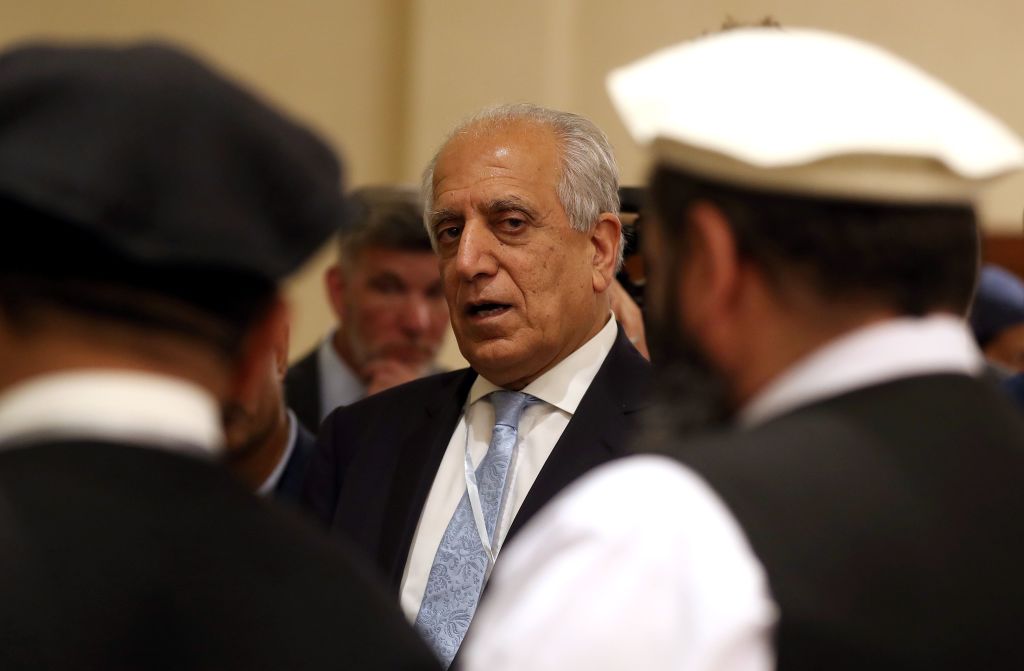
Last week saw the Taliban’s release of two kidnapped professors in exchange for the Kabul government’s freeing of three prized Taliban prisoners. While the swap may have been necessary on humanitarian grounds, it was unfortunate otherwise. Rather than defending the swap on its own merits, Kabul and Washington are hailing the exchange as a possible breakthrough following the collapse of the Doha agreement and the stalling of planned intra-Afghan discussions.
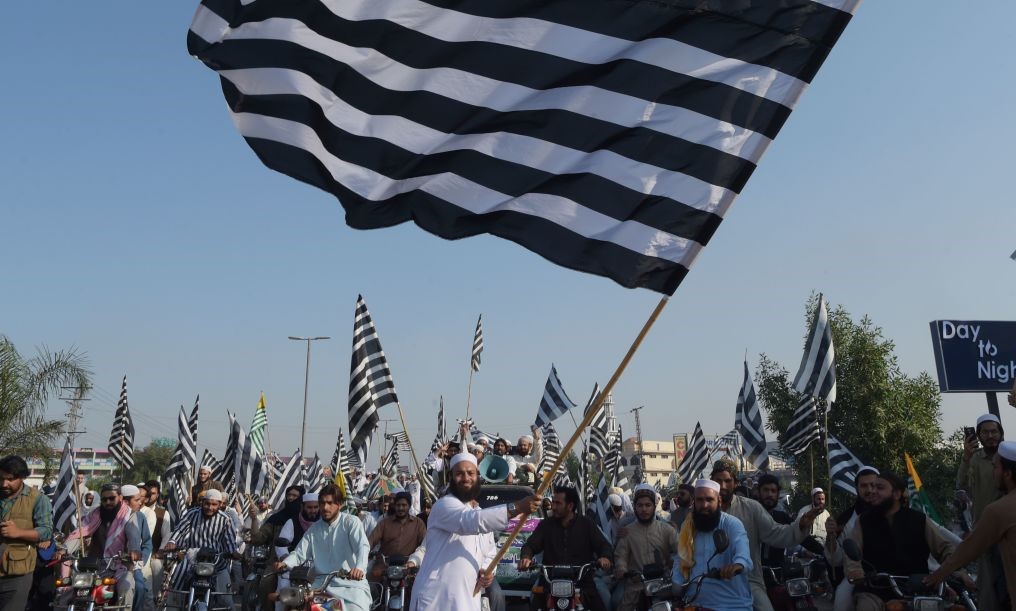
While there is probably zero chance Prime Minister Khan will step down, efforts will persist in trying to delegitimize those in power because this is what Pakistan’s opposition parties seem best programmed to do.