Marvin G. Weinbaum is a senior fellow at the Middle East Institute (MEI), specializing in Afghanistan, Pakistan, and Iran. He is professor emeritus of political science at the University of Illinois at Urbana-Champaign, where he directed the university’s Program in South Asian and Middle Eastern Studies for 15 years.
Dr. Weinbaum’s research and teaching have centered on national security, state building, democratization, and political economy in South Asia. He is the author or editor of six books and has contributed over 100 scholarly journal articles and book chapters on Afghanistan, Pakistan, and broader regional issues.
From 1999 to 2003, Dr. Weinbaum served as an analyst for Pakistan and Afghanistan in the US Department of State’s Bureau of Intelligence and Research. He has also held Fulbright research fellowships in Egypt (1981–82) and Afghanistan (1989–90), and served as a senior fellow at the United States Institute of Peace in 1996–97. Over the course of his career, Dr. Weinbaum has received research awards from the Social Science Research Council, the Ford Foundation, the American Political Science Association, and other major funding institutions.
He holds a PhD from Columbia University, an MA from the University of Michigan, and a BA from Brooklyn College.
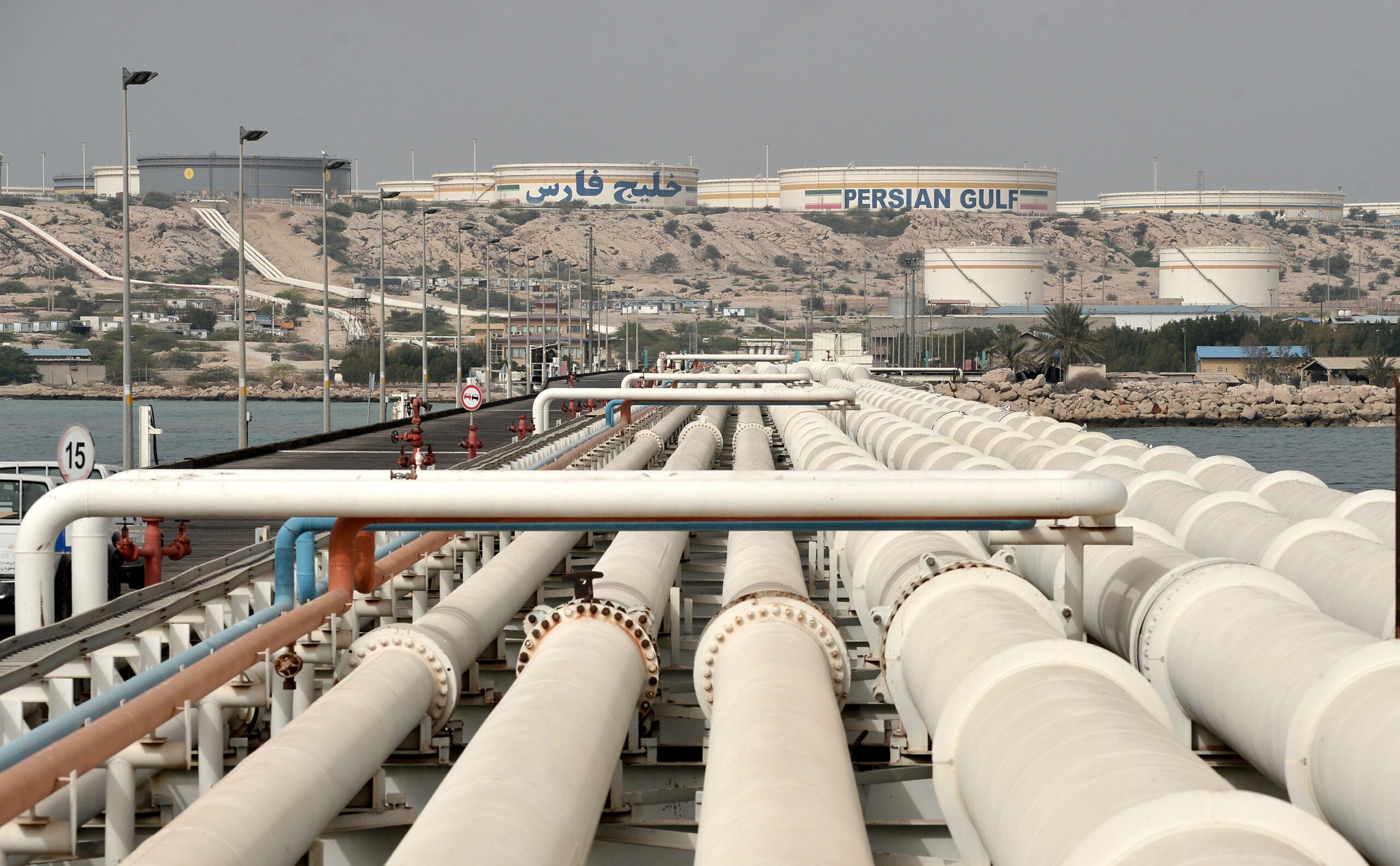
Monday Briefing: US and key partners on course for conflict over Iran oil waivers
In this week’s Monday Briefing, MEI experts Gerald Feierstein, Marvin G. Weinbaum, Randa Slim, Emadeddin Badi, and Robert S. Ford provide analysis on recent and upcoming events including the US decision to end Iran oil waivers, the flagging Afghan peace process, Iraq’s evolving regional policy, the status of General Hifter’s offensive in Libya, and Russia’s maneuvering to control the upcoming Syria talks in Astana.
In this week’s Monday Briefing, MEI experts Robert S. Ford, Mirette F. Mabrouk, Nathan Stock, Marvin G. Weinbaum, and Jean-François Seznec provide analysis on recent and upcoming events including the government shakeup in Algeria, Egyptian President el-Sissi’s visit to Washington, rocket attacks from Gaza, Imran Khan’s war against poverty, and a $69 billion merger between Saudi Arabia’s oil and chemical giants.
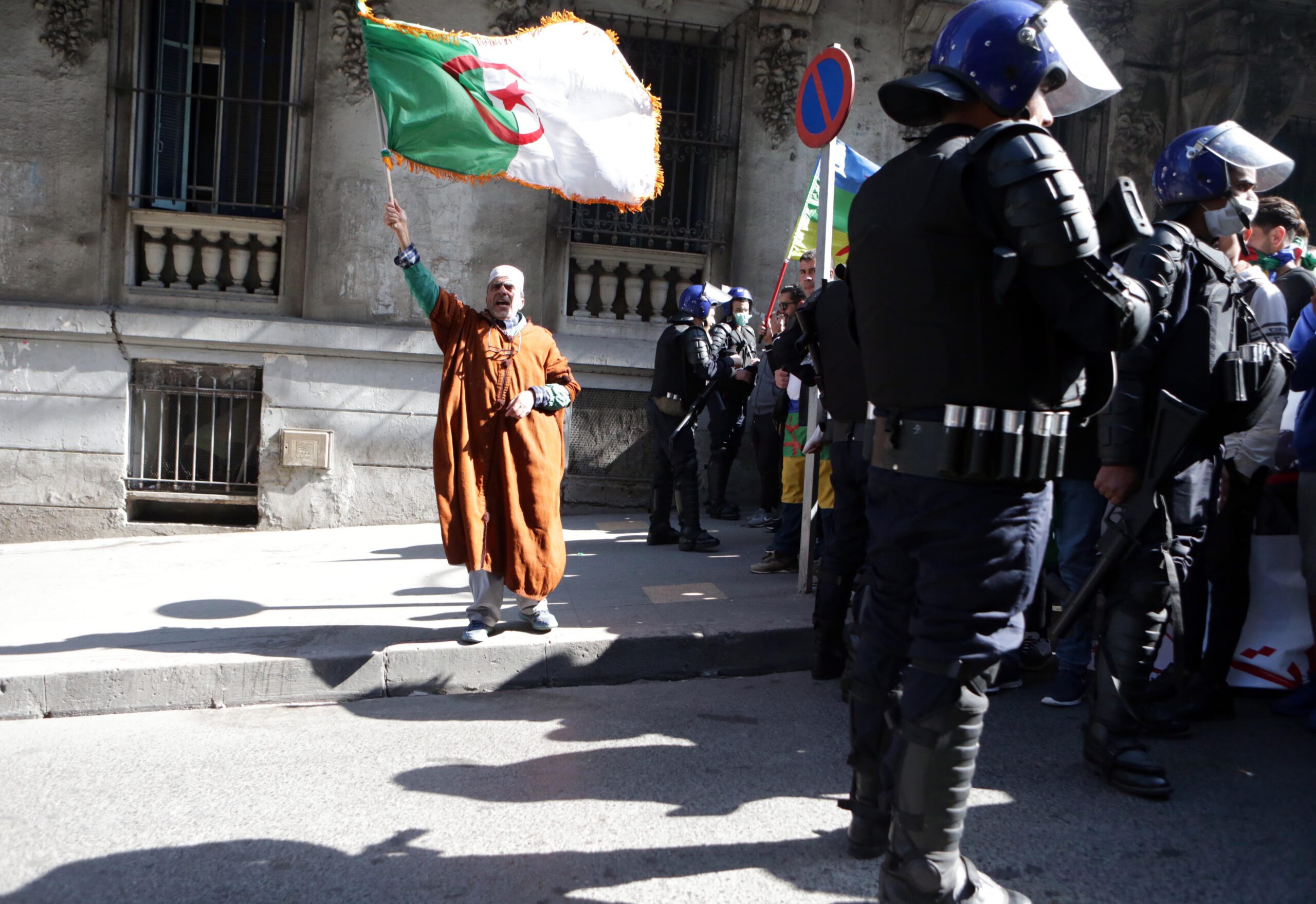
Monday Briefing: Algeria's political crisis is deepening
In this week’s Monday Briefing, MEI experts Robert S. Ford, Paul Salem, Marvin G. Weinbaum, Wa’el Alzayat, and Alex Vatanka provide analysis on recent and upcoming events including Algeria’s ongoing political crisis, the 16th anniversary of the U.S.-led invasion of Iraq, criticism of the U.S.-Taliban talks by Afghanistan’s national security advisor, international fundraising efforts to aid Syria, and Iranian President Hassan Rouhani’s fading political clout.
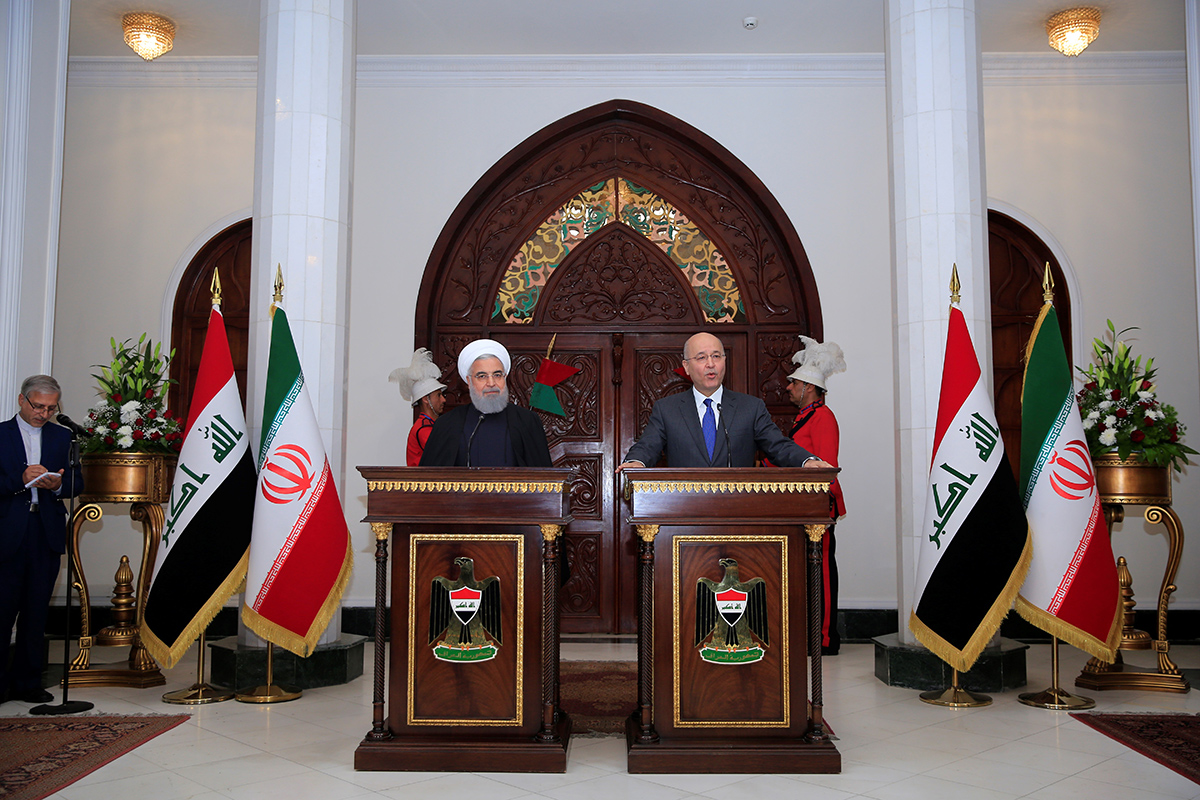
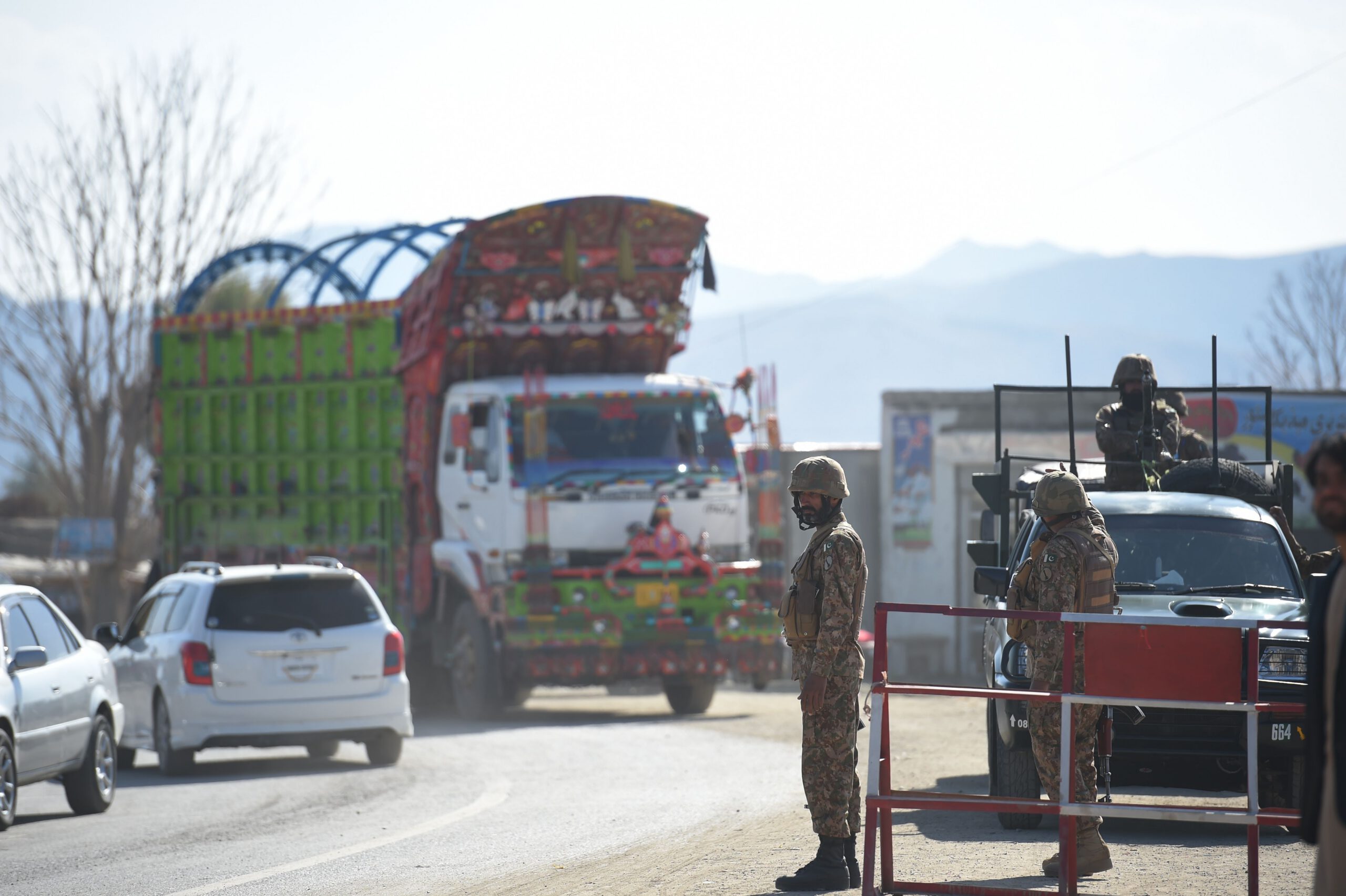
In this week’s Monday Briefing, MEI experts Randa Slim, Robert S. Ford, Marvin G. Weinbaum, James P. Farwell, Emadeddin Badi, Guney Yildiz, and Jean-François Seznec provide analysis on recent and upcoming events including Iranian President Hassan Rouhani’s visit to Baghdad, reconstruction efforts in Syria, the crackdown on militant Islamists in Pakistan, Iran’s cyber attack capabilities, upcoming elections in Libya, Turkish-Egyptian tensions, and Qatar’s $12B loan from bond markets.
Monday Briefing: Tenuous promise in Pakistan and Afghanistan
In this week’s Monday Briefing, MEI experts Marvin G. Weinbaum, Robert S. Ford, Alex Vatanka, and Birol Baskan provide analysis on recent and upcoming events including a potential agreement between Pakistan and Afghanistan, protests in Algeria, Rouhani’s planned trip to Baghdad, and recent Turkish naval exercises.
Monday Briefing: Egypt hosts first EU-Arab League summit
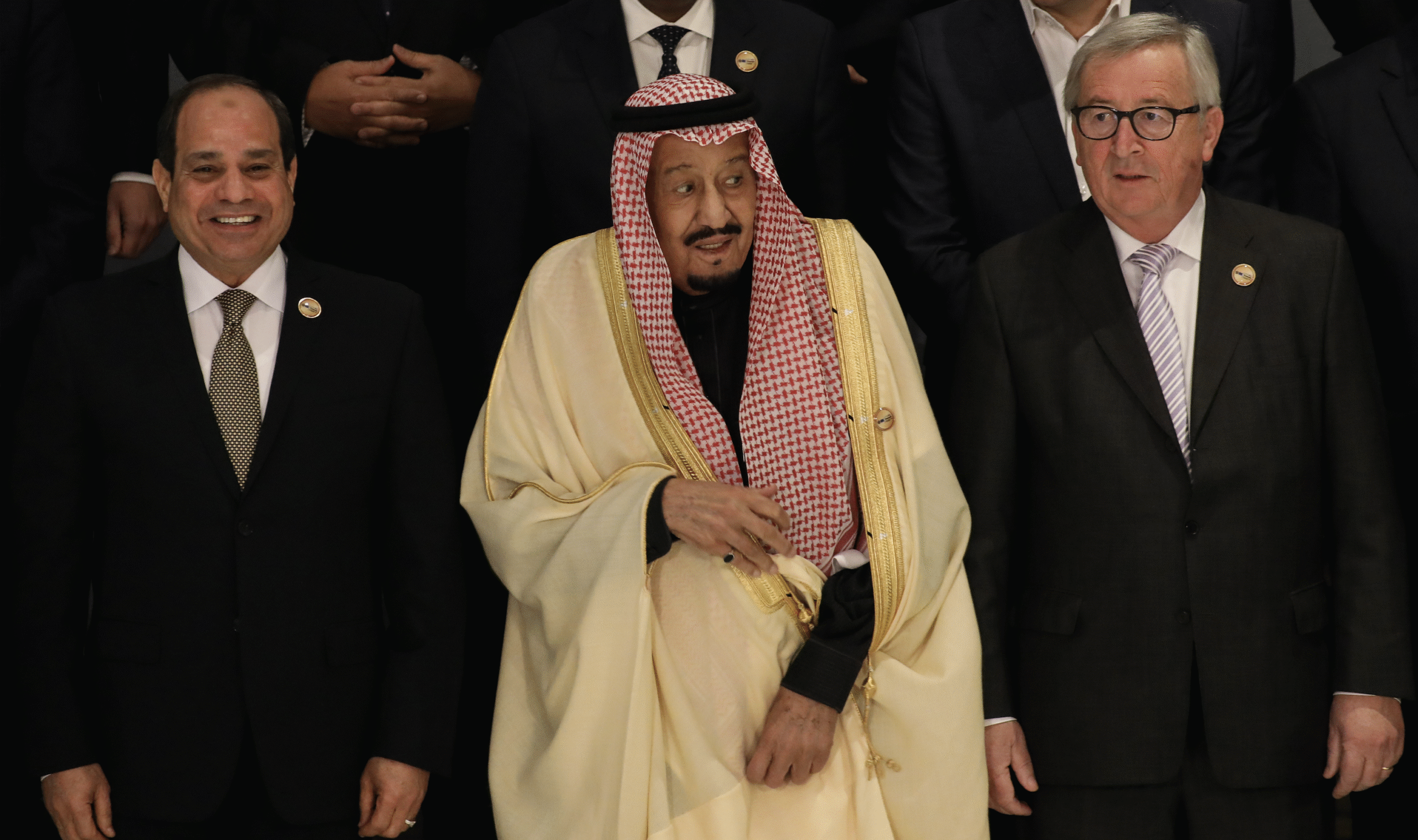
In this week’s Monday Briefing, contributors Mirette F. Mabrouk, Gerald Feierstein, Marvin G. Weinbaum, Przemysław Osiewicz, Grace Wermenbol, and W. Robert Pearson provide analysis on recent and upcoming events including the EU-Arab League summit, the progress in US-Taliban talks, challenges to Israeli Prime Minister Benjamin Netanyahu’s power, consequences of the Kashmir attack, and Turkey’s next steps in Syria.
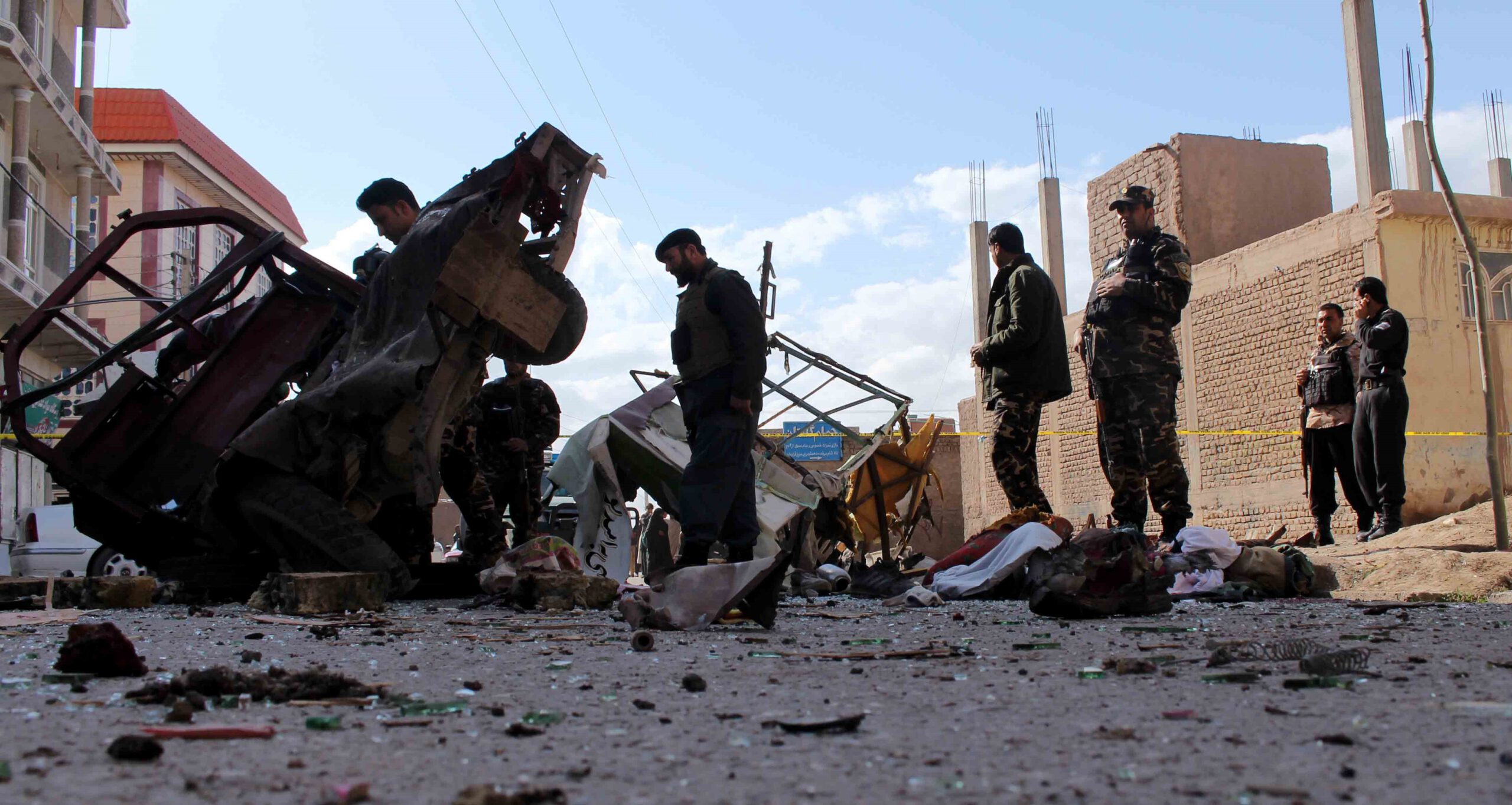
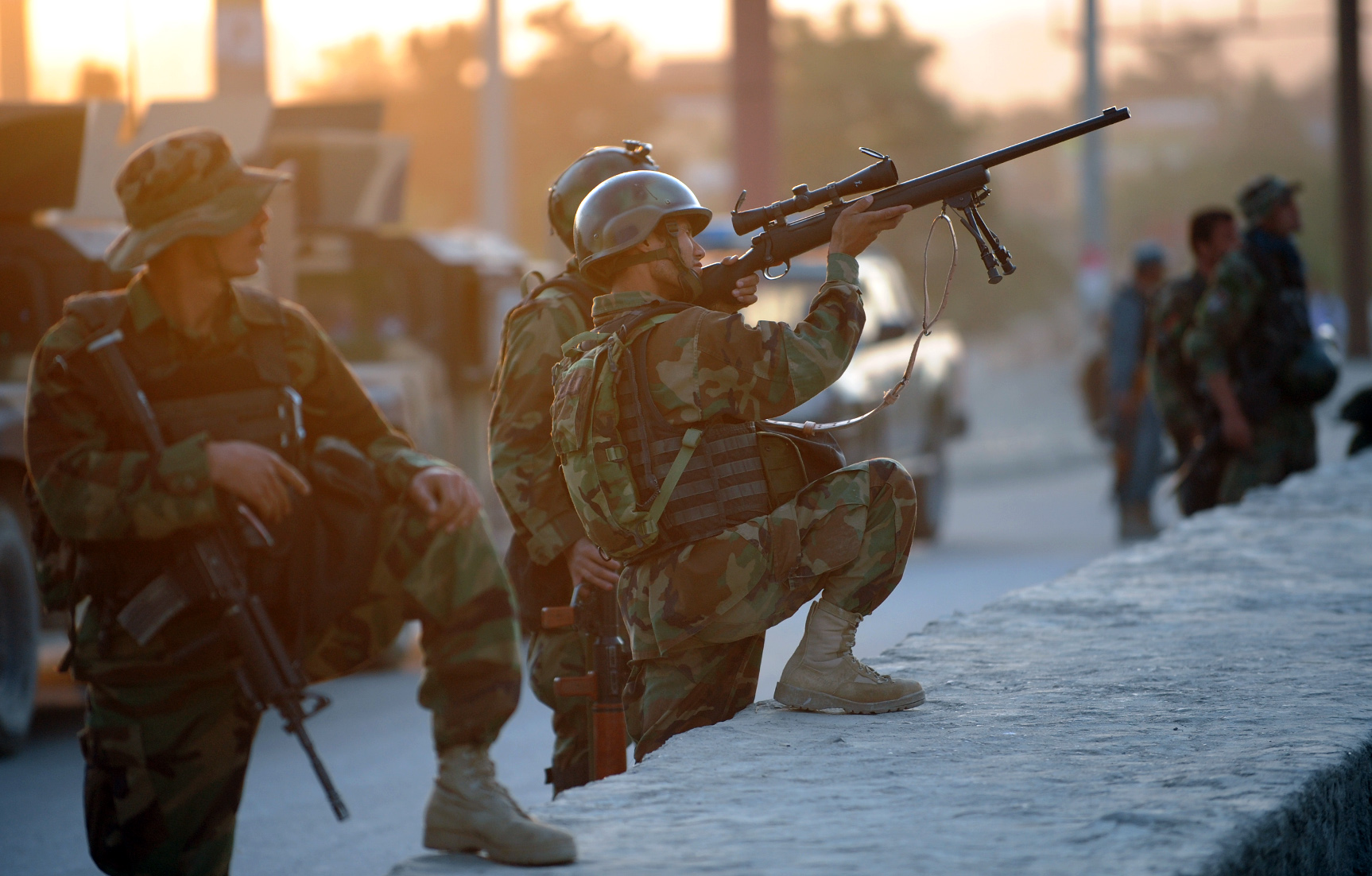
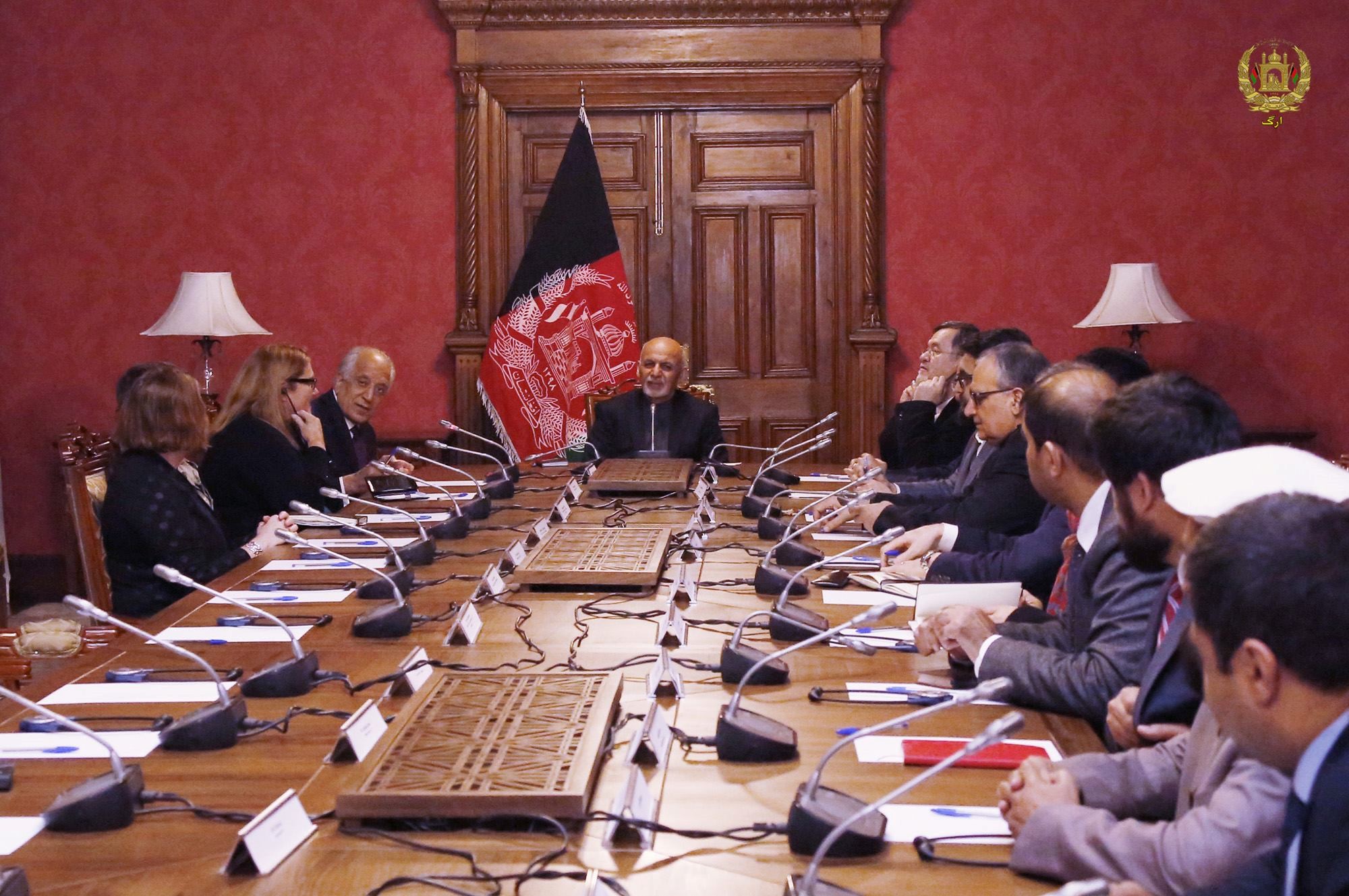
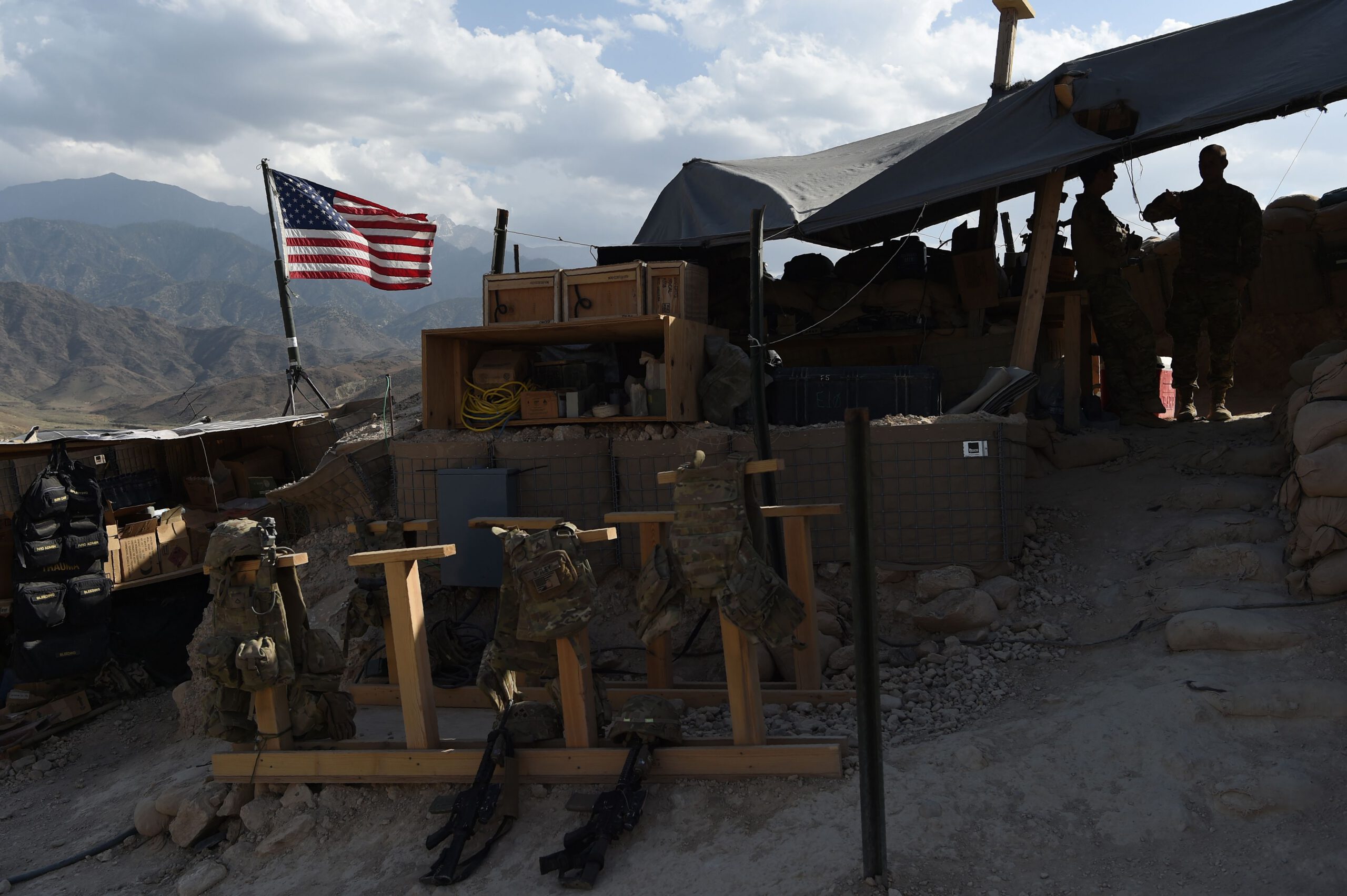
The current conflict in Afghanistan, the latest in a series of perpetual wars and episodes of civil strife over the past 40 years, is strategically stalemated. While the Taliban are willing to negotiate with the U.S. about the withdrawal of foreign troops from the country, they continue to reject direct talks with the Afghan government for a political settlement. Even with inclusive peace talks, there is reason to question whether the Taliban’s vision of a future Afghan state and society can be reconciled with a liberal, democratic constitutional order.
Weekly Briefing: MBS South Asia swing aims to shore up relations
In this week’s briefing, MEI experts Gerald Feierstein, Charles Lister, Marvin G. Weinbaum, and W. Robert Pearson provide analysis on Saudi-Pakistan relations, Turkish politics in the lead-up to March municipal elections, and the question of what to do with ISIS prisoners after the group’s territorial collapse.
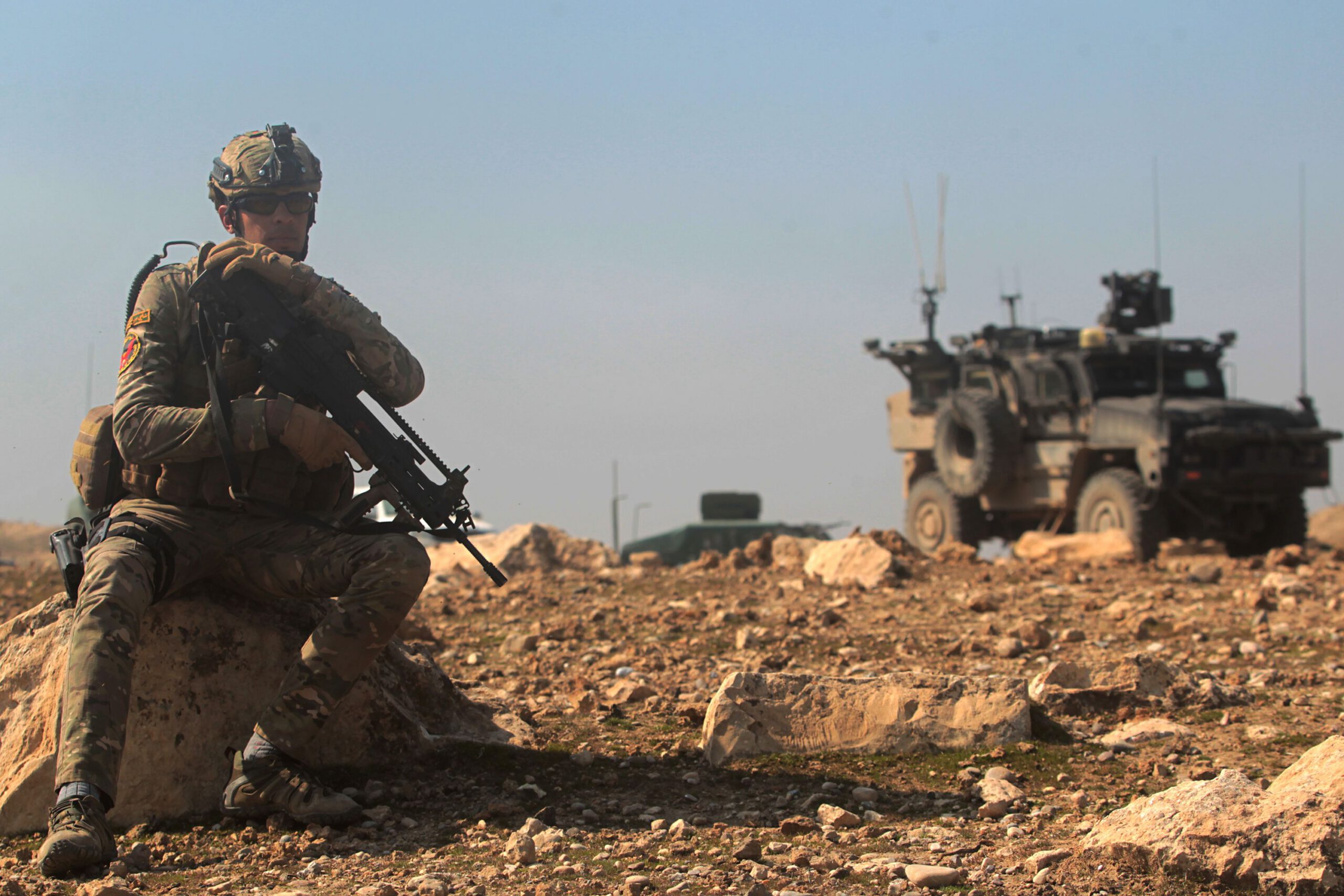
In this week’s Monday Briefing, MEI experts Randa Slim, Paul Salem, Ahmad Majidyar, and Marvin G. Weinbaum provide analysis on recent and upcoming events including President Trump’s comment about keeping U.S. troops in Iraq “to be able to watch Iran,” Pope Francis’s trip to the UAE, the EU’s maneuvers to defy U.S. sanctions on Iran, and intra-Afghan talks in Moscow.
Iraq: Stuck in the middle again
Randa Slim Senior Fellow, Director of Conflict Resolution and Track II Dialogues program
Monday Briefing: US-Taliban talks progress, but major obstacles remain
In this week’s Monday Briefing, MEI experts Ahmad Majidyar, Marvin G. Weinbaum, Randa Slim, Paul Salem, and Guney Yildiz provide analysis on recent and upcoming events including U.S. negotiations with the Taliban in Afghanistan, a warning sent to Israel by Hezbollah leader Hassan Nasrallah, the Sudanese president’s appeal for external support, Turkish-Syrian diplomacy, and Pakistan’s acceptance of Gulf aid.
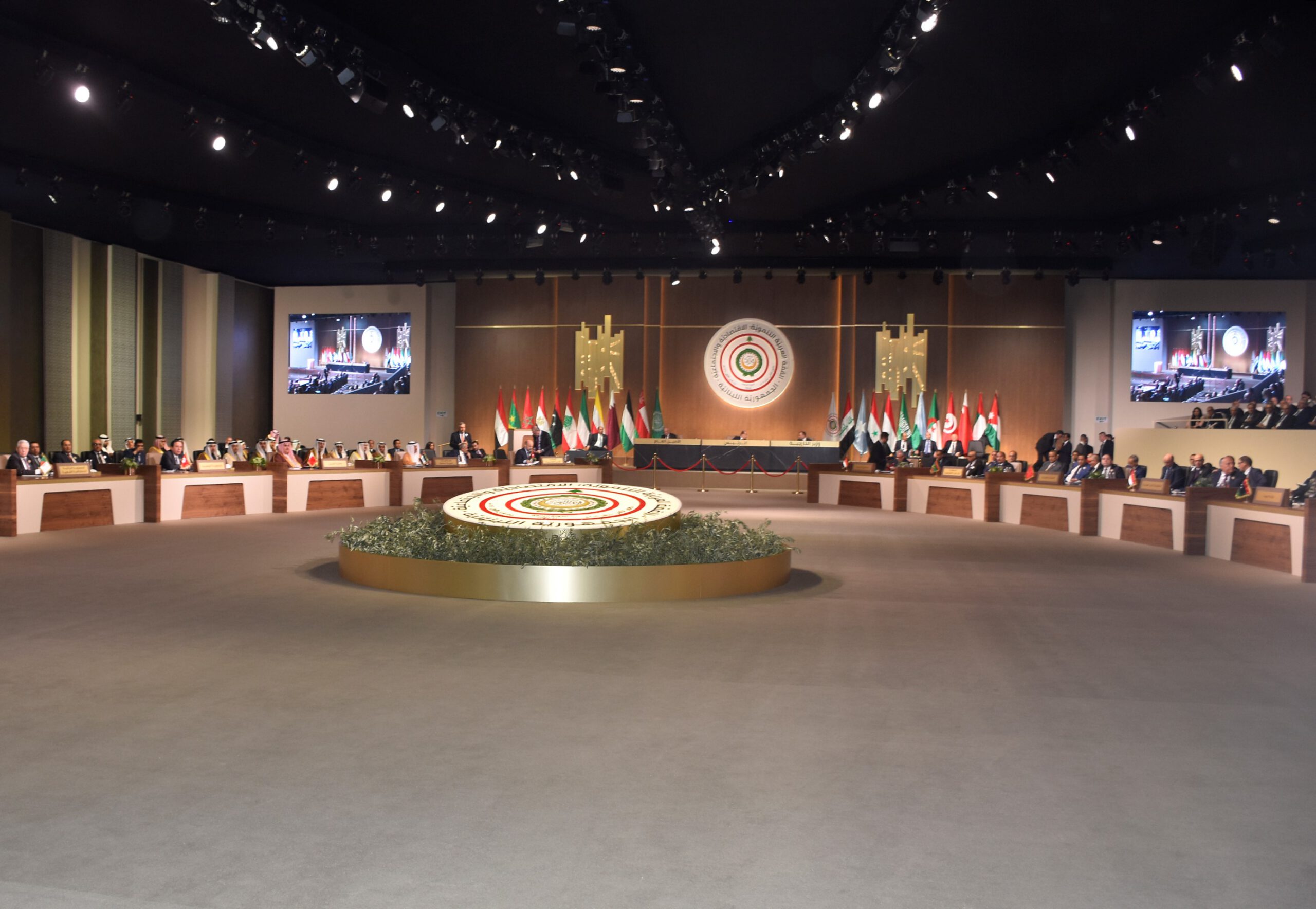
Weekly Briefing: Failed Arab Economic Summit in Beirut underscores divisions
In this week’s Weekly Briefing, contributors Paul Salem, Marvin G. Weinbaum, William Lawrence, Ruba Husari, and Jean-François Seznec provide analysis on recent and upcoming events including the Arab Economic Summit held in Beirut this weekend, Afghanistan’s upcoming presidential elections, strikes in Tunisia, the Trump administration’s next steps on Iranian oil policy, and Saudi Aramco’s $10B bond issue.
Monday Briefing: Russians launch air strikes after alleged gas attack
In this week’s Monday Briefing, MEI experts discuss recent and upcoming events including Russian air strikes in Aleppo, the elections in Bahrain, the growing international interest in Egypt’s offshore energy finds, and the appointment of a new Afghan team of negotiators for peace talks.