This individual is a guest contributor. MEI is not able to assist with contact requests.
Mera Jasm Bakr holds a BA from the American University of Iraq, Sulaiamani (AUIS), where he studied international studies. Prior to working as an independent researcher, Mera was the chief English editor at the KirkukNow media outlet, which exclusively covers the Iraqi disputed areas, and worked as a research assistant at the Institute of Regional and International studies (IRIS) at AUIS. Follow him on Twitter @MeraJBakr.
The War at Home: The Need for Internal Security Sector Reform in Iraqi Kurdistan
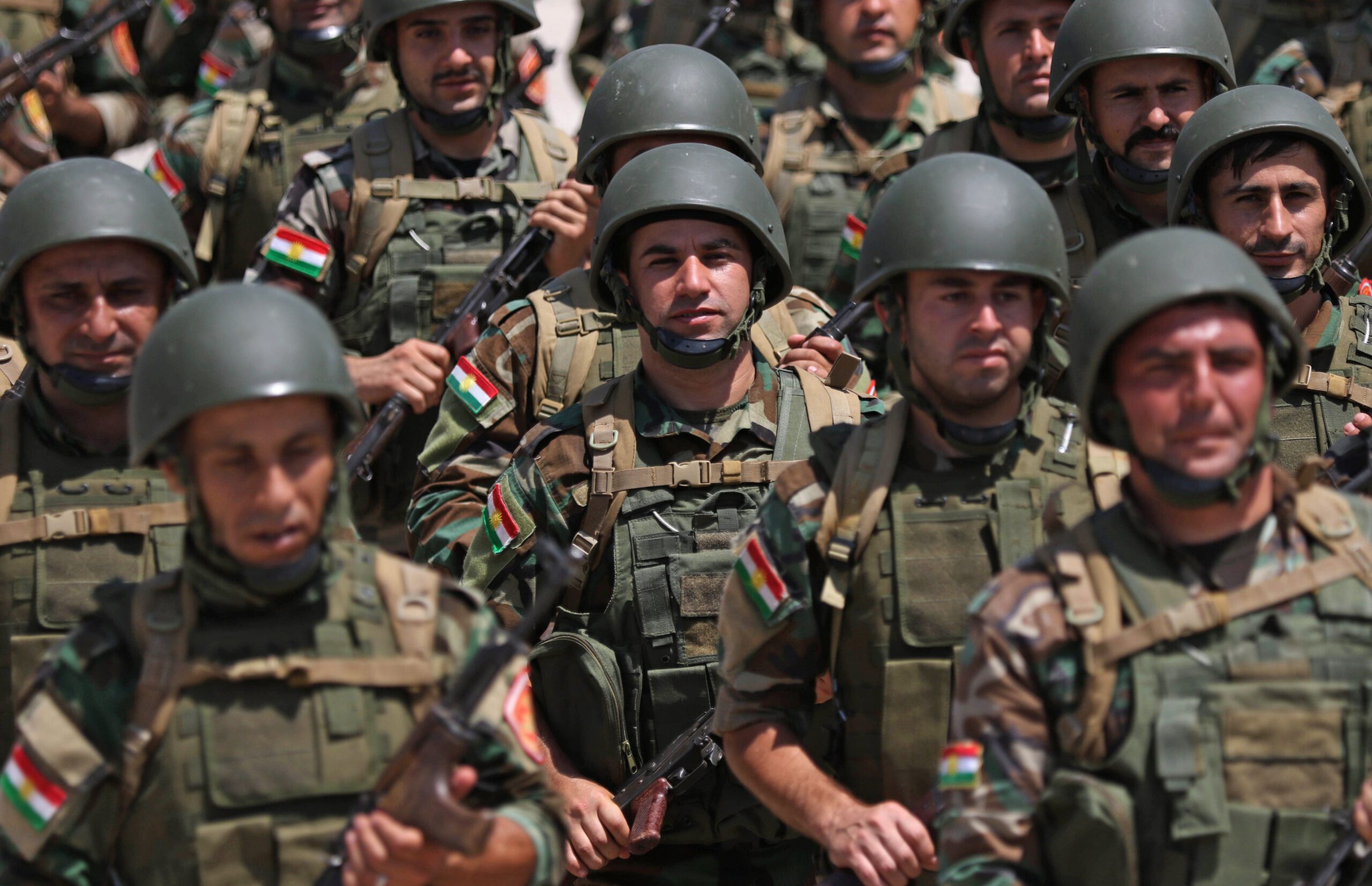
The forces and agencies of Kurdistan’s Ministry of Interior and the Kurdistan Region Security Council, collectively referred to the Kurdistan Region Interior Forces, are now the region’s main security actors, but their role as instruments of partisan rivalry and enforcers of public loyalty to the political bureaus threatens the Kurdistan Region’s stability. This report makes the case that coalition security sector reform efforts should be refocused on them. Although Peshmerga reform is necessary to improve the Kurdistan Region’s ability to combat external threats, it is equally, if not more important to start the same reform within these internal forces and agencies to achieve durable stability.
Iraqi Kurdistan in the US-Iraq strategic dialogue: Re-evaluating security sector reform
The United States’ primary focus on maintaining stability in the Kurdistan Region of Iraq (KRI) has been detrimental to the region. Channeling military aid to partisan militias has entrenched the duopoly rule of the Kurdistan Democratic Party (KDP) and the Patriotic Union of Kurdistan (PUK) while preventing meaningful democratic reforms that could bring long-term stability.