This individual is a guest contributor. MEI is not able to assist with contact requests.
Michael Hochberg is an energy industry professional with expertise in power project development, electricity markets, and regulation. His experience includes renewable project origination & development at Hecate Energy, and management consulting in the Global Energy & Utilities practice of PA Consulting. Michael is also a 2020 Fellow at the Clean Energy Leadership Institute, a non-resident Research Associate at the Oxford Institute for Energy Studies, and was a Fulbright Scholar in Spain. He holds a master’s degree in energy economics from Universidad Pontificia Comillas, and graduated summa cum laude with a BA in Political Science from Tulane University.
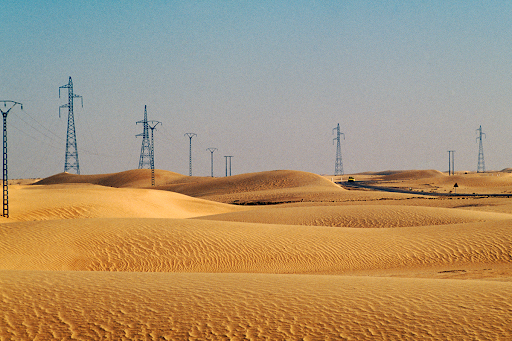
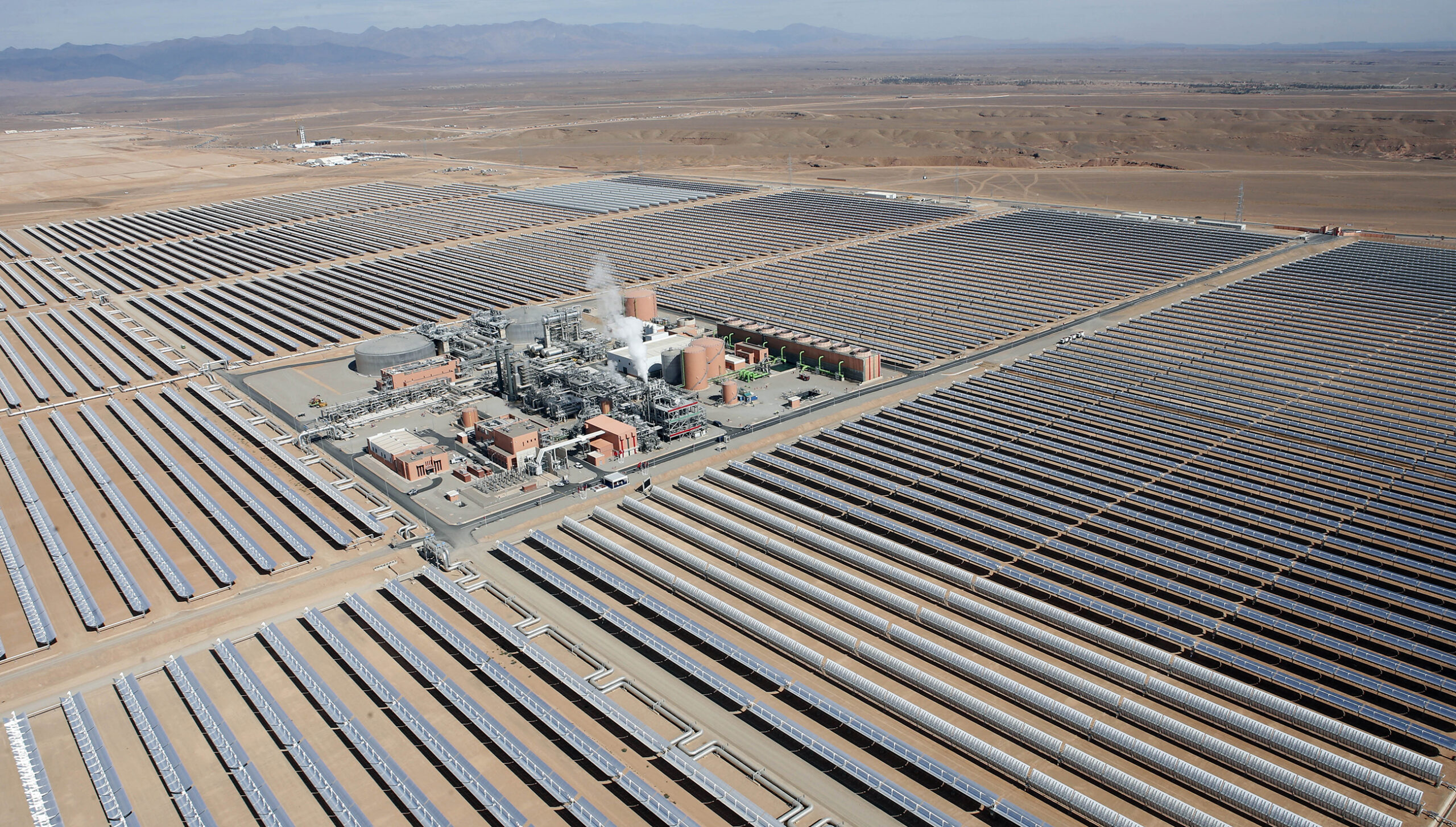
Algeria charts a path for renewable energy sector development
Algeria is at a critical stage in its energy sector development. The nation has both the potential and the incentive to maximize its natural resources and become a renewable energy leader. In addition to its status as the second-most-populous country in North Africa, Algeria is noteworthy for its relative size, wealth, location, gas reserves, renewable energy potential, and greenhouse gas emissions. Recent oil and gas price volatility and increasing domestic electricity demand provide impetus for Algeria to prioritize clean energy investment.
Jordan’s future energy landscape is slowly taking form. Despite a population of less than seven million and almost no conventional hydrocarbon resources, Jordan has emerged as a relatively stable market for energy investment as the small nation attempts to diversify its energy mix, increase energy independence, and meet growing demand. Investment in Jordan’s energy sector, in contrast to energy sector growth in Egypt, Israel, and other regional powers, is largely fueled by the country’s lack of conventional energy sources.
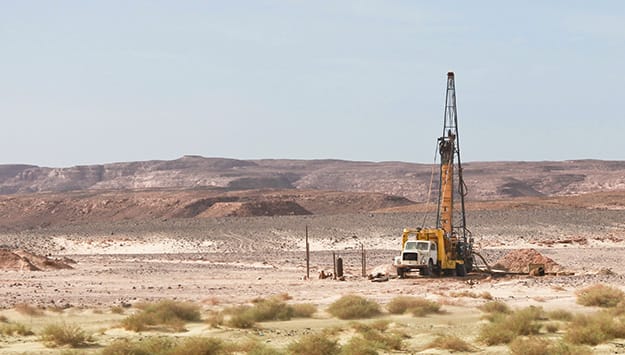
Egypt is not out of the dark, but there is reason to be hopeful. The nation’s energy market reforms and consistent debt repayments have won the attention and approval of international energy companies and investors in the form of significant investment in the Egyptian energy sector. New upstream (exploration and production) oil and gas contracts, a recent increase in renewable energy ventures, and dozens of additional preliminary agreements in both the hydrocarbon and utility sectors are proof of the improved investment climate.
Egypt’s Least Bad Option for Addressing Energy Troubles
A proposed deal to export Israeli natural gas through Egypt has the potential to enable Israel’s entry into its first major export markets, help Egypt escape a deepening energy crisis, and welcome the first European players into Israel’s natural gas industry. However, the deal is complicated by political realities and a history of deeply rooted grievances between the two countries, made worse by the recent violence between Israel and Hamas in Gaza.
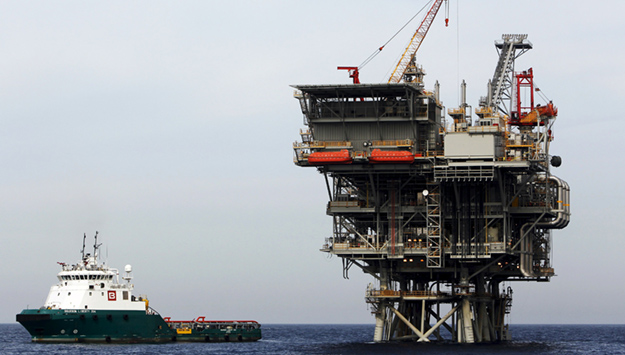
Israel’s Natural Gas Sector: A Regional Perspective
Israel’s recent natural gas discoveries have the potential to transform the country into a major supplier of natural gas to the Eastern Mediterranean and beyond. Israel’s Leviathan field alone is believed to contain tens of billions of dollars worth of natural gas, and is the world’s largest offshore natural gas discovery of the last decade. In addition to representing a tremendous boon for Israeli domestic energy needs, the finds are likely to result in significant windfalls for the Israeli state and could dramatically impact the political economies of neighboring states.