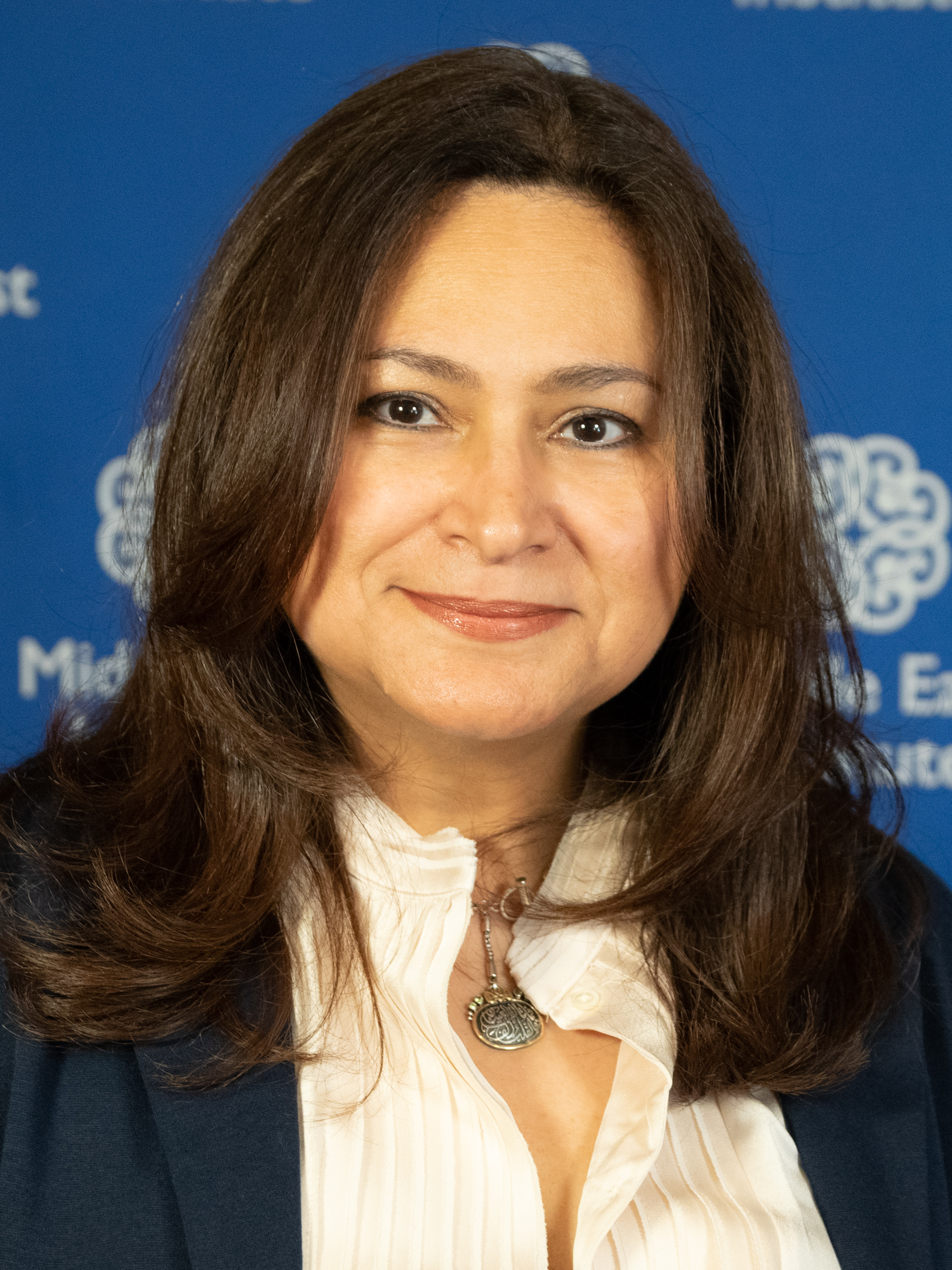
Mirette F. Mabrouk is a senior fellow at the Middle East Institute (MEI), where she focuses on economic development, regional security, and sustainable development issues in the Middle East and North Africa.
Prior to joining MEI, Ms. Mabrouk served as the deputy director and director for research and programs at the Rafik Hariri Center for the Middle East at the Atlantic Council. She was also a fellow at the Project for US Relations with the Middle East at the Brookings Institution and was based in Cairo, where she was the director of communications for the Economic Research Forum (ERF).
Ms. Mabrouk comes from a long career in journalism, including over 20 years in print and television. She is the founding publisher of The Daily Star Egypt (now The Daily News Egypt), the country’s only independent English-language daily newspaper at the time. She also served as the publishing director for IBA Media, which produces the region’s leading English-language magazines.
Her work has appeared in prominent publications such as Foreign Policy, The Hill, and HuffPost, and she has been quoted or appeared on major media outlets including the BBC, VOA, Sky News, and The Wall Street Journal. She is the author of the book chapter “And Now for Something Completely Different: Arab Media’s Own Little Revolution” from Reconstructing the Middle East(Routledge, 2017), as well as the editor of the report Rethinking Egypt’s Economy(Middle East Institute, 2020).
She holds an MA in Broadcast Journalism and a BA in Mass Communication from the American University in Cairo.
US and World Bank host talks on long-running Egypt-Ethiopia-Sudan water dispute
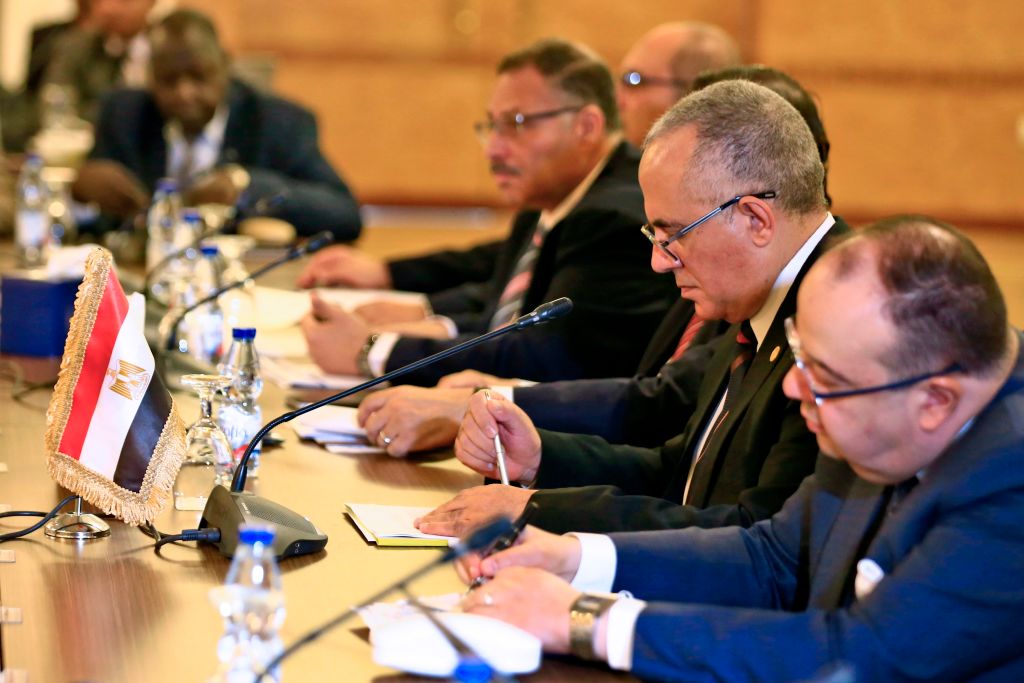
The U.S. and World Bank sponsored talks last week between Egypt, Ethiopia, and Sudan, over the Great Ethiopian Renaissance Dam – the latest developments in a regional soap opera that’s been running since 2010, when Ethiopia first announced the construction of the dam.
Water dispute with Ethiopia is an existential issue for Egypt
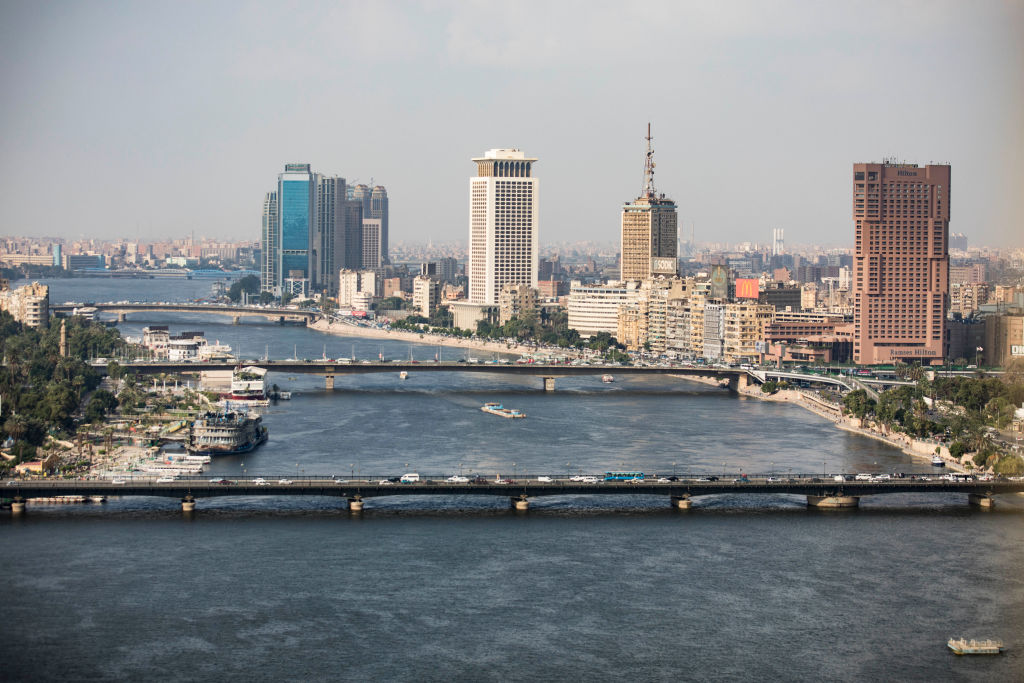
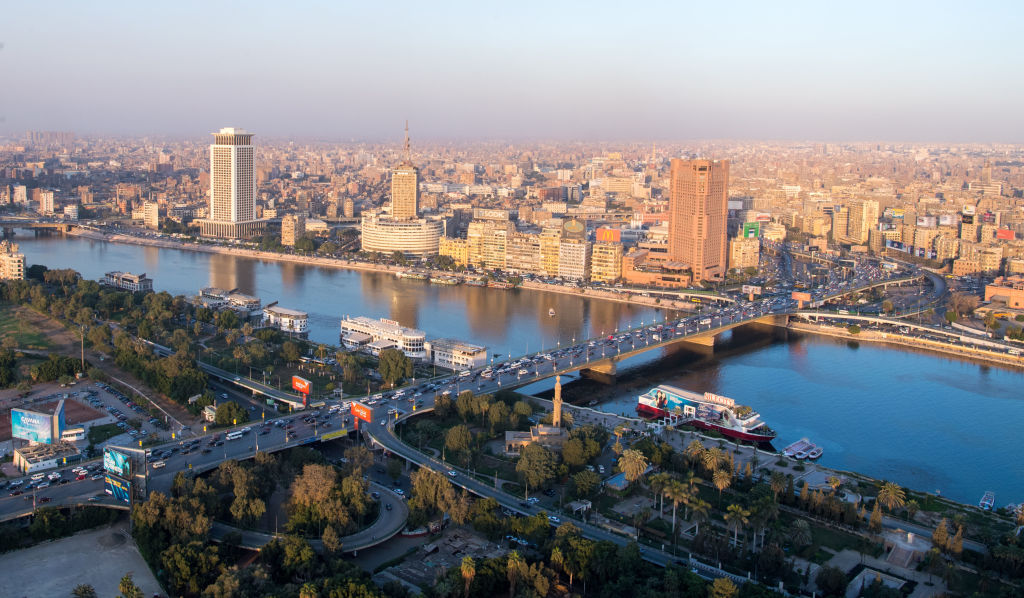
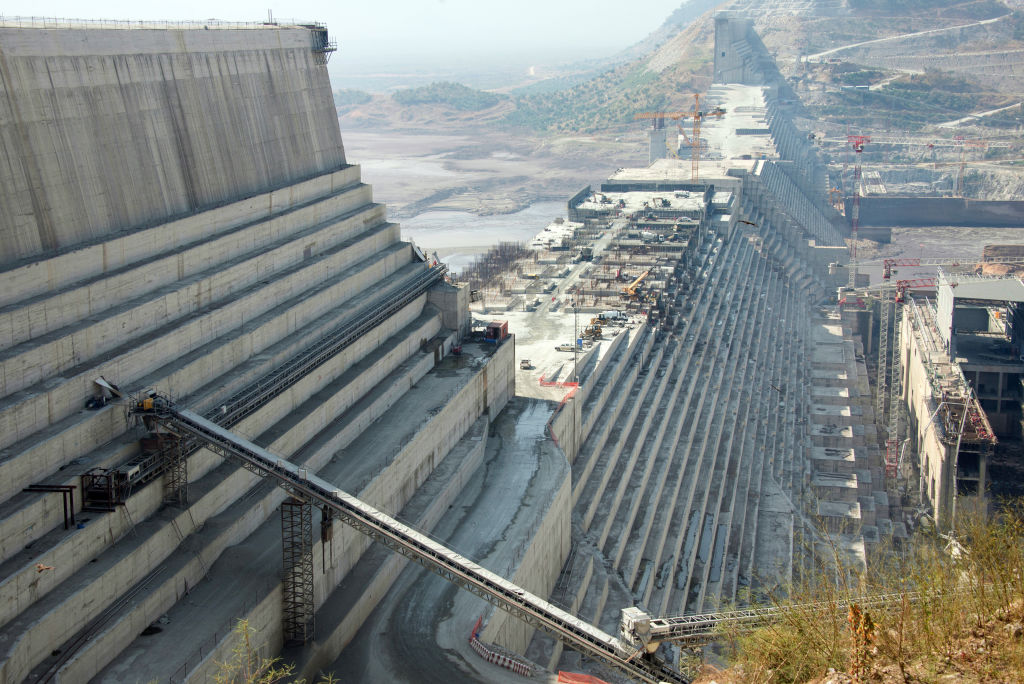
Egypt and Ethiopia remain at odds over the Great Ethiopian Renaissance Dam. Currently almost 70 percent complete, the giant upstream dam, which can hold the entire annual rainfall of the Nile, has the capacity to essentially turn the taps off on Egypt, depriving the country of the river water that supplies a mind-numbing 90 percent of its fresh water.
Trade, Reform, and Revitalization: Toward a US-Egypt Free Trade Agreement
A question as to the value of a U.S.-Egypt Free Trade Agreement (FTA) misses the point. The question should not be whether an FTA would be in the interest of both parties since there is abundant evidence that it would. The question is what kind of FTA would best suit the needs, both short and long term, of the two parties: shallow integration or deep integration? This report argues that notwithstanding several hurdles, it is in the interest of both countries to move swiftly and decisively toward a deep FTA.
Minor protests in Egypt attract more international than domestic attention
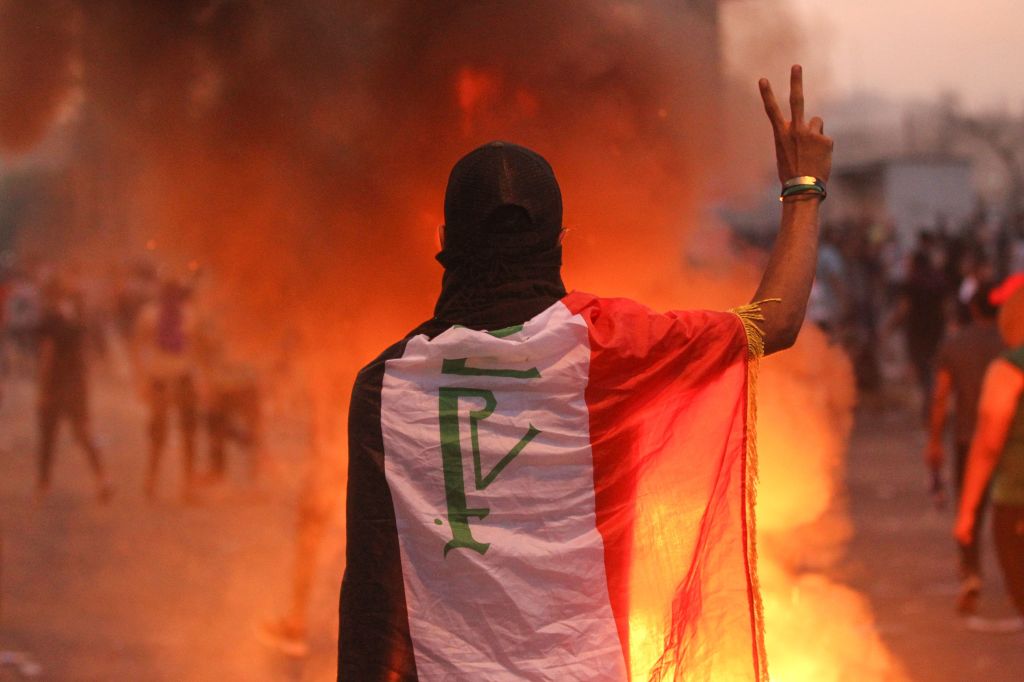
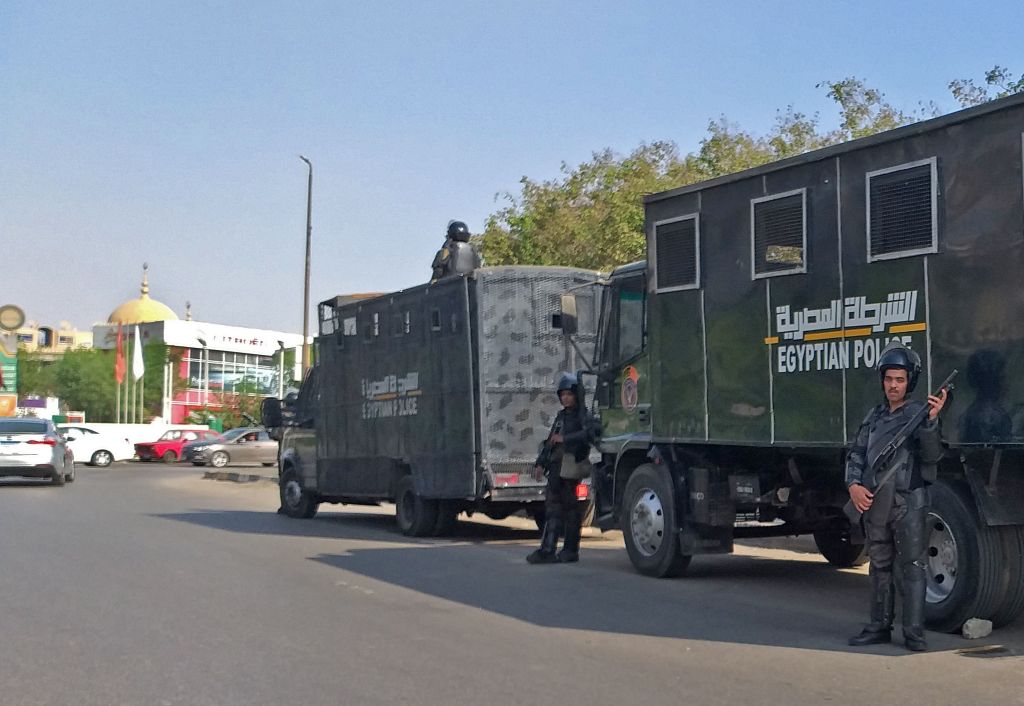
The weekend of the 23rd saw small demonstrations in approximately five governorates that had the twitterverse in an uproar and rekindled mostly moribund international interest in democracy in Egypt.
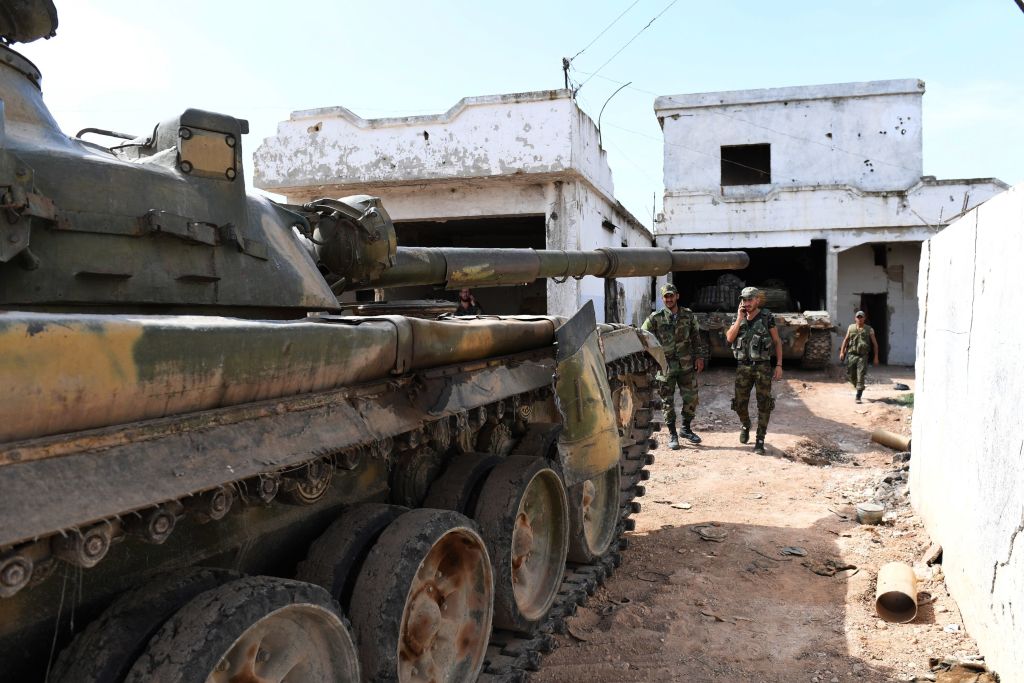
Monday Briefing: US-Turkey dispute over Syria comes to a head
This week’s briefing on recent news and upcoming events in the region including the Turkish-U.S. crisis meeting in Ankara on Syria, the resumption of U.S.-Taliban negotiations, Trump’s creation of a new “dovish” line on Iran, a rise in Egypt’s poverty levels, Sudan’s democratic transition, the easing of female guardianship rules in Saudi Arabia, and the end of the ceasefire in Idlib, featuring Charles Lister, Marvin G. Weinbaum, Paul Salem, W. Robert Pearson, Mirette F. Mabrouk, Thomas W. Lippman, and Robert S. Ford.
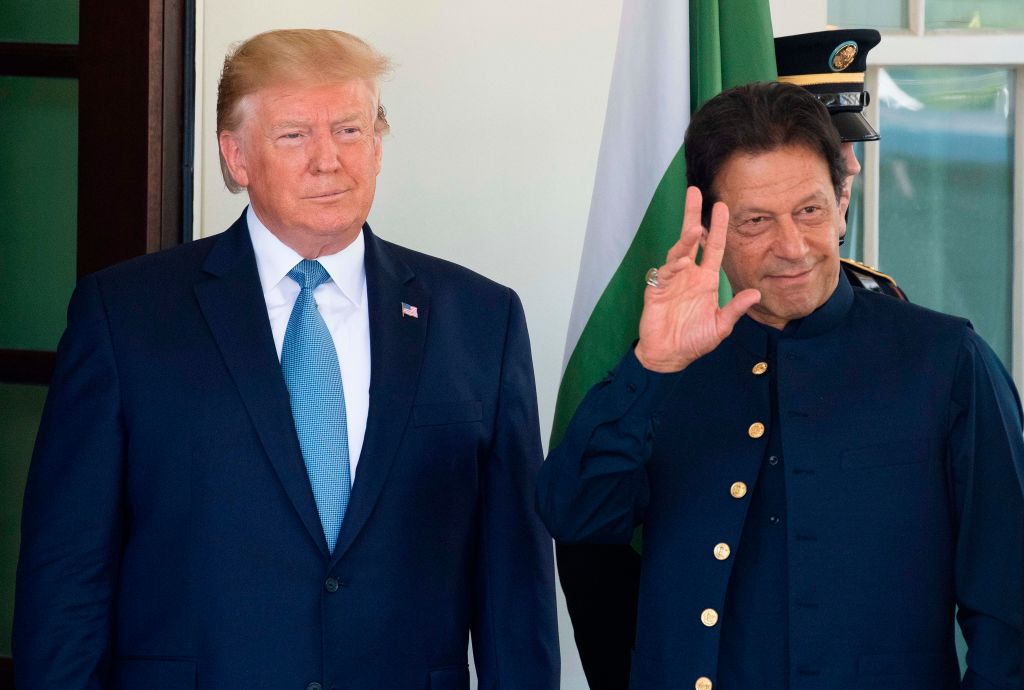
Monday Briefing: Pakistani PM Khan heads to the White House
This week’s briefing on recent news and upcoming events in the region including Imran Khan’s visit to the White House, tensions between President Trump and Congress over Turkey’s new S-400 system, escalation in the Straits of Gibraltar and Hormuz, military restructuring in Iraq, increased collaboration on the region’s power supply, and changes to Egypt’s social safety net, featuring Arif Rafiq, Gonul Tol, Ruba Husari, Robert S. Ford, Dr. Ibrahim Saif, and Mirette F. Mabrouk.
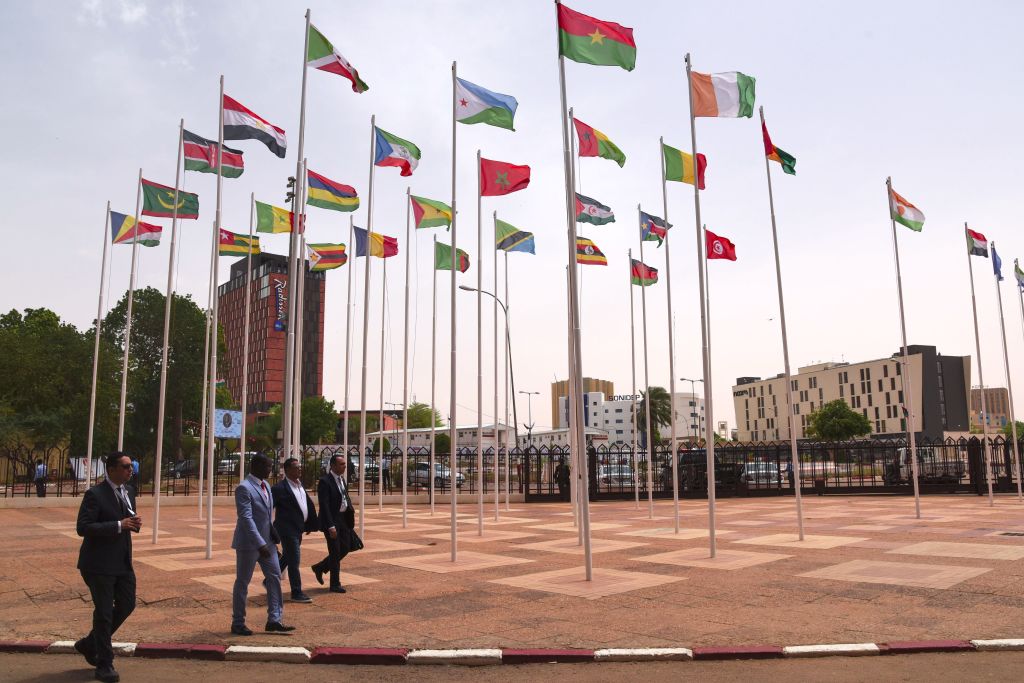
Monday Briefing: Strengthening Egypt’s ties with Africa
In this week’s Monday Briefing, MEI experts Mirette F. Mabrouk, Charles Lister, Gonul Tol, and Alex Vatanka provide analysis on recent and upcoming events including Egypt’s engagement with Africa to boost trade and investment, the reshuffling of leadership of Syria’s security apparatus, the firing of Turkey’s central bank governor, and Russia’s positioning to act as mediator between Iran and the Gulf states.
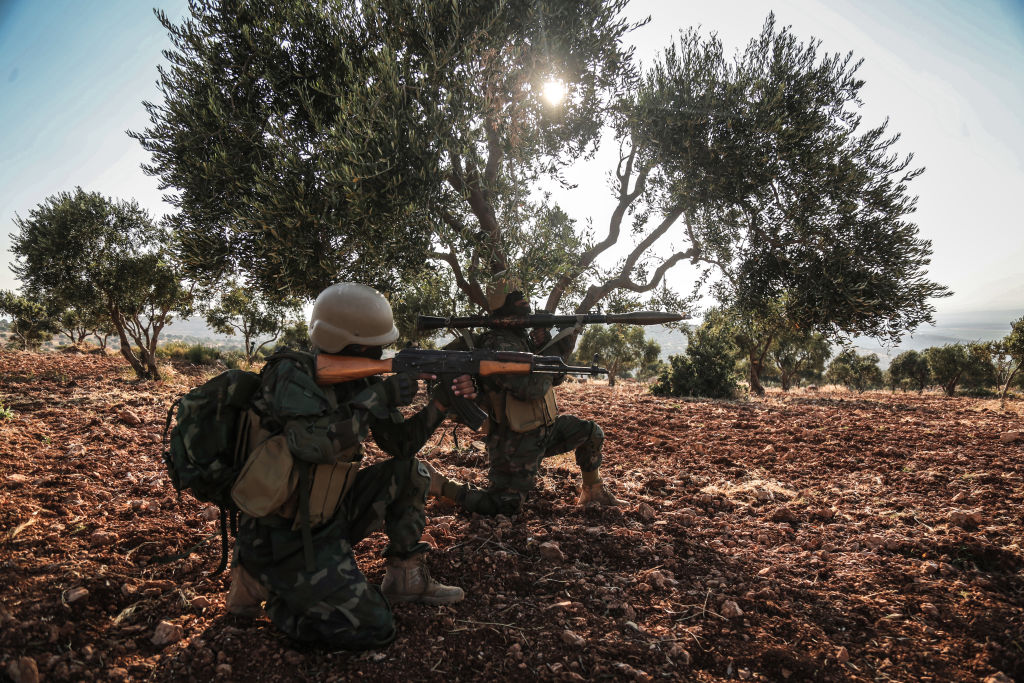
Monday Briefing: Regime offensive in Syria’s northwest grinds to a halt
In this week’s Monday Briefing, MEI experts Charles Lister, Paul Salem, and Mirette F. Mabrouk provide analysis on recent and upcoming events including military developments in Syria’s northwest, the confirmation of David Schenker as Assistant Secretary of State for Near Eastern Affairs, and the approval of amendments to laws regulating Egypt’s judiciary.
Monday Briefing: Iraq back in the eye of the storm
In this week’s Monday Briefing, MEI experts Randa Slim, Gerald Feierstein, Zubair Iqbal, Marvin G. Weinbaum, Mirette F. Mabrouk, Robert S. Ford, and Rauf Mammadov provide analysis on recent and upcoming events including the escalating tensions between the United States and Iran with Iraq caught in between, Jared Kushner’s economic development plan for Palestinians, the IMF’s bailout deal with Pakistan, political turmoil ahead of the Afghan presidential election, developments in the Egyptian media landscape following recent constitutional amendments, debate over how to approach elections in Algeria, and the impact of US-Iran tensions on the oil market.
Monday Briefing: Conflict is far from over in Syria
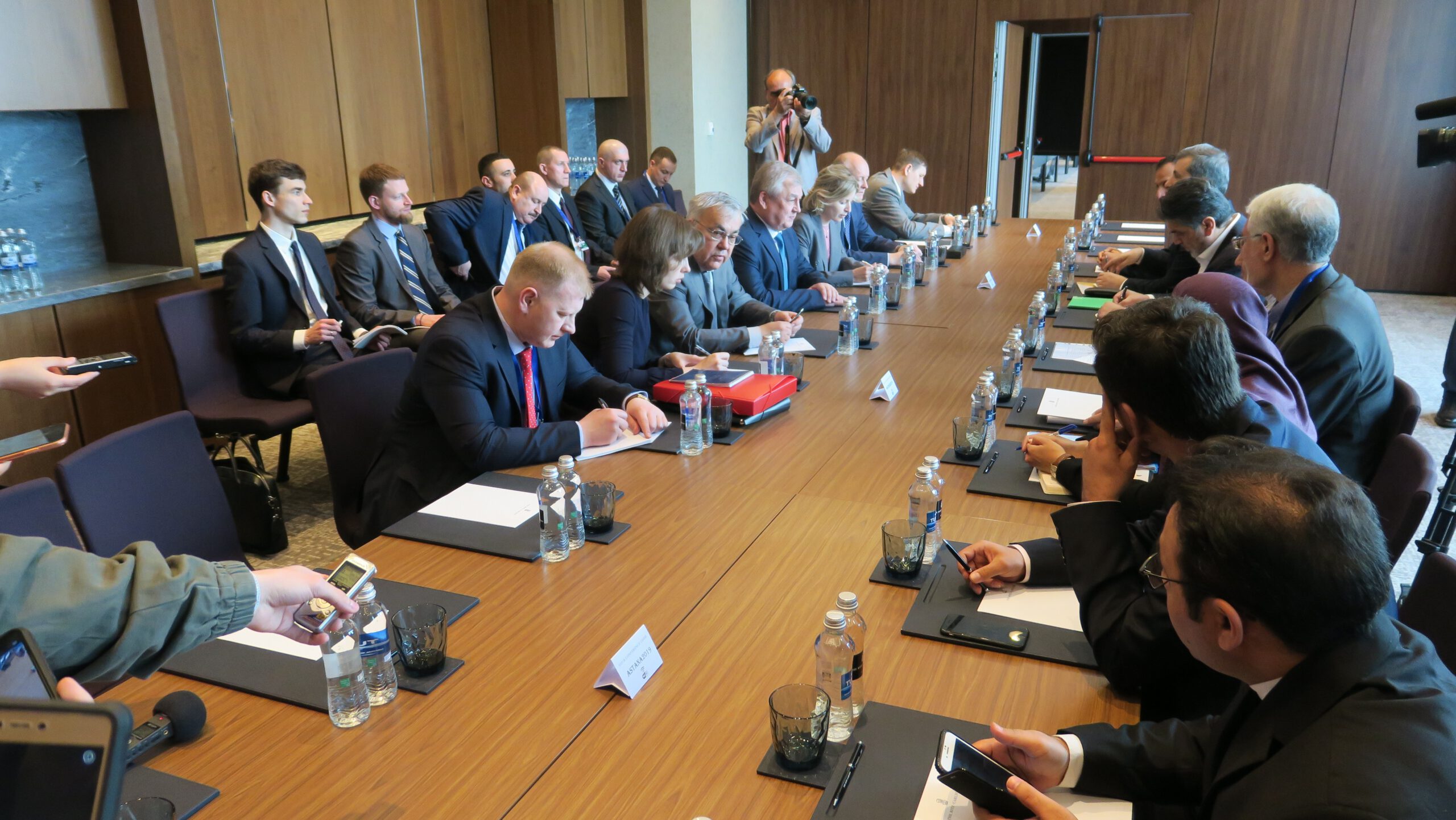
In this week’s Monday Briefing, contributors Charles Lister, Gerald Feierstein, Ruba Husari, Guney Yildiz, Mirette F. Mabrouk, and John Calabrese provide analysis on recent and upcoming events including the failure of the twelfth rounds of Syria peace talks in Astana, negotiations over Yemen’s strategic port of Hodeida, a new report on Iraq’s oil production potential, ongoing US-Turkey talks about a buffer zone in Syria, Egypt’s recently passed constitutional amendments, and Beijing’s second Belt and Road Forum.
Monday Briefing: New Arab uprisings echo earlier revolts
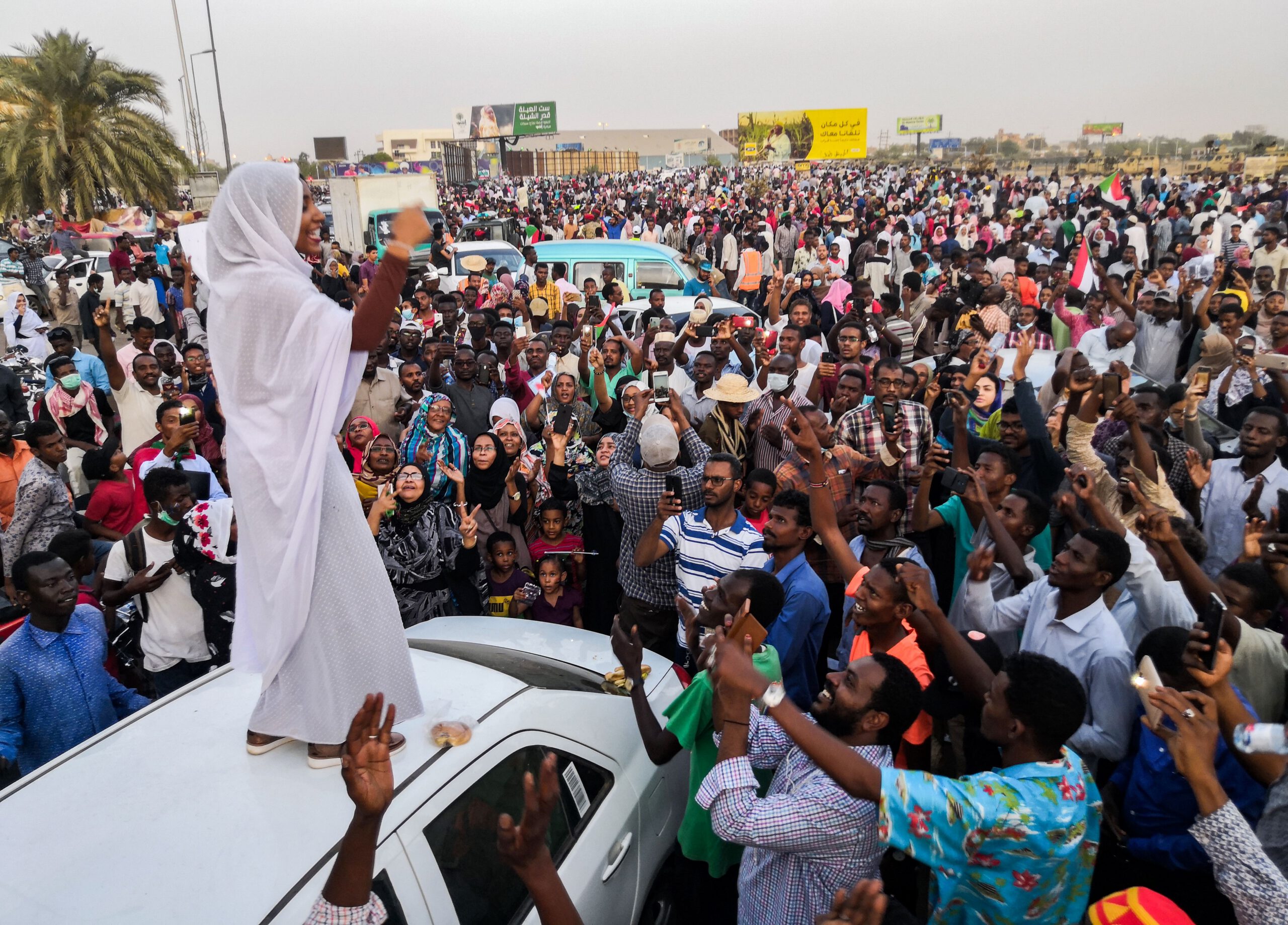
In this week’s Monday Briefing, MEI experts Paul Salem, Jonathan M. Winer, Robert S. Ford, Mirette F. Mabrouk, and Charles Schmitz provide analysis on recent and upcoming events including the current uprisings in Algeria and Sudan, General Hifter’s effort to take Tripoli, the hirak protest movement in Algeria, the strategic partnership between Egypt and the U.S., and cracks in the coalition of President Hadi in Yemen.
In this week’s Monday Briefing, MEI experts Robert S. Ford, Mirette F. Mabrouk, Nathan Stock, Marvin G. Weinbaum, and Jean-François Seznec provide analysis on recent and upcoming events including the government shakeup in Algeria, Egyptian President el-Sissi’s visit to Washington, rocket attacks from Gaza, Imran Khan’s war against poverty, and a $69 billion merger between Saudi Arabia’s oil and chemical giants.