This individual is a guest contributor. MEI is not able to assist with contact requests.
Nabil Mohsen is an Intern at the Middle East Institute’s Oman Library. He is a determined learner who enjoys his studies in politics and is interested in Islamic history, architecture, and ceramics.
حلقة 12: آراء من واشنطن – العراق والانتقال الأمريكي العسكري
في ‘آراء من واشنطن’ هذا الأسبوع، يستعرض إبراهيم الأصيل رأي للسفير روبرت فورد حول الحوار الاستراتيجي بين العراق والولايات المتحدة ومسألة القوات الأمريكية في العراق
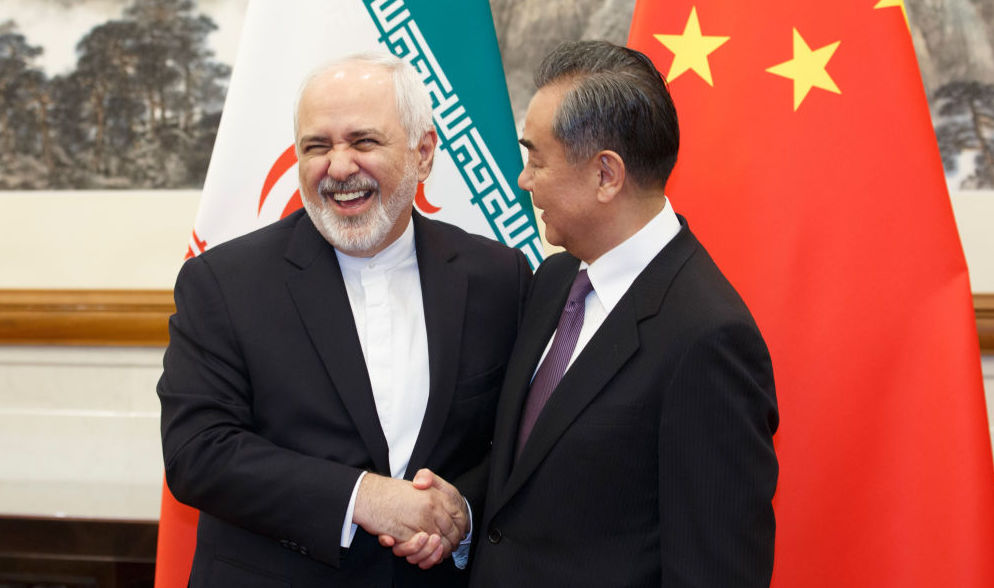
The China-Iran deal and the reinvention of the Iranian revolution
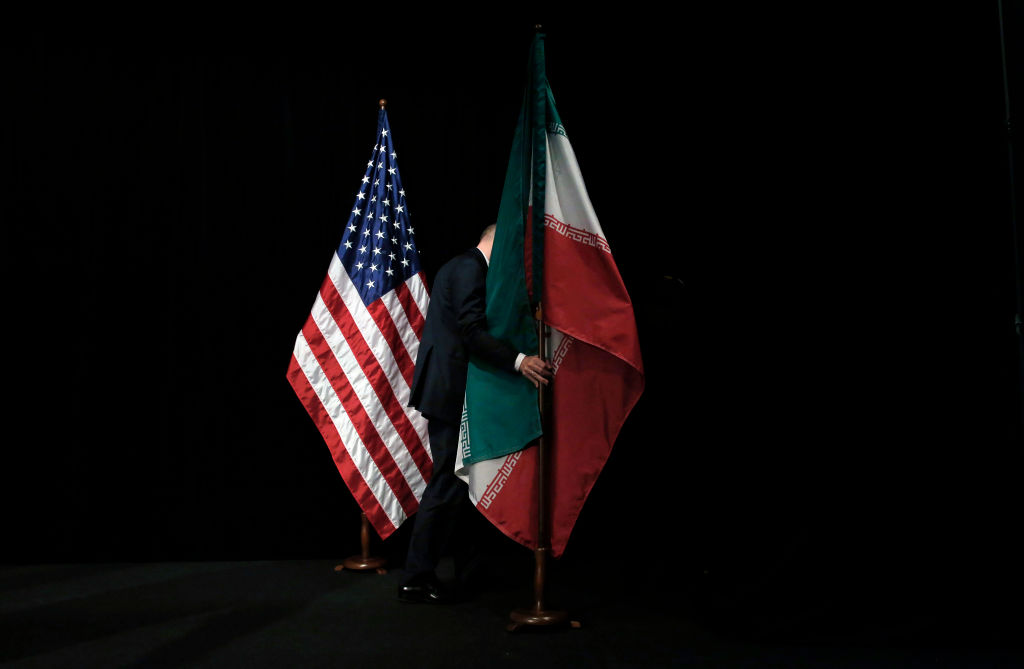
The announcement of the Comprehensive Strategic Partnership (CSP), a 25 year-long economic and development agreement between China and Iran, has immediately added to the intensifying discourse concerning US-China Geostrategic Competition. Nonetheless, a closer look at its implications suggests that it may be useful in achieving some U.S. goals with Iran: particularly regime modernization.
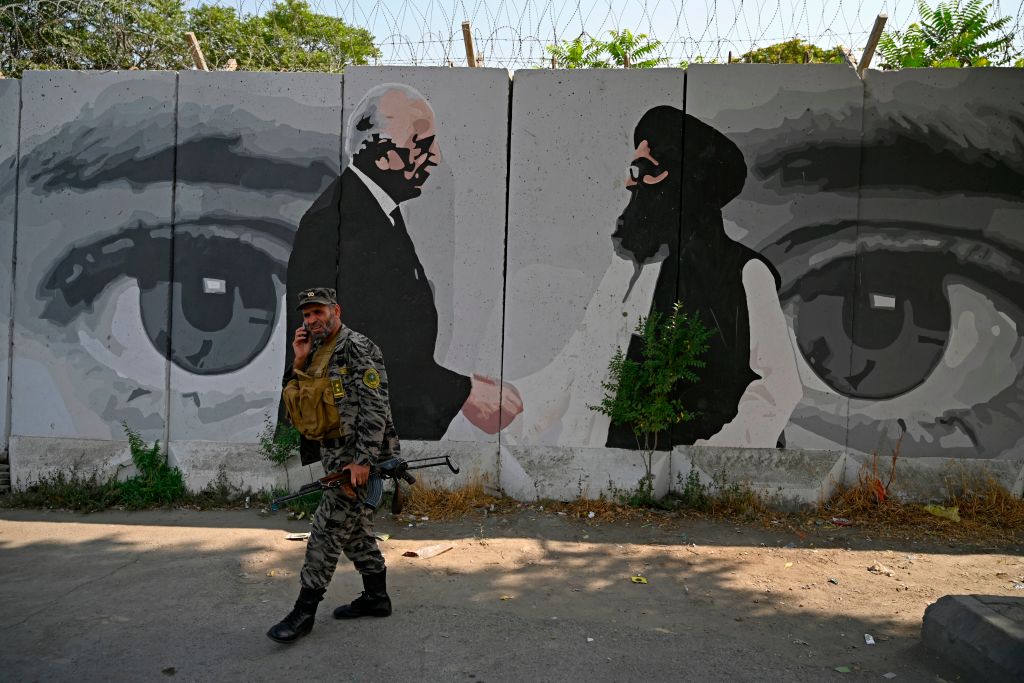
The Afghan Taliban and Covid-19: Leveraging the Crisis or a Change of Heart?
Pandemics strike hard in conflict zones. As of April 8, 2021, Kabul had recorded 56,943 confirmed cases of Covid-19 and 2,516 deaths. The Afghan Taliban have approved the administering of Covid-19 vaccines, which is a departure from its previous opposition to immunization programs. This article discusses the Taliban’s novel approach to the coronavirus pandemic and what it might or might not signify.
Is Bashar al-Assad really the guardian angel of Syria’s minorities?
Since the start of the current war, Bashar al-Assad, in power since 2000, has consistently sought to promote himself as the protector of Syria’s minorities — be they Christian, Alawi, Shi’i or Druze —from Islamist extremists. Many Western audiences have been seduced by his smart casual look and by his increasingly prominent, beautifully turned-out British wife, Asma. With presidential elections due to take place, under Russian auspices, in the coming months, in which Assad is widely expected to run, his claim demands close scrutiny. What has happened to minorities over the last 10 years of war and how does that compare to their treatment historically inside Syria?
Khaled Elgindy and Lara Friedman discuss the public launch of their congressional teach-in series, “Israel-Palestine: Where We Are, What Comes Next, and Why It Matters to Congress.” The series of webinars features an array of American, Palestinian, Israeli, and international experts on topics dealing with the Israeli-Palestinian conflict and U.S. policy.
السياسة الخارجية المرنة تجاه قادة لبنان لم تعد مجدية
إن تجاهل القيادة اللبنانية المستمر للمكافآت والحوافز– ناهيك عن المناشدات الأخلاقية – يدل على عدم فعالية هذه السياسة في فرض تغيير بنَّاء وحقيقي في سلوك هؤلاء القادة
For many years, the United Arab Emirates (UAE) has thrived as a result of its ability to attract talent from abroad. On Jan. 30, 2021, Sheikh Mohammed bin Rashid al-Maktoum, the vice-president and prime minister of the UAE and ruler of Dubai, announced on Twitter[1] an amendment to the law that is designed to entice and retain foreigners by permitting a select group of expatriates to become Emirati citizens without giving up their original nationality.
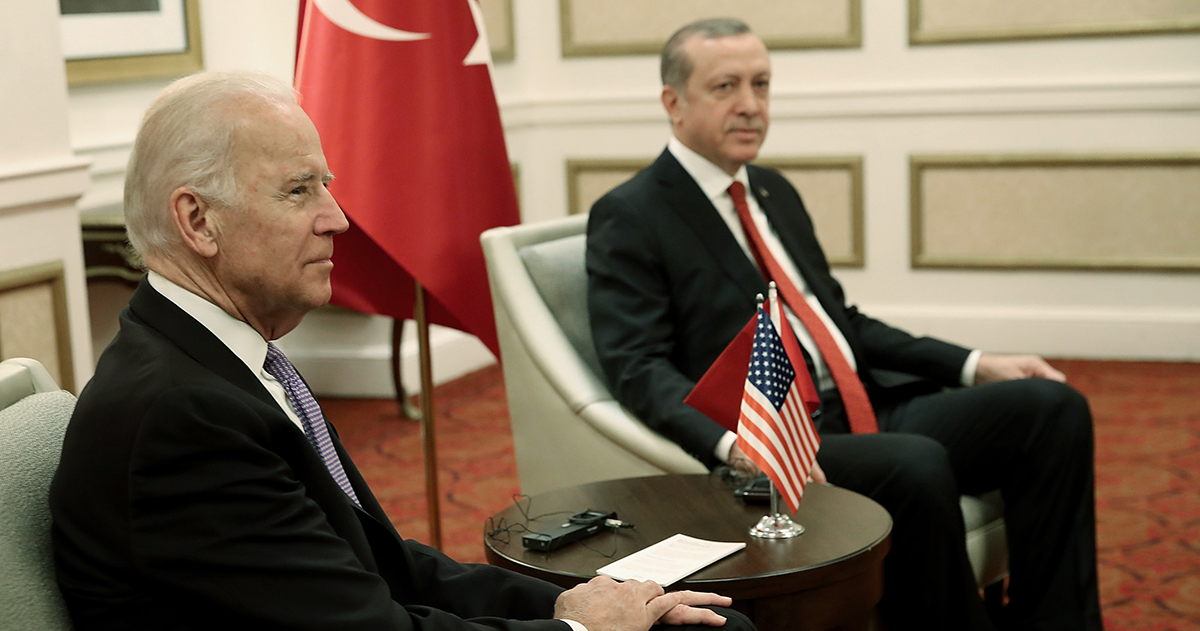
Relations between the United States and Turkey have never been worse, but the two countries still must deal with each other, and so President Joe Biden and President Recep Tayyip Erdoğan may talk this week. Each will review his list of issues. Both will commit to better relations and to best efforts to reach peaceful solutions to global, regional, and bilateral issues — and very little will change.
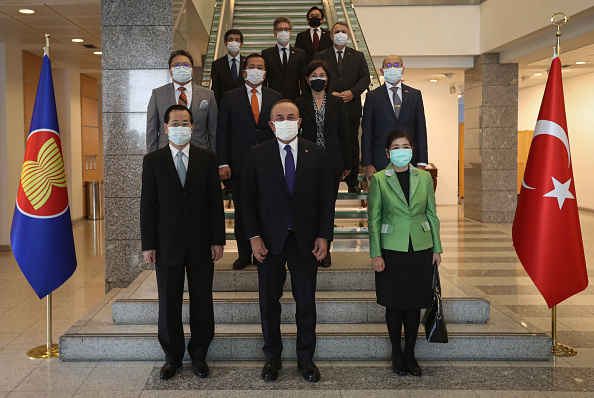
Turkey initiated a strategy to engage Southeast Asian nations in the early 2000s that resulted in the opening of new embassies and branches of numerous state-sponsored institutions across the region. With the launching of the Asia Anew Initiative in late 2019, Ankara has redoubled efforts to forge closer ties with the ten members of the Association of Southeast Asian Nations (ASEAN) and with ASEAN itself.
For decades now, decentralization has been a recurring theme in Lebanese politics. That it is “administrative” does not make it any less “political” in a country where even minor technicalities can easily turn into major controversies. Yet decentralization is still perceived as one of the key reforms that has yet to come about.