This individual is a guest contributor. MEI is not able to assist with contact requests.
Nabil Mohsen is an Intern at the Middle East Institute’s Oman Library. He is a determined learner who enjoys his studies in politics and is interested in Islamic history, architecture, and ceramics.
دول مجلس التعاون الخليجي تستعد لوضع إقليمي وعالمي مُختلف تماما
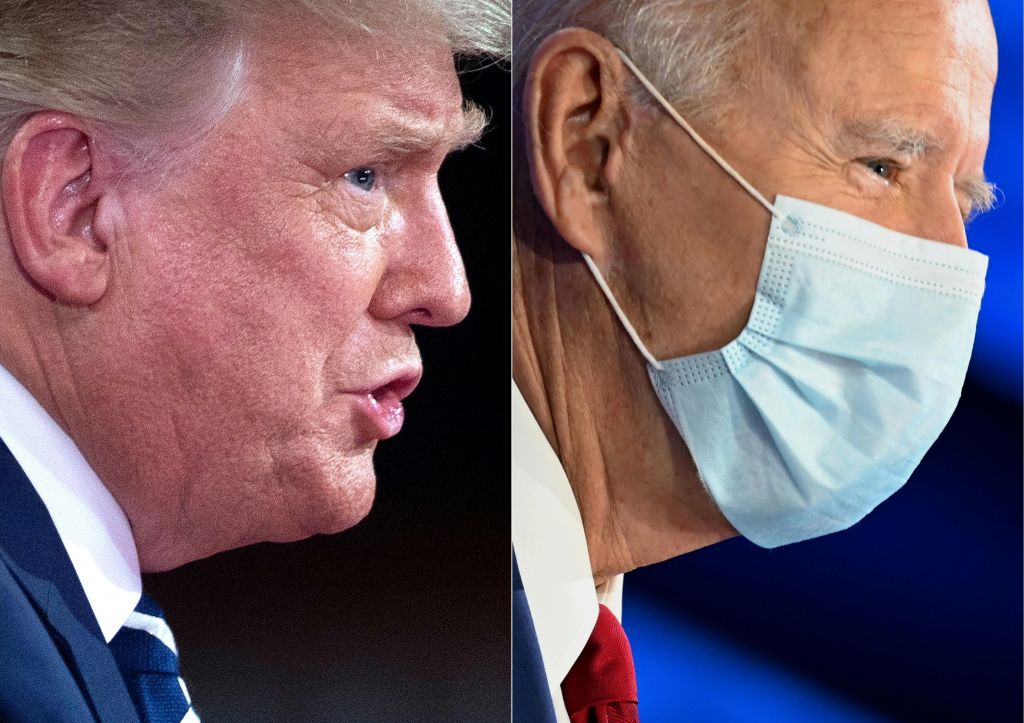
مع بداية عام 2021، تستعد دول مجلس التعاون الخليجي لبيئة عمل مُختلفة بشكلٍ كبير، عما واجهته في الأعوام الماضية. فالتحول من إدارة ترامب إلى إدارة بايدن سيأتي بمجموعة من اللاعبين أكثر تشككًا، في مراكز صُنع القرار في البيت الأبيض، ووزارتي الخارجية والدفاع، وتقريبا في كل مناصب واشنطن. توجد بالفعل بعض الإشارات التي تدل على أن دول مجلس التعاون الخليجي تتأقلم مع الواقع الجديد.
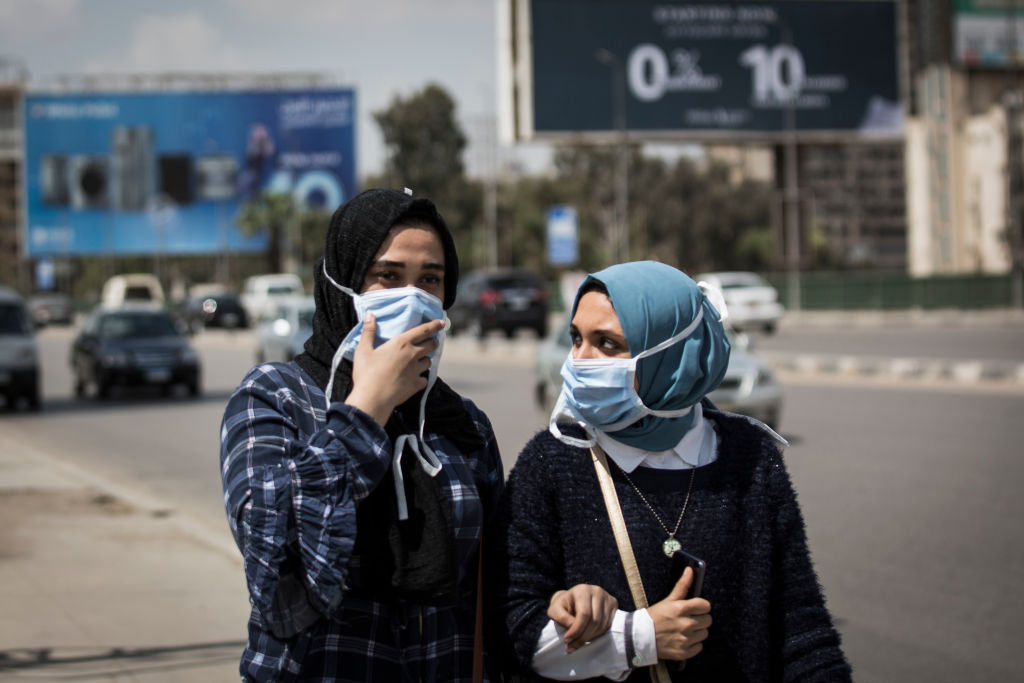
مثل الكثير من دول العالم، وقعت مصر في مُستنقع الجائحة في عام 2020. ومع ذلك، فإن قدرتها على إخراج نفسها من المُستنقع ستعتمد بشكل شبه كامل على حكومتها، وعلى الطريقة التي تختار بها مُعالجة مجموعة المُشكلات المُؤسسية التي كشفتها الجائحة.
The United States and the Gulf: Trapped in transition?
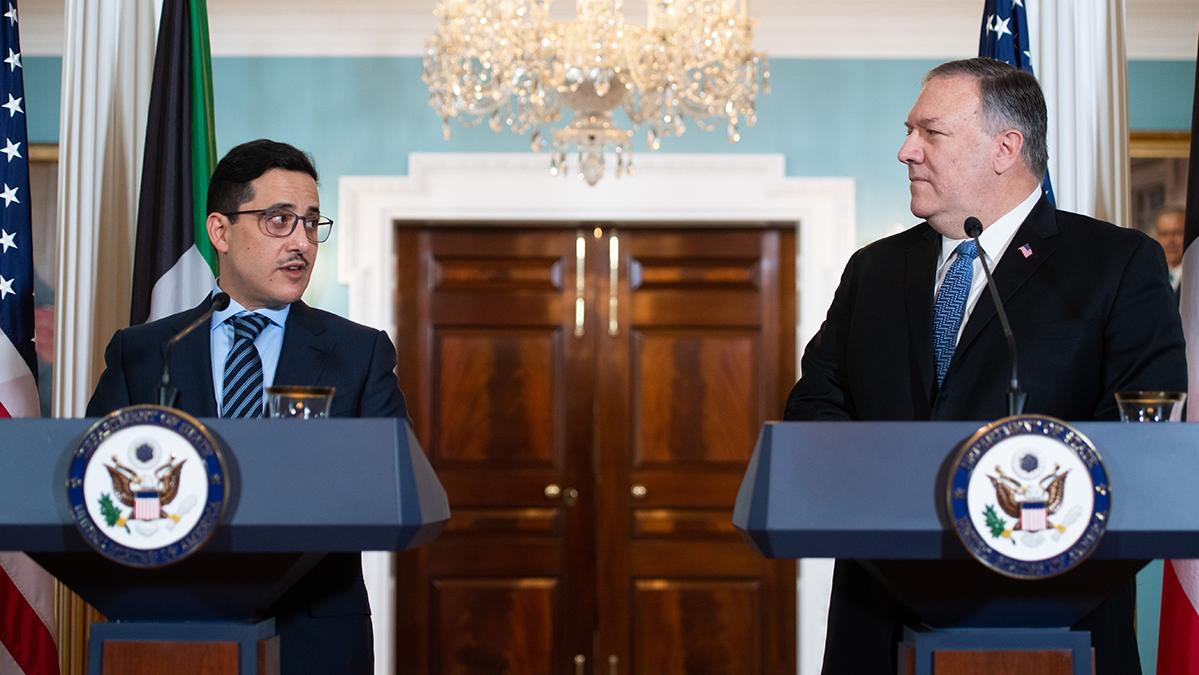
The mixed messages and pendulum swings in U.S. Gulf policy in recent years are rooted in and have further fueled deep questioning and a largely unresolved debate within the United States about America’s role in the region, and indeed in the world. Like the U.S., relations between the GCC and Iran are locked in confrontation. Breaking this impasse requires decisive U.S. reengagement in Gulf affairs led by vigorous, sustained diplomacy that promotes intra-GCC reconciliation and supports efforts aimed at tempering the Saudi-Iran strategic rivalry.
“Civilianizing” the State in the MENA and Asia Pacific Regions
There are numerous past and present cases around the world where security institutions — armed forces, police, intelligence services, militias and paramilitaries — have played important, if not decisive roles in buttressing or undermining the prolongation of authoritarian rule or conflict.
Turkey lies at the crossroads of Europe and Asia. Fueled by a dynamic economy, Turkey has emerged in recent years as an important geopolitical actor not just within the surrounding region but in the global arena as well. Turkey’s foreign and economic policy horizons today extend to the Far East. These essays explore the development of cultural, political, and economic links between Turkey and Asia.
India’s Relations with West Asia: What Patterns and What Future?
India’s interests and capabilities extend well beyond the subcontinent. This series explores the geopolitical dimensions, economic ties, transnational networks, and other aspects of India’s links with the Middle East (West Asia) — a region that plays a vital role in India’s economy and its future.
Writing in the July/August 2006 issue of Foreign Affairs, C. Rajan Mohan observed:
Let justice be done: Respect for female land rights in the Middle East and North Africa
Ownership of economic resources is integral to exercising agency and to assuring the human security needed to live free from fear, want, and indignity. In agrarian societies, land and its natural resources are instrumental to financial, physical, and psychological wellbeing. Yet in half the world, secure land ownership is out of reach for most females. In the Middle East and North Africa (MENA), there is a huge gender-based gap in holding agricultural land, including where agriculture is a vital source of livelihood. In Egypt, Morocco, Sudan, Tunisia, and Jordan, most females, regardless of their education or socio-economic status are landless. Gender-based inequalities are often rooted in cultural norms that permit and exacerbate patterns of discrimination against females within the family and in economic transactions. These discriminatory attitudes trump humanistic and moral considerations, creating and reinforcing inequality. Discrimination against females in resource ownership has far-reaching implications for their lives, their families, and society. It is imperative to combat this regressive practice to ensure a dignified life for all.
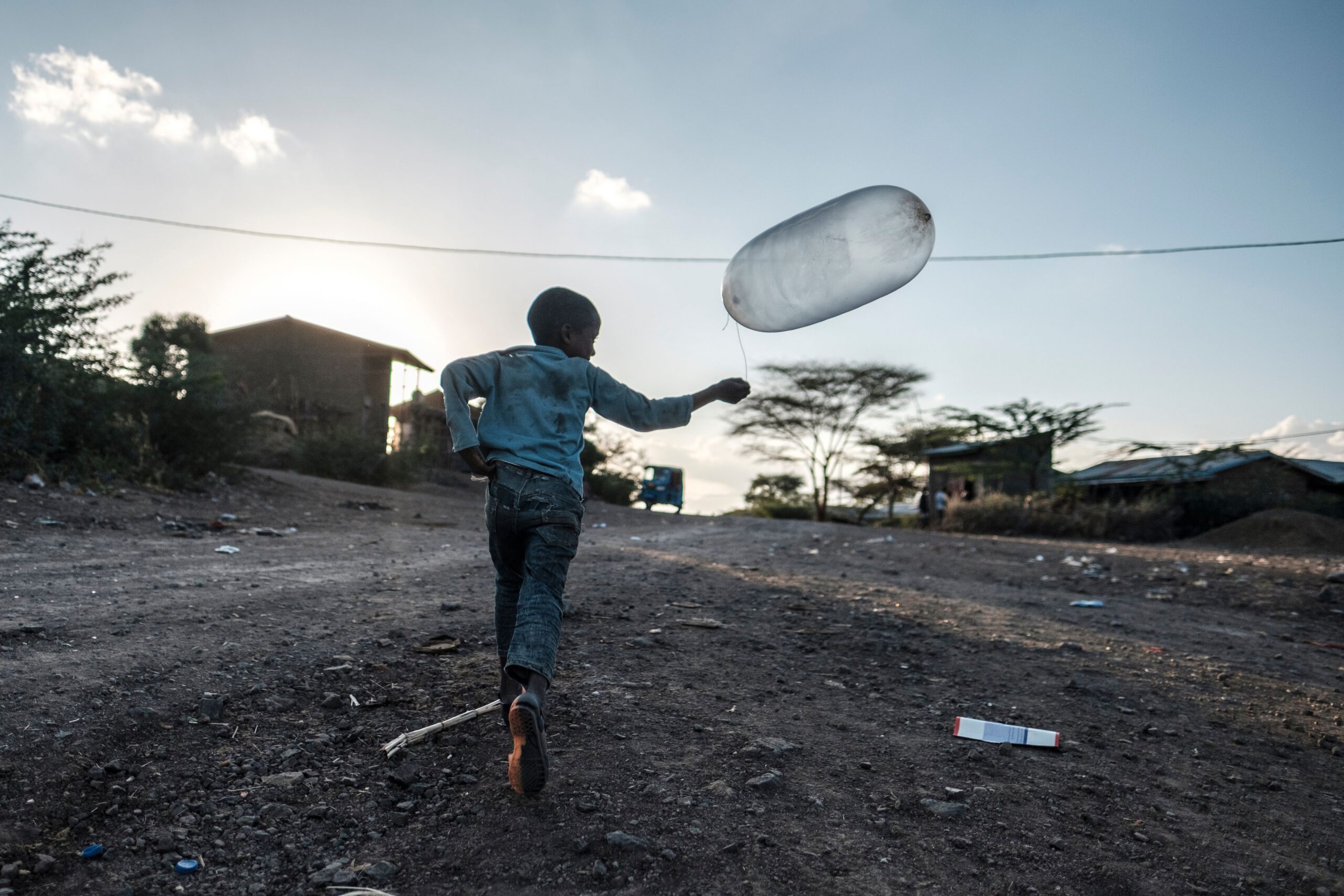
An Emboldened Horn of Africa Axis and an Unfolding Humanitarian Crisis Await the Biden Administration
As Joe Biden prepares to take office on January 20th of 2021, the U.S. and the world are facing multiple crises. Now is one of the worst times in American history as the country struggles through a major economic recession and a pandemic that has taken more than 300,000 American lives.In the Horn of Africa, his upcoming administration will grapple with longstanding challenges. However, this time, he will have to deal with the emboldened and unchecked leaders of the Horn of Africa — Prime Minister Abiy Ahmed of Ethiopia, President Mohamed Abdullahi (Farmaajo) of Somalia, and President Isaias Afwerki of Eritrea. Recently, the three leaders have formed an axis through the Horn of Africa Cooperation (HoAC) deal to consolidate security, stability, and economic integration.
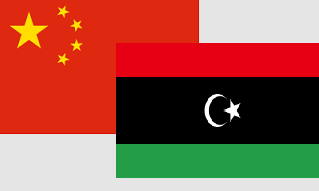
China’s Libya Policy and the BRI: Sights Set on the Future
The political turmoil that has plagued the region since the Arab Spring uprisings in 2011, most notably the ongoing conflict in Libya, has made it difficult for China to realize its aim of incorporating the Maghreb into the BRI framework. This article discusses China’s efforts to protect and promote its economic interests in Libya, thereby advancing its prospects for extending the BRI to the region.
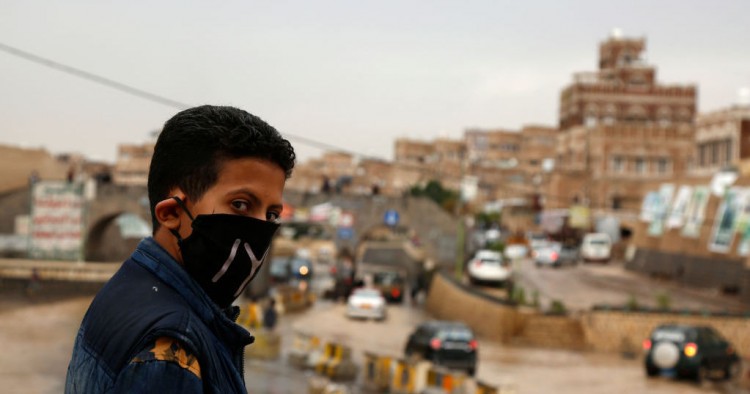
Political support, not terrorist designation, is key to moving forward in Yemen
Now is the time for a political reset in Yemen — and the United States must play an important role. This role must include encouraging all sides toward a more inclusive political process that reduces violence and raises Yemeni and international voices, and moves toward specific and achievable objectives over time. Solutions that purport to be either speedy or simple are, in fact, quite dangerous. To that point, the current administration’s consideration of designating Ansar Allah (the Houthi movement) as a foreign terrorist organization (FTO) will not help advance the United States or the other various participants in this conflict toward a durable strategic settlement.
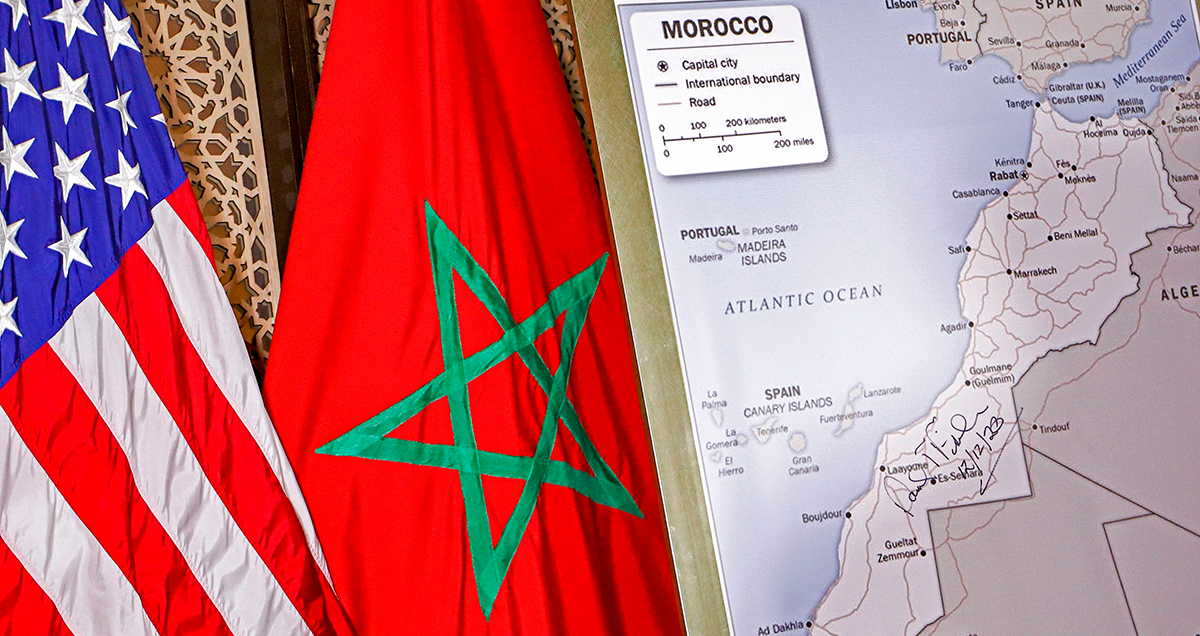
The recent exchange of quid pro quos between the U.S. and Morocco has been handled well by both sides, despite the ritual carping to be expected from opponents of the quid and the quo.
How can China mediate between Israel and Pakistan?
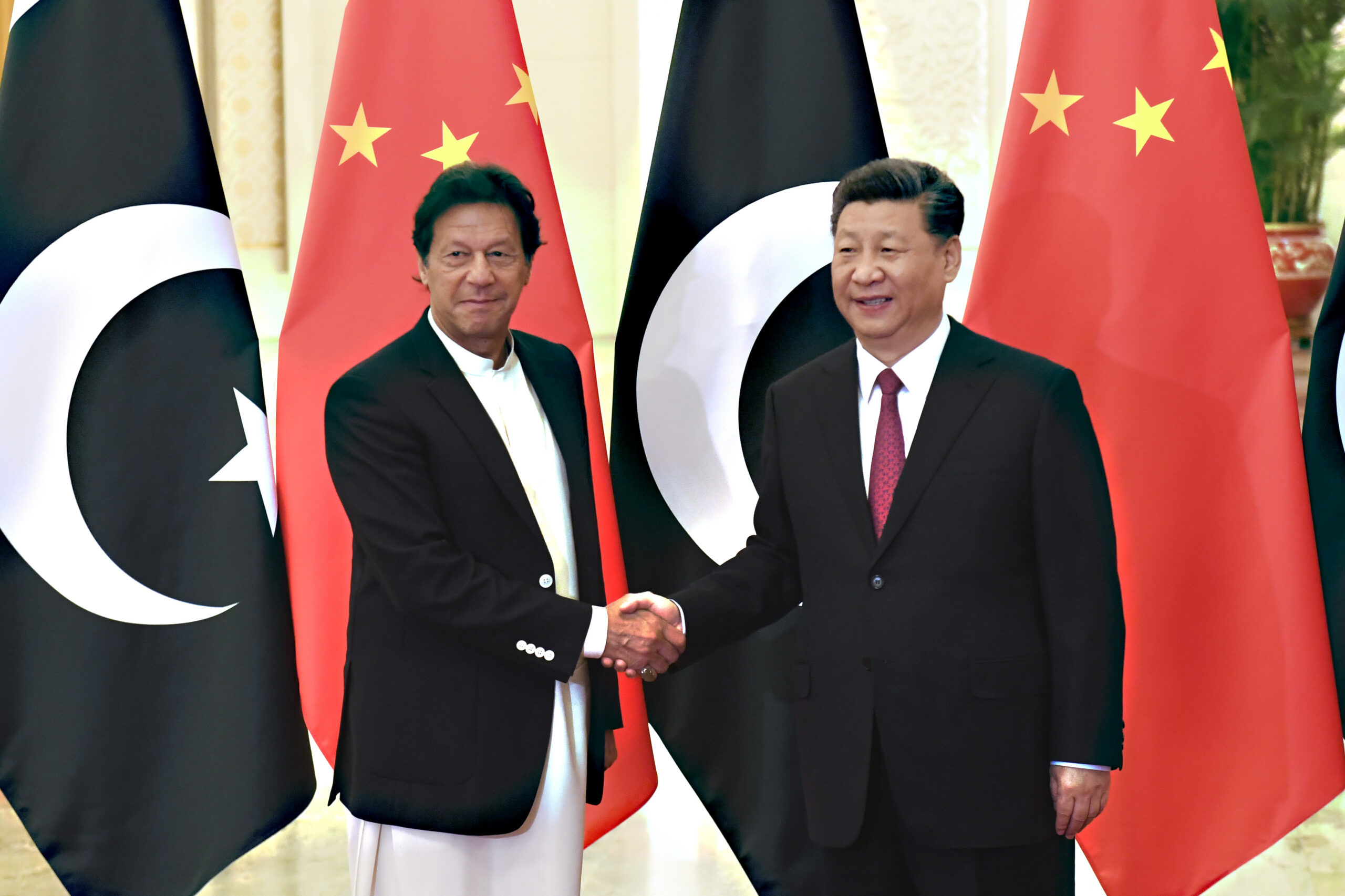
Pakistan’s Prime Minister Imran Khan recently revealed that several countries are pressuring Islamabad to follow in the footsteps of the Gulf states by recognizing the state of Israel. Khan, however, expressed opposition to this idea, at least until there is a political settlement that meets Palestinian demands. While full normalization between Israel and Pakistan may still be out of reach, China could mediate between these two countries which have never established a diplomatic relationship.