Nabil Mohsen is an Intern at the Middle East Institute’s Oman Library. He is a determined learner who enjoys his studies in politics and is interested in Islamic history, architecture, and ceramics.
The Latest from Nabil Mohsen
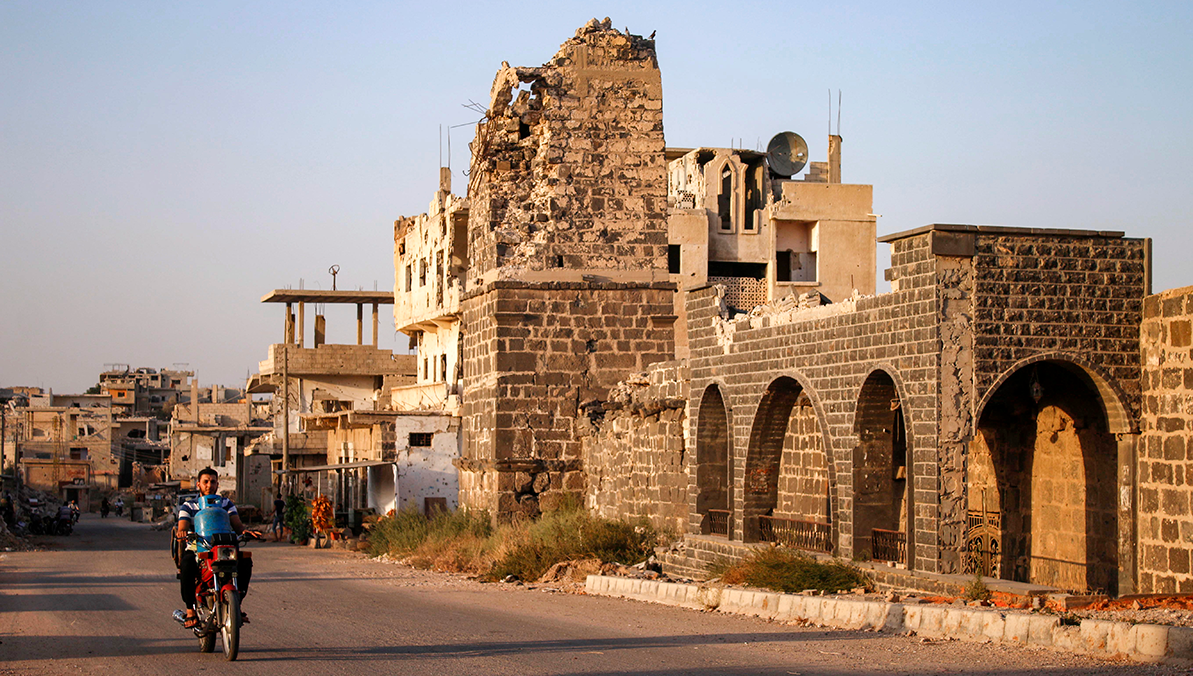
Stealing from the Saracens: How Islamic Architecture Shaped Europe
Drawing on ideas and styles passed from vibrant Middle East trading cities into the West, the architectural heritage of Europe — and America — owes an important debt to the Arab and Islamic world.
Esper’s Curious Partners-and-Allies Initiative
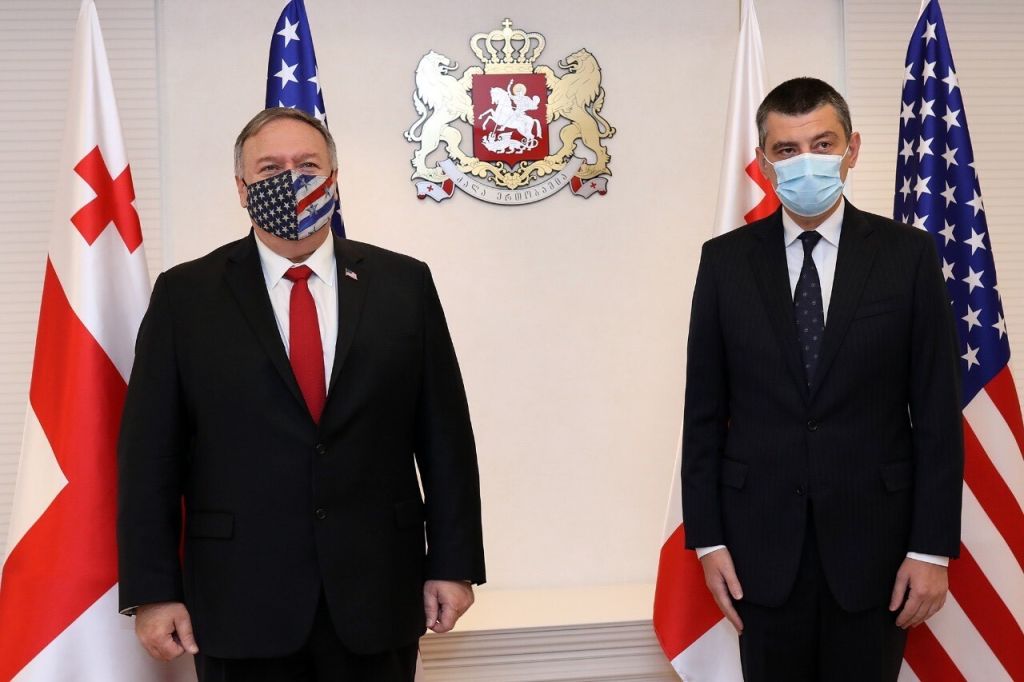
There are several curious aspects to the Pentagon’s new Guidance for Development of Alliances and Partnerships, or GDAP, which was publicly unveiled by U.S. Secretary of Defense Mark Esper on Oct. 20.
Let’s start with the context. Both as a candidate and later as president, Donald Trump has taken a transactional view of U.S. alliances and partnerships, alienating France, Germany, and other NATO allies in the process. Whether GDAP is an attempt to make amends remains to be seen.
Russia and Turkey in Nagorno-Karabakh: A recipe for long-term instability
Deadly fighting between Armenian and Azerbaijani forces over the disputed enclave of Nagorno-Karabakh has continued unabated for over a month. This so-called “frozen conflict” on Russia’s periphery was never truly frozen. Unresolved grievances on both sides festered for almost three decades, and smaller skirmishes periodically erupted. But this time the fighting emerged as the largest and deadliest flare-up and even spilled into neighboring Iran. Turkish President Recep Tayyip Erdogan’s support for Azerbaijan played a decisive role in raising the scale and turning the tide in favor of Azerbaijan. Turkish involvement raises questions about Moscow’s role and expectations, and the broader Russia-Turkey relationship.
Iran and US policy after the election
Nazila Fathi, Nazee Moinian, and Alex Vatanka join host Alistair Taylor to discuss Iran, U.S. policy, and the potential impact of the upcoming presidential election.
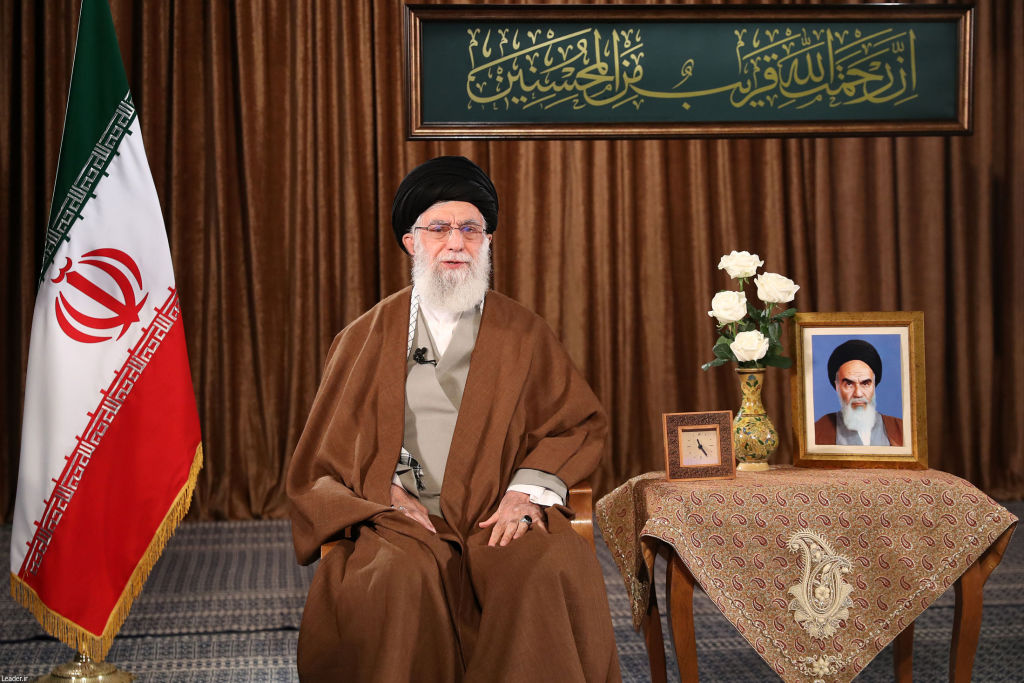
Women in Iran: Political representation without rights
The Islamic Republic of Iran recently announced that it is now welcoming the possibility of women’s leadership at the highest levels of government. Optimists are celebrating this development in the belief that it could reinvigorate weak voter turnout and lead to much-needed reforms in the country. But a more realistic analysis finds that this is little more than a cynical ploy. There is an overwhelming body of evidence that suggests not much has happened to truly advance women’s rights in the Islamic Republic in years.
Left to fend for themselves, Israel’s Bedouin are struggling with COVID-19
The COVID-19 pandemic is impacting all communities in Israel, but it has hit some of them much harder than others. The plight of the Haredim (ultra-Orthodox Jews) has been widely publicized, but the Bedouin of the Negev Desert are also being devastated by the pandemic and no one seems to care.
Voices from Turkish Politics: A Conversation with Dr. Nazir Cihangir Islam
Shifting Gears: HTS’s Evolving Use of SVBIEDs During the Idlib Offensive of 2019-20
Since May 2019, a series of Syrian loyalist offensives backed by the Russian air force has gradually encroached upon the country’s northwestern Idlib Province, home to the last major pocket of opposition-held territory. As the chief rebel group in control of Idlib, Hayat Tahrir al-Sham (HTS) has employed dozens of suicide car bombs as part of its continued defense of the area. Formally known as suicide vehicle-born improvised explosive devices (SVBIEDs), these weapons have been a cornerstone of the group’s — and by extension, the entire opposition’s — military strategy since early stages of the war, when rebel forces began capturing and holding territory. In an attempt to further understand this strategy and how it has evolved over time, this case study seeks to compare and contrast HTS’s past and current use of SVBIEDs, with a heavy focus on the latter. It will also examine HTS’s evolving SVBIED design, paying particular attention to technical innovations such as environment-specific paint schemes, drone support teams, tablets with target coordinates, and live camera feeds, as well as upgraded main charges.
Escalation in Karabakh: Implications for the Southern Gas Corridor
The renewed military conflict in Nagorno-Karabakh between Azerbaijan and Armenia threatens geopolitical stability in the wider Black Sea-Caspian region, and has the potential to evolve into greater regional escalation. The scale of military operations, and range of heavy military equipment involved, is increasing risks for major energy and transportation infrastructure, which connect Caspian oil and natural gas fields in Azerbaijan to major energy markets in Turkey, the Mediterranean, and different parts of Europe.
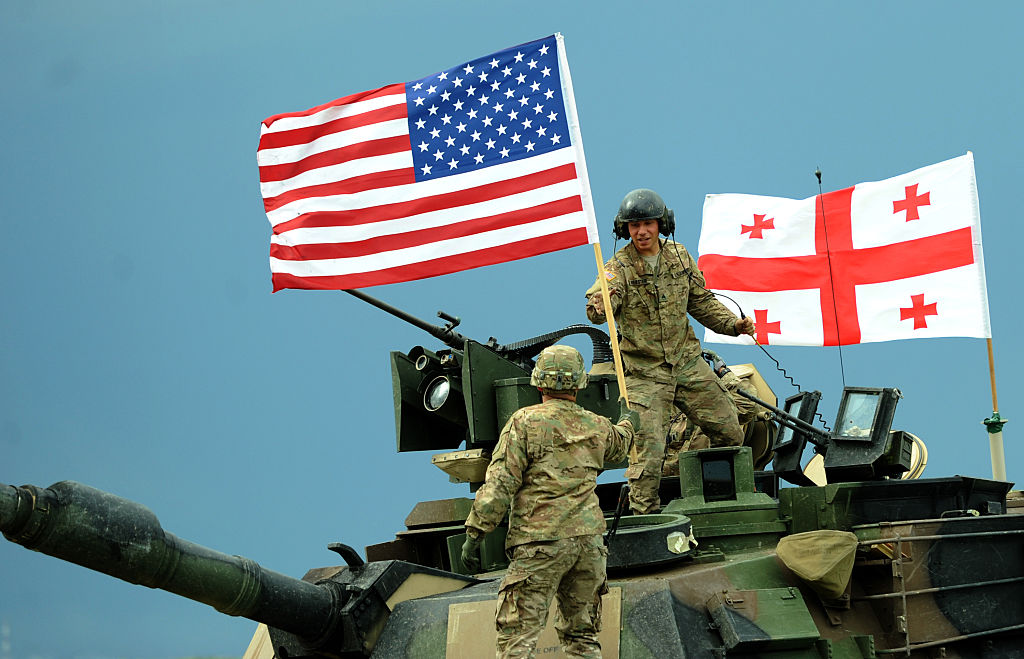
Continuity and change in America’s military partnership with Ukraine
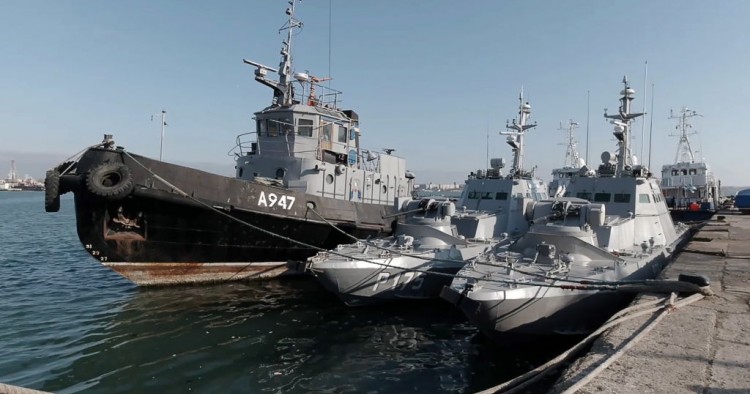
The 2014 Russian annexation of Crimea and conflict in the Eastern region of Donbas not only breached commitments made by Russia as a signatory of the Budapest Memorandum twenty years earlier, but also tested the ability of the U.S. and U.K to guarantee peace in Ukraine and hold the aggressor accountable for its malevolent actions.
Oman plays it safe on Israel
Since Aug. 13, speculation has been rife that the Sultanate of Oman will soon follow the United Arab Emirates’ (UAE) lead and formalize full-fledged ties with Israel. Yet, at least thus far, Muscat has refused to join the UAE, Bahrain, and now Sudan in normalizing relations with Tel Aviv. As a moderate Arab country, where tolerance is firmly embedded into the national ethos and the Ibadi sect of Islam, Oman appears to be maintaining a balanced position on the overall Arab trend toward normalizing relations with Israel. Muscat’s positive reaction to the Abraham Accords is not a major change in strategy and is more illustrative of Oman’s longstanding position on normalization.
Economic Development and Security: Three Seas Initiative in the Black Sea
Monday Briefing: Regional reverberations of the Sudan-Israel announcement
This week’s briefing on recent news and upcoming events in the region featuring Paul Salem, Jonathan M. Winer, Gonul Tol, Mohammed Soliman, Marvin G. Weinbaum, Elizabeth Dent, Mirette F. Mabrouk, and Robert S. Ford.