Nabil Mohsen is an Intern at the Middle East Institute’s Oman Library. He is a determined learner who enjoys his studies in politics and is interested in Islamic history, architecture, and ceramics.
The Latest from Nabil Mohsen
Iran Says U.S.-Russia Ceasefire Could Be Successful Only If Expanded to All Syria
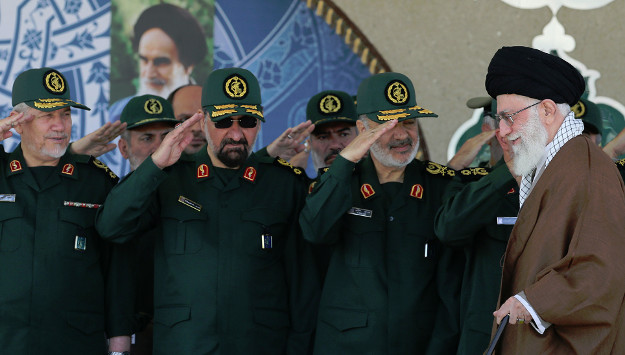
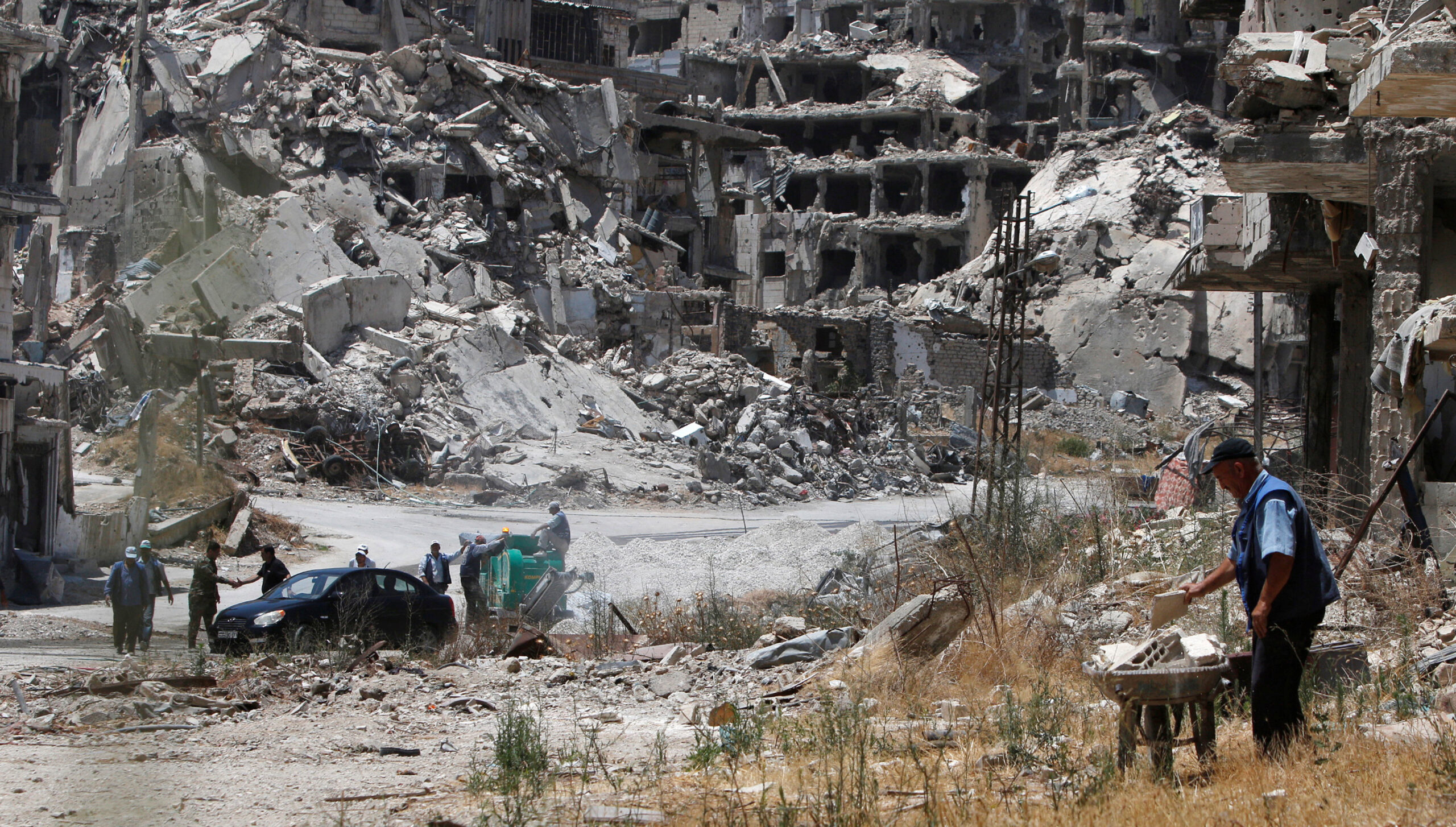
The Iranian Foreign Ministry has said that the latest agreement between the United States and Russia on a ceasefire mechanism in southern Syria could be successful only if it is expanded to all of Syria, the Iranian media reported today. Foreign Ministry Spokesman Bahram Ghassemi told a press conference in Tehran that the agreement should complement four other de-escalation zones that had already been decided upon at the Astana summit by Russia, Iran, Turkey and Syria.
We always knew Qatar was trouble, as the 1990s escape of terror mastermind Khalid Sheikh Muhammad showed
Read the full op-ed on the New York Daily News.
Amid all the accusations being traded recently against each other by Gulf Arab states some truths are getting lost in the smoke.
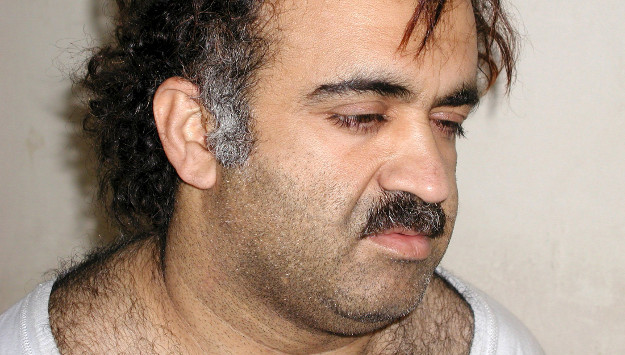
It has been true that Qatar has served as a sanctuary for leaders of groups that the U.S. or other countries deem to be terrorist organizations. That, however, is nothing new. It has been going on for at least 20 years — and one of those who had sanctuary was the mastermind of the 9-11 attacks.
Head of I.R.G.C.’s Khatam al-Anbia Blasts Rouhani’s Economic Policies, Deal with Total
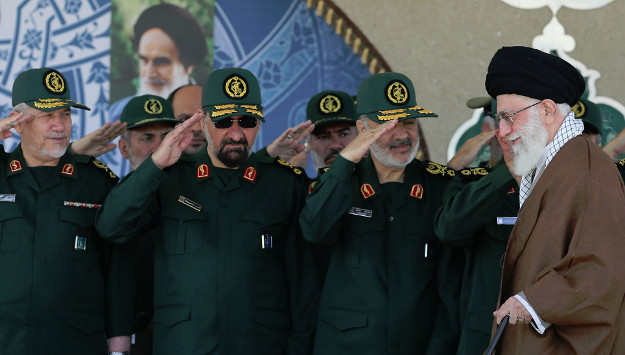
The commander of Khatam al-Anbia Construction Headquarters, a conglomerate of the Islamic Revolution Guards Corps (I.R.G.C.), blasted President Hassan Rouhani’s economic policies and said he “harbors a serious grievance against the Rouhani government.” In an interview with Iran’s state-run television, Gene
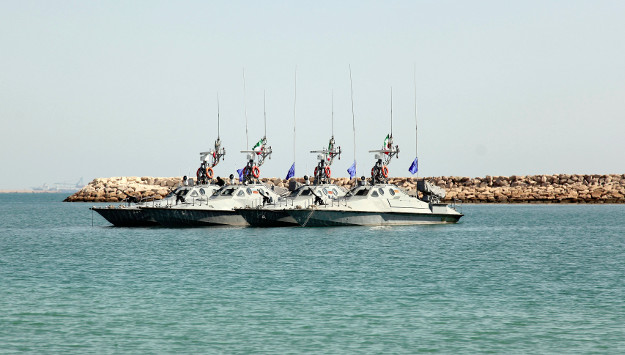
I.R.G.C. Seizes Saudi Boat, Detains Four Crew Members
The naval forces of the Islamic Revolution Guards Crops (I.R.G.C.) have seized a Saudi vessel for allegedly trespassing on Iranian territorial waters, the Iranian media reported today. Majid Agha-Babaei, the director-general of border affairs at Iran’s Interior Ministry, said I.R.G.C.
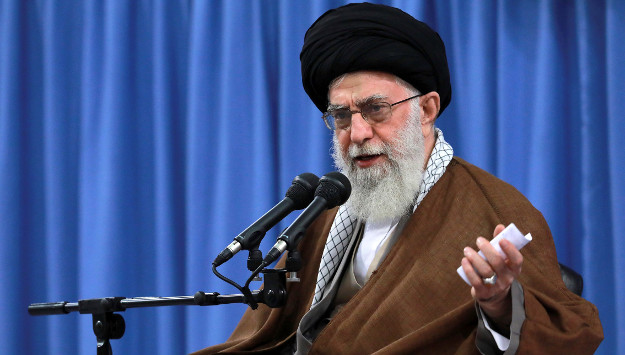
Khamenei’s Kashmir Remarks Draw Praise in Pakistan, Rebuke in India
Supreme Leader Ali Khamenei’s latest remarks about Kashmir have triggered reactions in both Pakistan and India.
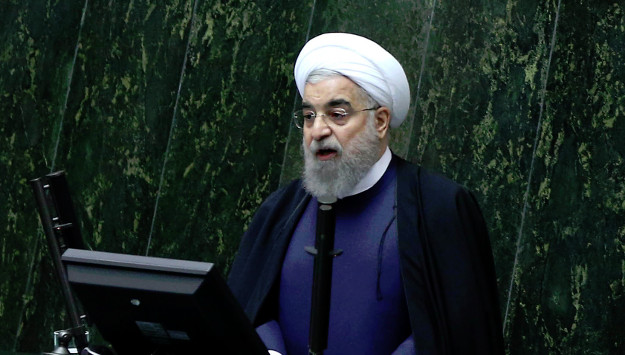
Protestors in Southern Afghanistan Chant Anti-Iran Slogans after Rouhani’s Water Remarks
Earlier today, hundreds of people marched the streets of Lashkargah, the capital of Afghanistan’s volatile Helmand Province, to protest Iranian President Hassan Rouhani’s latest remarks on water dispute with Afghanistan, the Afghan media reported. Speaking at an international conference on tackling dust storm, Rouhani had criticized the Afghan government and its international allies for constructing dams and preventing the flow of sufficient water into Iran.

Yemen War and Qatar Crisis Challenge Oman’s Neutrality
Living on the periphery of the tumultuous Middle East, Omanis do not take their security for granted. Oman has been free of violent unrest since the Sultanate crushed the Dhofar Rebellion in 1976. Yet Oman is situated in a dangerous neighborhood, and the Arab Gulf country is not immune to transregional threats.
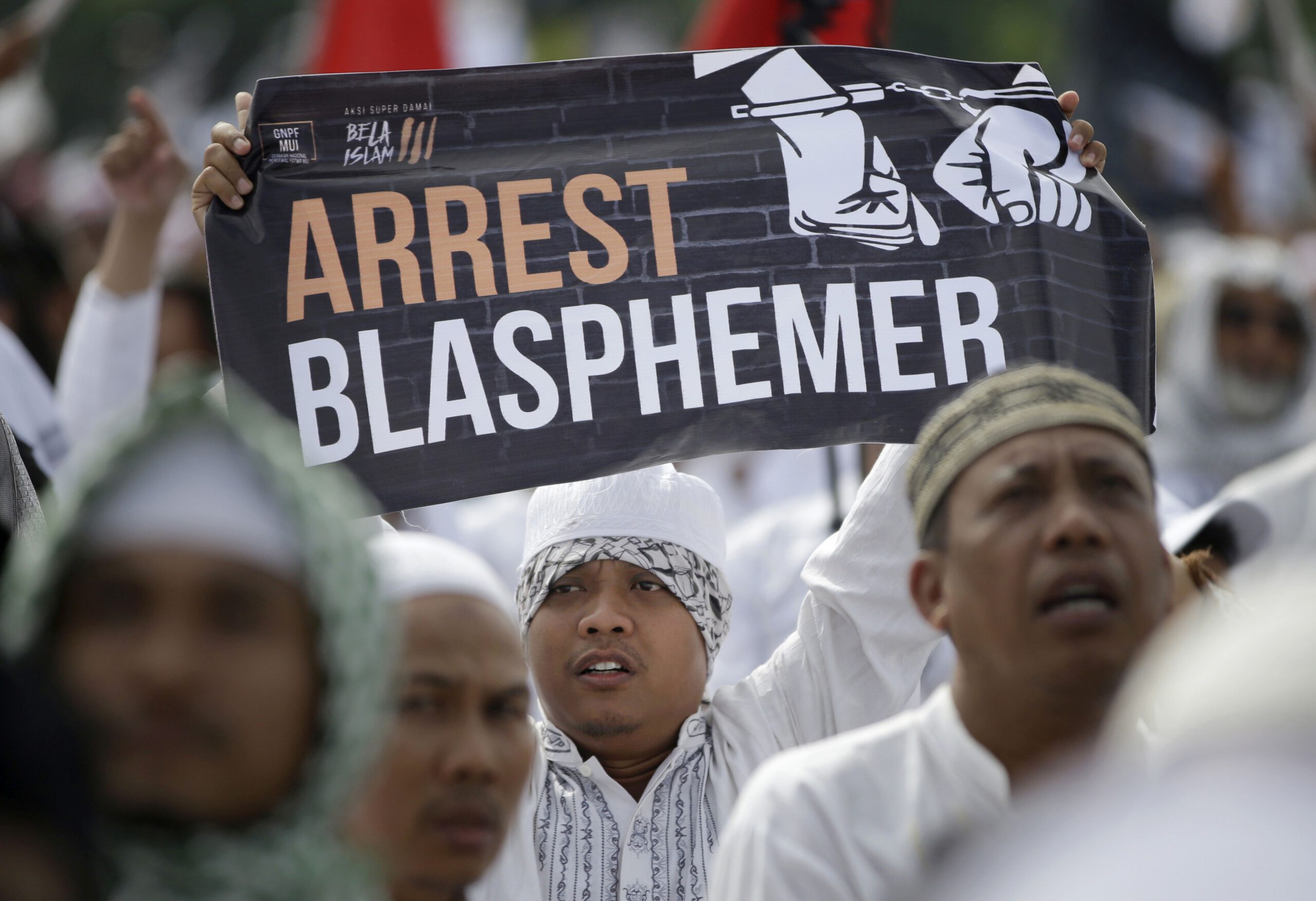
Jakarta’s Political Turmoil: Post-storm Thoughts on the Moderate Muslim Mainstream
Jakarta, the hub of Indonesian politics, was caught in the eye of a storm when a series of massive protests erupted, calling for the prosecution of the ethnic Chinese Christian Governor Basuki Tjahaja “Ahok” Purnama for allegedly having committed blasphemy against Islam. What do these developments, together with Ahok’s subsequent defeat for reelection and criminal conviction, signify or portend for Indonesia’s formative values and democratic consolidation? To what extent has the country’s “moderate Muslim mainstream” stepped up to the challenge represented by these events? This essay addresses these questions.
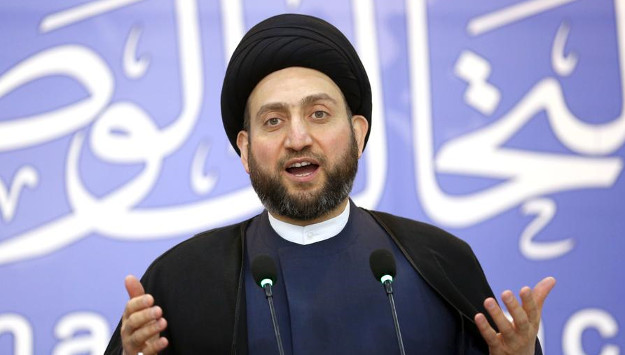
Top Iraqi Politician Says Baghdad Will Limit U.S. Military Role in Iraq after Mosul Battle
Ammar al-Hakim, the head of Iraq’s Shiite ruling coalition, has said during his visit to Tehran that the Baghdad government will reduce the number of American military advisors and their role after the liberation of Mosul. “We emphasize that we oppose the presence of their military forces the same way we opposed foreign military bases on the Iraqi soil,” Hakim said in an interview with Fars News Agency, which is affiliated with the Islamic Revolution Guards Corps (I.R.G.C.).
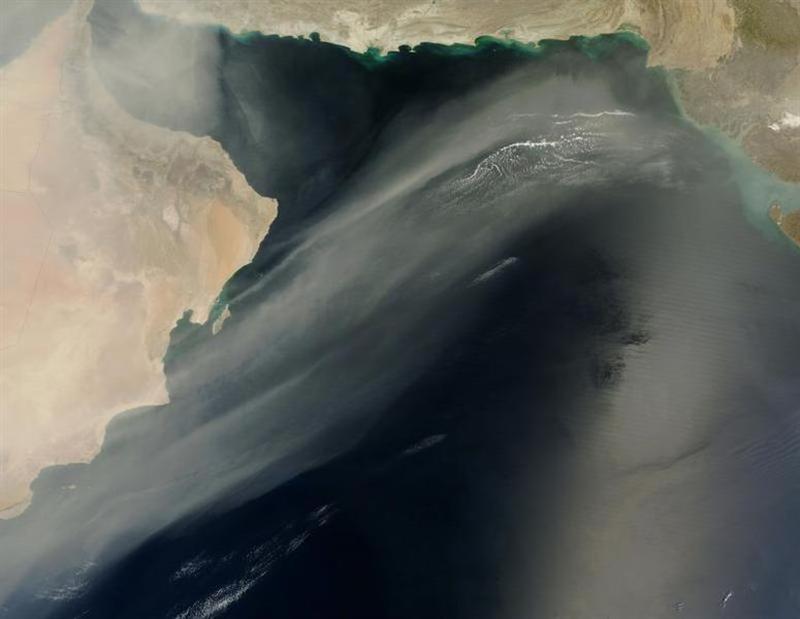
Growing Environmental Problems Strain Iran’s Ties with Its Neighbors
Iran’s growing environmental challenges have recently reached crisis point. Water scarcity and air pollution, in particular, have not only caused sociopolitical and security problems inside the country, but have also strained Iran’s relations with its neighbors. As the Islamic State is losing ground in Iraq and Syria, Iran and Turkey are particularly vying for the control of water in the region.

Monday Briefing: G-20 Summit, Gulf Crisis, Modi to Israel, Astana Talks
In this week’s Monday Briefing, MEI experts Allen Keiswetter, Gerald Feierstein, Eran Etzion, and Randa Slim provide analysis on recent and upcoming events including this week’s G-20 Summit, the ongoing G.C.C. crisis, Indian PM Narendra Modi’s visit to Israel, and the Astana talks on Syria.
Middle East to Loom Large at G-20 Summit
Allen Keiswetter, MEI Scholar