This individual is a guest contributor. MEI is not able to assist with contact requests.
Nabil Mohsen is an Intern at the Middle East Institute’s Oman Library. He is a determined learner who enjoys his studies in politics and is interested in Islamic history, architecture, and ceramics.
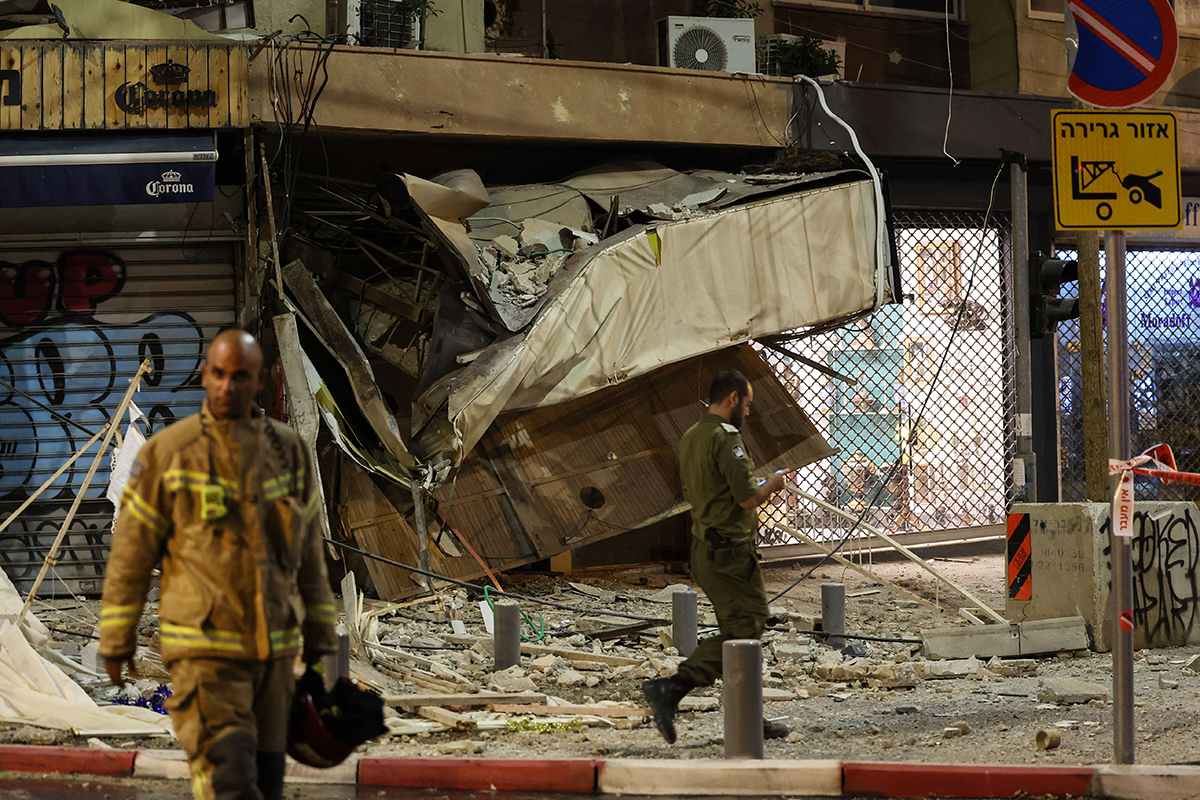
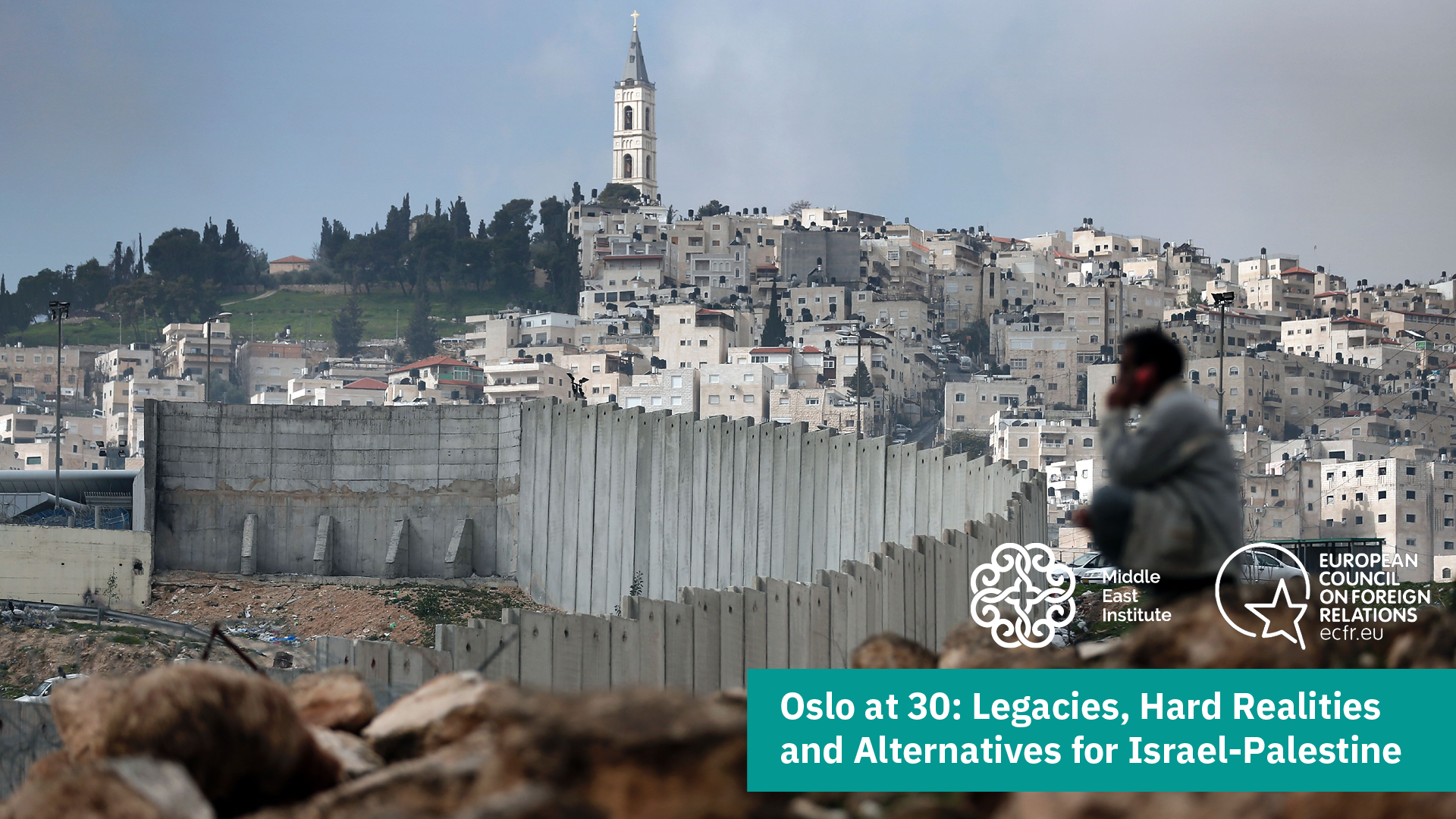
In the latest installment of the Defense Rapid Reaction series, experts from MEI’s Defense & Security Program provide their views on the Oct. 7 Hamas surprise attack on Israel and what it might mean for Israelis and Palestinians, the wider region, and U.S. policy.
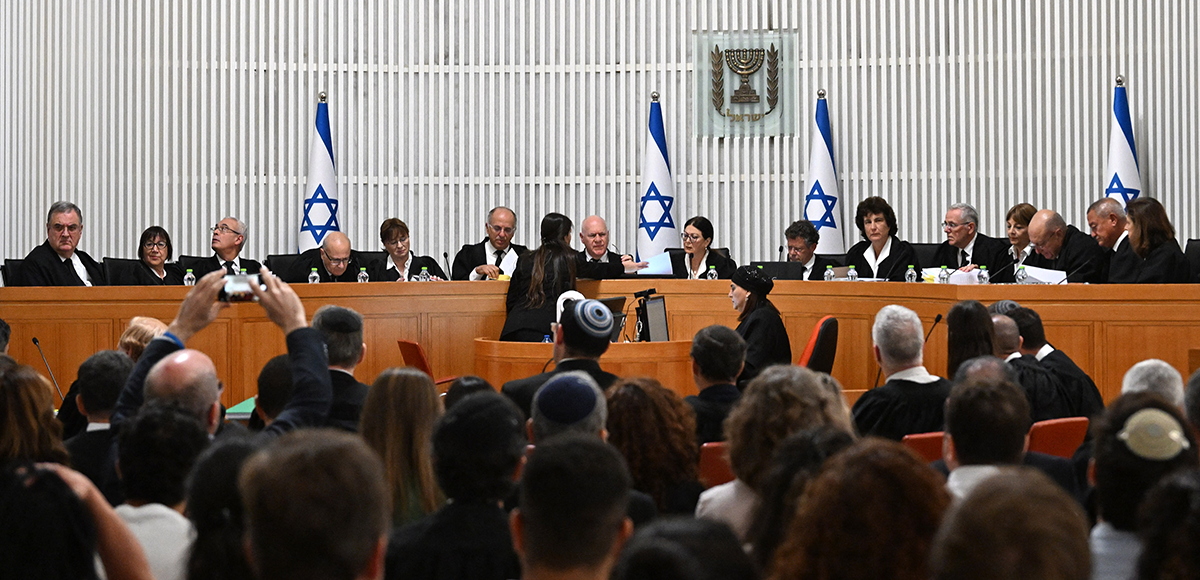
Understanding the legal drama in Israel: Will the Supreme Court prevent a constitutional crisis?
After a year of unprecedented events, Israel’s political and constitutional turmoil came to a head on Sept. 12, when the Supreme Court heard oral arguments in a critical case that will determine the future of the Netanyahu government’s judicial overhaul. The arguments concern the so-called Reasonableness Amendment, passed by Israel’s parliament in late July; this amendment to the country’s Basic Laws would partially strip the Supreme Court of its authority to review governmental acts.
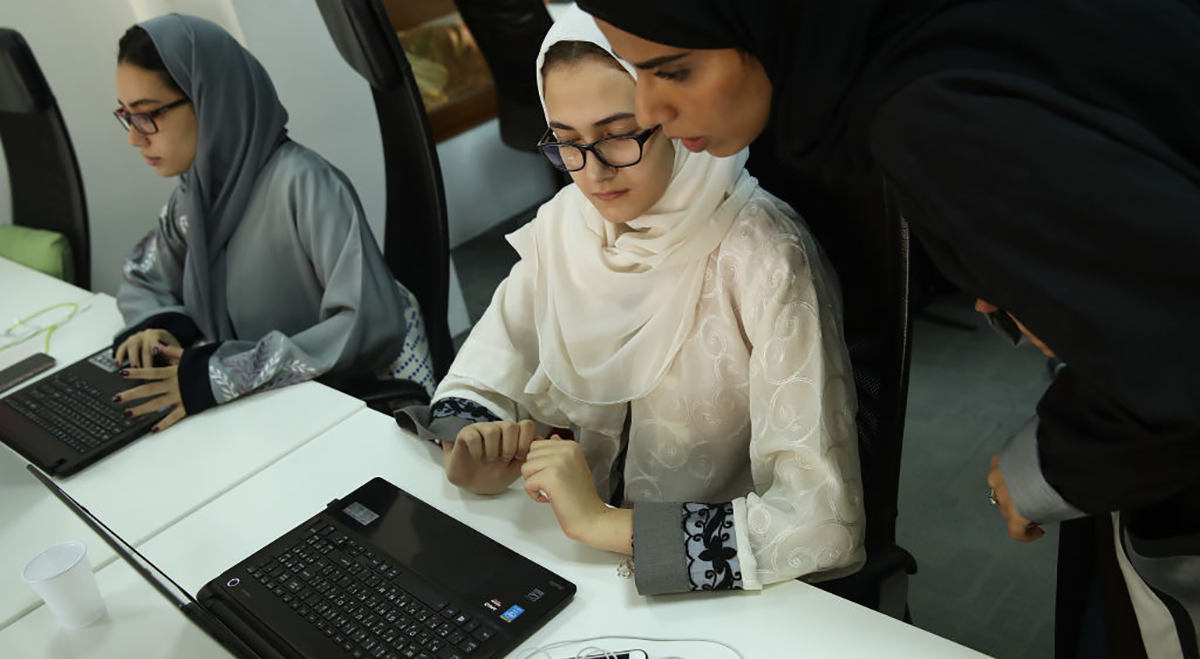
The US Cyber Workforce and Education Strategy: A blueprint for building cyber talent in the Gulf
In July 2023, the White House released the National Cyber Workforce and Education Strategy. The strategy is designed to address the cybersecurity workforce shortage by emphasizing skills-based hiring and lifelong learning. It also provides guidance for other nations, particularly in the Gulf region, as they undergo their own digital transformation and work toward gender equality in their workforces.
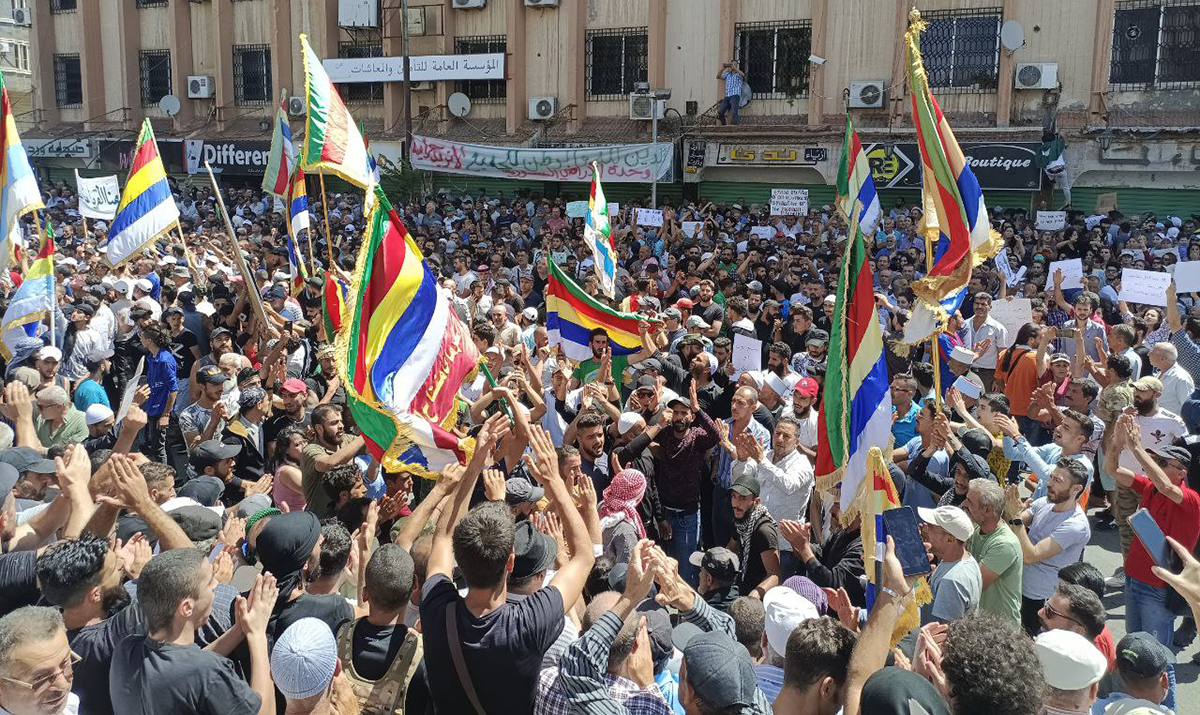
Syria’s Suwayda protests underscore pressing need for a political solution
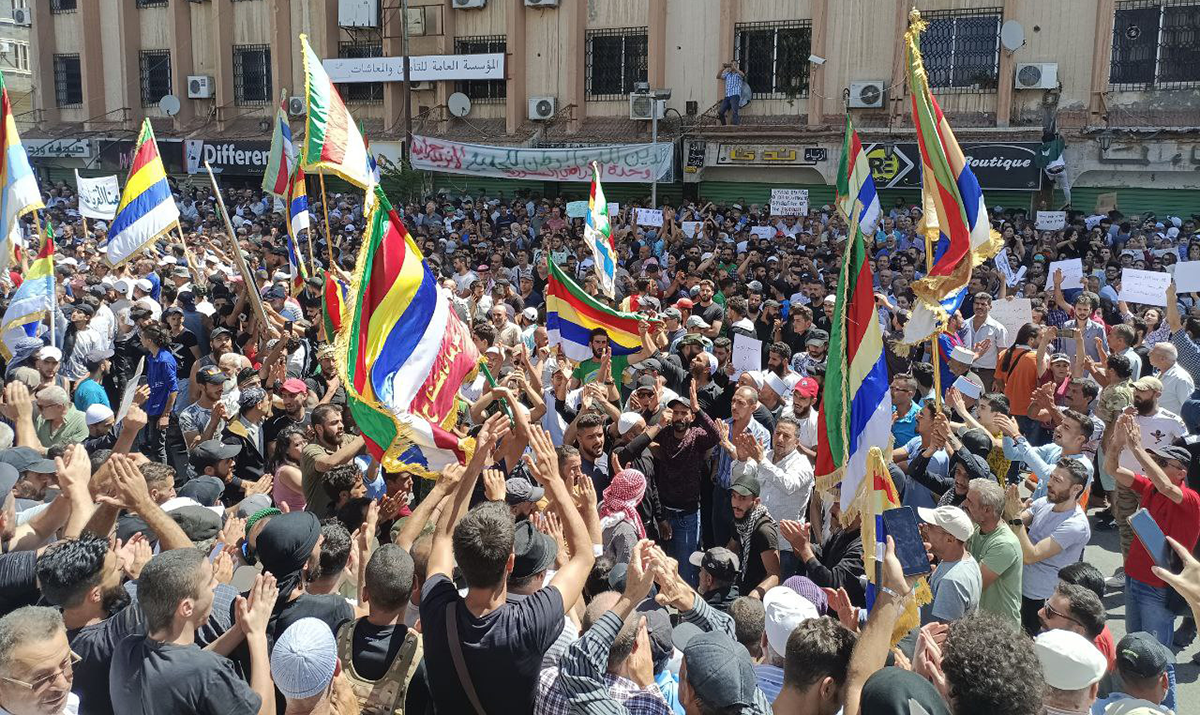
Despite the great magnitude of the disaster that has befallen Syria over the past 12 years, Syrians have not wavered in their perseverance and belief in their right to a free and dignified life. In the city of Suwayda in the south, for the seventh consecutive week now, peaceful popular demonstrations continue with diverse participation from all segments of the Syrian people.
مظاهرات السويداء في سوريا تؤكد الضرورة الملحّة الى الحل السياسي
فمن مدينة السويداء في الجنوب ، وللأسبوع السابع على التوالي، تستمر مظاهراتها الشعبية السلمية وبمشاركة متنوعة لكل أطياف الشعب السوري ممن تمكن من الوصول لساحاتها، وتتجاوب معها بعض من المدن السورية، معيدة احياء مسيرة الثورة السورية التي انطلقت في أذار 2011.
Nagorno Karabakh offers the US a chance to make new friends and weaken old enemies
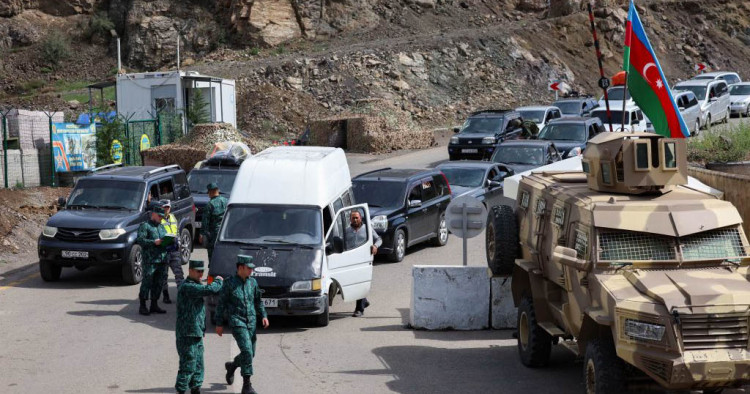
The latest war over Nagorno Karabakh lasted a single day, ending on Sept. 20. It is the third war over the region disputed between Azerbaijan and Armenia in the last three and a half decades.
But this time, it seems there was really only one party to the conflict. Armenia stayed out, leaving it to the Armenians of Nagorno Karabakh to surrender.
A hundred thousand people have fled to Armenia, roughly 80 percent of the Karabakh population. What’s more, Armenia’s most powerful allies, Iran and Russia, appear to be distracted and marginally engaged.
Fires of Damascus: Protecting Syria’s homes and heritage from the failed and rapacious state
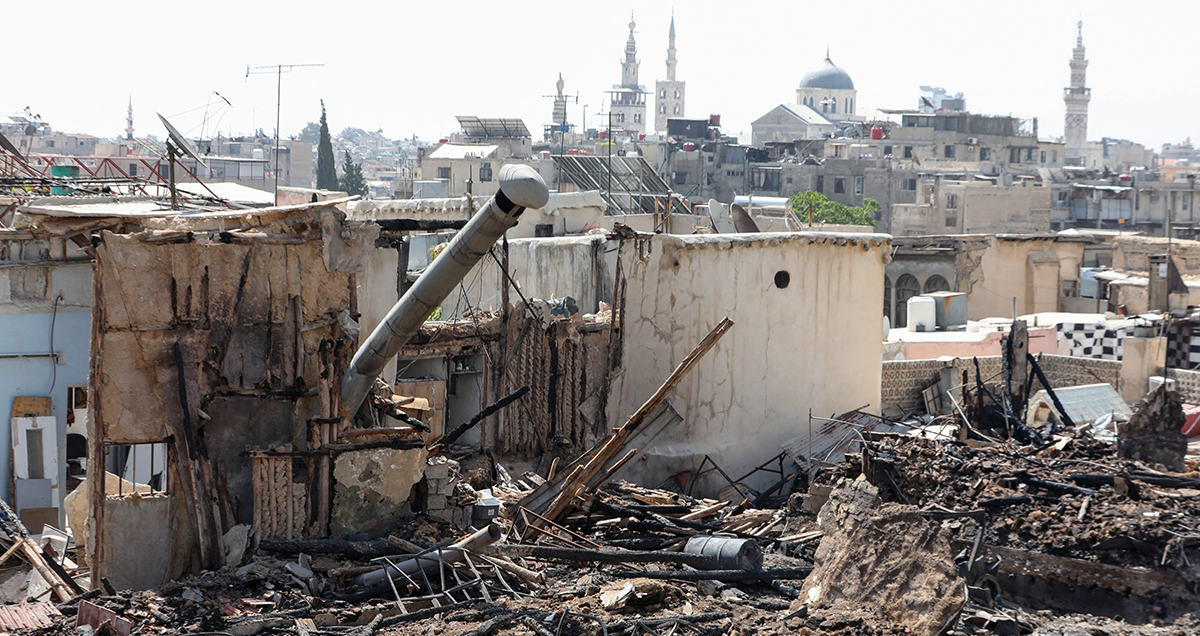
July 16, 2023, was a dark day for the ancient city of Damascus. A fire raged through the historic Sarouja neighborhood, reducing a number of heritage homes to ashes. Two months later, in September 2023, a residential building in the Syrian capital’s Malki neighborhood partially collapsed as a result of unauthorized excavation for a basement. While these events might not seem connected, they underscore an overarching issue: the vulnerability of Damascus properties in the face of natural and man-made crises, exacerbated by corruption, greed, and failed and vicious state policies.
Myths and realities of ‘gender apartheid’ in Afghanistan under the Taliban
The dire state of girls and women in Afghanistan under the Taliban, a tragedy that has featured frequently in international media reports in the last two years, came up for discussion in the United Nations Security Council (UNSC) on September 27. The UNSC convened for an open briefing, followed by consultations focusing on the severe restrictions imposed on the rights of women and girls in the country.
Climate change and the Arabian Sea: Adapting to a “new normal”
In the summer of 2022, flash flooding due to heavy monsoon rains in Pakistan, Oman, the UAE, and southeast Iran killed well over 1,000 people. In this part of the world, the extreme shifts in weather between monsoon and dry season dictate subsistence cycles and financial livelihood. Shifting global precipitation patterns due to climate change, however, are altering the timing and magnitude of these events. What can be done to adapt to this new reality? Can infrastructure be adapted, optimized, or possibly even reimagined to take advantage of such events?
Shared governance of groundwater resources: The case of the Nubian Sandstone Aquifer System
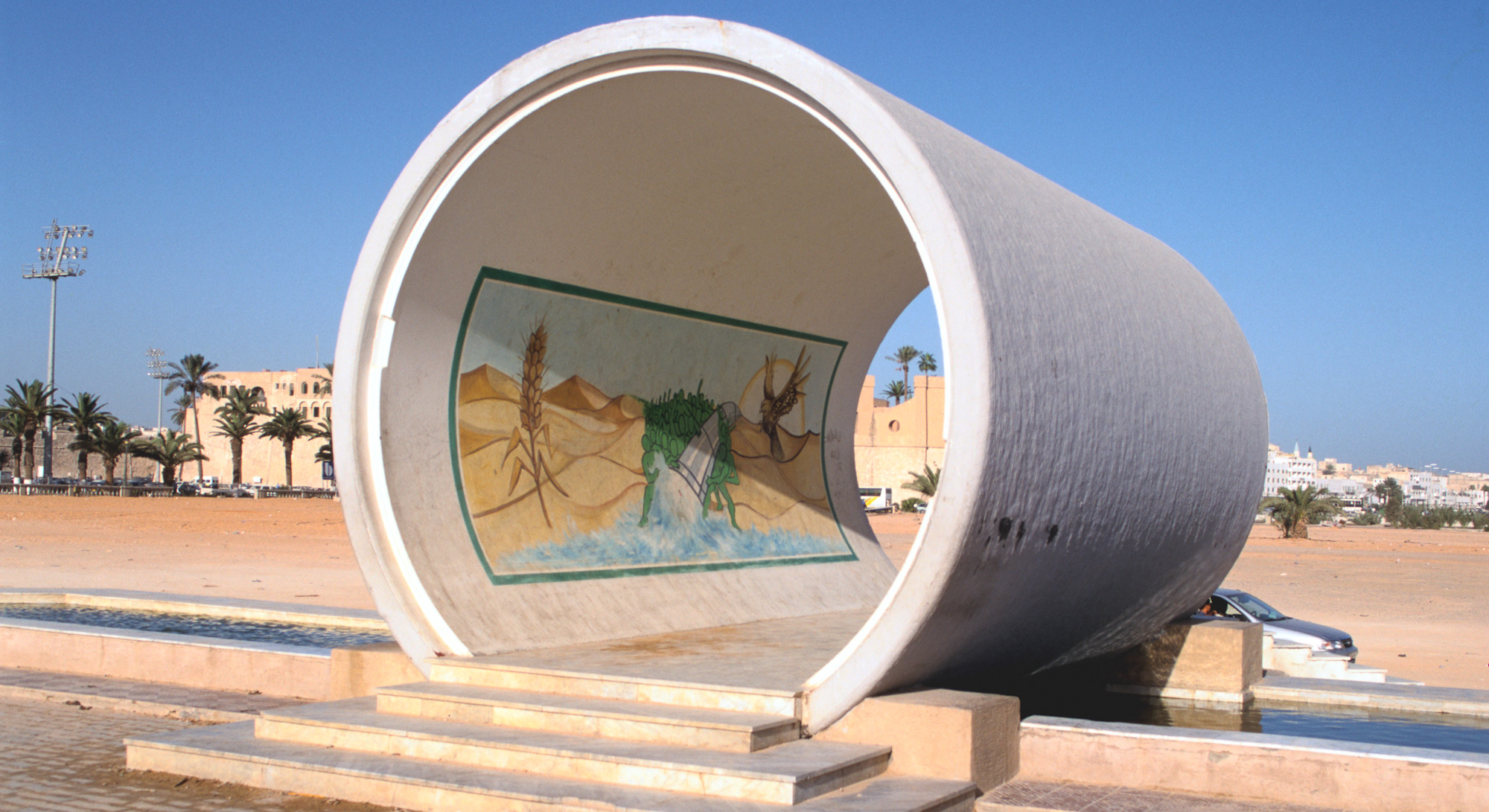
Groundwater resources are critical for the MENA region as much of it suffers from high water scarcity, and for some countries, groundwater aquifers are the only sources of available freshwater supply. The Nubian Sandstone Aquifer System in northeastern Africa is one of the most prominent examples, and must be managed properly in order to maintain regional security and avoid transboundary conflicts.
Human rights to counter terrorism: Now is the time for a Global Humanitarian Coalition to Defeat ISIS
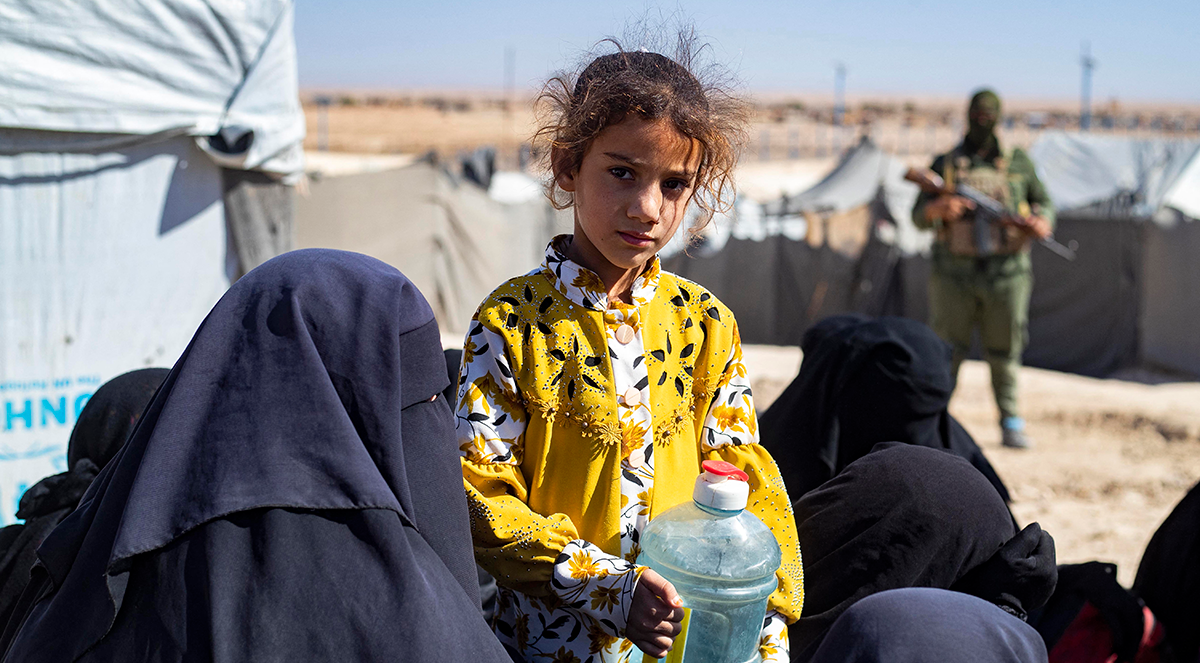
There is an urgent need for a Global Humanitarian Coalition to Defeat ISIS to conduct human rights-centered action and build upon hard-fought military gains in the campaign against ISIS. Repatriation of all third-country nationals in the squalid detention camps and prisons in northeast Syria must be the first joint task in order to ease the burden of the local administration and to accomplish long-sought security, justice, and stabilization goals.
التحرك بحذر على رمال متحركة: تقييم نهج بايدن في سياسة الشرق الأوسط، 2021-2023
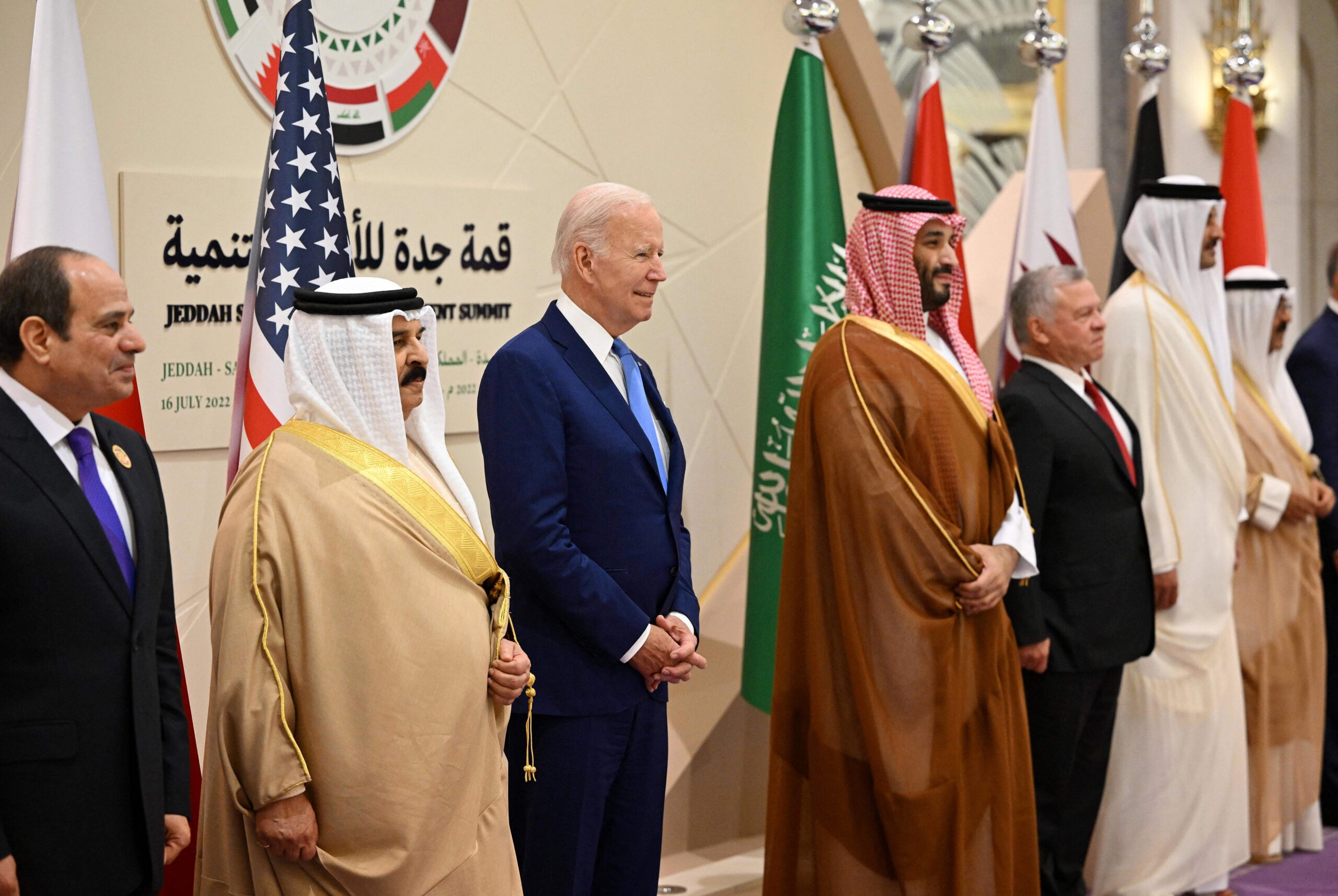
يقدم هذا التقرير تقييماً مؤقتاً لاستراتيجية إدارة بايدن الشاملة تجاه الشرق الأوسط، ويبحث الفرص والمخاطر الاستراتيجية للسياسة الأمريكية في المنطقة بشكل عام.