Professor at American University in the Emirates, Dubai, UAE
This individual is a guest contributor. MEI is not able to assist with contact requests.
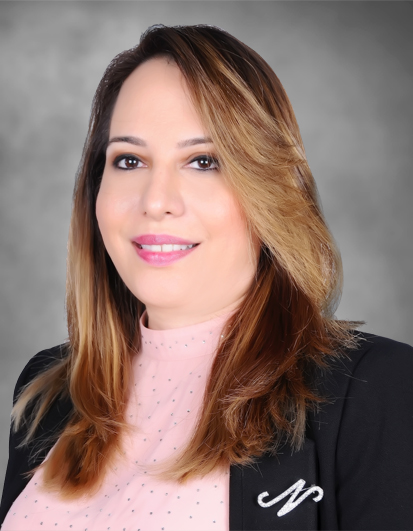
Najat AlSaied is a Professor at American University in the Emirates, Dubai, UAE. She was previously a Researcher at the Emirates Centre for Strategic Studies and Research (ECSSR) in Abu Dhabi, UAE and was an Assistant Professor at Zayed University in Dubai from 2014-2018. She is a columnist with Al Ittihad (an Arabic-language newspaper published daily in the UAE) as well as Al Hurra (an American satellite television news channel in Arabic). Beginning in January 2021, she joined Israel Hayom as contributor and columnist to the newspaper. She is specialized in political and societal development communication geared toward a modern and tolerant Middle East.
She is the author of Screens of influence: Arab satellite television and social development. She also wrote chapters in a number of books, including Media in the UAE: Creating a national voice, Routledge Handbook on Arab Media, Fashion and women’s sport in the Arab Gulf States, Uniformly discussed: Sportswomen’s apparel, Arab Media Moguls and Handbook on Arab Media. Her book Gulf Tweets: Twitter Diplomacy and Media Polarization will be published soon. She has published several articles with the Gatestone Institute, Gulf News, Al Arabiya English website, and others.
She earned her Ph.D. in Media Studies at the University of Westminster in London, UK. She holds two Master Degrees in Health Promotion and Disease Prevention and Computer Information System from American University in Washington, DC.
Sectarianism and ideology: The cases of Iran and Saudi Arabia
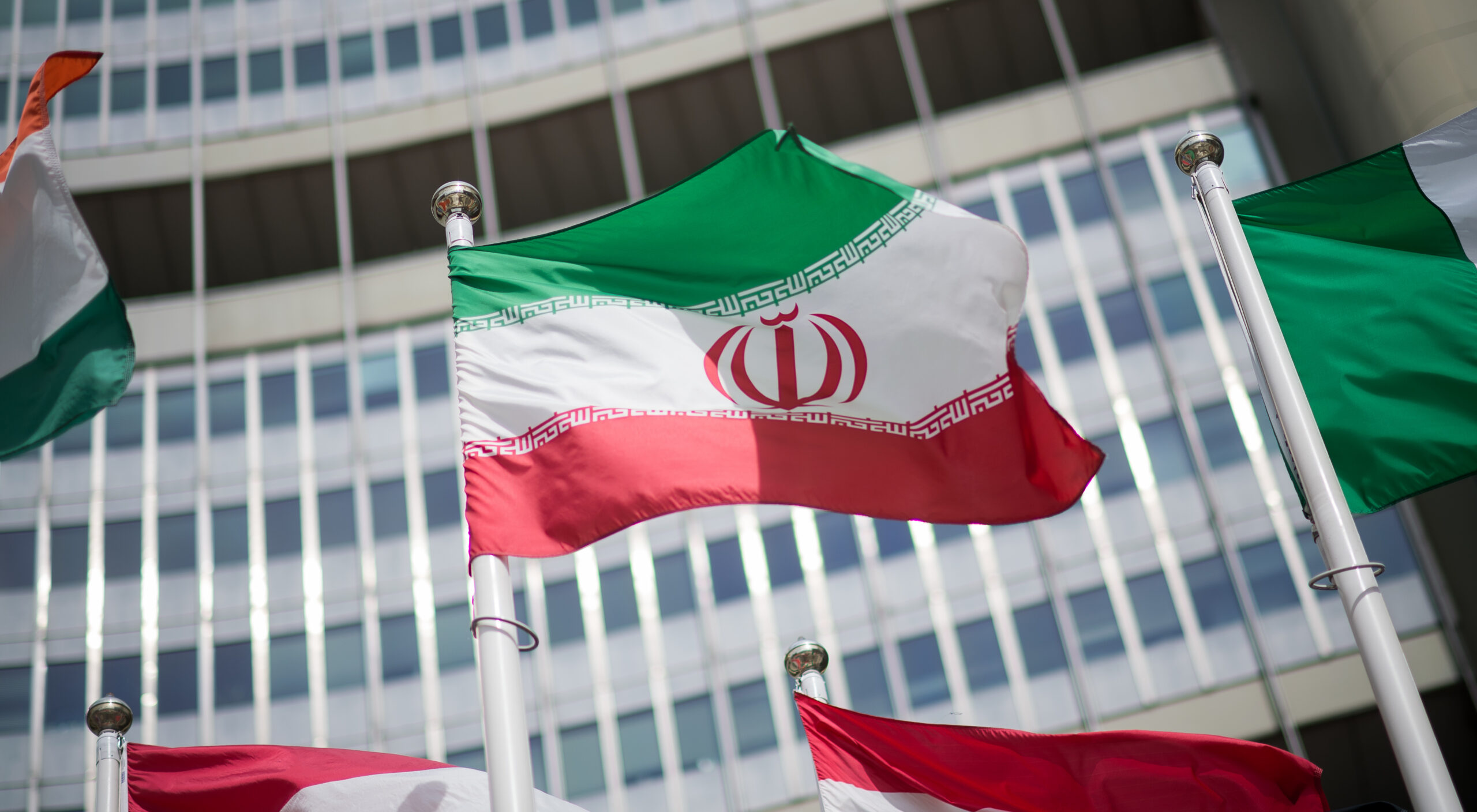
Many analysts oversimplify the political conflict between Iran and Saudi Arabia as one driven by sectarianism or Shi’a-Sunni tensions that has shaped the two states’ outlook and actions in the Middle East. However, their political differences are actually much more complex and deeper rooted.